Potassium is an essential mineral that plays a critical role in regulating fluid balance, muscle contraction, and nerve function. While it’s widely recognized for its importance in supporting heart health, not all potassium-rich foods are as beneficial as they seem. Many common sources, such as bananas and potatoes, are often recommended for their potassium content. However, some lesser-known foods high in potassium may come with drawbacks. In this article, we’ll explore 10 surprising foods that are rich in potassium but could potentially be harmful if consumed in excess.
Apricots
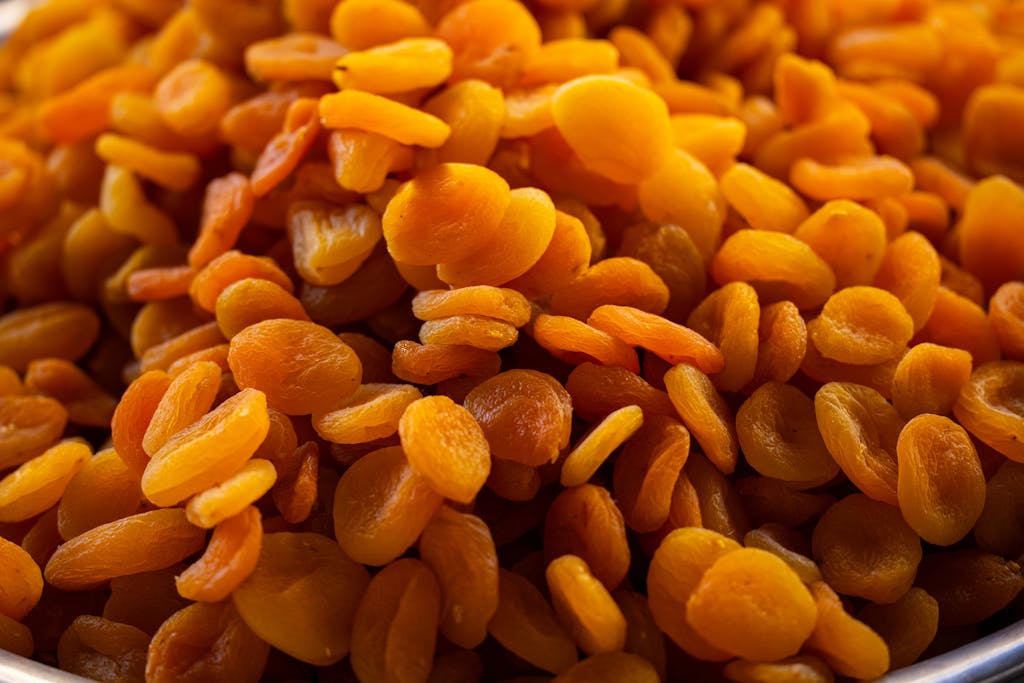
Dried apricots are an excellent source of potassium, offering about 400–700 mg per serving, depending on the size. They’re also rich in fiber, vitamins A and C, and antioxidants. However, dried apricots are calorie-dense and contain concentrated sugars, which can lead to overeating and blood sugar spikes when consumed in excess.
If you’re looking to increase your potassium intake, it’s important to enjoy dried apricots in moderation. Overconsumption of dried fruits can contribute to weight gain and affect blood sugar levels. Fresh apricots are a better alternative, offering potassium with fewer calories and sugar.
Avocados
Avocados are known for their creamy texture and healthy fats, and they contain more potassium per serving than bananas, around 975 mg in a single avocado. While they are packed with healthy monounsaturated fats, fiber, and vitamins, they also have a high calorie count: one avocado contains around 240 calories.
For those watching their calorie intake or trying to lose weight, the high caloric density of avocados can be problematic. Consuming them in excess may lead to unintentional weight gain. While they are nutritious, moderation is key, and it’s important to balance avocado consumption with other lower-calorie, potassium-rich foods.
Sweet Potatoes
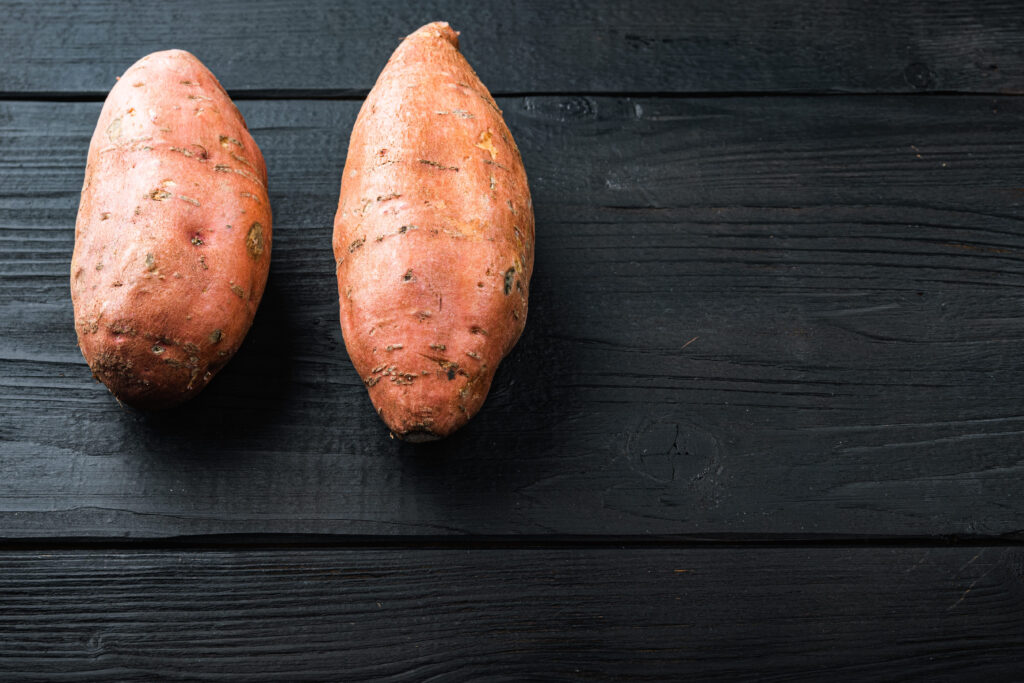
Sweet potatoes are often considered a healthier option than regular potatoes due to their high potassium content. One medium-sized sweet potato contains about 540 mg of potassium. However, they also have a high glycemic index, meaning they can cause spikes in blood sugar levels, especially when consumed in large quantities.
For those with diabetes or those managing blood sugar levels, consuming sweet potatoes in excess may not be ideal. Additionally, their natural sweetness can encourage overconsumption, leading to increased calorie intake. While sweet potatoes can be part of a balanced diet, eating them in moderation and pairing them with other lower-sugar vegetables is advisable.
Spinach
Spinach is an excellent source of potassium, offering about 840 mg per cooked cup. Along with potassium, it’s rich in iron, fiber, and antioxidants. However, spinach contains oxalates, which can interfere with calcium absorption and contribute to kidney stone formation when consumed in excess.
For individuals prone to kidney stones or those with calcium absorption issues, spinach may not be the best choice. While it can be part of a healthy diet in moderation, excessive spinach consumption may lead to health complications. If you’re looking for other potassium-rich greens, consider kale or Swiss chard, which offer similar benefits with lower oxalate levels.
Coconut Water

Coconut water has become a popular, natural alternative to sugary sports drinks due to its high potassium content. One cup of coconut water contains about 600 mg of potassium. However, it is also high in natural sugar, which can add up quickly, especially in larger servings.
For individuals with high blood sugar or those trying to manage their weight, the sugar content in coconut water can be concerning. While it can hydrate you and provide potassium, it’s better to limit its intake and opt for whole fruits or vegetables that contain potassium without the added sugar. Consider other low-sugar alternatives, such as water with a pinch of salt, to maintain electrolyte balance.
Beets
Beets are another potassium-rich food, providing about 518 mg of potassium per cooked cup. They’re also an excellent source of folate, fiber, and antioxidants. However, beets are relatively high in carbohydrates, particularly sugar, which can cause blood glucose levels to spike.
For individuals following a low-carb or ketogenic diet, beets may not be the best choice due to their high sugar content. While they have several health benefits, their carb content can make them unsuitable for those who need to maintain stable blood sugar levels. Consider substituting them with other lower-carb vegetables, such as kale or collard greens, for similar potassium benefits.
Tomato Products
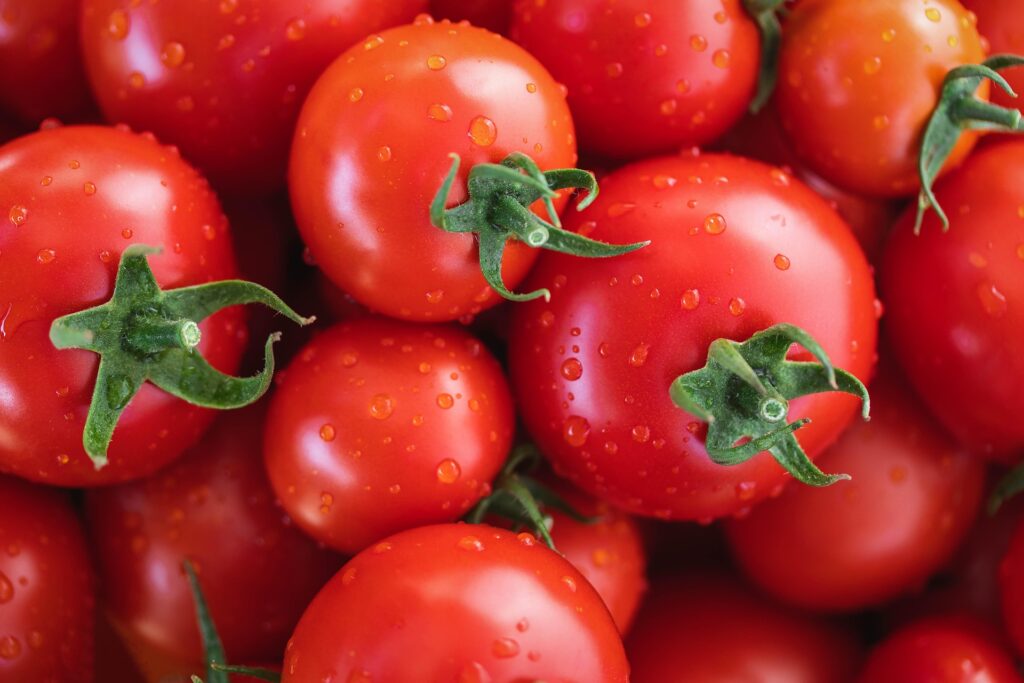
Tomatoes and tomato-based products such as sauces, soups, and juices are good sources of potassium; one cup of tomato sauce contains about 800 mg. However, many commercially available tomato products are also loaded with added sodium to preserve flavor.
Excessive sodium intake can lead to high blood pressure and other cardiovascular issues. When choosing tomato products, be sure to look for low-sodium versions, or better yet, make homemade tomato sauces or soups to control the salt content. Moderation is key to getting the benefits of potassium without the drawbacks of excessive sodium.
Lentils
Lentils are a great plant-based source of potassium, providing around 500–700 mg per cup. They’re also packed with protein, fiber, and iron. However, lentils can be difficult for some people to digest, especially when eaten in large quantities.
For those with sensitive stomachs or prone to bloating and gas, lentils can cause digestive discomfort. To reduce this risk, it’s best to gradually increase your lentil intake and ensure they are properly soaked and cooked. You can also try alternatives like black beans or chickpeas, which are easier to digest for some people.
White Beans
White beans, such as navy and cannellini beans, are rich in potassium, providing about 1,000 mg per cup. They are also an excellent source of plant-based protein and fiber. However, beans are known to cause digestive issues such as gas and bloating, particularly when consumed in large amounts.
If you experience digestive discomfort from beans, it’s important to start with small portions and ensure they are properly cooked. To ease digestion, soaking beans overnight before cooking can help reduce gas-causing compounds. If beans don’t agree with your digestive system, try incorporating other potassium-rich foods, such as bananas or spinach.
Dried Fruits
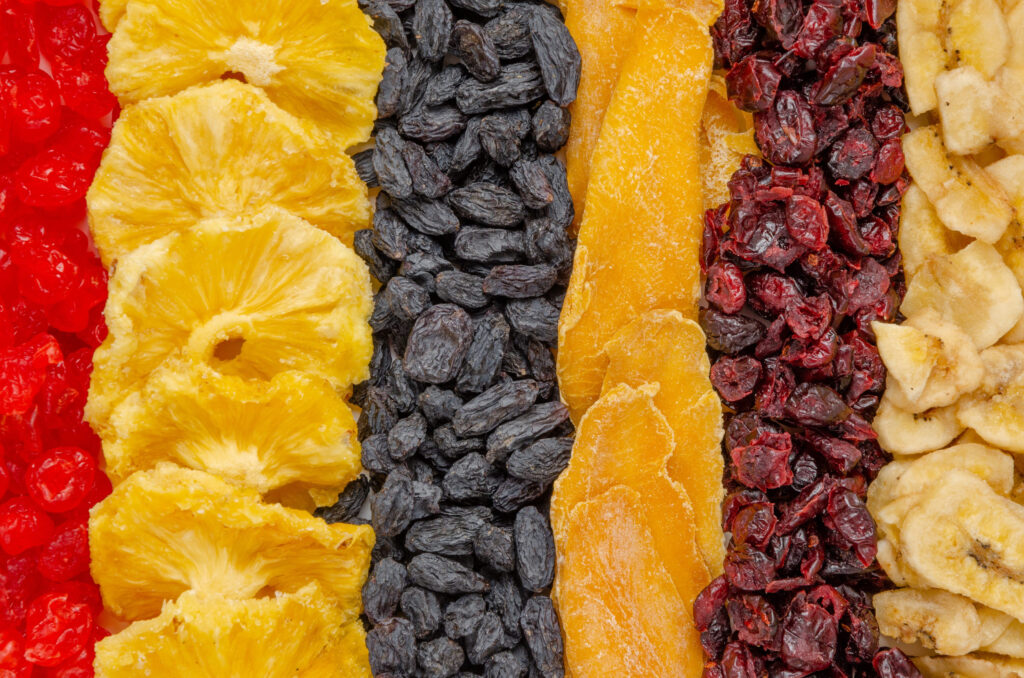
Dried fruits like raisins, apricots, and prunes are rich in potassium, providing 400–800 mg per serving. However, dried fruits are calorie-dense and high in sugar, making them easy to overeat.
For individuals trying to manage their weight or blood sugar, dried fruits can pose challenges. The concentrated sugar in dried fruits can lead to weight gain and glucose spikes. It’s important to consume them in moderation and balance your diet with fresh fruits and vegetables that offer potassium with fewer calories and sugar.
Conclusion
While potassium is an essential mineral for overall health, not all potassium-rich foods are equally healthy. Some of the foods mentioned above come with drawbacks, such as excess calories, sugar, or digestive issues, making them less than ideal choices for some individuals. As with any nutrient, moderation is key. Be mindful of your overall dietary needs, and consult with a healthcare professional if you’re concerned about your potassium intake.