When it comes to food preservation, modern-day conveniences like refrigeration and freezing have made life easier than ever.
However, throughout history, and even today, there have been some strange yet incredibly effective methods of extending the shelf life of our food.
Some might even seem a bit unorthodox, but they’ve stood the test of time, keeping our meals fresh and safe for consumption.
From ancient techniques to cutting-edge technology, here’s a look at 10 fascinating ways we ensure our food lasts longer.
Irradiation

Irradiation may sound like something straight out of a science fiction novel, but it is a real and highly effective method of preserving food. It involves exposing food to controlled levels of ionizing radiation, such as X-rays or gamma rays, to kill harmful microorganisms, bacteria, and pests.
While the term “radiation” can often evoke images of nuclear disasters, food irradiation is a carefully controlled process that makes food safer and extends its shelf life.
For example, it is often used to preserve spices, fruits, and vegetables without the need for harsh chemicals.
This method doesn’t significantly alter the taste or nutritional value of food, making it a practical option for a wide range of food products.
Although some may still have concerns about the safety of consuming irradiated foods, numerous health authorities, including the FDA and WHO, have deemed it safe when used appropriately.
Pascalization
Ever wondered how some products stay fresh for months without preservatives? High-Pressure Processing (HPP) is the secret behind it.
By subjecting food to high pressure of up to 50,000 pounds per square inch, this method can kill bacteria and other pathogens without heat.
Foods like guacamole, cold-pressed juices, and even meat can last up to 10 times longer with HPP treatment.
Interestingly, this process also enhances the nutritional value of food by retaining more vitamins and antioxidants. Researchers suggest that it could even double the levels of beneficial compounds in fruits. Not bad for a process invented in the 17th century by French scientist Blaise Pascal!
Burying Food
It might sound strange to think of burying food, but this technique has been used for centuries to keep food safe. The concept is simple: bury the food to shield it from elements like light and air.
This technique works particularly well with certain foods that thrive when kept in cool, dark conditions.
In Korea, a method known as kimchi burial involves burying large pots of seasoned vegetables in the ground for months, allowing fermentation to occur naturally.
While it’s certainly not a method you’ll see in your modern kitchen, it’s still effective for foods that require a long, slow preservation process.
Jugging
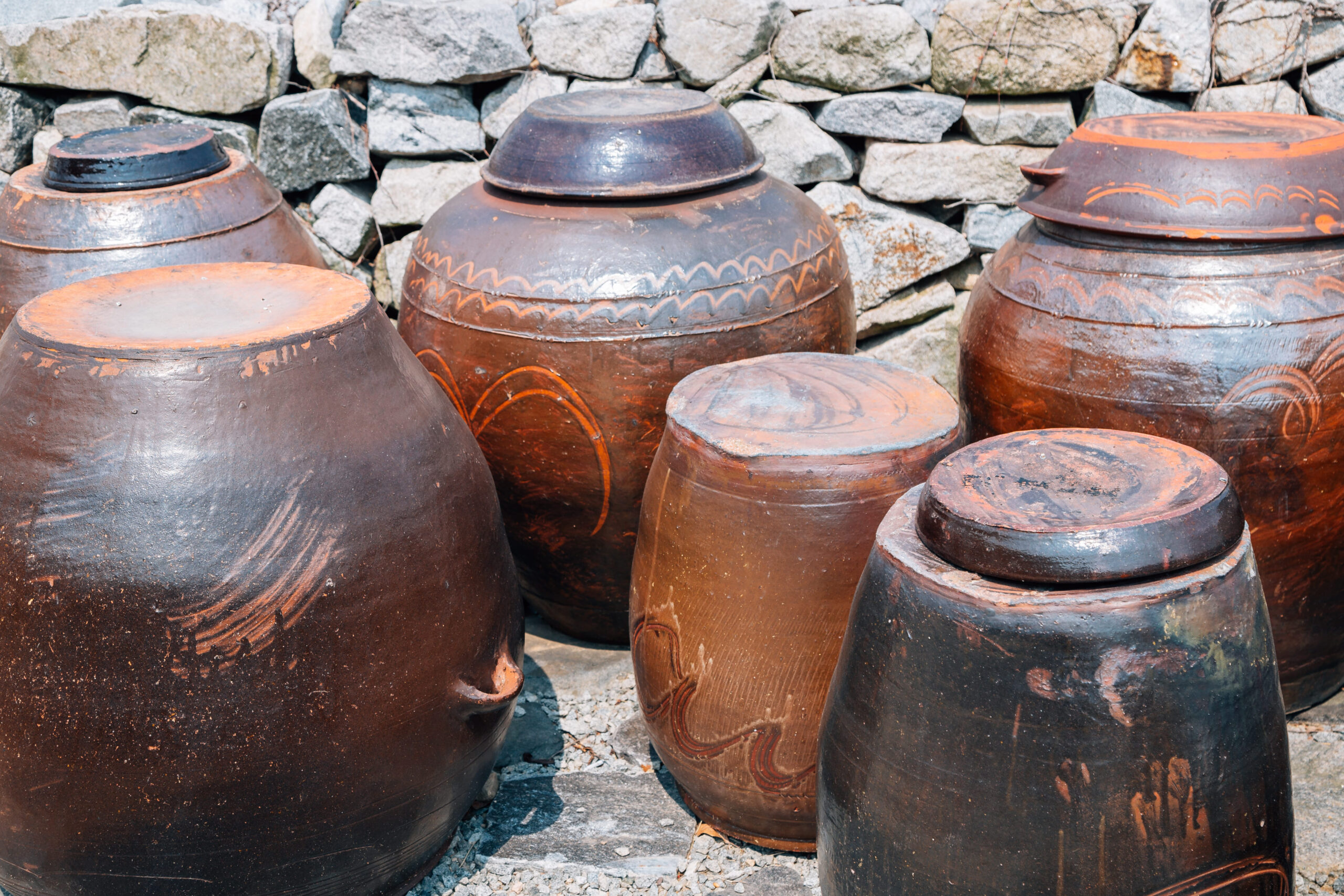
Jugging is an old-school method of preserving meat that involves slow cooking it in a tightly sealed jug. This process allows the meat to cook in its own juices, resulting in a rich, flavorful stew that can last for a long time.
While the idea of slow-cooking meat in an earthenware jug might seem quaint, it was once a common practice in English and French kitchens.
Dishes like “Jugged Hare” and “Jugged Kippers” are prime examples of this technique. The food is sealed in the jug and left to cook slowly, preserving it for later use while infusing it with deep, savory flavors.
Nonthermal Plasma Treatment
Imagine blasting food with plasma, not the high-energy, destructive kind, but a cool, room-temperature form of plasma that zaps away harmful microbes without affecting the taste or texture of the food.
This is nonthermal plasma treatment, a revolutionary food preservation technique that’s making waves in the food industry.
Using this technique, fruits, vegetables, and other delicate foods can be preserved safely and efficiently while maintaining their natural qualities.
It’s a futuristic solution for today’s food safety needs, and it holds great promise for extending the shelf life of a wide variety of foods without adding chemicals.
Blast Chilling
For caterers and restaurants, maintaining the quality of hot food during transportation is a real challenge. Enter blast chilling, a process that rapidly cools food from hot to cold in just minutes.
This quick cooling method prevents bacterial growth, ensuring that food remains fresh and safe for later consumption.
Once cooled to temperatures below 37°F (3°C), the food can be easily reheated without sacrificing taste or quality. This method is particularly useful for preparing frozen meals and convenience foods, offering a fast and effective way to preserve cooked dishes.
Aspic and Confit
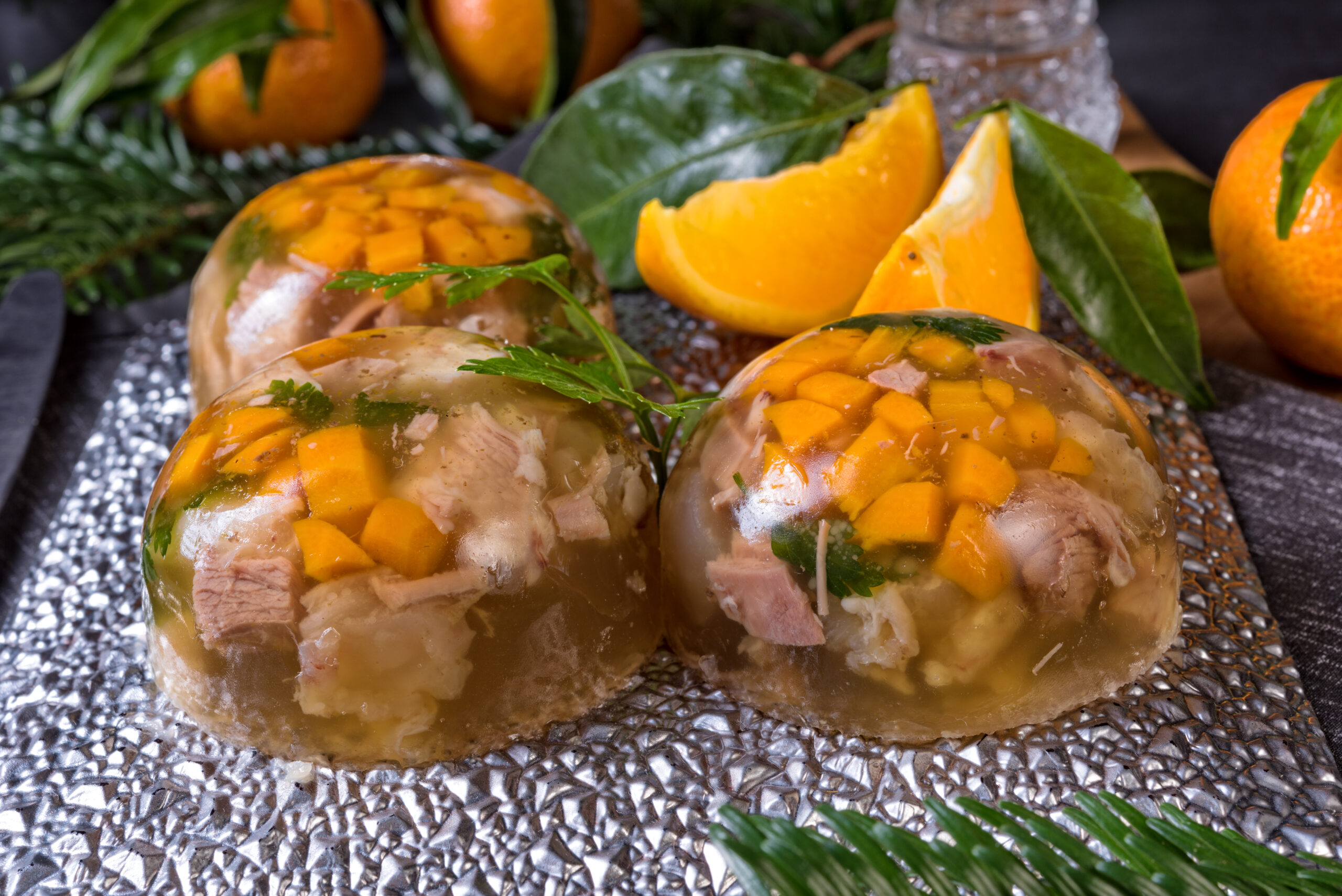
In medieval times, cooks discovered the magic of preserving food by encasing it in gelatin or fat. Aspic, a savory jelly made from stock, was often used to preserve meat and seafood by sealing it inside the jelly, preventing air and bacteria from spoiling the food.
Similarly, the technique of confit involves slowly cooking food, typically meat, in its own fat. Once the food is cooked and cooled, the fat solidifies, sealing the food and preserving it for an extended period.
Confit d’Canard, or duck leg confit, is a legendary delicacy of southwestern France, where this method has been perfected for centuries.
Modified Atmosphere Packaging
Food spoilage is primarily driven by exposure to oxygen. To combat this, the food industry developed modified-atmosphere packaging, in which food is sealed in containers with carefully controlled gas mixtures, such as oxygen, nitrogen, and carbon dioxide.
These gases are tailored to the specific food product to slow down spoilage and extend shelf life.
This technique is commonly used in packaging fresh produce, meats, and ready-to-eat meals. By controlling the atmosphere inside the packaging, modified atmosphere packaging helps keep food fresher longer while preserving its nutritional value and taste.
Lye Treatment
Lye is a caustic, alkaline substance often used in industrial cleaning products, but when used in food preservation, it can create unique textures and flavors.
Lye treatment is most famously used to prepare lutefisk, a Scandinavian dish made by soaking whitefish in a lye solution. The result is a gelatinous, slightly soapy fish that’s a delicacy for some.
Lye is also used in curing olives, transforming their flavor and texture into a rich, complex result. While the process requires careful handling (food-grade lye must be used, and the process must be done correctly), it results in a distinctive preserved food that is highly prized by certain cultures.
Fermentation

One of the oldest and simplest ways to preserve food is through fermentation. This natural process, which involves using beneficial bacteria to break down food, has been used for thousands of years to make everything from beer and wine to sauerkraut and kimchi.
Fermentation preserves food by creating an environment that prevents harmful bacteria from taking over.
Fermented foods also offer a range of health benefits, from improving gut health to boosting immunity. Whether it’s a piece of homemade sourdough or a bowl of tangy kimchi, fermentation remains one of the most effective ways to extend the life of food.
Conclusion
From ancient burial methods to cutting-edge technologies like nonthermal plasma, the ways we preserve food are as varied as they are fascinating. While many of these techniques may seem strange, they’ve proven effective at keeping our food fresh and safe.
Whether you’re trying to extend the shelf life of your favorite fruits, vegetables, or meats, these preservation methods offer practical solutions that have stood the test of time.
As we continue to innovate and find new ways to keep our food fresh, it’s essential to remember that preservation methods often combine science and tradition.
So, the next time you grab that jar of confit or dig into a bowl of kimchi, you’ll be tasting a piece of history that’s been perfected over centuries.