Illness often arrives uninvited, stripping away appetite and energy at the worst possible moments. Choosing foods that are gentle, hydrating, and nutrient-dense can make the difference between feeling drained and supporting recovery. Simple, symptom-focused meals can keep the body nourished without adding stress to the digestive system.
Different symptoms call for different solutions, so no single food fits every sick day. Sore throats, nausea, fever, and gastrointestinal upset each demand a tailored approach. By focusing on easy-to-digest, soft, and hydrating options, we can restore energy and comfort efficiently.
Broth and Warm Liquids
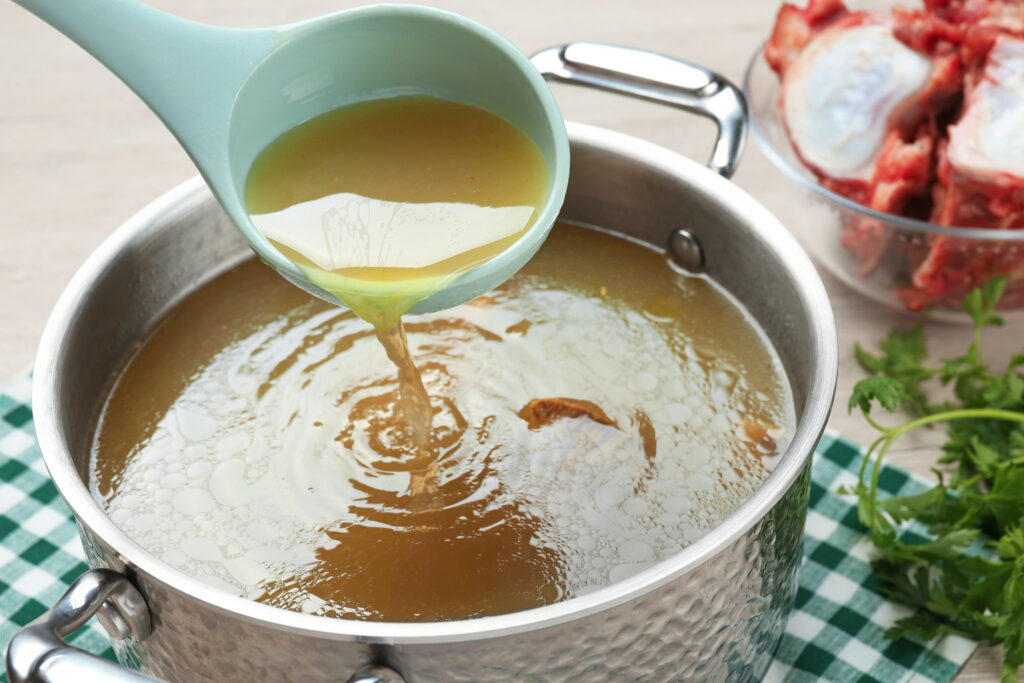
Broth is one of the easiest ways to maintain hydration and provide gentle calories when appetite is low. Vegetable, beef, or miso broths can soothe a sore throat and deliver essential electrolytes without overwhelming the stomach. Adding soft noodles, rice, or finely shredded vegetables increases nutrition while remaining gentle.
Warm liquids also help loosen congestion and calm discomfort from fever or cold symptoms. Sipping slowly keeps fluid intake steady, which is critical during periods of increased risk of dehydration. A simple, warm bowl of broth can provide both comfort and functional nourishment on a tough, sick day.
Oatmeal
Oatmeal provides slow-release carbohydrates that stabilize energy when the body is running low. Its soft texture and bland flavor make it ideal for sensitive stomachs and sore throats. Adding mashed bananas or a spoonful of nut butter enhances taste and nutrients without overwhelming digestion.
Oatmeal is versatile and can be adjusted for thickness, temperature, and flavor to suit personal tolerance. Lightly cooked berries or cinnamon bring antioxidants and flavor while remaining easy to swallow. This makes oatmeal a reliable base for both recovery and nourishment.
Bananas

Bananas are soft, sweet, and easy to digest, making them ideal for nausea, vomiting, or diarrhea. They provide potassium to replace electrolytes lost during illness and gentle carbohydrates for energy. Eating bananas plain, mashed, or blended into oatmeal or smoothies ensures tolerance and comfort.
They are also portable and require minimal preparation, perfect for intermittent eating when appetite fluctuates. Their mild flavor prevents irritation of sensitive throats or upset stomachs. Bananas are a staple sick-day food for both hydration and light nourishment.
White Rice and Plain Noodles
Plain rice and noodles deliver digestible carbohydrates that fuel recovery without upsetting the stomach. They are soft, easy to chew, and ideal for gastrointestinal sensitivity. Pairing them with broth or lightly cooked vegetables provides balanced nutrition without heaviness.
These bland staples allow the digestive system to recover gradually while keeping calories steady. Rice and noodles are versatile, serving as a foundation for adding protein or soft vegetables when tolerated. They make it easier to transition from clear liquids to more substantial meals.
Scrambled Eggs and Soft Proteins
Scrambled eggs provide high-quality protein and essential vitamins in a soft, easy-to-chew format. Protein supports immune function, tissue repair, and energy restoration after illness or surgery. Pairing eggs with soft vegetables or rice creates a balanced, gentle meal.
Soft proteins are easier on sore throats and sensitive digestive tracts than meat or fried foods. They allow nutrient intake without straining the body during recovery. Eggs remain a reliable source of strength for those with low appetite or post-surgical needs.
Greek Yogurt and Smoothies

Greek yogurt is thick, easy to swallow, and rich in protein and probiotics to support gut health. Smoothies combine fruits, yogurt, and optional nut butter for a nutrient-dense, easy-to-consume meal. Both options provide calories, hydration, and vitamins when solid foods feel daunting.
Smoothies are especially helpful for sore throats or mild nausea. They can be chilled or slightly warmed, depending on tolerance and symptom relief needs. Greek yogurt and blended fruit offer flexibility while providing essential nutrients.
Ginger Tea and Honey.
Ginger tea is well-known for reducing nausea and calming an unsettled stomach. Warm tea with honey soothes a sore throat while delivering antioxidants and gentle hydration. Sipping slowly allows for comfort without overwhelming the stomach.
Honey also coats irritated tissues, making swallowing less painful. Combined with a small amount of liquid, it can encourage steady hydration and improve symptom tolerance. Ginger and honey together create a functional, comforting remedy for common sick-day complaints.
Mashed Potatoes and Soft Vegetables
Mashed potatoes, cooked carrots, and zucchini provide soft carbohydrates and gentle fiber that are easy to digest. They fill the stomach without adding heavy fats or irritants. Light seasoning and small portions ensure they remain soothing and supportive.
Soft vegetables add vitamins, minerals, and water content for recovery. Cooking them until tender makes them easier to tolerate after nausea or gastrointestinal upset. They work well alongside soft proteins or broths for balanced sick-day meals.
Berries and Leafy Greens
Soft berries like blueberries, raspberries, or strawberries provide antioxidants, fiber, and vitamins without irritating the stomach. Cooked or pureed leafy greens, such as spinach or kale, provide magnesium and iron for recovery. Both options support immune function and help counter oxidative stress.
Berries can be added to smoothies, yogurt, or oatmeal to increase palatability and nutrient density. Leafy greens can be lightly sautéed or blended into broths to make them easier to consume. These nutrient-rich foods aid recovery while remaining gentle on the digestive system.
Salmon and Fatty Fish
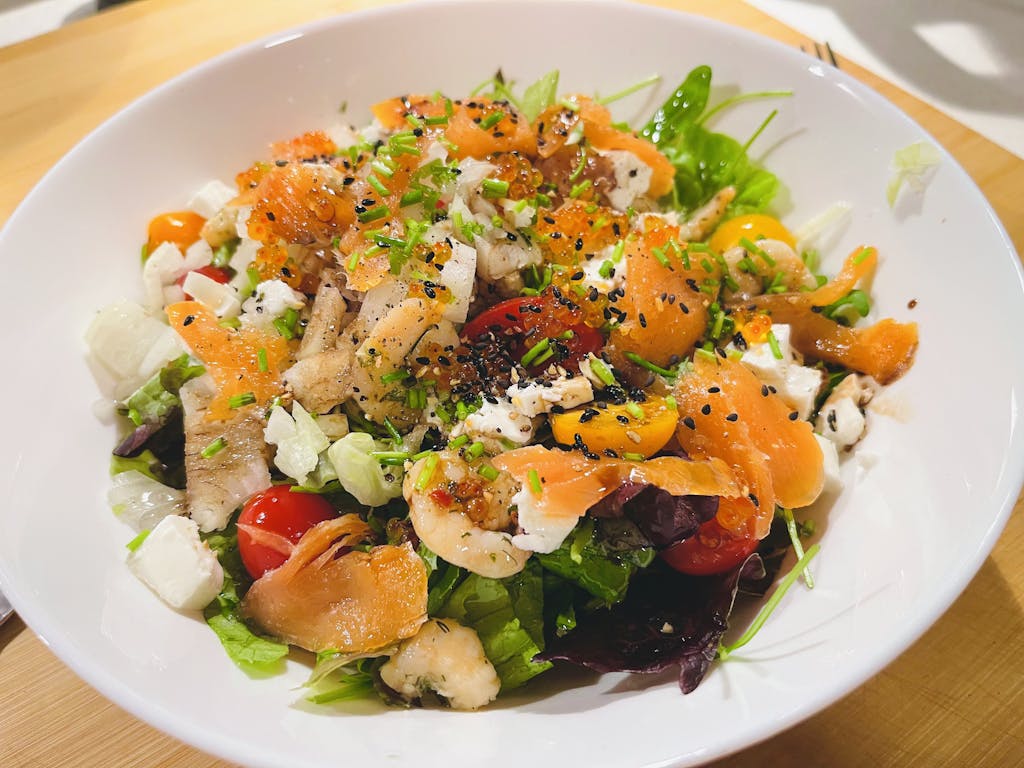
Fatty fish such as salmon, mackerel, or sardines supply high-quality protein and anti-inflammatory omega-3 fatty acids. They help support tissue repair, immune function, and overall recovery. Baking or steaming fish keeps it tender, mild, and easier to digest.
Fatty fish also provides essential vitamins, such as D and B12, which are important for energy and cellular function. Pairing with soft carbohydrates or cooked vegetables makes meals easier on the stomach. Fish becomes especially valuable once nausea subsides and more substantial nutrition is needed.
Electrolyte Drinks, Coconut Water, and Hydrating Fruits
Maintaining hydration is critical when fever, vomiting, diarrhea, or sweating occurs. Electrolyte drinks, coconut water, and water-rich fruits like watermelon or grapes help replenish fluids and minerals. Regular sipping keeps the body balanced and prevents dehydration.
Hydrating foods also offer gentle calories, vitamins, and antioxidants to support recovery. Combining fluids with bland meals ensures the body remains nourished without overloading the digestive system. Hydration paired with nutrient-dense foods provides the foundation for a faster, smoother recovery.