Alcohol consumption is a defining feature of social life across the globe, influencing culture, traditions, and even economies. In 2025, certain countries will continue to dominate the world alcohol consumption rankings. Eastern and Central Europe take the lead, but the list also features some surprising entries. This article will explore the countries that drink the most alcohol, providing insights into the cultural, economic, and social factors that shape drinking habits.
Romania
Romania ranks as the top country for alcohol consumption in 2025, with a staggering 17.1 liters per person annually. The high levels of alcohol intake can be attributed to the country’s rich traditions surrounding homemade spirits and the cultural significance of drinking at various milestones. Romanians take pride in offering drinks to guests during social visits, whether it’s a wedding, funeral, or national holiday. Homemade tuica (a plum brandy) is commonly consumed, especially during autumn harvests when it is freshly produced. The acceptance of drinking in social settings and the wide availability of homemade spirits are key factors contributing to Romania’s high alcohol consumption.
Georgia
Georgia, with a remarkable 15.5 liters of alcohol consumption per person each year, holds a special place in the global drinking culture due to its centuries-old wine traditions. Wine is at the heart of Georgian hospitality, with supra feasts (traditional gatherings) being the focal point of many celebrations. Wine-making remains deeply rooted in the culture, and families often produce their own wine using qvevri, ancient clay vessels that are buried underground. Wine is consumed regularly at meals and during communal toasts, which are central to Georgian social interactions. This long-standing connection to wine keeps Georgia among the highest-consuming nations globally.
Latvia
With 14.7 liters per capita, Latvia is among the top consumers of alcohol. The country’s long winters play a significant role in its drinking culture, as people often gather indoors to share drinks. Vodka remains a popular choice, with flavored spirits and high-strength beer also contributing to Latvia’s high alcohol consumption. Despite government efforts to curb binge drinking, alcohol remains a staple at public gatherings, dinners, and even casual social visits. The culture of drinking during the cold months and the social nature of Latvian gatherings keep alcohol consumption at high levels.
Greece
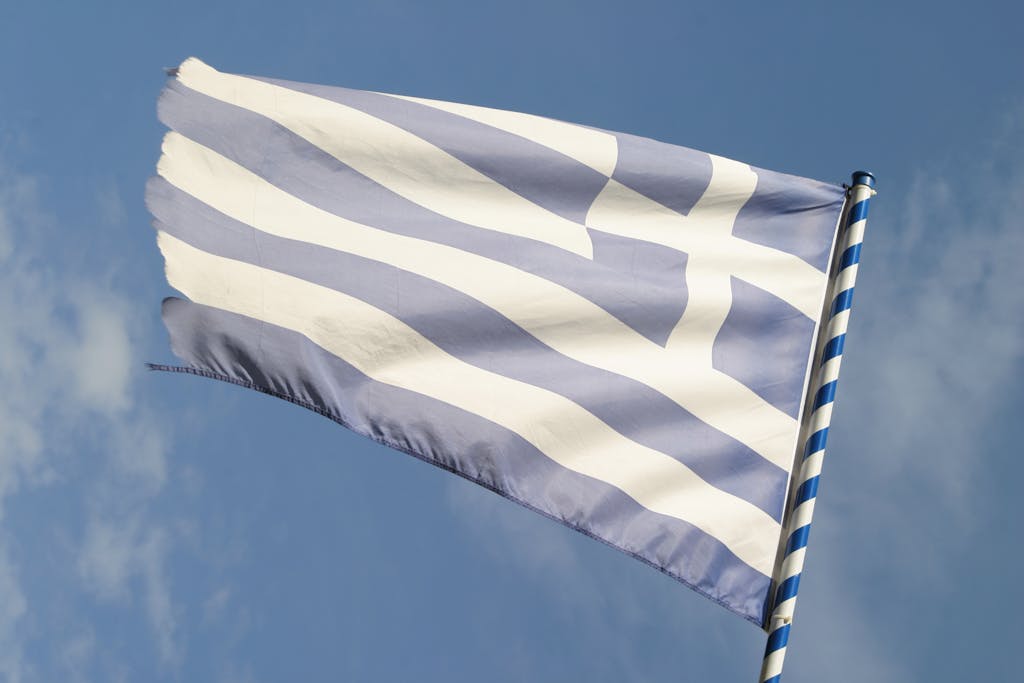
In Greece, alcohol is more than just a recreational beverage – it is a vital part of hospitality and family life. With 14.4 liters consumed per person annually, Greeks typically drink wine, ouzo, and homemade spirits during meals and social occasions. Drinking is not just about indulgence; it is a way of bringing people together. Greek families often serve alcohol to guests as a sign of respect and to promote conviviality. This cultural aspect of sharing drinks and the role alcohol plays in Greek social life ensures that Greece remains one of the top consumers of alcohol globally.
Moldova
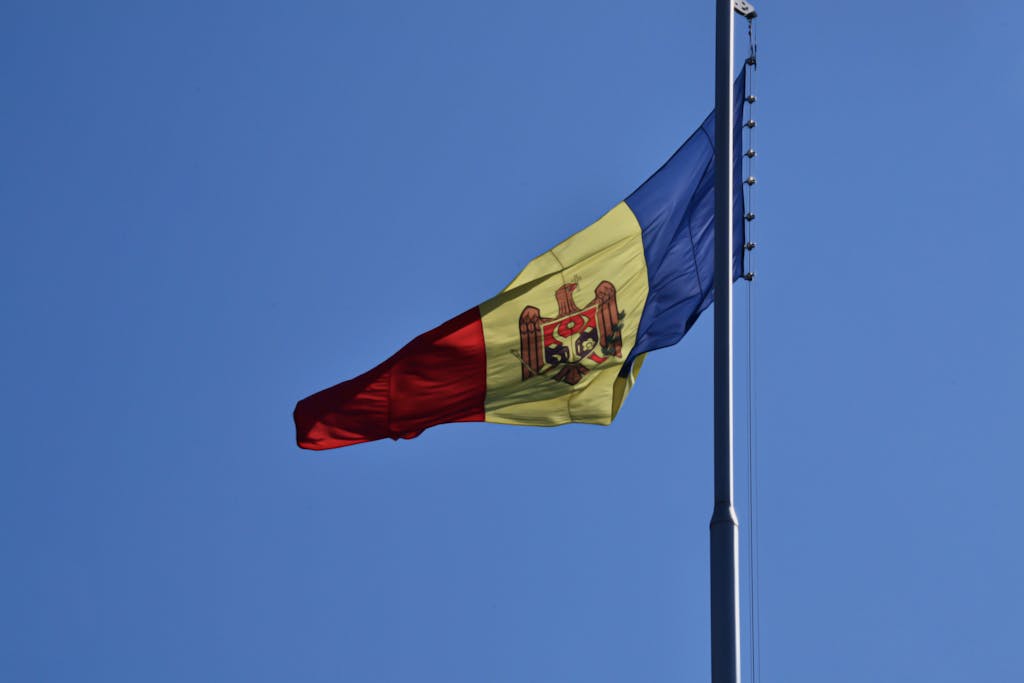
Moldova ranks fifth globally with 14.1 liters of alcohol consumed per person. The country’s high intake is largely due to the widespread practice of home winemaking, a tradition passed down through generations. Moldova is known for its extensive wine production, with vast underground cellars storing large quantities of wine. The pride Moldovans have in their wine, coupled with annual wine festivals and the practice of sharing drinks during communal events, helps to sustain high alcohol consumption throughout the year.
Czechia
Czechia, home to some of the world’s most famous beer traditions, consumes 13.7 liters of alcohol per person annually. Beer is not just a drink in Czechia – it is a cultural symbol. The country has a long history of brewing, with many small towns hosting historic breweries that continue to produce the finest pilsner-style beers. Czech beer is affordable, widely available, and consumed regularly in pubs, at work, and during family meals. National beer festivals, like the famous Oktoberfest in Prague, further fuel the country’s high alcohol intake.
Lesotho
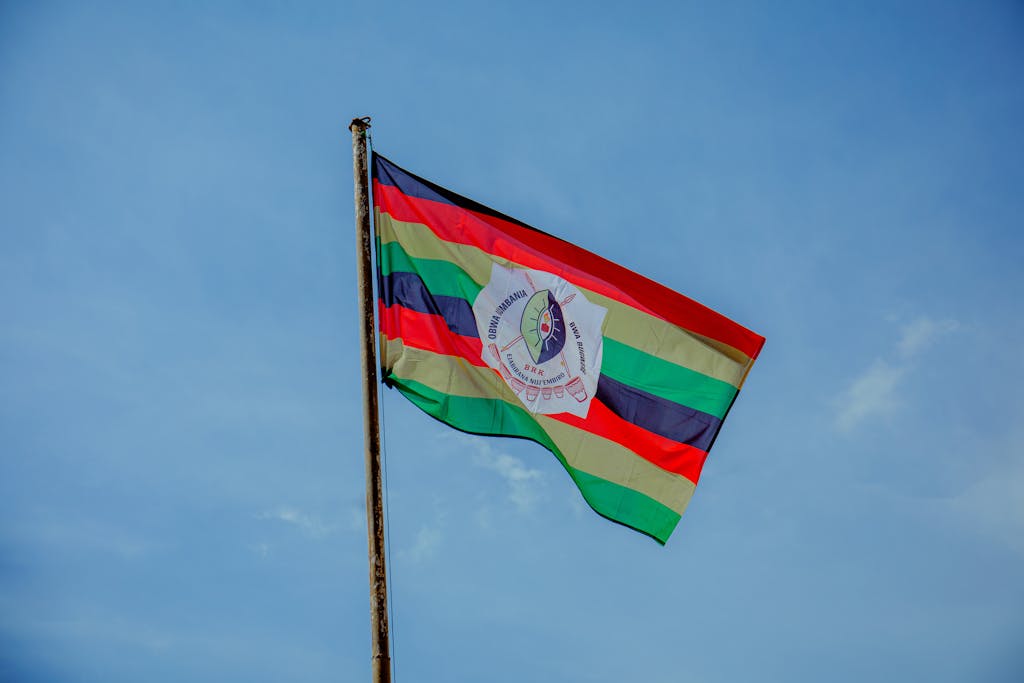
Lesotho, with 12.9 liters of alcohol consumed per person annually, surprises many due to its small population. However, its high alcohol consumption can be attributed to strong community traditions surrounding homemade brews. Joala ba Sesotho, a maize-based drink, is crafted in homes and shared across communities, forming a crucial part of social gatherings. The production and consumption of these brews are deeply embedded in local customs, and alcohol remains an essential element in Lesotho’s social life, helping to sustain high consumption rates.
Germany
Germany’s alcohol consumption stands at 12.2 liters per capita, with beer being the drink of choice. The country’s love for beer is showcased in festivals such as Oktoberfest, which attracts millions of visitors each year. With a deep-seated tradition of brewing, Germany’s beer culture is ingrained in its social fabric. Regional beer varieties, like Helles and Kölsch, are served in beer gardens, while local breweries continue to thrive. Alcohol consumption remains high throughout the year, particularly during large-scale public events and festivals.
Madagascar
Madagascar, with 12.1 liters of alcohol consumed per person annually, relies heavily on toaka gasy, a sugarcane-based spirit, for much of its alcohol intake. This locally distilled drink is central to daily life in rural communities, where it is often consumed during social gatherings and ceremonies. The low cost of toaka gasy and its cultural importance in bringing people together during village events help to sustain high levels of alcohol consumption across Madagascar.
Poland
Poland rounds out the list with 11.7 liters of alcohol consumed per person. The country’s drinking culture is largely shaped by vodka, which plays a central role in many social rituals and celebrations. Whether it’s a wedding, birthday, or holiday, vodka is often consumed in large quantities during toasts and social gatherings. This tradition, along with the widespread availability of beer and spirits, ensures that alcohol remains a constant presence in Polish social life.
Why Eastern and Central Europe Lead in Alcohol Consumption
Eastern and Central Europe consistently dominate global alcohol consumption rankings due to several key factors. The region’s cold climate encourages indoor social gatherings, where alcohol is a central feature. Long-standing customs around drinking, especially vodka, beer, and homemade spirits, further contribute to high consumption rates. Additionally, the availability of cheap, locally produced alcohol ensures that drinking remains accessible to many. Social gatherings, religious holidays, and communal events all involve alcohol, solidifying its place in the daily lives of millions.
Conclusion
Alcohol consumption is not just a matter of personal preference; it is deeply woven into the social, cultural, and economic fabric of nations. From the winemaking traditions of Georgia to the beer-loving culture of Czechia, each country has unique factors that contribute to its position on the global alcohol consumption list. Understanding these factors provides insight into how alcohol remains a central part of life in different cultures, and why Eastern and Central E