Flea markets are often bursting with overlooked treasures, yet many casual shoppers wander past the very items interior designers zero in on. Instead of missing out, learn exactly what seasoned design pros shop for at flea markets and why these pieces are worth your attention. If you want to bring personality and depth into your space without breaking the bank, keeping an eye out for the following seven categories can completely change how your home feels.
Vintage Glassware
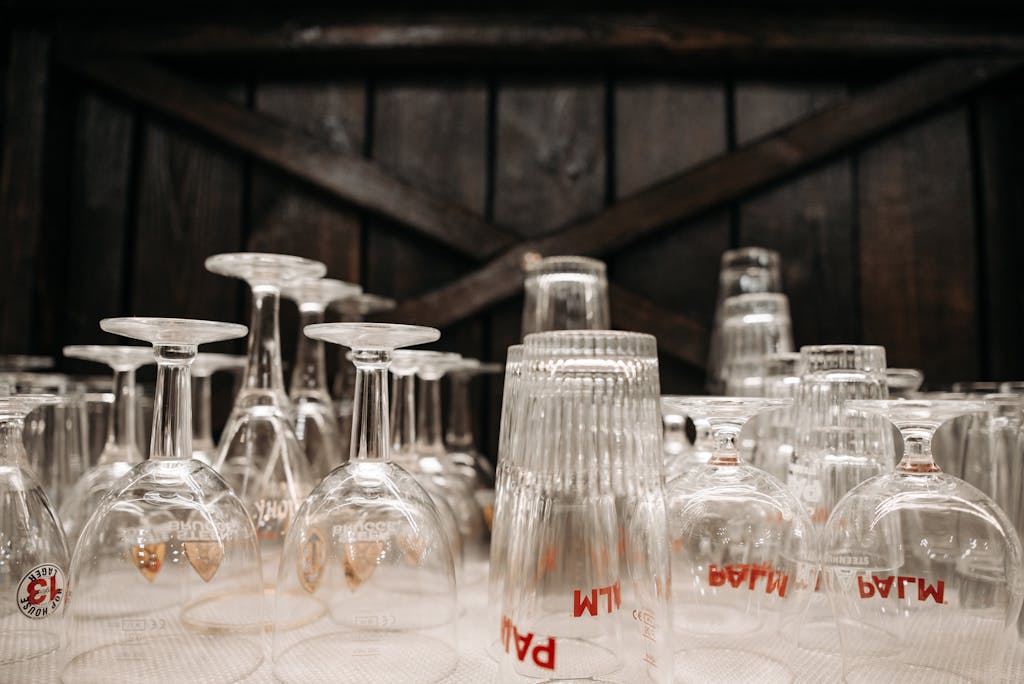
One of the first things designers gravitate toward at flea markets is vintage glassware, which effortlessly elevates a table setting. These pieces are rarely polished or perfect, and that is exactly what makes them compelling. Picture a jumble of colored goblets from different decades gathered across a dinner table, each one carrying its own subtle hue and pattern. Designers love the visual richness that comes from this kind of eclectic but thoughtful mix.
Collectors at flea markets often find etched crystal, bubbled carnival glass, and mid‑century colored glasses that instantly bring character to everything from casual brunches to holiday dinners. Even when they’re not used at the table, groupings of antique glasses on open shelving or window sills can catch light in ways modern pieces never do. The small investments you make in glassware here can feel incredibly purposeful, as these items serve both as decor and everyday tools.
Pieces With a Story Hidden in Plain Sight
Interior designers don’t just buy objects; they collect stories. A flea market find is often more than the sum of its materials because it has lived a past life. Whether a small carved box once owned by a traveling salesman or a quirky brass instrument case that has clearly seen decades of use, these items add narrative to rooms that newly produced accessories simply cannot.
Designers seek objects with histories that can spark conversation and invite curiosity. You might discover an antique sculpture that somehow conjures memories of a distant era or a weathered decorative piece that becomes the centerpiece of a mantel. Items with provenance, charm, or even eccentric quirks are prized not just for their looks but for how they encourage interaction and imagination within a space. These are the treasures that turn a house into a home filled with personality.
Artwork
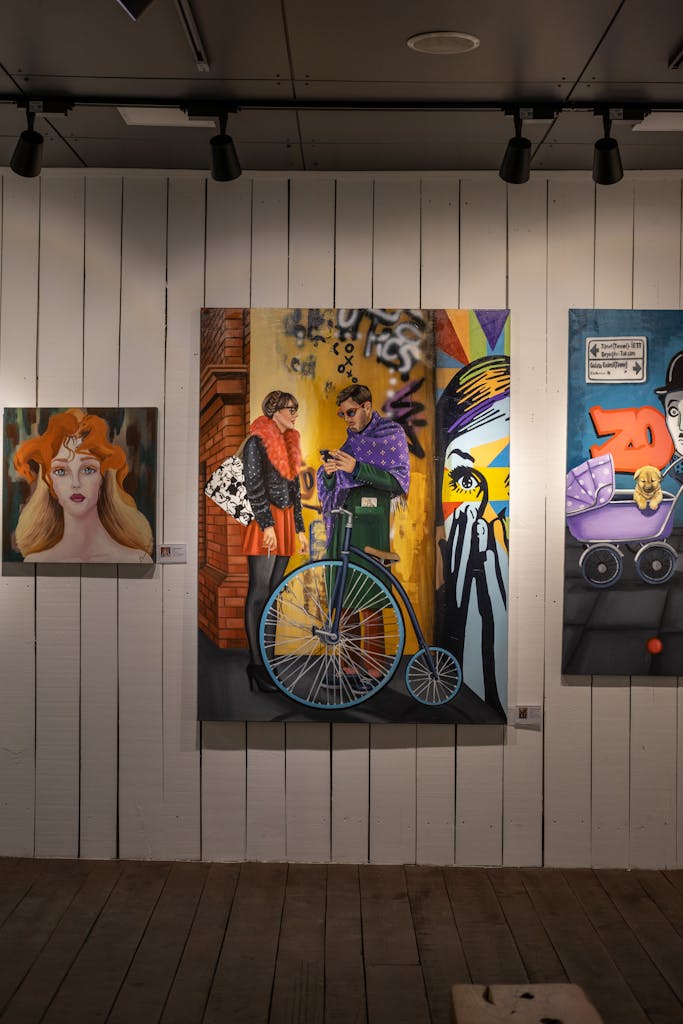
Finding artwork at a flea market can feel like stumbling on hidden gold. Designers often uncover small oil paintings, watercolors, landscapes, and portraits that might not carry the weight of famous names but hold real aesthetic value and authentic vintage charm. What makes these pieces especially attractive is the affordability and uniqueness—they’re often one‑off pieces that won’t be duplicated in anyone else’s home.
Smaller framed works are especially sought after because they are flexible in style: they can be grouped on a gallery wall, rest casually on a bookshelf, or become a striking focal point above a console table. Designers sometimes reframe the pieces to better suit a modern aesthetic while preserving the original art. The result is an artwork that feels bespoke, personal, and intimately woven into your interior narrative.
Stylish Jugs and Pitchers Reimagined
Jugs and pitchers are not just kitchen tools; in the hands of an interior designer, they become versatile decorative elements. Vintage ceramic and earthenware pitchers from English or European makers often show up at flea markets and offer elegant silhouettes that modern mass‑market products simply cannot match.
Whether used to hold fresh blooms, as standalone sculptural pieces, or in coordinated table settings, these finds often bring organic shape and texture into otherwise stark spaces. Designers appreciate how these humble pieces soften a room’s lines and introduce gentle curves along shelves, tabletops, and sideboards. They are evidence that beautiful design doesn’t have to be expensive; even a simple jug can feel transformative in the right context.
Unique Ceramics

Ceramics of all kinds, whether handmade or vintage factory pieces, are essential flea market finds for the artful home. Designers look for forms that feel tactile and honest, pieces that tell the story of a maker’s hand in every imperfect glaze and asymmetrical bowl.
These ceramics are used in countless ways: paired with books on a coffee table, stacked in kitchen nooks, or displayed on open shelving to add natural, textural depth. Because they can be both functional and sculptural, ceramics help bridge the gap between practical home goods and fine art. Designers know that mixing pottery from varying eras and styles enriches a space and brings a collected‑over‑time look that never feels staged or cliché.
Books

Books are more than reading material when you’re creating a layered interior; they are elements of texture, color, and rhythm. Designers intentionally hunt for interesting titles, worn spines, and unusual formats because these make shelves feel curated rather than cluttered.
Stacked books can elevate smaller decor objects, break up visual monotony on a console table, or anchor decorative trays and sculptural pieces. Used books from flea markets often feature covers and typography from decades past, making them ideal for adding visual interest to spaces that might otherwise feel too polished or predictable. Designers love how books introduce narrative and intellectual depth, exactly the qualities that make a space feel thoughtfully edited rather than assembled.
Benches
Finally, benches are often overlooked by flea market browsers, but designers see their potential immediately. These larger pieces can serve multiple functions: a bench can work as extra seating in an entryway, a coffee table substitute in a living room, or a cozy spot at the foot of a bed.
Vintage benches often feature beautifully worn wood or unexpected shapes that make a powerful design statement. Whether it’s a rustic farmhouse bench or something more sculptural, designers know that these pieces add physical heft and balance to a room’s layout. A well‑chosen bench grounds a seating area, instills warmth, and makes your overall design feel intentional and complete.
Conclusion
In essence, these seven flea market categories represent far more than inexpensive or quirky buys. They embody the thoughtful intentionality that designers bring to curating spaces and objects with heart, meaning, and an ability to connect past and present aesthetics. If you walk past these items on your next flea market trip, you might be overlooking some of the most impactful elements you could add to your home.