March can trick gardeners into waiting too long. The weather still feels uncertain, the soil may still be cold, and many people assume flowers can wait until spring looks more “official.” That mistake can leave your garden looking flat when everyone else’s borders, pots, and cutting beds are already waking up with color.
Annual flower seeds are some of the easiest ways to build a full, lively garden without spending heavily on nursery plants. The real secret is choosing the right seeds early enough, especially varieties that need a head start before they explode into bloom. Skip the overused choices this season and try these less common annual flower seeds that can make your spring and summer garden feel richer, fresher, and far more interesting.
Celosia
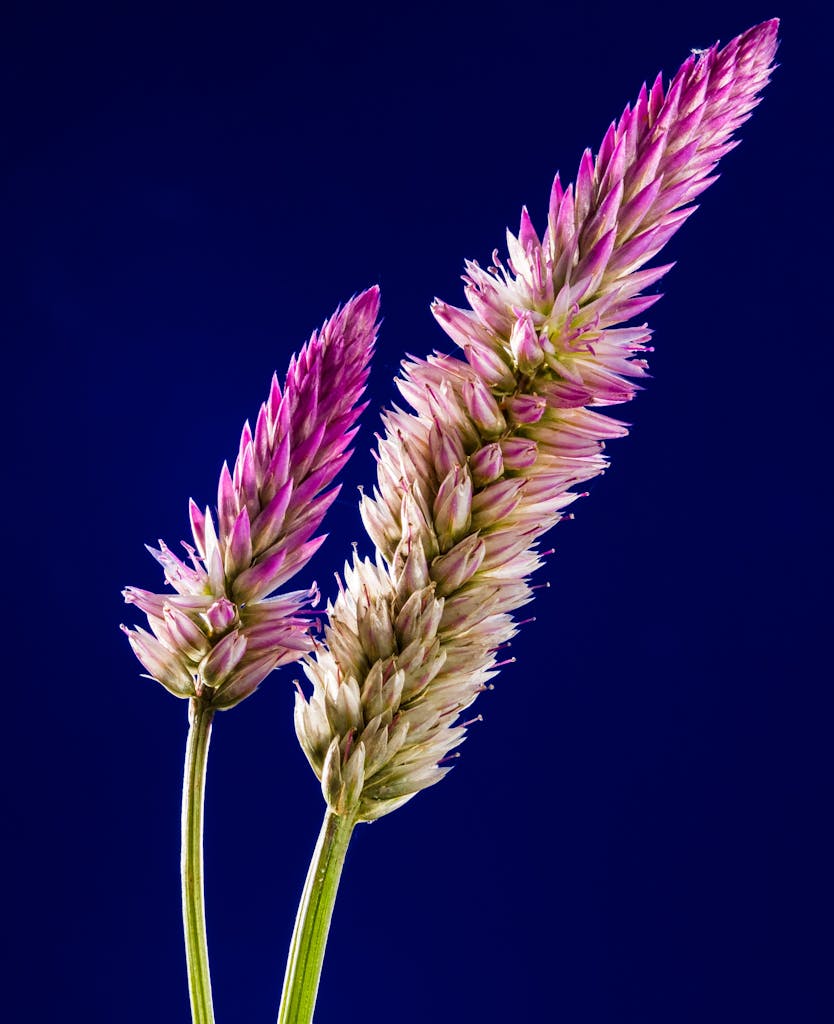
Celosia is the kind of flower that makes a garden look professionally styled, even when the rest of the bed is still finding its rhythm. Its plumed, crested, or flame-shaped blooms bring texture that ordinary petals cannot match. Start celosia seeds indoors in March, as they prefer warmth and need time to form strong roots before outdoor planting. Once the weather settles, move them into a sunny spot with well-drained soil. They work beautifully in borders, containers, and cutting gardens. The colors can be bold, including red, orange, yellow, pink, and deep burgundy, instantly waking up dull planting areas.
Gomphrena
Gomphrena, also called globe amaranth, is small but surprisingly powerful in a flower bed. Its round, clover-like blooms hold their shape for a long time, providing the garden with steady color as other flowers start to fade. Start the seeds indoors in March because germination can be slow, especially in cooler rooms. Once established, gomphrena handles heat well and asks for very little attention. It is also excellent for dried flower arrangements, which gives it value beyond the garden. Purple is the classic color, but pink, white, red, and orange varieties can create a cheerful display that looks polished without much fuss.
Strawflower
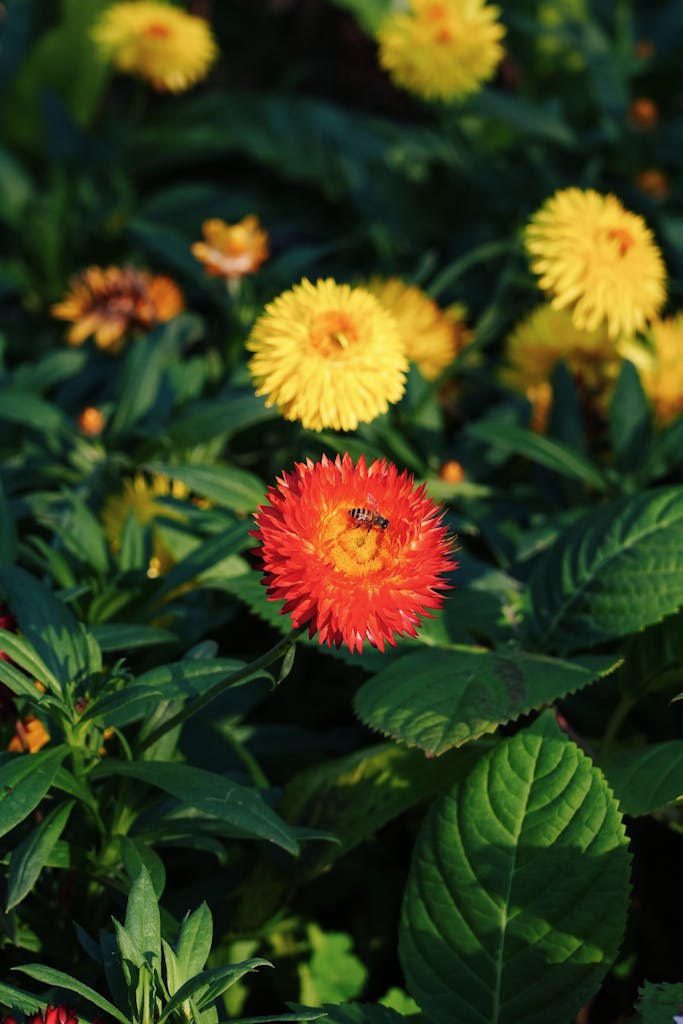
Strawflower deserves more attention because it looks delicate but behaves like a tough little performer. Its papery petals feel almost dried even when fresh, which is why it works so well for bouquets and long-lasting arrangements. Starting strawflower seeds in March gives the plants enough time to develop before the warmer months arrive. They prefer full sun and well-draining soil, so avoid heavy, soggy spots. Once blooming begins, keep cutting the flowers to encourage more growth. Strawflower brings shades of yellow, peach, pink, white, orange, and red, making it perfect for gardeners who want a bright garden with vintage charm.
Statice
Statice is one of those annual flowers that quietly does everything well. It brings color, structure, and a long vase life, making it a favorite for anyone who loves fresh-cut flowers indoors. Start seedlings indoors in March because young plants benefit from steady conditions before moving outside. The blooms grow in airy clusters, adding a soft but noticeable touch to borders and arrangements. Statice prefers full sun and well-drained soil and does not like sitting in wet ground. It’s purple, blue, pink, yellow, and white flowers dry beautifully, so your garden can keep giving even as the growing season slows.
Nicotiana
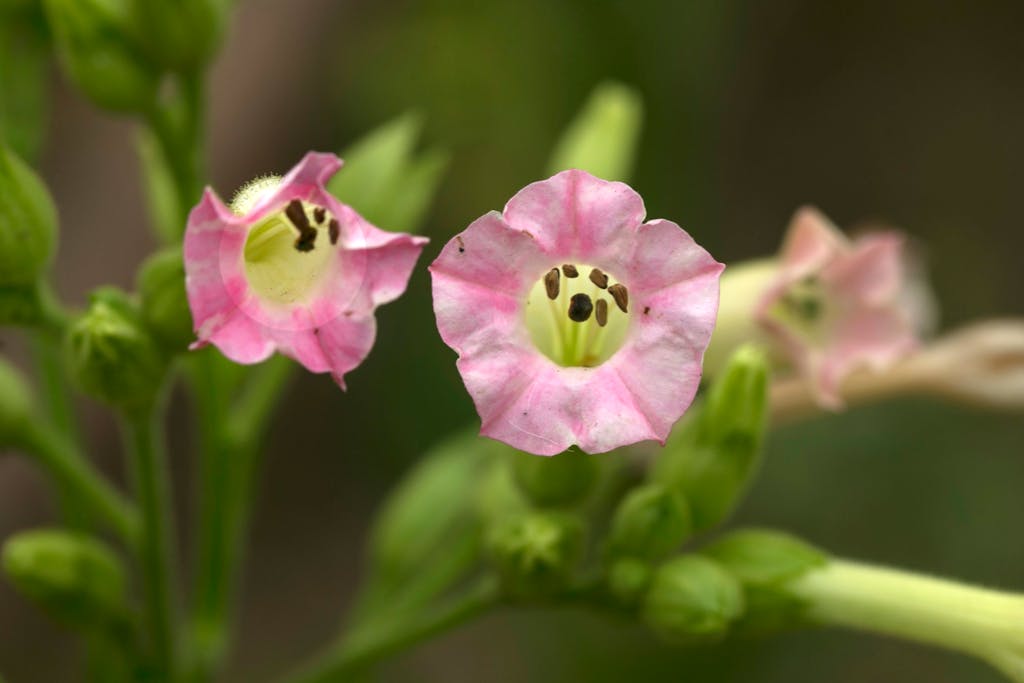
Many flower beds look pretty during the day, but lose their magic in the evening. Nicotiana helps fix that problem. This annual produces star-shaped flowers that can add fragrance and softness to the garden, making it feel calm after sunset. Start Nicotiana seeds indoors in March, as they are tiny and require gentle handling. Press them lightly into the soil surface rather than burying them deeply. Once planted outside, Nicotiana can work in borders, cottage gardens, and patio containers. White varieties glow beautifully at dusk, while pink, lime, and red types add unusual color without looking too loud or messy.
Salpiglossis
Salpiglossis, often called painted tongue, is perfect for gardeners tired of predictable blooms. Its trumpet-shaped flowers often have veining that looks hand-painted, giving each bloom a rich, artistic quality. Start seeds indoors in March because this plant needs time and steady care before it becomes garden-ready. It prefers bright light, moderate moisture, and protection from rough conditions when young. Once blooming, salpiglossis delivers deep purple, gold, red, copper, pink, and cream tones that look expensive in containers and mixed beds. It is not the easiest annual on the list, but the payoff is worth it if you want something different.
Tithonia
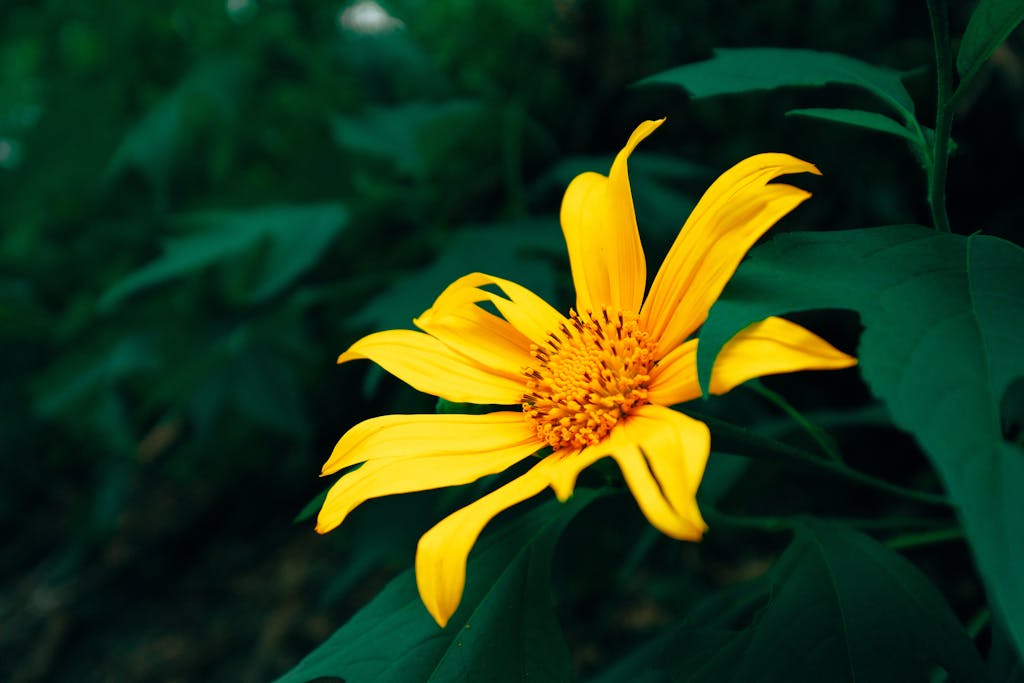
Tithonia, also known as Mexican sunflower, is a bold annual that can bring height, heat, and serious energy to a garden. It is not the same as the common sunflower, and that is exactly why it deserves a place here. Its fiery orange or red-orange blooms attract attention from across the yard and can make plain borders feel alive. Start seeds indoors in March if your growing season is short, or sow directly once the soil is warm. Tithonia loves full sun and does best in soil that is not overly rich. Give it space, because mature plants can become large and dramatic.
Conclusion
Starting annual flower seeds in March is not just about getting ahead. It is about choosing flowers that give your garden personality before the season becomes crowded with the same predictable blooms. Celosia adds drama, gomphrena brings staying power, strawflower gives vintage charm, statice supports bouquets, nicotiana improves evening spaces, salpiglossis adds rare color, and tithonia delivers bold height.
The biggest mistake is waiting until every garden center looks picked over and every common flower has already been put on the shelves. With a few seed trays, a sunny window, and better choices, your garden can look fuller, fresher, and far more intentional by the time warm weather arrives.