Absentee fathers create a silence that children often hear louder than words. The absence may look obvious, such as a father who leaves the household, cuts contact, avoids responsibility, or becomes unknown to the child. It may also look quieter, such as a father who lives in the same home but stays emotionally distant, unavailable, harsh, distracted, or disconnected from the daily life of the child. In both cases, the child may grow up with a painful question sitting in the background: “Why was I not enough for him to show up?”
What Does an Absentee Father Mean?

An absentee father is a father who is physically, emotionally, financially, or psychologically unavailable to his child. Physical absence means the father does not live with the child or rarely spends time with them. Emotional absence means the father may be present in the house but unavailable in the child’s inner world. Financial absence means the father does not consistently contribute to the child’s needs. Psychological absence means the father does not provide security, guidance, affection, attention, or dependable support.
Why Father Involvement Matters in Child Development
Father involvement helps shape a child’s emotional confidence, social behavior, identity, school performance, and sense of safety. A 2025 meta-analysis covering 65 studies, 154,801 children, and 127,081 fathers found significant links between father involvement and young children’s social-emotional competence. The study found that fathers’ positive engagement, warmth, and responsiveness contributed to children’s current and later social-emotional development. ScienceDirect
We should not reduce fathers to disciplinarians or providers. Healthy fatherhood includes affection, boundaries, patience, play, moral guidance, protection, conversation, and repair after conflict. A father who reads bedtime stories, checks homework, teaches responsibility, apologizes after losing his temper, and shows affection gives a child a working model of love with strength. That model often follows the child into friendships, school, dating, work, parenting, and self-worth.
The Emotional Impact of Absentee Fathers on Children
Children with absentee fathers may struggle with rejection, sadness, anger, shame, confusion, and self-blame. Many do not simply think, “My father left.” They think, “My father left me.” That small difference can become a heavy emotional wound. A child may wonder if they were too difficult, too boring, too weak, too needy, or too unlovable. Even when adults explain the real reasons, the child’s heart may still personalize the absence.
This emotional wound can show up in different ways. Some children become quiet, guarded, and overly independent. Others become angry, rebellious, or desperate for attention. Some become perfectionists because they believe achievement might finally make them worthy of love. Others avoid deep attachment because they fear people will leave. We often see father absence echo through confidence, mood, trust, and emotional regulation long after childhood ends.
Low Self-Esteem and the Search for Approval
One of the most painful effects of an absent father is the damage it can do to self-worth. A child may grow up feeling replaceable, unwanted, or emotionally invisible. They may compare themselves to children whose fathers attend school events, coach teams, or post proud messages online. That comparison can quietly build resentment and insecurity.
In adolescence, this hunger for approval may become more visible. Some teens chase validation through popularity, romantic attention, risky behavior, online image, or constant achievement. Others become emotionally numb and pretend they do not care. Underneath both patterns, the same wound may exist: a child wanted steady love from a father and learned to survive without it.
Abandonment Issues and Fear of Rejection
A father’s absence can teach children to expect emotional loss. When a father repeatedly breaks promises, cancels visits, disappears, or appears only when convenient, the child may begin to believe relationships are unstable by nature. This can create fear of rejection, anxious attachment, jealousy, emotional withdrawal, or difficulty trusting people.
As adults, some people raised by absentee fathers may cling tightly to partners and friends because distance feels dangerous. Others may leave relationships early because closeness feels unsafe. Some may test people repeatedly to see if they will stay. These behaviors are often misunderstood as drama or coldness, but they can begin as survival strategies formed in childhood.
How Absentee Fathers Affect School Performance
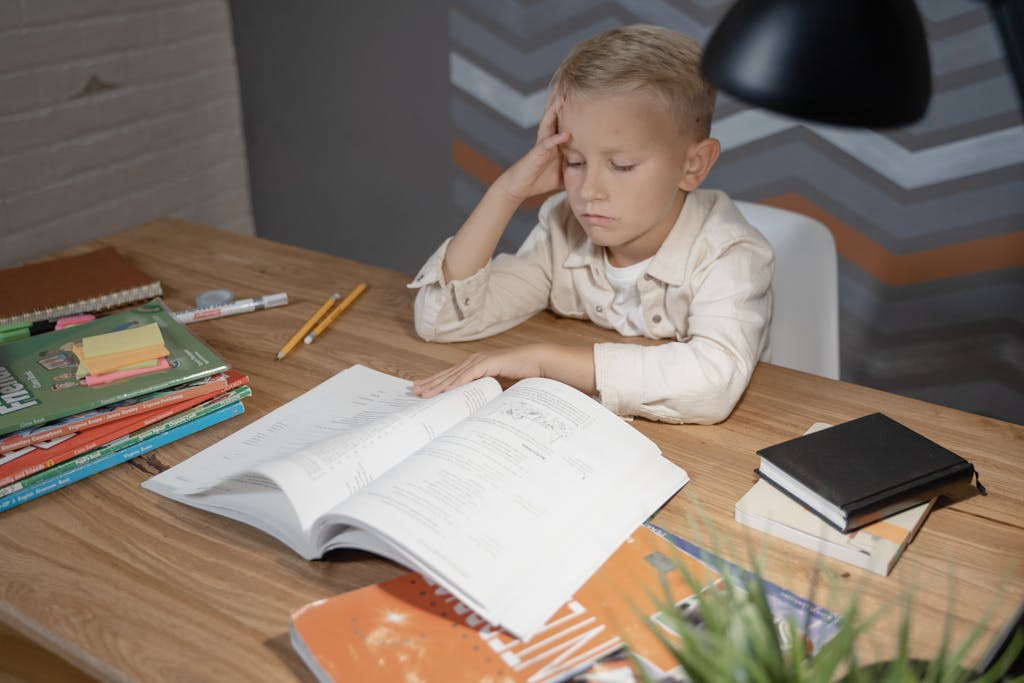
Father’s absence can influence education through emotional stress, reduced supervision, financial strain, and less academic support at home. A father does not need to be a scholar to support learning. He can ask about assignments, set routines, attend conferences, celebrate effort, read with the child, or make school feel important. Those repeated actions tell a child that learning matters and that someone is paying attention.
Research supports the connection between father involvement and education. A meta-analysis of 66 studies found that father involvement had a statistically significant positive association with educational outcomes among urban school children, with positive effects found across White and minority children. eric.ed.gov Another meta-analysis found a statistically significant positive correlation between fathers’ involvement and children’s academic performance.
Classroom Behavior, Discipline, and Motivation
Children dealing with father absence may bring emotional weight into the classroom. They may struggle with focus, anger, sadness, authority, or motivation. A child who feels rejected at home may act out at school because negative attention still feels like attention. Another child may stop trying because they believe success will not change the emptiness they feel.
This does not mean every child with an absent father performs poorly. Many excel because school becomes a safe place, an escape, or a path toward control. Still, we have to recognize how emotional instability at home can affect concentration, attendance, discipline, and confidence. Teachers often see the behavior first, but the real story may be hidden underneath.
Risk Behaviors and the Need for Parental Monitoring
Father absence can increase vulnerability when it reduces supervision, communication, and emotional connection. The CDC’s 2021 Youth Risk Behavior Survey found that 86.4% of high school students reported high parental monitoring, meaning parents or other adults in the family knew where they were going and who they were with all or most of the time. Students who reported high parental monitoring had more positive health outcomes, including fewer sexual risk behaviors, less substance use, fewer experiences of violence, fewer mental health challenges, and fewer suicide attempts. CDC
Financial Hardship in Father-Absent Homes

One of the clearest consequences of father absence is financial pressure. When one parent carries rent, food, school supplies, healthcare, transport, childcare, clothing, and emergencies alone, the household often has less room to breathe. Money stress can affect where a child lives, what school they attend, what activities they join, how often they see a doctor, and how secure the home feels.
Financial hardship is not just about income. It is about time. A single parent may work longer hours, take extra shifts, or juggle multiple jobs. That can leave less time for homework help, rest, emotional connection, and supervision. A child may admire the sacrifice but still feel lonely. We need to hold both truths at once: many single mothers and caregivers are doing extraordinary work, and absent fathers often leave families carrying unfair pressure.
Emotional Absence Inside the Home
A father can be physically present and emotionally absent. He may pay bills, fix things, work hard, and still never ask a child how they feel. He may believe provision is love, silence is strength, and discipline is connection. In many families, fathers repeat what they saw from their own fathers. They may not know how to show affection because no one showed it to them.
This form of absentee fatherhood is easy to dismiss because outsiders see a two-parent home. Yet the child may still feel unseen. They may have food, clothes, and shelter, but no emotional access to their father. They may fear him more than they trust him. They may respect his labor but ache for his attention. A father’s body in the house does not automatically mean his heart is available.
Absentee Fathers and Mental Health
Father absence can become one part of a larger emotional risk picture. Children and teenagers today already face pressure from social media, school stress, violence exposure, economic uncertainty, discrimination, and loneliness. The CDC’s 2023 Youth Risk Behavior Survey reported that 40% of students had persistent feelings of sadness or hopelessness, down from 42% in 2021, while female and Hispanic students showed some improvements across several mental health indicators. CDC
When a child lacks a dependable father relationship, mental health struggles may become harder to manage. A caring father can help a child name feelings, solve problems, seek help, and feel protected. His absence can leave the child with fewer emotional tools. We should never claim that father absence alone causes depression, anxiety, or suicidal thoughts. Life is more complex than that. Still, father involvement can be a protective factor in a child’s emotional ecosystem.
The Impact on Boys Searching for Manhood
Boys without involved fathers may search for manhood in whatever model is closest. That model may come from a coach, uncle, grandfather, teacher, neighbor, older cousin, pastor, employer, or mentor. It may also come from social media personalities, gangs, celebrities, or peers who confuse masculinity with aggression, emotional coldness, sexual conquest, or money.
We cannot assume boys need fathers only for discipline. Boys need tenderness from men, too. They need to see that a man can be strong without being cruel, protective without being controlling, confident without humiliating others, and emotional without being weak. When a father is absent, positive male mentorship can help fill part of the gap, but it works best when it is consistent and rooted in trust.
The Impact on Girls and Future Relationships
Girls with absent fathers may also carry deep questions about worth, safety, and love. Some may become overly cautious around men. Others may accept poor treatment because inconsistent attention feels familiar. Some may seek older partners, unavailable partners, or emotionally distant partners because the pattern echoes childhood. Others may become fiercely independent and avoid vulnerability altogether.
We should not turn this into a stereotype. Many women raised without fathers develop strong boundaries, confidence, wisdom, and emotional intelligence. Still, the father wound can shape how a girl learns to receive affection, evaluate respect, and set standards. A present, loving father can help normalize healthy attention. When he is absent, other trusted adults must be intentional about teaching dignity, boundaries, and self-respect.
Father Absence, Anger, and Behavior Problems

Anger is one of the most common masks for grief. A child may not have the words to say, “I miss my father,” or “I feel rejected.” Instead, they may slam doors, fight, talk back, withdraw, break rules, or become difficult at school. Adults may respond only to the behavior and miss the pain behind it.
Children need discipline, but they also need interpretation. We have to ask what the behavior is protecting. Is the child angry because they feel abandoned? Are they testing whether adults will stay? Are they copying a father’s emotional distance? Are they ashamed of wanting someone who keeps disappointing them? When we answer those questions, discipline becomes more than punishment. It becomes guidance.
Protective Factors That Help Children With Absentee Fathers
Father’s absence can hurt, but it does not have to define a child’s future. Protective relationships can soften the damage. A loving mother, grandparent, uncle, aunt, teacher, coach, mentor, counselor, older sibling, or community leader can help a child feel seen and supported. The key is consistency. Children need adults who keep promises, show up repeatedly, and make them feel safe.
Routines also help. Stable meals, bedtime patterns, homework time, school involvement, spiritual community, sports, arts, counseling, and honest conversation can give children structure when one parent is missing. We should not pretend these supports replace a father completely. They do not erase the wound. But they can give the child tools, language, confidence, and belonging.
Conclusion
The impact of absentee fathers is not just a private family issue. It reaches into classrooms, friendships, mental health, dating patterns, community safety, poverty, and the way children learn to see themselves. A father’s absence can leave a child carrying questions they never deserved to carry. A father’s presence, when healthy and consistent, can give a child confidence, guidance, emotional safety, and a stronger foundation for life.