Healthy eating should not feel like solving a puzzle with half the pieces missing. Yet that is exactly what many nutrition myths do. They take simple food choices and turn them into fear, guilt, and confusion. We are told carbs are dangerous, fat makes us gain weight, gluten is bad for everyone, detox drinks cleanse the body, and eating after dinner ruins progress overnight. The truth is far more balanced.
Good nutrition is not built around one miracle food, one forbidden ingredient, or one perfect diet plan. It comes from patterns we can repeat: more whole foods, more fiber, enough protein, smart fats, fewer ultra-processed foods, less added sugar, and reasonable portions. The Dietary Guidelines for Americans recommend limiting added sugars, saturated fat, and sodium, while building meals around nutrient-dense foods across food groups.
Healthy Eating is Too Expensive

Many believe that eating healthy is too expensive, but it’s possible to eat well on a budget with some planning. By shopping seasonally, taking advantage of sales, and purchasing staples like beans, rice, and frozen vegetables, you can save money while still nourishing your body.
Buying in bulk, creating a shopping list, and cooking in batches can help stretch your grocery dollars. While fresh produce is often ideal, frozen and canned alternatives can offer similar nutrients at a lower price. The key is to focus on nutrient-dense foods rather than expensive processed options.
Fresh Produce Beats Frozen or Canned
Fresh produce is often considered superior to frozen or canned, but that’s not always the case. Frozen fruits and vegetables can be just as nutritious as fresh ones, and sometimes even more so because they are picked at their peak ripeness and frozen immediately.
Canned vegetables, when purchased with no added salt or sugar, can also be a convenient and affordable option. The nutritional value of fresh, frozen, and canned produce largely depends on how it’s handled and stored. Don’t discount frozen or canned options; they can be an excellent addition to a healthy diet.
Certain Foods Burn Fat
There is no magical food that can burn fat on its own. While foods like grapefruit, cayenne pepper, and apple cider vinegar may slightly boost metabolism or suppress appetite, they do not lead to significant fat loss.
Any weight loss associated with these foods is likely due to an overall calorie deficit. Sustainable fat loss comes from a balanced diet, exercise, and lifestyle changes, not from relying on specific “fat-burning” foods. It’s important to focus on overall healthy habits rather than looking for quick fixes.
Everyone Should Follow a Gluten-Free Diet
Unless you have celiac disease or a sensitivity to gluten, there is no need to avoid gluten. Gluten is a protein found in wheat, barley, and rye, but many whole grains that contain gluten, such as whole wheat, are also rich in fiber and essential nutrients.
Gluten-free products often contain added sugars or refined starches to replace the gluten, which may not be any healthier. A gluten-free diet should only be followed for medical reasons, not because it’s a trend. Whole grains that contain gluten can contribute significantly to a balanced and nutritious diet.
Natural Sugars Are Healthier Than Refined Sugar
Many people believe that unrefined sugars like honey, maple syrup, and coconut sugar are healthier alternatives to white sugar. While these natural sugars may contain small amounts of vitamins or minerals, they still contribute to your daily added sugar intake.
The body processes all sugars similarly, whether they are refined or natural. It’s important to remember that any added sugar, regardless of its source, should be limited in the diet. Choosing whole fruits instead of sweetened products can provide sweetness without the negative health effects of added sugars.
Fat Causes Weight Gain
The fear of fat causing weight gain is based on outdated beliefs. Fat plays an essential role in our bodies by protecting organs, supporting cellular function, and aiding the absorption of vitamins. While fat is calorie-dense, it doesn’t inherently cause weight gain; total calorie intake and food quality matter more.
Healthy fats, such as those found in avocados, nuts, seeds, and olive oil, support heart health and keep you full longer. Avoiding all fats is unnecessary, but choosing healthy fats in moderation is key to a balanced diet.
Carbs Are Bad for Weight Loss
Carbohydrates, especially refined ones, are often blamed for weight gain. However, carbohydrates are not inherently bad and are a vital part of a balanced diet. Whole grains, fruits, vegetables, and legumes provide essential nutrients and fiber, which help with digestion and satiety.
It’s not the carbohydrates themselves, but the types and portions, that matter. Avoiding highly processed carbs, like sugary snacks and white bread, is a better approach than cutting carbs entirely.
Detox Diets Cleanse the Body
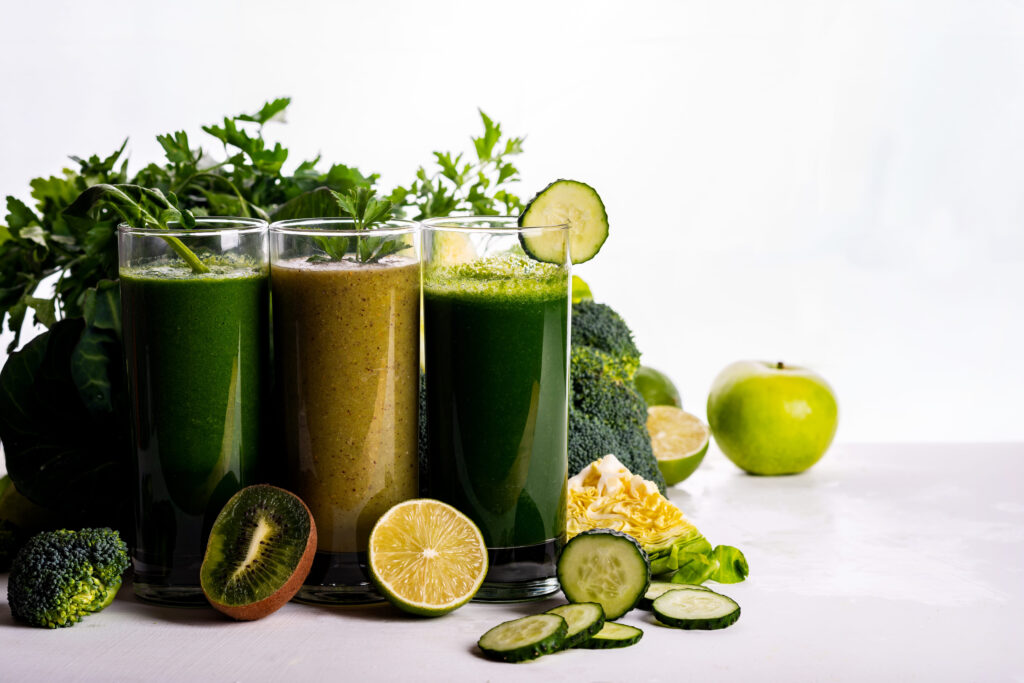
Detox diets promise to cleanse the body of toxins, but there is little evidence that they do anything more than deprive you of essential nutrients. The body’s natural detox systems, including the liver, kidneys, and digestive tract, remove waste without the need for extreme diets or supplements.
Instead of relying on detox programs, focus on drinking water, eating whole foods, and reducing processed foods for a more sustainable approach. Detoxing is a natural process your body handles every day, no juice cleanse required.
Eating After 7 P.M. Causes Weight Gain
Eating after 7 p.m. doesn’t automatically lead to weight gain. Weight gain happens when overall calorie intake exceeds the body’s energy needs, not just because of the timing of meals. Late-night eating can become problematic if it’s driven by habit, stress, or boredom rather than actual hunger.
It’s important to eat balanced meals throughout the day and make mindful choices in the evening. Eating when you’re hungry, not just because the clock says it’s time, is key to maintaining a healthy weight.
The Best Way to Decrease Sodium is to Stop Using the Salt Shaker
While cutting back on salt at the table is a good first step, most of the sodium we consume comes from processed and packaged foods, not the salt shaker. Foods like bread, deli meats, canned soups, and restaurant meals often contain high levels of sodium.
To effectively reduce sodium, focus on eating more fresh, home-cooked meals and reading nutrition labels. Opt for herbs, spices, and other seasonings to add flavor without extra salt. Reducing sodium requires a broader approach than just avoiding the salt shaker.
Low-Fat or Fat-Free Products Are Healthier Choices
Low-fat or fat-free products may seem like healthier options, but they often contain added sugar or salt to compensate for the loss of flavor. While reducing unhealthy fats can be beneficial for some, fat-free products are not automatically better for your health.
Some fat-free items can actually increase your overall calorie intake if they’re packed with additives to make up for the lack of fat. The key is to choose whole foods, such as fruits, vegetables, lean proteins, and healthy fats, and to be mindful of portion sizes. Don’t be fooled by labels; always check the nutrition facts.
Supplements Can Replace a Healthy Diet
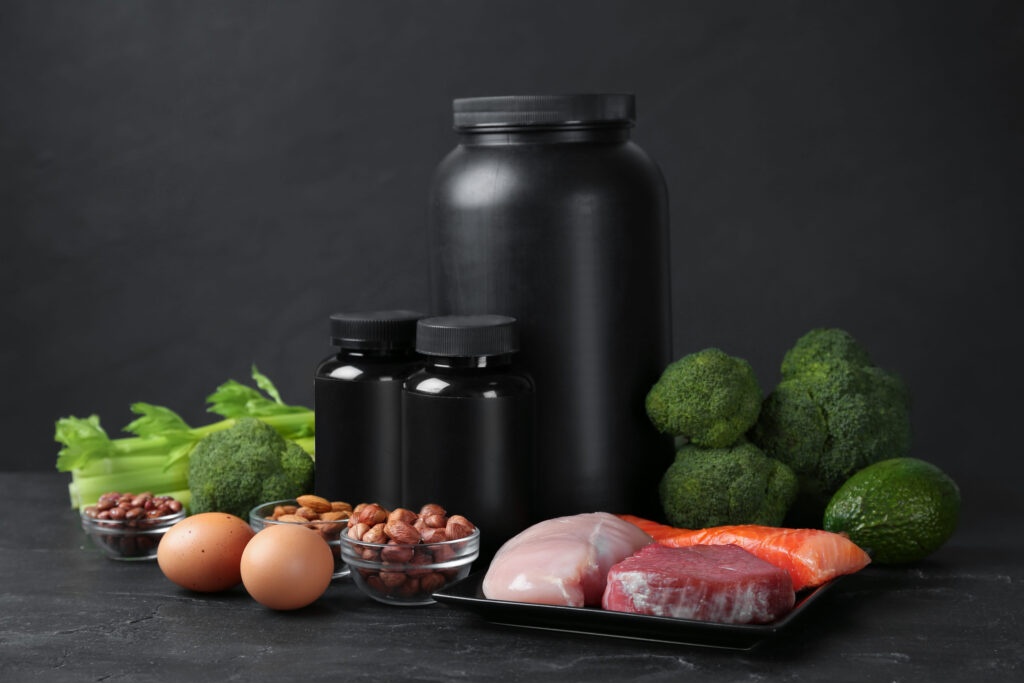
While supplements can be useful for addressing specific deficiencies, they cannot replace a healthy, balanced diet. Supplements lack the fiber, water, and other nutrients found in whole foods that work synergistically to support health.
A diet rich in fruits, vegetables, whole grains, lean proteins, and healthy fats provides the necessary nutrients for optimal health. Relying on supplements alone may lead to nutrient imbalances. For the best results, aim to get most of your vitamins and minerals from whole foods, and use supplements only as needed to fill any gaps.