Cheap meal hacks can feel like a lifesaver when groceries are expensive, paychecks are stretched, and dinner still has to appear on the table. There is nothing wrong with eating on a budget. A smart budget meal can be filling, balanced, and genuinely good for your body. Beans, eggs, oats, rice, frozen vegetables, canned fish, potatoes, and lentils have carried families through tight seasons for generations.
The problem starts when “cheap” becomes code for meals built mostly on salt, sugar, refined carbs, processed meat, and almost no fiber or real nutrients. Your body may feel full for an hour, but it can still be underfed where it matters. Over time, these habits can affect your energy, digestion, heart health, mood, and cravings. The American Heart Association notes that most sodium in the American diet comes from packaged, prepared, and restaurant foods, not the salt shaker, which is exactly where many cheap shortcuts live.
This is not about food shaming. It is about knowing which budget tricks are secretly costing your body more than they save your wallet. If you want to eat affordably without feeling sluggish, bloated, hungry, or constantly drained, these are the cheap meal hacks worth rethinking.
Living on Instant Noodles and Calling It Dinner
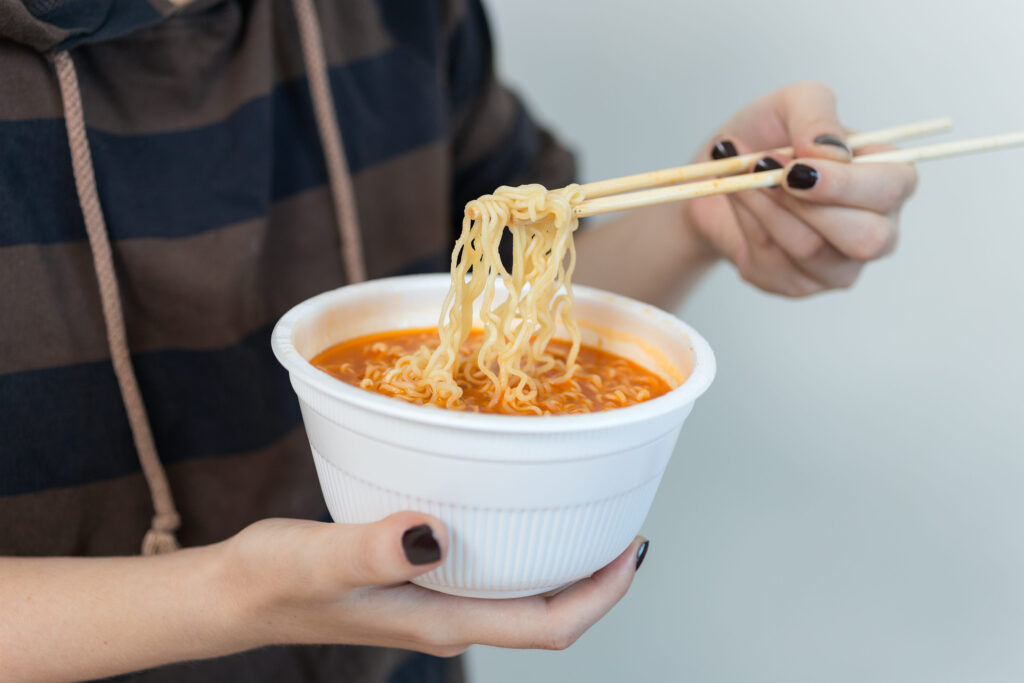
Instant noodles are cheap, fast, warm, and comforting, which explains why so many people reach for them when money is tight. The issue is that a plain packet of noodles is usually high in refined carbs and sodium but low in protein, fiber, and vegetables. That means it may fill your stomach quickly, yet leave your body without the steady fuel it needs to keep you satisfied.
The real damage often comes from the seasoning packet. One quick bowl can push your sodium intake higher than you realize, especially if you eat it several times a week or add salty sauces. The American Heart Association recommends no more than 2,300 milligrams of sodium per day, with an ideal limit of 1,500 milligrams for most adults. A better hack is to use half the seasoning, add an egg or canned tuna, toss in frozen peas, spinach, cabbage, or carrots, and turn that cheap packet into a fuller meal.
Stretching Every Meal With White Bread, White Rice, or Plain Pasta
Carbs are not the enemy. Rice, bread, pasta, potatoes, and grains can absolutely be part of a healthy diet. The problem is relying on refined carbs as the main event every single time because they are cheap and easy. A plate of plain white rice with a tiny spoon of sauce may be affordable, but it will not keep most people full for long.
Refined carbs digest faster than whole grains and high-fiber foods, so they can leave you hungry again sooner. When this becomes your regular pattern, you may end up snacking more, craving sugar, and feeling like you are eating all day without feeling truly nourished. Fiber-rich foods such as oats, whole grains, lentils, beans, fruits, and vegetables support digestion and help meals feel more satisfying. The National Institute of Diabetes and Digestive and Kidney Diseases lists whole grains, legumes, fruits, and vegetables as good sources of fiber for digestive health. A smarter budget move is to mix white rice with beans, lentils, cabbage, eggs, or frozen vegetables to make the meal more filling.
Buying the Cheapest Processed Meat for Protein
Hot dogs, sausages, bologna, bacon ends, deli slices, and budget frozen meat patties can feel like easy protein wins. They cook quickly, taste good, and can stretch across several meals. But using processed meat as your main protein source too often can quietly turn your meals into sodium-heavy, saturated-fat-heavy plates.
Processed meats are also easy to overeat because they are salty, flavorful, and convenient. You may start with one sausage and end up building the whole meal around it. That does not mean you must give up every sausage forever, but it does mean your body deserves better everyday protein. Cheap options like eggs, beans, lentils, canned sardines, canned tuna, plain yogurt, tofu, chickpeas, and peanut butter can give you protein without depending so heavily on processed meats. USDA MyPlate also highlights budget-friendly staples like canned or dried beans, whole grains, and frozen vegetables as smart foods to buy in larger quantities because they store well.
Skipping Vegetables Because They Seem Too Expensive
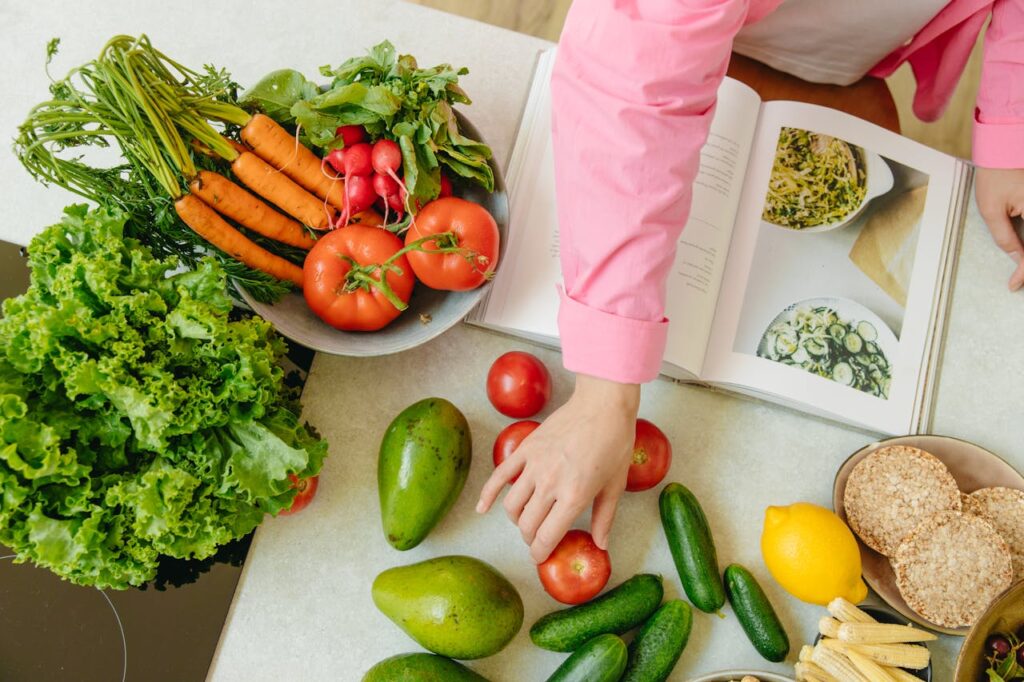
One of the most common cheap meal hacks is cutting vegetables first. People assume vegetables are optional, especially when they are trying to stretch rice, noodles, bread, or pasta. The problem is that vegetables are not just decoration on the plate. They provide fiber, vitamins, minerals, antioxidants, water, and volume, helping meals feel fuller and more balanced.
Fresh produce can be expensive, especially when it spoils before you use it. But vegetables do not have to be fancy, organic, or Instagram-worthy to count. Frozen vegetables, cabbage, carrots, onions, canned tomatoes, spinach, green peas, pumpkin, and seasonal produce can be affordable and useful in many meals. USDA MyPlate recommends saving money by buying foods that store well, including frozen vegetables, canned beans, dried beans, and whole grains. The better hack is not skipping vegetables. It is buying the kind you can actually afford, cook easily, and use before they go bad.
Drinking Sugary Beverages Because They Feel Like Cheap Energy
A sweet drink can feel like a quick lift when you are tired, hungry, or rushing through the day. Soda, sweet tea, flavored juice drinks, energy drinks, and sweetened coffees are often cheaper and more available than a balanced snack. The problem is that liquid sugar can add a lot of calories without making you feel full like solid foods do.
This habit can also train your body to expect sweetness throughout the day. You may feel a quick burst of energy, then a crash, then another craving. The FDA notes that the Dietary Guidelines for Americans recommend limiting added sugars to less than 10% of total daily calories. For a 2,000-calorie diet, that equals about 50 grams of added sugar per day . If you want a cheaper and kinder option, try water with lemon, unsweetened tea, homemade iced tea with less sugar, or fruit eaten whole rather than as juice. Whole fruit gives you sweetness with fiber, which is a better deal for your body.
Using Sauce Packets and Seasonings to Make Every Cheap Meal Taste Better
A little seasoning can rescue a bland meal. The trouble starts when every cheap dish depends on salty bouillon cubes, packaged spice mixes, instant gravy, soy sauce, ketchup, barbecue sauce, and creamy bottled dressings. These extras may seem small, but they can add a surprising amount of sodium and sugar to meals that already come from packaged foods.
This is how a simple bowl of rice, noodles, or potatoes becomes a sodium bomb without looking like one. Your taste buds may enjoy it, but your body has to process the load. High sodium intake is closely tied to blood pressure concerns, and the American Heart Association says cutting back by even 1,000 milligrams a day can improve blood pressure and heart health. You do not need flavorless food to eat well. Garlic, onions, ginger, chili, vinegar, lemon, herbs, curry powder, paprika, and homemade tomato sauce can bring bold flavor without turning every plate into a salt trap.
Turning Leftovers Into Fried Food Every Time
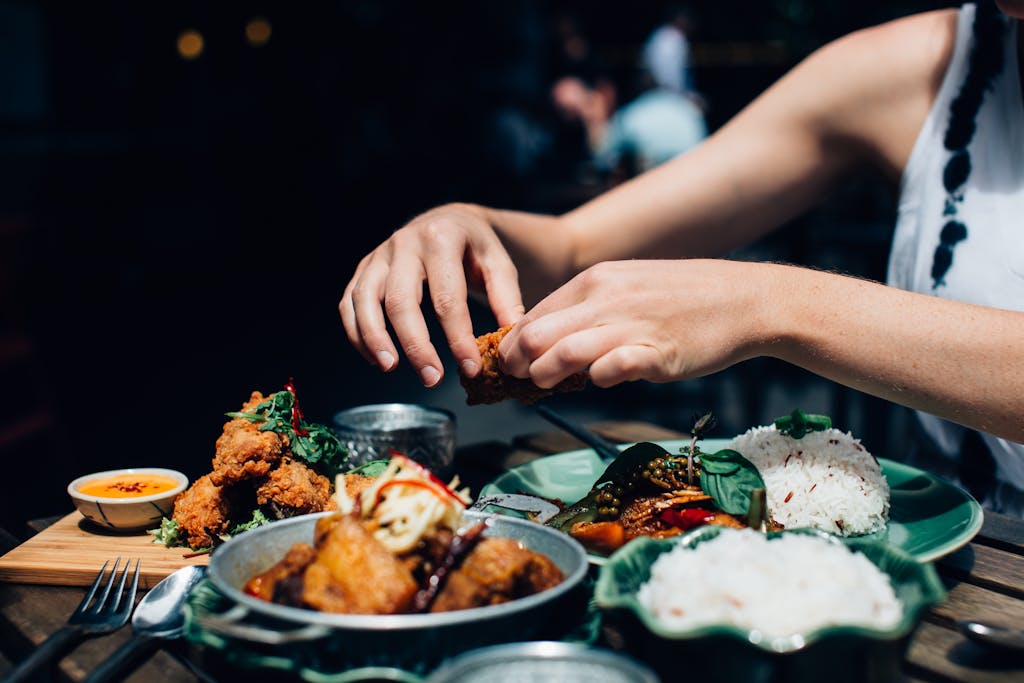
Leftovers are one of the best budget tools in any kitchen. Yesterday’s rice can be used to make fried rice. Old bread can become toast. Cooked potatoes can become hash. The issue is turning every leftover into something fried because it feels faster, tastier, and less boring. A little oil is fine, but deep-frying or pan-frying leftovers every day can make meals heavier than they need to be.
Fried leftovers can also hide how much oil, salt, and sauce you are using. A simple leftover meal can become a greasy plate that leaves you sleepy and uncomfortable. Instead of frying everything, rotate your methods. Turn leftover rice into a vegetable rice bowl with eggs. Add leftover chicken to the soup. Use leftover beans in a wrap. Roast potatoes instead of frying them. Warm vegetables into a stew. The goal is not to make budget food joyless. The goal is to stop making oil the main ingredient.
Eating One Huge Meal a Day to Save Money
Some people skip breakfast and lunch because they think eating once a day saves money. On paper, it sounds logical. In real life, it often backfires. By the time you finally eat, you may be so hungry that you reach for the fastest, saltiest, most filling food available. That can lead to overeating, poor digestion, and late-night heaviness.
Your body needs steady fuel, especially if you work long hours, study, care for children, exercise, or spend the day on your feet. Eating one large meal may leave you tired in the morning, irritable in the afternoon, and overly full at night. A better cheap meal hack is to keep small, low-cost options available. Oats, boiled eggs, bananas, peanut butter toast, yogurt, roasted peanuts, leftover beans, or a simple rice-and-egg bowl can help you avoid the hunger spiral. You do not need expensive meal prep containers or fancy recipes. You need reliable food that keeps your body from running on fumes.
Choosing Ultra-Processed “Value Meals” Over Basic Staples
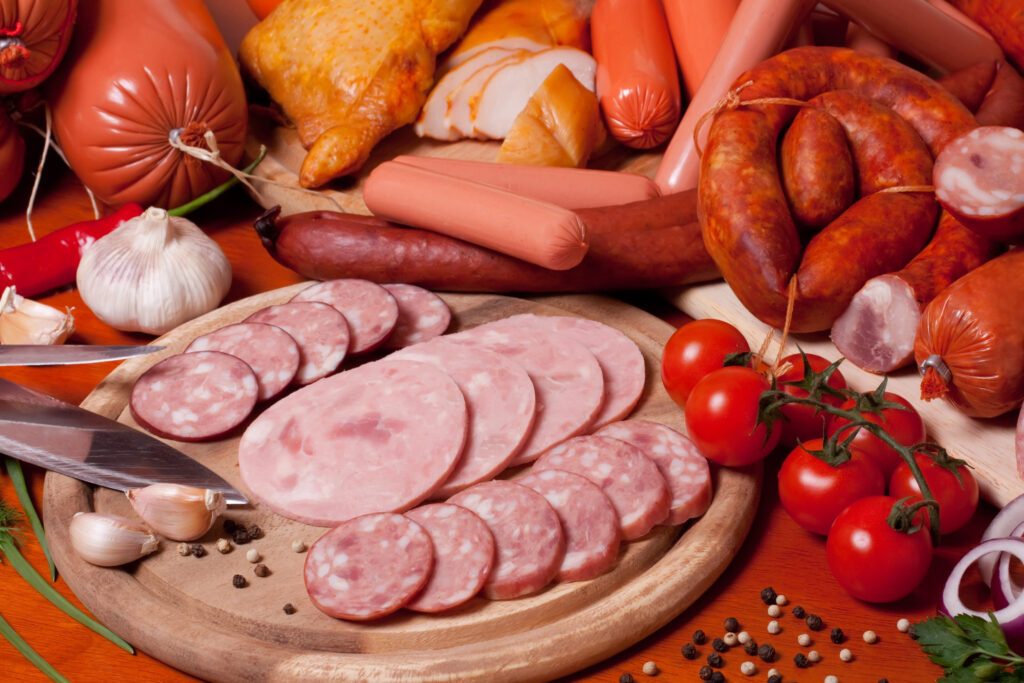
Ultra-processed foods are often built for convenience, strong flavor, long shelf life, and low effort. Think packaged snacks, sugary cereals, frozen meals, instant desserts, processed meats, boxed meals, and many fast-food value items. They may look cheap at the register, but they can be expensive for your health when they become your main diet.
A major 2024 umbrella review published in The BMJ linked greater exposure to ultra-processed foods with higher risks of several adverse health outcomes, especially cardiometabolic problems, common mental health disorders, and mortality outcomes. Harvard Health also summarized evidence tying diets rich in ultra-processed foods to increased risks of premature death, cardiovascular disease, diabetes, obesity, sleep problems, and mental health disorders. The better budget strategy is to build meals around basic staples most of the time. Rice, oats, beans, lentils, eggs, potatoes, frozen vegetables, canned tomatoes, cabbage, and affordable proteins may look less exciting, but they give your body more of what it actually needs.
Thinking Cheap Means You Cannot Eat Well
This may be the most harmful cheap meal hack of all. Once you believe healthy eating is only for people with big grocery budgets, you stop looking for realistic options. You settle for whatever is fastest, saltiest, sweetest, or most processed because you assume better food is out of reach. That mindset can trap you.
Healthy budget eating does not have to mean salmon, quinoa, almond butter, organic berries, and expensive supplements. It can mean beans and rice with cabbage. Eggs with potatoes and tomatoes. Oats with banana and peanuts. Lentil stew with carrots. Tuna with whole-grain toast. Peanut stew with vegetables. Frozen mixed vegetables added to noodles. These meals are not glamorous, but they are practical, filling, and much kinder to your body than many cheap shortcuts.
The smartest cheap meal hacks are the ones that stretch money and protect your health at the same time. That means choosing more fiber, more protein, more whole foods, less added sugar, less sodium, and fewer ultra-processed foods when possible. You do not need to eat perfectly. You just need to stop letting convenience make every decision for you.
Conclusion
Cheap meal hacks are not automatically bad. Some of the healthiest meals in the world are built from humble, low-cost ingredients. The real problem is when cheap eating becomes a routine of instant noodles, processed meat, sugary drinks, salty sauces, fried leftovers, refined carbs, and ultra-processed value foods with very little fiber, protein, or fresh ingredients.
Your body can handle the occasional shortcut. What hurts is repetition. One packet of noodles will not ruin your health, but living on salty, low-nutrient meals can leave you tired, bloated, hungry, and undernourished over time. The goal is not to shame your grocery budget. The goal is to make your budget work harder for you.
Real budget eating should help you survive the week without punishing your body. Start small. Add beans to rice. Add frozen vegetables to noodles. Swap one soda for water. Use half the seasoning packet. Keep eggs, oats, lentils, cabbage, potatoes, or canned fish on hand when you can. These little changes may not look dramatic, but they can turn cheap meals into meals that actually support you. The best food hack is not the one that costs the least today. It is the one your body can thank you for tomorrow.