
Homeownership is an investment that requires constant attention. It’s easy to fall into the trap of DIY repairs or hiring the cheapest handyman to fix things quickly, especially when budgets are tight. But this approach can often lead to frustration, increased costs, and problems that resurface faster than expected. Some repairs are deceptively simple but can become more complicated and costly when done incorrectly. Over time, this “fix-it-again” cycle can seriously drain your wallet.
As a homeowner, the last thing you want is to pay for the same repair twice because it wasn’t handled the first time. Here are seven common household repairs that homeowners frequently get wrong, leading to double the costs and double the headaches.
Plumbing Leaks
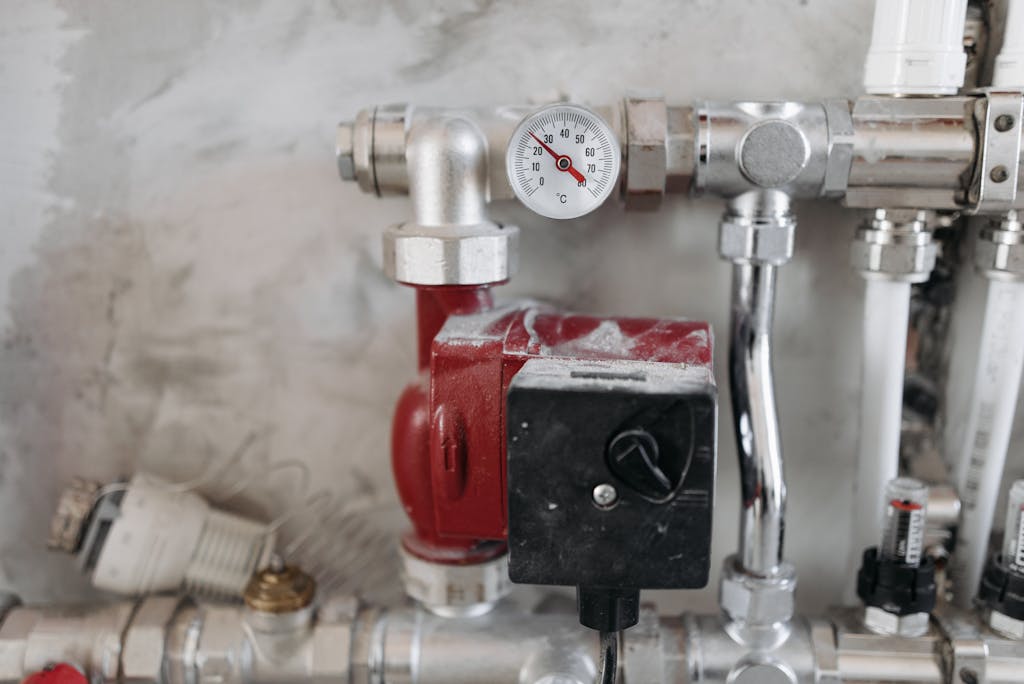
Leaking pipes are among the most common plumbing issues that homeowners face. Whether it’s a small drip or a major leak, the impulse is often to grab a quick fix, pipe tape, epoxy putty, or sealant, hoping it will hold until the next big project. However, these are only temporary solutions and don’t address the underlying problem.
If you ignore a leaky pipe or ductwork issue and cover it up instead of replacing worn-out parts, you’re setting yourself up for bigger, costlier problems down the road. Leaks that are simply sealed or patched may return, causing even more water damage and potentially more expensive repairs.
To truly fix a leak, a professional plumber should inspect the pipes and replace any damaged or corroded sections. While a temporary fix might buy you some time, investing in a full repair now can prevent you from having to pay for the same problem again later.
Drywall
Drywall damage, whether from water leaks, accidents, or settling, seems like an easy fix. Homeowners often grab a roll of tape and a tub of spackle, patching up holes and cracks without addressing the underlying cause. The problem is that these are only surface fixes. If you don’t address the root cause of the damage, such as a plumbing issue or structural shifting, the problem will likely reappear.
For example, if you patch up a water-damaged wall without fixing the plumbing leak behind it, the wall will get wet again, and you’ll be right back to square one. Likewise, if the wall is cracking due to foundation issues, simply patching the crack won’t fix the problem, and could cause the wall to shift and crack again soon after.
Instead of just patching up holes and cracks, make sure to diagnose and fix the cause of the damage. Calling a professional to inspect the area and address the issue thoroughly will prevent you from making repairs that don’t last.
Electrical Problems
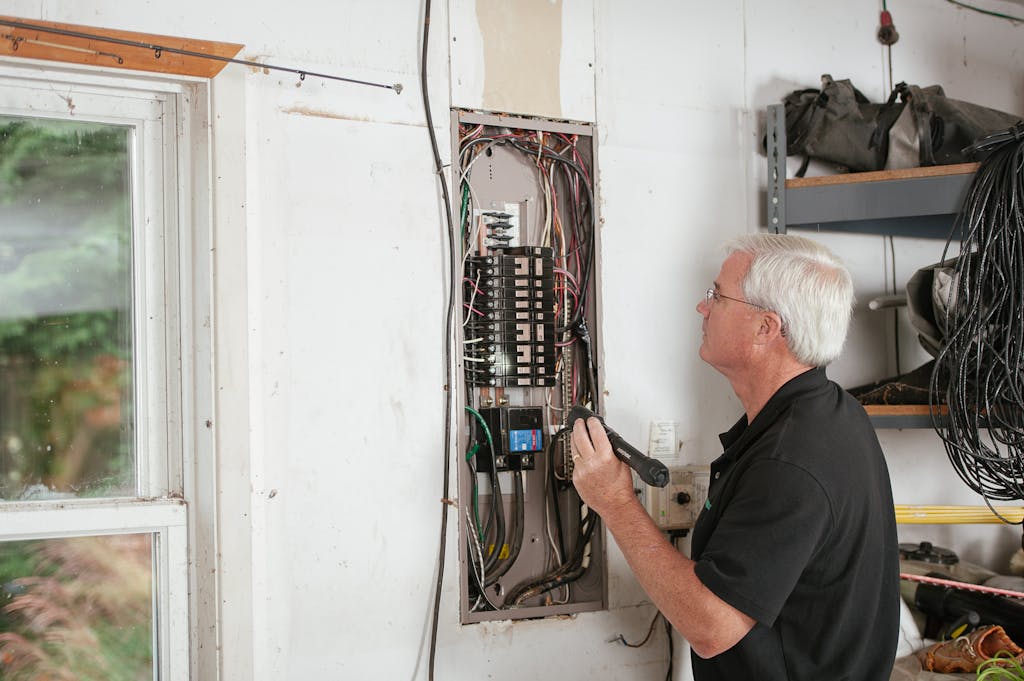
Electrical issues are among the riskiest home repairs to tackle without professional help. Many homeowners are tempted to fix electrical problems themselves, whether it’s replacing a light switch, fixing a faulty outlet, or rewiring the system. But DIY electrical repairs are dangerous and rarely comply with building codes, posing potential fire hazards, electrocution risks, or even more serious structural damage.
What often happens is that the homeowner makes the repair, only to find out later that the work was done incorrectly or didn’t meet local safety codes. When an inspector or licensed electrician is eventually called in, they’ll need to redo the entire job, costing you twice as much.
For safety and long-term savings, electrical issues should always be handled by a licensed electrician. It’s tempting to cut costs by doing it yourself, but paying for proper repairs the first time ensures you don’t end up footing the bill again to redo the work.
HVAC Systems
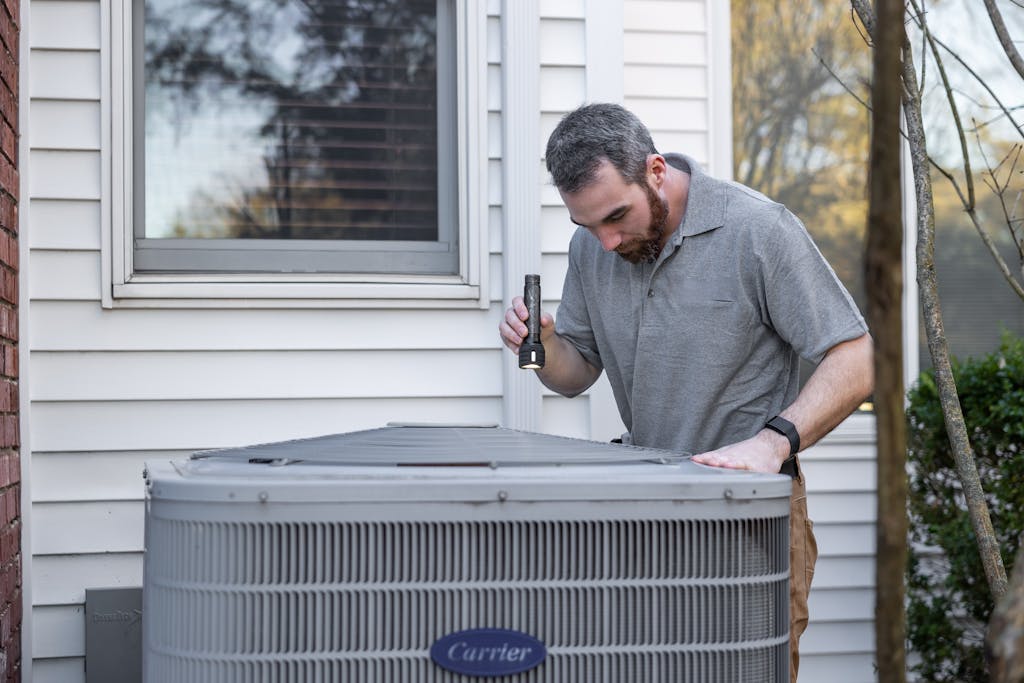
Heating and cooling systems are critical to your home’s comfort, yet they’re often repaired without a complete system check. A broken furnace or air conditioner may prompt homeowners to replace one or two parts, such as the thermostat, motor, or capacitor, only for the same issue to reappear a few months later.
The problem here is that HVAC systems are complex, and replacing only the most obvious faulty part can leave the underlying issue untouched. The system might not be running efficiently, causing unnecessary wear and tear that leads to more frequent breakdowns.
Rather than replacing individual parts, it’s a good idea to schedule regular system inspections by an HVAC professional. A full inspection can identify problems early and enable repairs that improve overall efficiency. Paying for a full inspection upfront can save you from the recurring costs of piecemeal repairs.
Windows
Homeowners often replace a cracked or broken windowpane, thinking that this will solve the problem. However, if your windows aren’t properly insulated or the frames are compromised, you could end up paying for another replacement in no time. Poor insulation can lead to drafts, energy loss, and a significant increase in utility bills.
Rotting, warped, or improperly sealed window frames can also lead to moisture buildup, mildew, and mold. Replacing the glass might seem like the right solution, but it may not solve the bigger issue. The frame or insulation might need to be replaced to fully address the problem and prevent further damage.
It’s worth investing in a complete inspection of the windows and addressing any underlying issues. Replacing both the frame and the glass at the same time, while more expensive upfront, will save you from having to redo the entire repair later.
Roofing
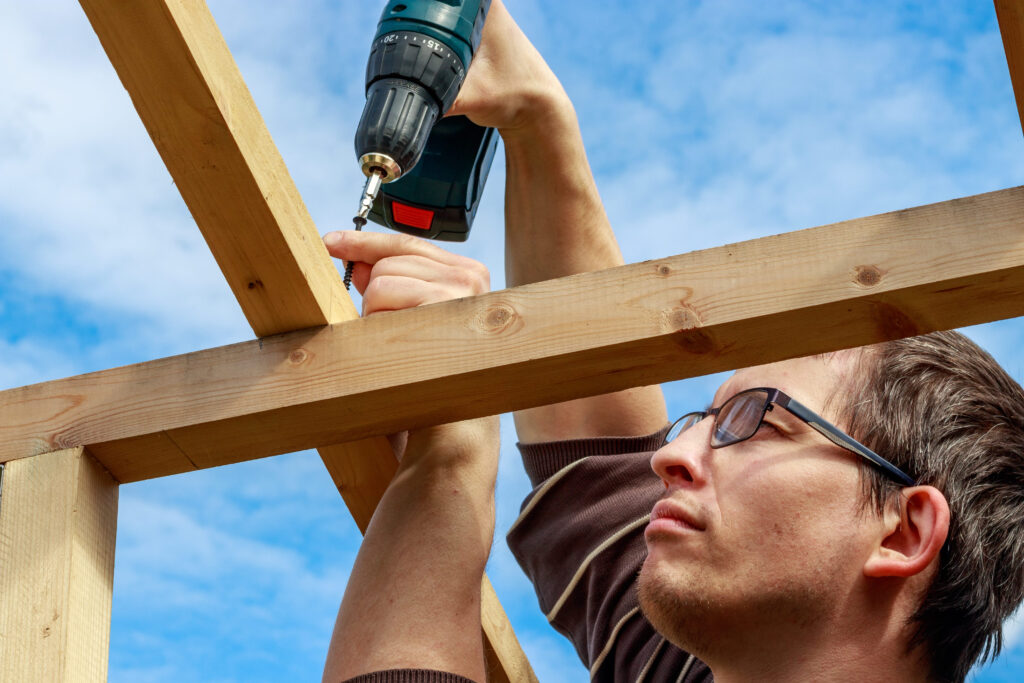
Roof repairs are often put off or treated with temporary patches because the idea of replacing an entire roof seems overwhelming and expensive. Homeowners commonly apply roof sealant or place a tarp over small leaks in hopes of holding them off for a few more months. While this may seem like a good short-term solution, it’s a classic case of paying for the same fix twice.
By ignoring or patching roof damage, you’re allowing moisture to slowly infiltrate the underlying structure, creating the perfect environment for mold, rot, and structural damage. A minor leak can quickly turn into an expensive mess, requiring a full roof replacement instead of a simple patch.
If you notice any roof damage, the most cost-effective option is to have a professional roofer assess it and make the necessary repairs or replacements. While it may cost more upfront, addressing the issue properly will save you money in the long run by preventing the need for a full replacement.
Foundation
Cracks in the foundation are a significant concern for homeowners. When it’s noticed, many homeowners try to patch them up with temporary fillers like caulk or foam, thinking the problem is solved. While these solutions may temporarily cover up the cracks, they don’t address the structural issues causing the foundation damage.
In the long run, failing to properly repair the foundation can lead to much larger, more expensive problems, such as uneven floors, misaligned doors, or even collapse in extreme cases. It’s essential to hire a professional who can assess the full extent of the foundation damage and provide a permanent fix. Foundation repairs can be costly, but addressing the issue correctly will save you from much higher costs down the road.
Conclusion
While DIY repairs and temporary fixes may seem like money-savers in the moment, they often end up costing homeowners more in the long run. Whether it’s plumbing leaks, electrical problems, or roofing issues, cutting corners can lead to recurring problems and unexpected expenses. The key to avoiding these costly mistakes is recognizing when a problem requires a professional solution and committing to proper repairs from the start.
Investing in thorough, long-term solutions will not only save you money in the future but also help maintain the safety, comfort, and value of your home. It’s easy to be tempted by a quick fix, but when it comes to home repairs, it’s almost always better to do the job right the first time.