Fall gardening can feel like the season of cleanup, but smart gardeners know it is also the season of quiet preparation. One of the biggest mistakes people make is leaving overcrowded perennials untouched until spring, then wondering why the garden looks tired, thin, and uneven. Many perennials grow stronger when they are divided at the right time because division gives their roots more space, improves airflow, and helps each plant produce better growth next year.
If your flower beds looked cramped, patchy, or less colorful this past summer, your plants may be begging for a reset. Dividing perennials in fall gives them time to settle into warm soil before winter arrives. It also saves money because one tired clump can become several healthy plants for other parts of your yard. Here are seven perennials you may regret ignoring this fall.
Daylilies
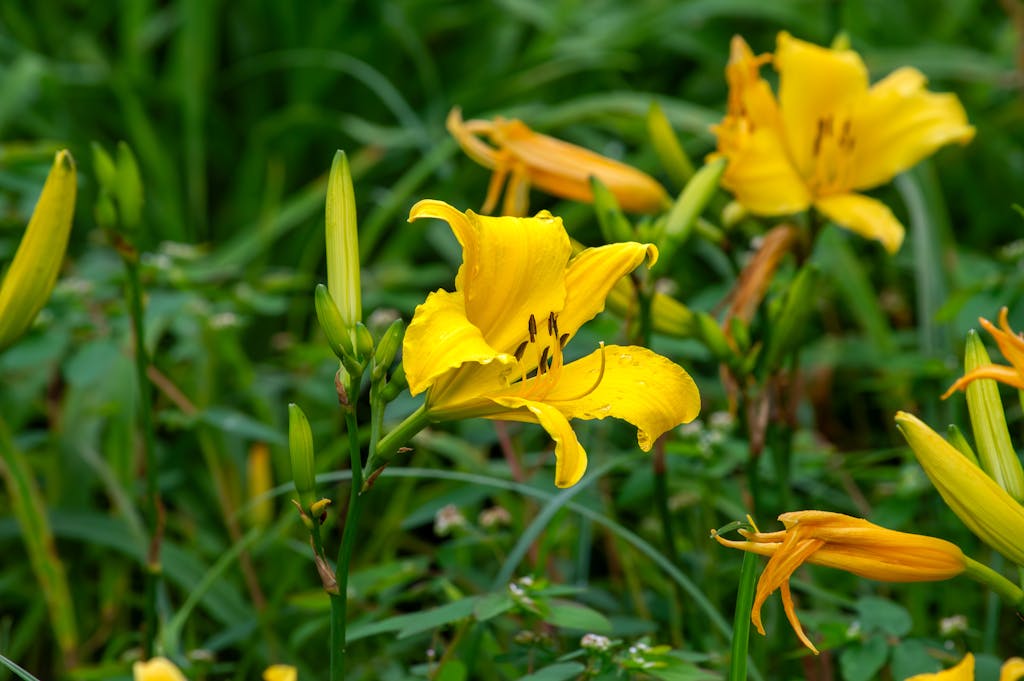
Daylilies are tough, reliable, and forgiving, but even these garden workhorses can lose their charm when they become packed too tightly. If your daylilies produced fewer flowers this year or looked crowded at the base, they may need to be divided. Fall division helps refresh the plant and encourages stronger blooming the following season. After the flowers fade, dig up the clump and shake away extra soil so you can see the roots clearly. Separate the plant into smaller sections, making sure each piece has roots and green shoots, then replant them in amended soil and water deeply.
Hostas
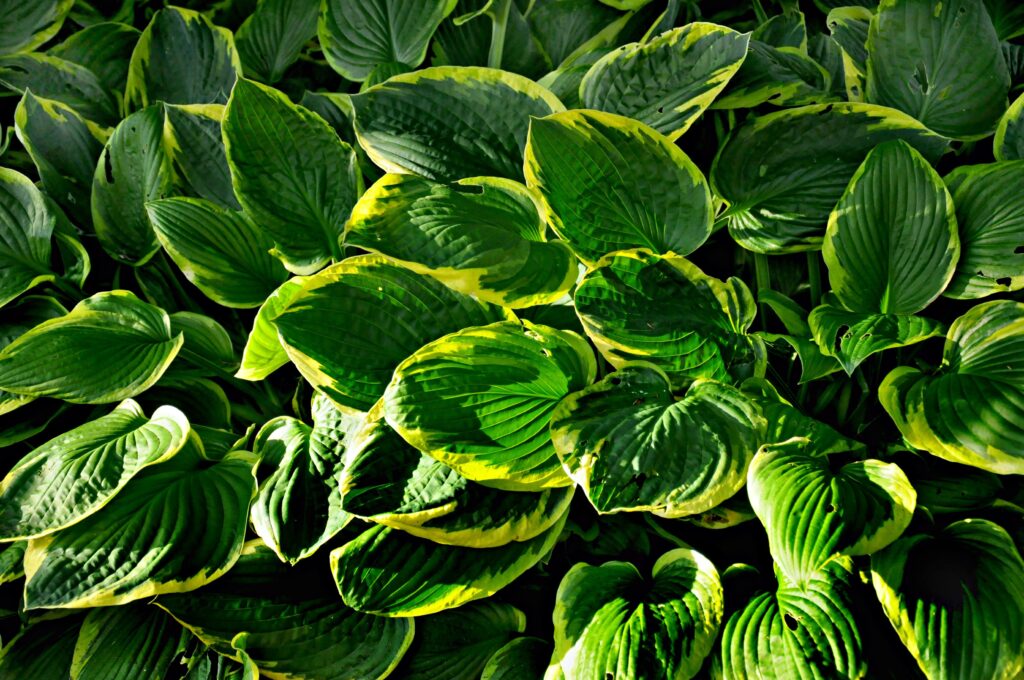
Hostas are beautiful shade garden favorites, but they can quickly become too dense when left alone for years. Once the clump gets overcrowded, the leaves may shrink, the center may look tired, and the plant can struggle for water and nutrients. Fall is a smart time to divide hostas because the worst summer heat has passed, and the roots still have time to settle before the soil gets too cold. Dig around the whole clump, lift it carefully, and cut it into sections with strong roots and healthy leaf buds. Replant the divisions in rich, well-drained soil with enough space between them so they can grow into full, lush plants next season.
Black-Eyed Susans
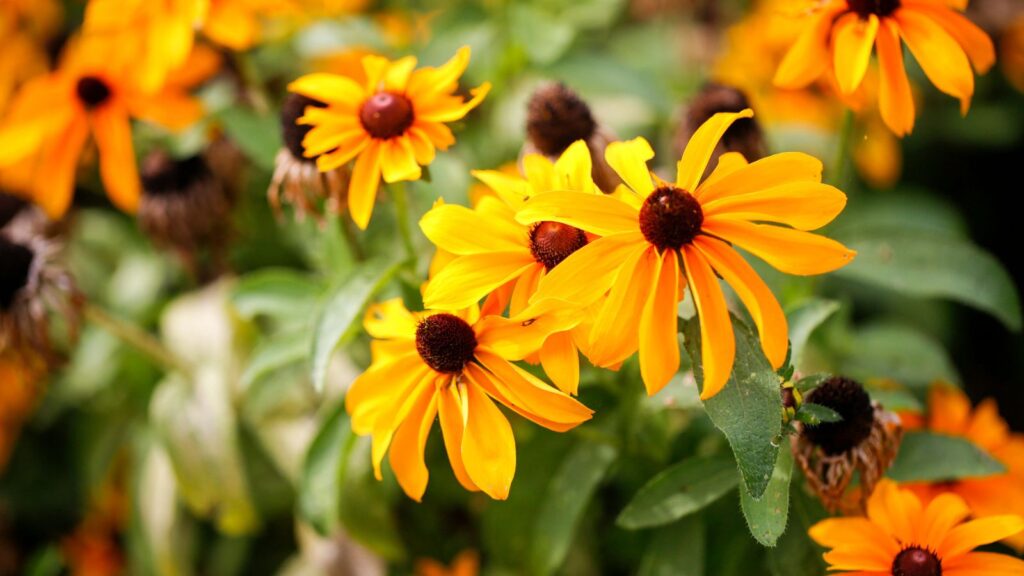
Black-eyed Susans bring cheerful yellow color to the garden, but they can multiply fast and crowd themselves out. When too many plants compete in a small space, the flowers may get smaller, stems may weaken, and the bed may start looking messy rather than full. Fall is a good time to divide them because the plant has finished its main show and can focus on root recovery. Use a garden fork to lift the clump without tearing too many roots, then divide it into manageable sections with clean, sharp tools. Replant the healthiest pieces in a sunny location, and add compost to give them a strong start.
Perennial Geraniums
Perennial geraniums are loved for their soft blooms and easygoing nature, but they can look untidy when the clump gets too large. Over time, the center may thin out, the flowers may become less impressive, and the plant may spread beyond its space. Dividing them in the fall helps control their size and keeps the plant looking fresh instead of wild. Lift the plant gently and separate it into sections with healthy roots and visible growth points. When replanting, keep the crown level with the soil surface because burying it too deeply can stress the plant and slow recovery.
Perennial Sunflowers
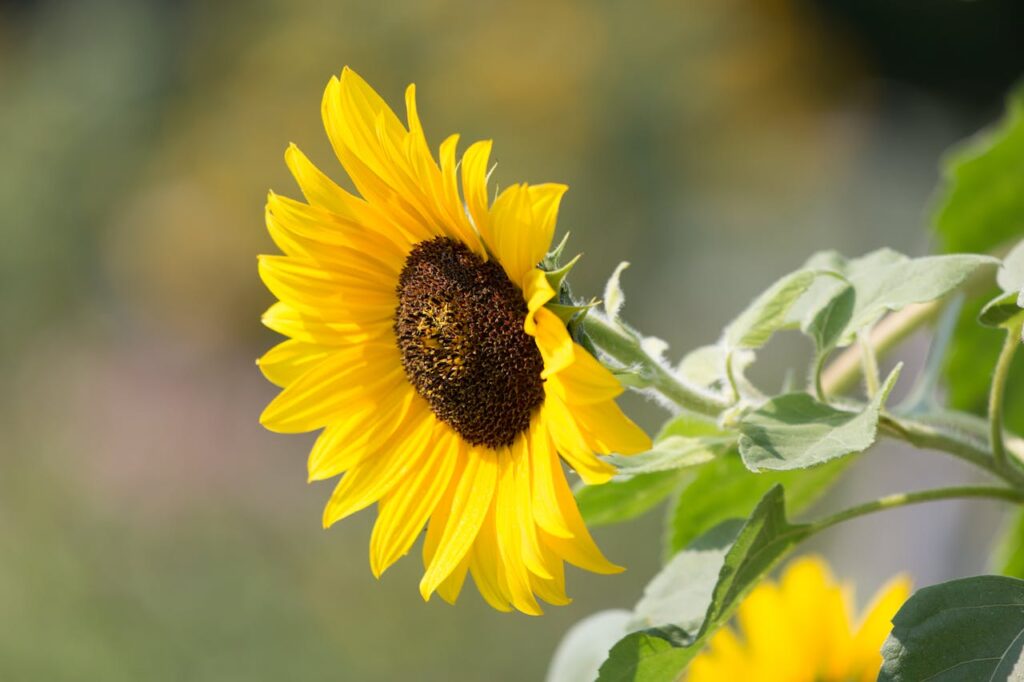
Perennial sunflowers can bring height, energy, and bold color to the garden, but they are not plants you should ignore forever. When they grow too thick, they can compete with themselves and nearby plants for space, water, and nutrients. Fall division helps keep the clump vigorous and prevents it from turning into an unruly patch. Dig up the plant after blooming, then split it into sections with strong shoots and a good portion of roots. Replant the divisions at the same soil depth as before, water well, and give them enough room to stretch next year.
Peonies
Peonies do not need frequent division, but when they become overcrowded or stop blooming well, fall is the time to act. These plants are sensitive about being moved, so timing and planting depth matter a lot. Early to mid-fall gives peony roots time to settle before freezing weather arrives. When dividing peonies, each section should have several healthy eyes, which are the small buds that produce next year’s growth. Replant them in a sunny, well-drained spot, and keep the eyes only slightly below the soil surface because planting peonies too deep is one of the fastest ways to lose flowers.
Bearded Irises
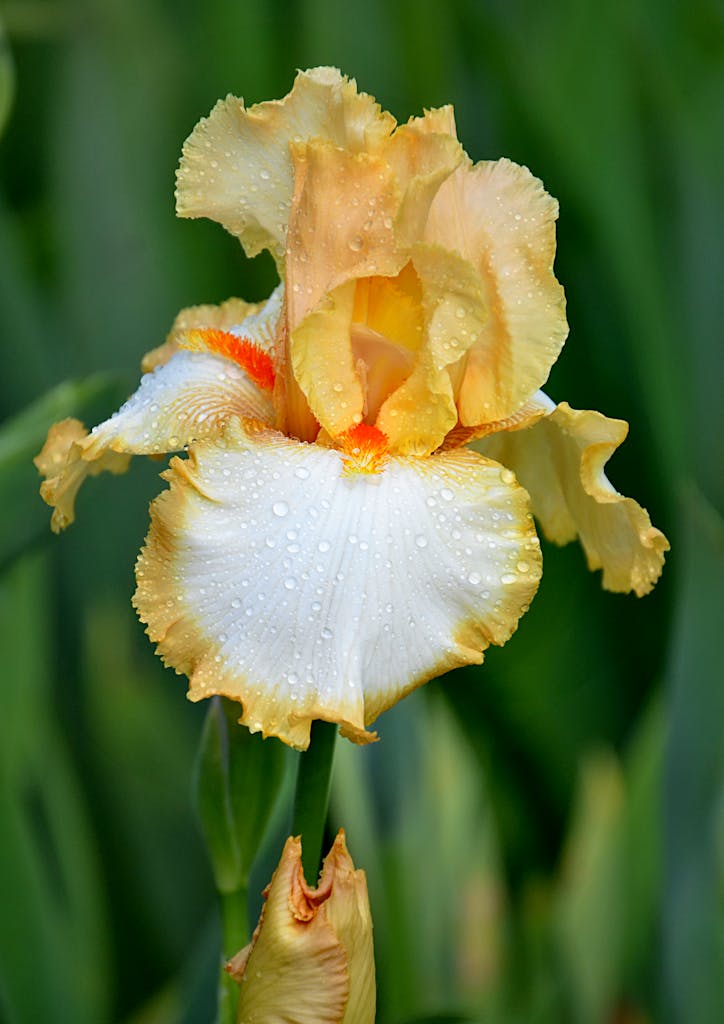
Bearded irises grow from thick rhizomes, and those rhizomes can become crowded, woody, or unhealthy over time. If your irises bloomed poorly or the center of the clump looked bare, division may be overdue. Fall, or late summer in warmer areas, is a good time to divide them after flowering has finished. Lift the rhizomes, remove any soft or rotting sections, and keep the firm, healthy pieces with attached leaf fans. Trim the leaves back into a fan shape, then replant the rhizomes shallowly so the tops sit near the soil surface.
How to Divide Perennials Without Damaging Them
The biggest secret to dividing perennials successfully is to reduce stress before, during, and after the job. Water the plant a day or two before digging so the roots are hydrated and the soil is easier to work with. Use clean, sharp tools because ragged cuts can invite disease and slow healing. Keep only healthy divisions with roots and growth points, then replant them quickly so they do not dry out. After planting, water deeply and add mulch around the base to help hold moisture and protect the roots as temperatures drop.
Conclusion
Ignoring overcrowded perennials may seem harmless in fall, but the damage often shows up the following spring and summer. Smaller blooms, weak stems, bare centers, and messy beds are all signs that a plant needed space long before you noticed the problem. Hostas, daylilies, black-eyed Susans, perennial geraniums, perennial sunflowers, peonies, and bearded irises can all benefit from fall division when they show signs of crowding or poor performance. A little work now can give you healthier roots, fuller plants, and a more colorful garden next year.