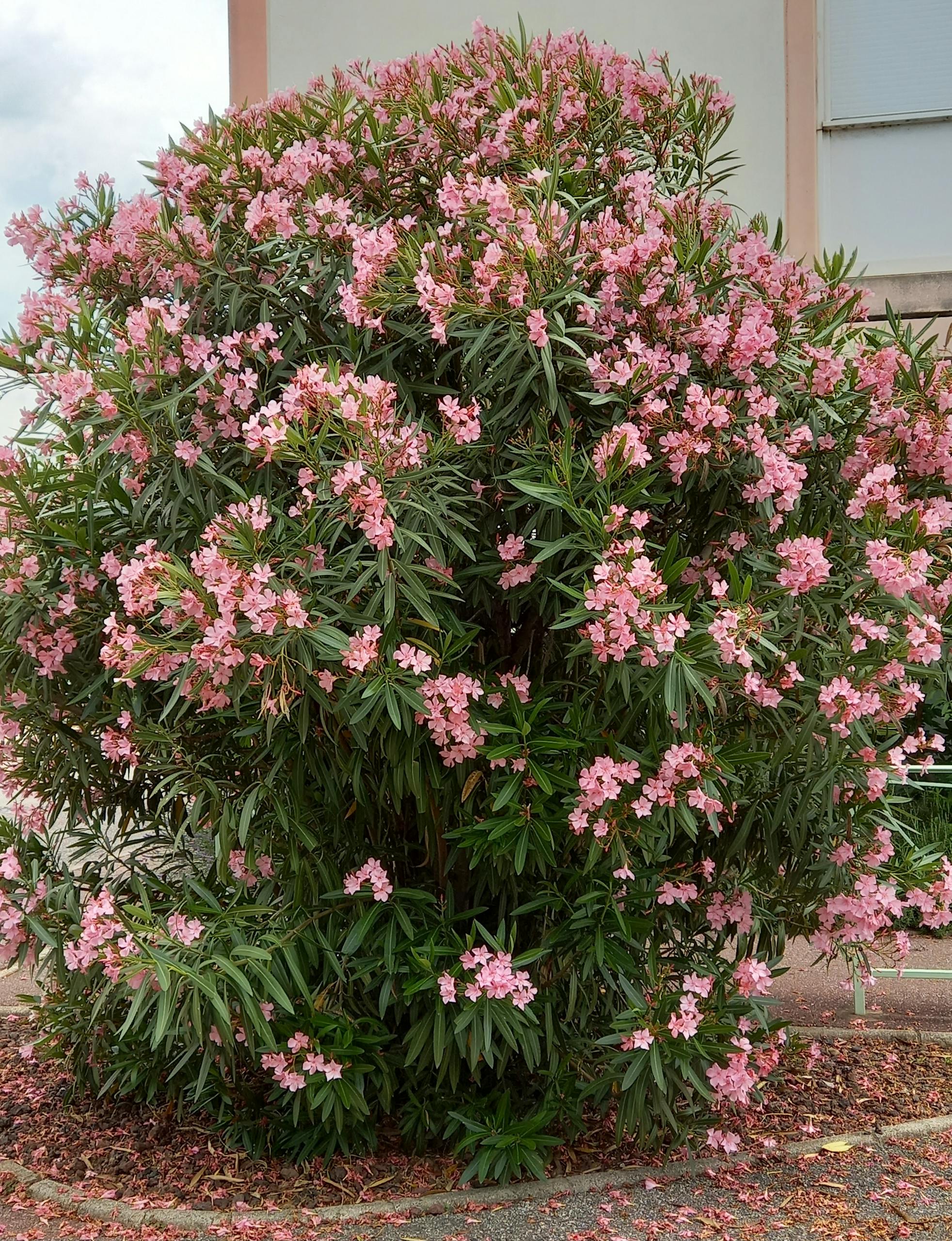
Wildflowers add a touch of natural beauty to any garden, but not all of them are suitable for every landscape. While some species bring color, texture, and wildlife to your outdoor space, others can become invasive, spread uncontrollably, and outcompete other plants. Here’s a list of seven wildflowers you should reconsider before planting them in your garden.
English Ivy (Hedera helix)
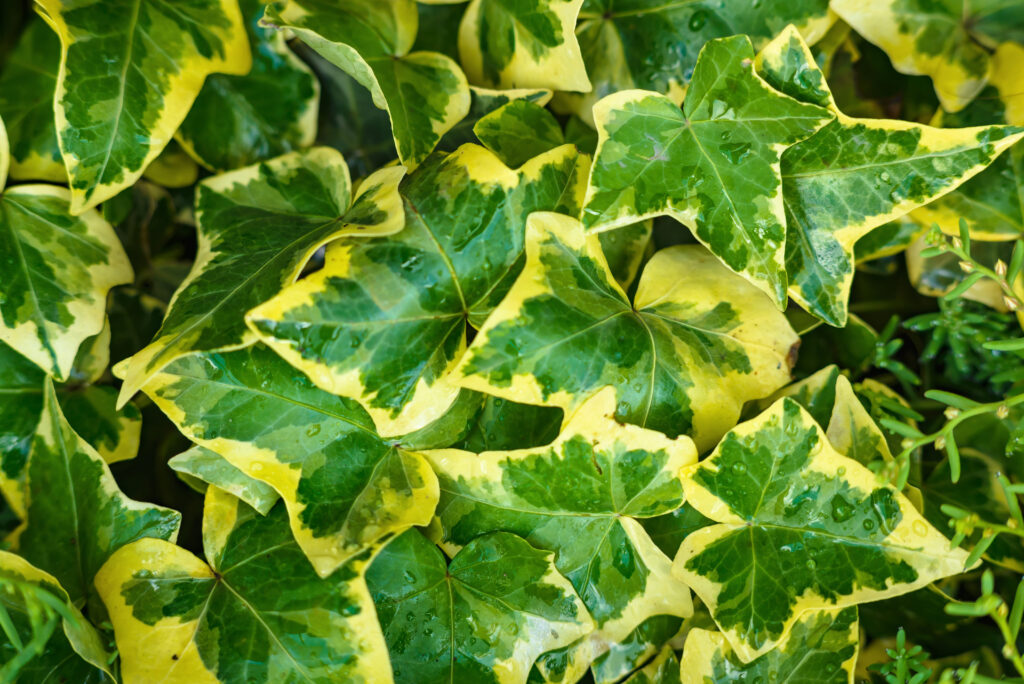
English Ivy may seem like a lovely addition to your garden, with its thick, glossy leaves and versatile nature. However, it can quickly become a problem. When planted in the ground, English Ivy tends to spread rapidly, smothering other plants by blocking sunlight and nutrients. This aggressive growth habit means it can easily overrun your garden and neighboring areas, leading to a lack of biodiversity and even damaging structures like fences and walls.
If you’re looking for ground cover, it’s best to opt for more manageable alternatives. English Ivy’s creeping tendencies are best suited for controlled indoor use, not for an outdoor garden that needs balance and beauty.
Japanese Knotweed (Fallopia japonica)
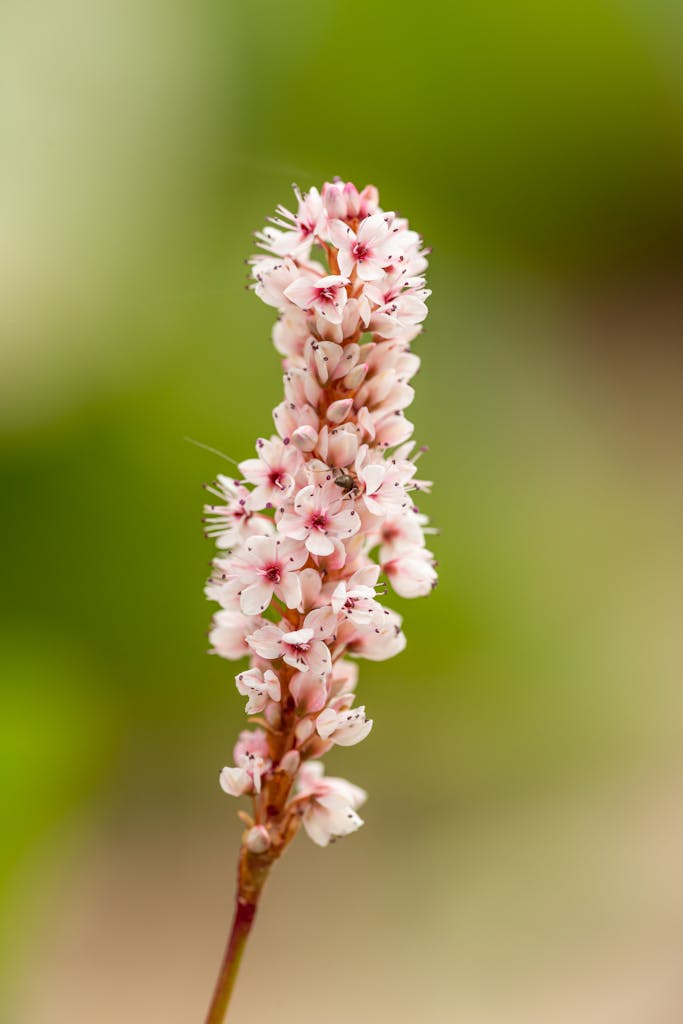
Japanese Knotweed may look beautiful with its bamboo-like stems and clusters of white flowers, but it’s one of the most invasive plants in the world. This wildflower spreads rapidly and is known for its strong root system that can even break through concrete and damage buildings. It grows aggressively and can quickly dominate your garden, leaving little room for other plants to thrive.
Once Japanese Knotweed establishes itself in your garden, it’s extremely difficult to eradicate. Removing it often requires professional help and can be costly. It’s not worth the risk of letting this invasive species take hold in your outdoor space.
Common Bluebell (Hyacinthoides non-scripta)
Common Bluebells are known for their striking blue flowers that emerge in the spring, but they can be problematic when planted outside their native range. In some areas, they have been known to outcompete native species and disrupt local ecosystems. While they may look charming at first, these bluebells tend to spread rapidly, crowding out native wildflowers.
To avoid harming your local ecosystem, it’s important to plant bluebells responsibly. Opt for native species or varieties that are less aggressive, as invasive bluebells can cause long-term damage to garden balance.
Creeping Charlie (Glechoma hederacea)
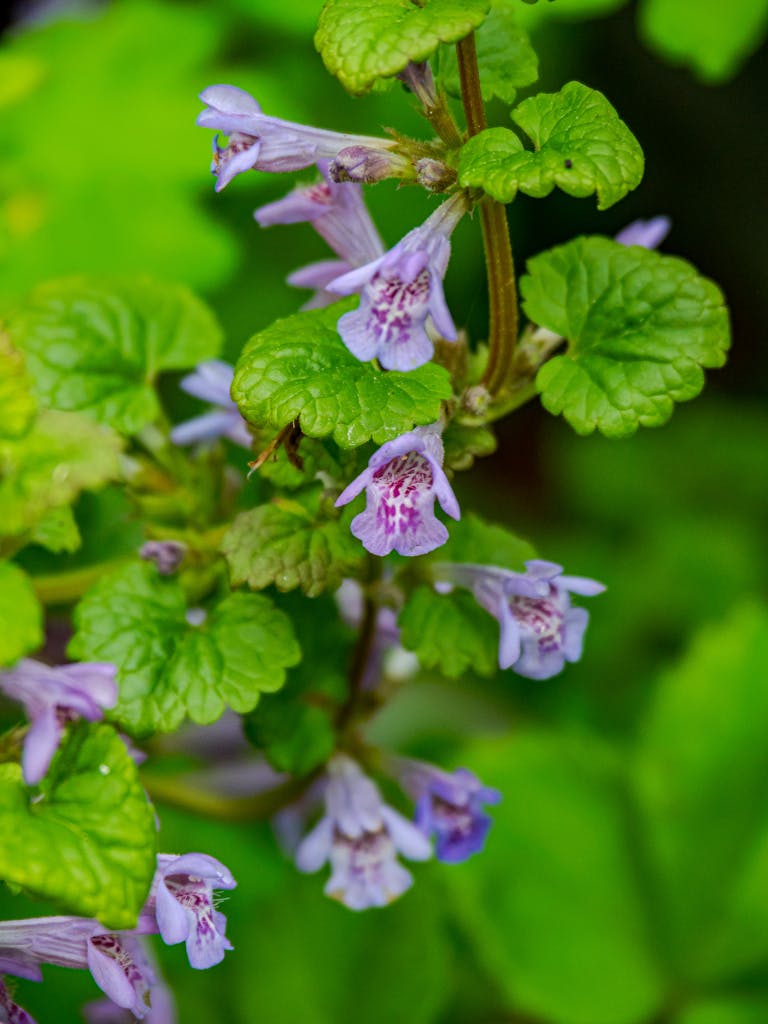
Creeping Charlie, or Ground Ivy, is another wildflower that might seem appealing at first due to its attractive purple flowers and ability to thrive in shaded areas. However, once established, it can quickly take over your garden and even lawn, choking out other desirable plants. Its creeping stems can root at nodes, making it incredibly difficult to remove.
Creeping Charlie spreads quickly, and its tenacious growth habit means it can invade garden beds and lawns with ease. For a low-maintenance ground cover, you’re better off with alternatives like moss or clover that won’t dominate your entire garden.
Garlic Mustard (Alliaria petiolata)
Garlic Mustard might have a unique scent and culinary uses, but it is a serious threat to native plants and wildlife. Originally from Europe, this wildflower spreads rapidly across North American woodlands and gardens, crowding out native species by altering the soil and preventing the growth of other plants. It also disrupts the local ecosystem by providing little to no food for local wildlife.
Garlic Mustard is often found in shaded, woodland areas, and once it becomes established, it’s challenging to remove. If you’re looking to plant native wildflowers in your garden, avoid this invasive species at all costs.
Yellow Toadflax (Linaria vulgaris)
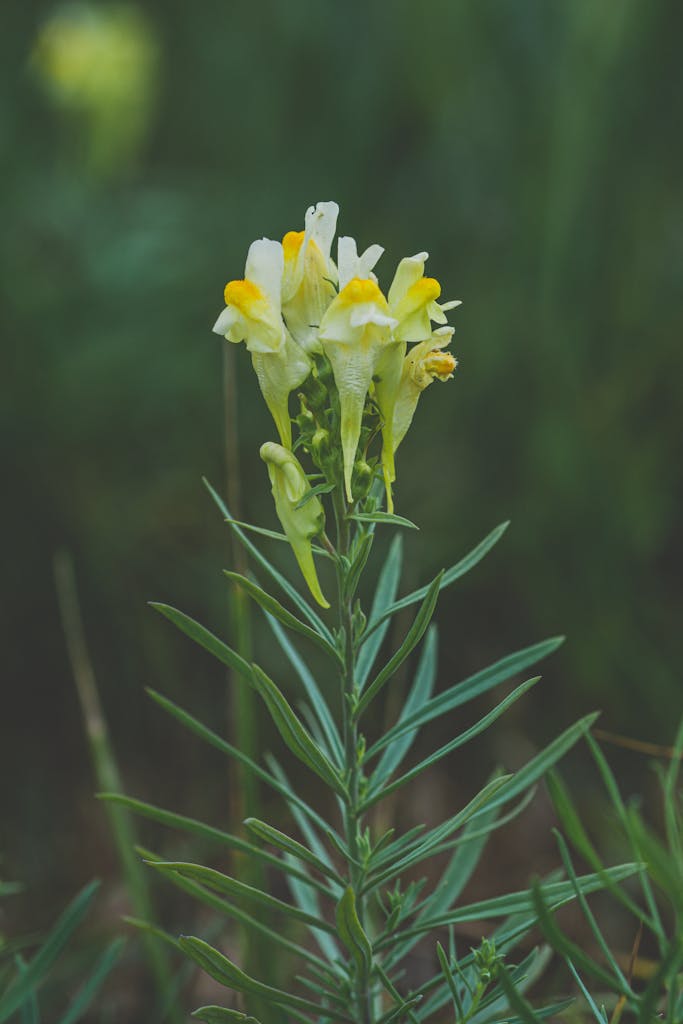
Yellow Toadflax, also known as Butter-and-eggs, is a striking wildflower with bright yellow blooms. While it may look appealing, it is extremely invasive in many parts of the world. This species tends to spread rapidly through seeds and rhizomes, outcompeting native plants and disrupting local ecosystems.
Though its flowers might seem innocent, Yellow Toadflax can form dense mats of vegetation that deprive other plants of sunlight, water, and nutrients. It’s best to avoid planting this wildflower in your garden, as its aggressive nature will likely lead to long-term problems.
Purple Loosestrife (Lythrum salicaria)
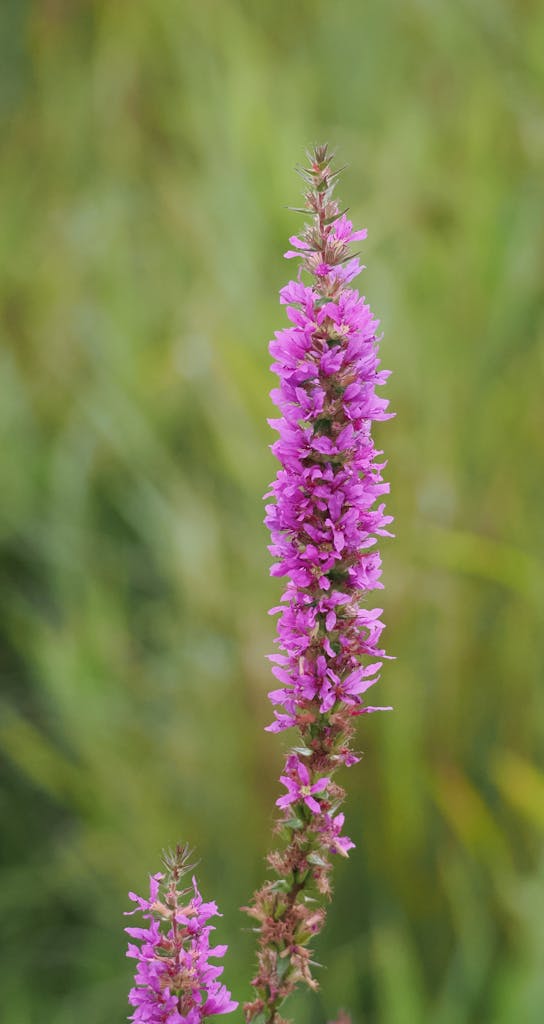
Purple Loosestrife is an attractive wildflower with tall spikes of purple flowers that can seem like a great addition to any garden. However, it’s one of the most problematic invasive species in North America. Purple Loosestrife grows in wetland areas and spreads quickly, forming dense stands that choke out native vegetation, thus reducing biodiversity.
While it may look beautiful along ponds and lakes, planting Purple Loosestrife in your garden can cause significant environmental problems. It’s better to opt for native species that support local wildlife and ecosystems.
Conclusion
Choosing wildflowers for your garden can be an exciting way to enhance your landscape, but it’s crucial to select species that won’t overtake the space. Invasive wildflowers like English Ivy, Japanese Knotweed, and Garlic Mustard may seem appealing at first, but their long-term effects can damage your garden and surrounding areas. Always research native and non-invasive wildflower options to ensure your garden remains healthy and balanced.
If you want to create a garden that thrives for years to come, make sure you avoid planting these seven invasive wildflowers. They might look pretty, but their destructive tendencies can wreak havoc on your garden and the environment.