A home can look calm on the surface and still be quietly collecting trouble in the corners. Dust settles behind furniture, grease hardens on kitchen surfaces, moisture feeds mould, and clutter gives pests the privacy they need to multiply. The danger is rarely dramatic at first. It begins with a stuffy room, a lingering smell, a sticky counter, a cough that keeps returning, or an appliance that stops working long before it should.
We often treat cleaning like a cosmetic chore, but regular home cleaning is closer to home maintenance than decoration. It protects indoor air, keeps allergens under control, reduces germ spread, supports mental clarity, and helps preserve furniture, appliances, flooring, and property value. The real cost of skipping cleaning is not the messy look. The real cost is what dirt, dust, bacteria, pests, moisture, and neglect can do once they are allowed to settle in.
Dirty Homes Can Trigger Allergies and Breathing Problems

A neglected home can be rough on the lungs. Dust mites, pet dander, mould, pollen, cockroach particles, and other indoor allergens can settle into mattresses, bedding, carpets, curtains, sofas, and soft toys. Once they collect there, they can trigger sneezing, itchy eyes, coughing, wheezing, blocked noses, and asthma symptoms in sensitive people.
The American Lung Association notes that dust mites are a major indoor trigger for people with allergies and asthma. It recommends reducing places where dust mites live, washing bedding weekly in hot water of at least 120 degrees Fahrenheit, using allergen covers on mattresses and pillows, and reducing clutter that traps dust.
This is why bedrooms deserve special attention. People spend long hours sleeping close to pillows, sheets, mattresses, blankets, rugs, and curtains. If those surfaces are rarely washed or vacuumed, allergens can build up quietly and affect sleep quality, breathing comfort, and morning congestion. A clean bedroom is not just pleasant. It can be one of the most important allergy control zones in the home.
Mould Grows Where Cleaning and Ventilation Are Ignored
Mould loves three things that many neglected homes provide easily: moisture, warmth, and organic material. Bathrooms, kitchens, laundry areas, basements, window frames, leaking pipes, damp carpets, and poorly ventilated rooms can all become mould-friendly spaces. At first, the warning signs may be small. A musty smell, dark spots near grout, peeling paint, damp patches, or repeated condensation can point to a moisture problem that cleaning alone will not fix.
The EPA warns that biological contaminants and moisture problems can affect both health and building condition. Mould can deteriorate building materials, and pests can damage structures by eating building materials or nesting inside them. These problems can become costly if left untreated.
Cleaning helps because it removes grime, soap scum, food residue, and organic buildup that support microbial growth. Good habits also matter. Drying wet areas, using bathroom fans, opening windows when safe, fixing leaks quickly, washing shower curtains, and cleaning under sinks can stop a minor mould issue from becoming a larger repair problem. If mould keeps returning, the root issue is usually moisture, and that needs to be corrected rather than hidden with fragrance.
Kitchen Neglect Can Invite Germs and Pests

The kitchen is one of the easiest rooms to underestimate. A few crumbs under the toaster, a sticky patch near the bin, grease on the stove hood, spoiled food in the fridge, or an unwashed cutting board can create a chain reaction. Food residue attracts insects and rodents. Moisture supports bacteria and mould. Grease traps dust. Forgotten spills become stains. What begins as a busy week can turn into a kitchen that smells stale, feels sticky, and becomes harder to restore.
The most important kitchen cleaning habit is consistency. Counters, sinks, cutting boards, handles, taps, stovetops, and appliance fronts should be cleaned often because they are touched repeatedly and exposed to food. Dishcloths, sponges, and towels also need regular washing or replacement because they can spread grime from one surface to another. A clean kitchen protects health, but it also protects the enjoyment of the home. Nobody wants to cook in a space that feels like a fight before dinner even starts.
Pest prevention depends heavily on kitchen hygiene. Sealed food containers, a clean bin area, dry sinks, swept floors, and clean appliance gaps reduce the signals that attract roaches, ants, flies, and rodents. If pests find easy food and shelter, they rarely leave politely. They settle in, multiply, and bring new health and repair risks with them.
Bathroom Dirt Creates Odours, Germs, and Surface Damage
Bathrooms are designed for water, but they are also vulnerable to water-related neglect. Soap scum, body oils, toothpaste residue, hair, mineral deposits, urine splashes, and damp towels can make the room smell unpleasant and look older than it is. Grout can darken. Shower screens can cloud. Drains can slow down. Toilet bases can collect grime. Wet floors and damp bathmats can create slip risks and musty odours.
Bathroom cleaning needs to focus on both hygiene and dryness. Sinks, toilets, taps, shower walls, tubs, handles, mirrors, floors, and drains all need regular attention. It also helps to hang towels properly, wash bathmats, empty bins, open ventilation, and wipe down wet surfaces after heavy use. These small habits reduce mould, mildew, and stale smells before they become embarrassing or expensive.
A dirty bathroom also affects how a home feels to guests and family members. Bathrooms are private rooms, but they leave strong impressions. When they are clean, the home feels cared for. When they are neglected, even the rest of the house can feel less hygienic.
Clutter Makes Cleaning Slower and Stress Heavier
A messy home does more than block surfaces. It blocks routines. When tables, floors, counters, chairs, and storage spaces are crowded, every cleaning task takes longer because items must be moved before surfaces can be wiped, vacuumed, or organized. Clutter creates hiding places for dust and pests, and it makes small messes harder to notice before they grow.
Clutter can also affect mental well-being. Mayo Clinic experts have linked excessive clutter with higher stress, greater risk of depression, and time management problems. Organized surroundings can reduce stress because the brain responds well to order and predictability.
This does not mean every home must look like a showroom. A lived-in home can still be healthy and functional. The goal is to keep floors clear, counters usable, laundry contained, paperwork managed, and cleaning tools easy to reach. When clutter is reduced, cleaning becomes faster, decisions feel lighter, and the home supports daily life instead of draining energy from it.
Dirty Surfaces Can Wear Down Furniture and Appliances
Dirt is abrasive. Dust, grit, grease, crumbs, and sticky residue can slowly damage the things people expect to last for years. Grit scratches the flooring. Dust clogs vents. Grease coats range hoods. Pet hair blocks vacuum rollers. Food residue hardens on appliances. Moisture stains wood. Dirty filters force machines to work harder. Over time, neglect can shorten the life of items that cost real money to replace.
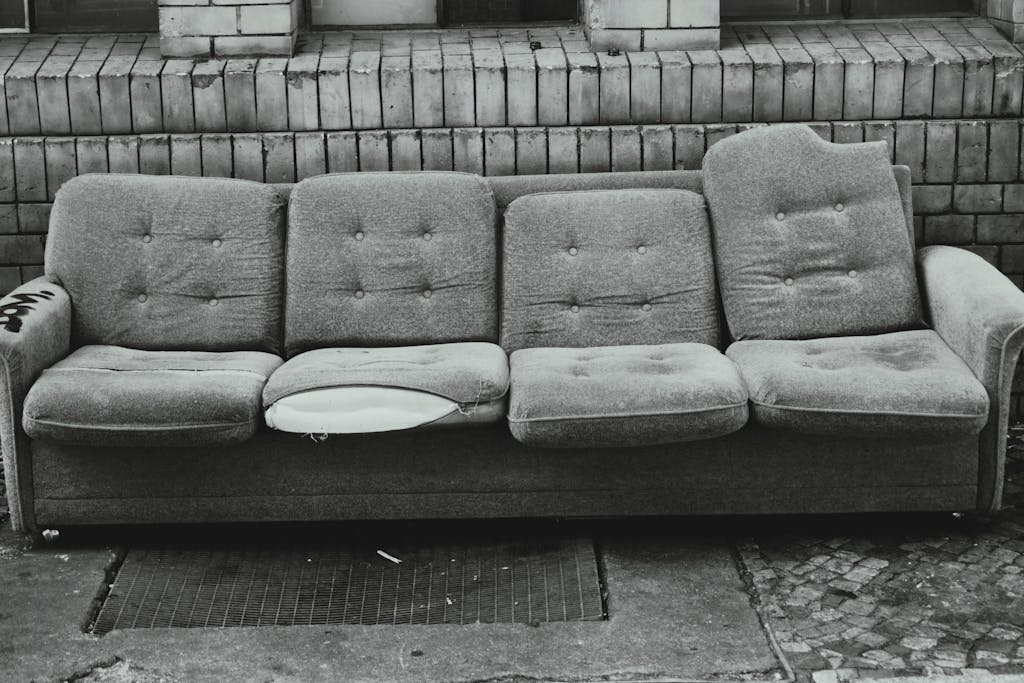
Furniture also suffers when cleaning is skipped. Upholstery absorbs odours, oils, and dust. Wood can dry out, stain, or collect grime in seams. Leather can crack without proper care. Mattresses can collect allergens. Carpets can trap dirt deep into the fibers, making them look dull and worn even after surface vacuuming. The longer dirt sits, the harder it becomes to remove without professional help.
Appliances are especially vulnerable because dirt affects performance. A dusty refrigerator coil, clogged dryer vent, greasy oven, overloaded vacuum filter, dirty dishwasher seal, or neglected air filter can lead to higher energy use, poor results, overheating, odours, or breakdowns. Cleaning is cheaper than repair. It is also less stressful than replacing an appliance that failed early because basic maintenance was ignored.
Poor Cleaning Habits Can Lower Property Value
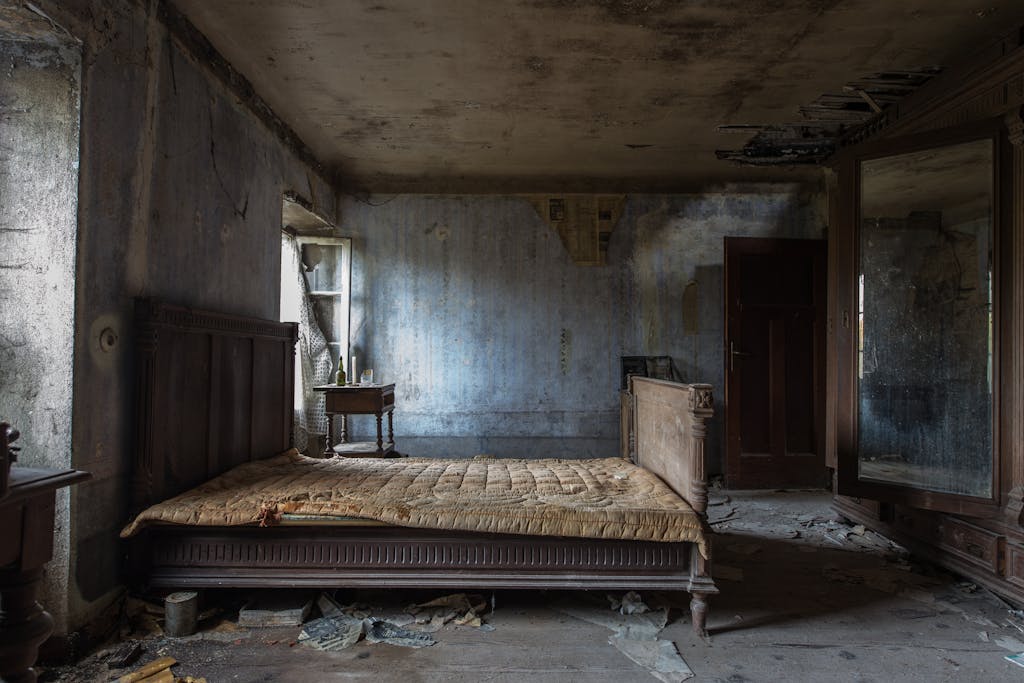
A home that has been cleaned regularly usually ages better. Buyers and tenants notice fresh smells, clear surfaces, clean grout, bright fixtures, cared-for flooring, and well-kept kitchens and bathrooms. They also notice neglect. Stains, odours, pest signs, mould marks, damaged caulk, sticky cabinets, worn carpets, and dirty vents suggest deeper maintenance problems, even when the structure is sound.
Poor cleaning can create visible and hidden defects that reduce confidence in a property. A buyer may wonder what else has been ignored. A landlord may face higher turnover costs. A homeowner may need to spend more on deep cleaning, repairs, repainting, carpet replacement, pest control, odour removal, or mould remediation before selling or renting. The financial damage builds slowly, then arrives as a large bill at the worst possible time.
A clean home protects value because it preserves surfaces and signals care. Regular cleaning is one of the simplest ways to prevent a property from looking older than it is. It keeps wear visible early, so small issues can be fixed before they become deal breakers.
A Practical Cleaning Routine That Reduces Health and Safety Risks
A strong cleaning routine starts with the areas that affect health most directly. High-touch surfaces should be cleaned regularly because hands move germs from one object to another throughout the day. Kitchen surfaces need frequent care because food residue and moisture create hygiene risks. Bathrooms need moisture control because mould and odour can build quickly. Floors, bedding, and soft furnishings need attention because they collect dust, allergens, hair, and outdoor debris.
A useful daily rhythm can be simple. Wipe kitchen counters after cooking, wash dishes or load the dishwasher, sweep visible crumbs, clean spills immediately, put laundry in one place, clear the main walkway, and wipe bathroom sinks when needed. These tasks are small, but they prevent the most common messes from spreading.
Weekly cleaning should go deeper. Vacuum carpets and rugs, mop hard floors, clean toilets, scrub showers and tubs, wash bedding, dust shelves and furniture, clean mirrors, empty bins, wipe appliance handles, and check hidden spaces where crumbs or moisture collect. Monthly cleaning can include vents, baseboards, fridge shelves, oven surfaces, windowsills, under furniture, appliance gaps, and storage areas. Seasonal cleaning should handle curtains, upholstery, mattresses, closets, gutters, where relevant, and areas that collect long-term dust.
The Best Cleaning Strategy Is Maintenance, Not Perfection
The cleanest homes are not always the ones with the most expensive products or the longest cleaning days. They are usually the homes with the most reliable habits. A cloth near the sink, a vacuum that is easy to reach, a laundry basket in the right room, a bin that is emptied before it smells, and a weekly reset can do more than a cupboard full of products that nobody uses.
Cleaning products should match the surface and the problem. Soap and water are enough for many daily tasks. Disinfectants should be used correctly and according to the label, especially when illness is present. Harsh chemicals should never be mixed casually, and ventilation matters during cleaning. Good cleaning is not about using the strongest-smelling product. It is about removing dirt safely and consistently.
A home does not need to be flawless to be healthy. It needs clean air paths, controlled moisture, managed clutter, washed fabrics, safe food areas, clean bathrooms, and regular attention to hidden spaces. That is the difference between a home that merely looks acceptable and a home that actually supports the people living in it.
Conclusion
Skipping home cleaning does not save as much time as it seems. It simply moves the work into the future, where it usually becomes harder, costlier, and more stressful. Dust affects breathing, moisture feeds mould, crumbs attract pests, clutter raises stress, and grime wears down the surfaces and appliances that make a home livable.
We protect a home by treating cleaning as maintenance, not decoration. A few steady habits can defend health, comfort, property value, and peace of mind far better than occasional deep cleaning after neglect has already taken hold.