How people die in their sleep often comes down to hidden medical emergencies such as sudden cardiac arrest, stroke, sleep apnea, seizures, overdose, carbon monoxide poisoning, or infant sleep hazards. This guide explains the real causes, warning signs, and prevention steps.
If this topic connects to thoughts of self-harm, seek immediate support now. Call your local emergency number, go to the nearest emergency department, or contact a crisis line. In the U.S., the 988 Suicide & Crisis Lifeline offers 24/7 call, text, and chat support for people in emotional distress or substance-use crisis.
Sudden Cardiac Arrest Is the Leading Silent Nighttime Danger

Sudden cardiac arrest is one of the most important medical explanations for dying in sleep. It happens when the heart suddenly stops pumping effectively, often because its electrical system malfunctions and triggers a dangerous rhythm such as ventricular tachycardia or ventricular fibrillation. The American Heart Association explains that cardiac arrest is different from a heart attack. A heart attack is mainly a circulation problem caused by blocked blood flow, while sudden cardiac arrest is mainly an electrical problem that causes the heart to stop beating properly.
This matters because a person can go to bed feeling only mildly unwell, then experience a fatal rhythm disturbance during sleep. People with previous heart attacks, coronary artery disease, heart failure, high blood pressure, enlarged heart muscle, inherited rhythm disorders, or unexplained fainting episodes need serious medical evaluation. The American Heart Association reports that more than 417,000 cardiac arrest deaths occur each year in the U.S., which shows why heart rhythm problems deserve urgent attention before they become nighttime emergencies.
Heart Attacks During Sleep Can Trigger Fatal Rhythms
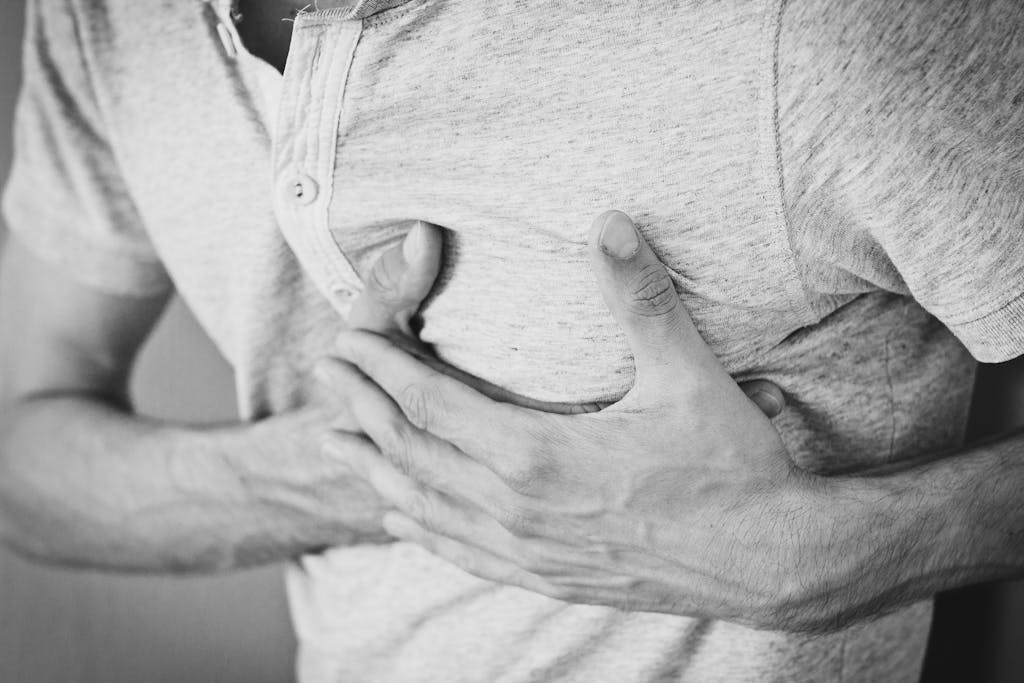
A heart attack during sleep can become deadly because blocked blood flow damages the heart muscle and may trigger cardiac arrest. Some people imagine heart attacks always arrive with dramatic chest pain, but symptoms can also feel like pressure, squeezing, indigestion, nausea, sweating, jaw pain, back pain, arm discomfort, or unusual shortness of breath. These warning signs should never be brushed off as ordinary tiredness, especially in people with high blood pressure, diabetes, smoking history, high cholesterol, or a family history of early heart disease.
Nighttime makes the danger more complicated because the person may be alone, deeply asleep, or too confused to recognize symptoms quickly. We reduce this risk by treating the conditions that strain the heart long before bedtime arrives. Blood pressure control, cholesterol management, diabetes care, physical activity, smoking avoidance, healthy sleep, and prescribed medication adherence all support cardiovascular stability. The American Heart Association’s Life’s Essential 8 includes healthy sleep, blood pressure, cholesterol, blood sugar, weight, diet, physical activity, and nicotine avoidance as major pillars of heart health.
Sleep Apnea Can Put Dangerous Stress on the Heart
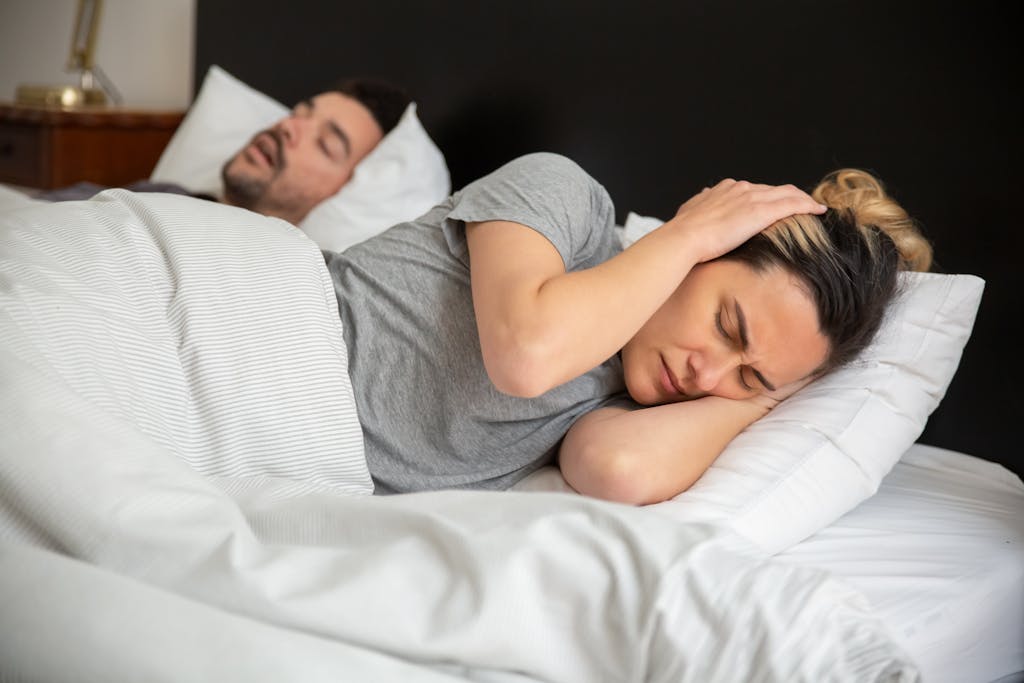
Obstructive sleep apnea happens when the airway repeatedly narrows or closes during sleep, causing breathing pauses, oxygen drops, brief awakenings, and surges of stress hormones. Loud snoring, choking sounds, gasping, morning headaches, dry mouth, poor concentration, and excessive daytime sleepiness are common warning signs. Many people do not know they have it because the most obvious symptoms happen while they are asleep, and a partner may be the first person to notice.
Sleep apnea is not just annoying snoring. Research has linked obstructive sleep apnea with cardiovascular disease, arrhythmias, and increased risk of nocturnal sudden cardiac death. A large study published through the National Institutes of Health found that obstructive sleep apnea was associated with a higher risk of sudden cardiac death, especially when oxygen levels dropped severely during sleep.
The prevention message is direct. People with loud snoring, witnessed breathing pauses, resistant high blood pressure, obesity, morning headaches, or daytime drowsiness should ask for a sleep evaluation. CPAP therapy, oral appliances, weight management, alcohol reduction, nasal obstruction treatment, and specialist care can reduce breathing interruptions and improve long-term health. Mayo Clinic notes that reducing excess weight, treating nasal congestion, and avoiding more than moderate alcohol consumption may help lower obstructive sleep apnea risk. Mayo Clinic
Stroke During Sleep Can Be Missed Until Morning
A stroke can happen during sleep when blood flow to part of the brain is blocked or when bleeding occurs in or around the brain. The person may wake up with weakness, confusion, trouble speaking, vision problems, dizziness, loss of balance, or a severe, unexplained headache. In some cases, the stroke begins during the night and is only discovered after the person does not wake normally or wakes with serious neurological symptoms.
High blood pressure is one of the most important stroke risk factors, and the CDC identifies it as a leading cause of stroke. Other major risk factors include high cholesterol, diabetes, smoking, heart disease, and obstructive sleep apnea.
Stroke warning signs require immediate emergency care. Sudden numbness or weakness on one side of the face, arm, or leg, sudden confusion, trouble speaking, trouble seeing, trouble walking, dizziness, loss of coordination, or a sudden severe headache should be treated as an emergency. The CDC advises calling emergency services right away when these symptoms appear. (CDC)
Seizures During Sleep Can Become Life-Threatening
People with epilepsy can experience seizures during sleep, and in rare cases, sudden unexpected death in epilepsy, known as SUDEP, can occur. The Epilepsy Foundation explains that SUDEP often happens at night or during sleep and may involve problems with breathing, heart rhythm, or brain function after a seizure.
The greatest concern is uncontrolled seizures, especially tonic-clonic seizures that occur at night. Missed medication doses, alcohol use, poor sleep, and unmanaged seizure triggers may increase risk for some people. Prevention focuses on consistent seizure treatment, regular follow-up with a neurologist, medication adherence, seizure action plans, and nighttime monitoring when recommended. The Epilepsy Foundation also notes that people with nighttime seizures may consider seizure alert monitoring and should make sure close contacts understand seizure first aid. Epilepsy Foundation
Opioids and Sedatives Can Slow Breathing During Sleep
Some deaths during sleep happen because breathing becomes dangerously slow or shallow. Opioids are a major concern because they can suppress the brain’s breathing drive, especially when taken in high amounts, mixed with alcohol, combined with sedatives, or used without medical supervision. The National Institute on Drug Abuse lists opioid overdose warning signs such as unconsciousness, inability to wake, slow or shallow breathing, and discolored skin or lips.
This section must be understood as prevention, not instruction. Never mix opioids, alcohol, sleeping pills, benzodiazepines, or other sedating substances unless a qualified clinician has specifically reviewed the combination. If someone cannot be awakened, is breathing slowly, has blue lips or nails, or makes gurgling sounds, call emergency services immediately. Naloxone can rapidly restore normal breathing during an opioid overdose, although emergency medical care is still needed.
Carbon Monoxide Poisoning Can Kill Quietly at Night
Carbon monoxide is one of the most dangerous sleep-related environmental threats because it is invisible, odorless, and silent. It can come from faulty heaters, gas appliances, charcoal burning indoors, blocked chimneys, generators, or vehicles running near enclosed spaces. During sleep, people may not notice early symptoms such as headache, dizziness, weakness, nausea, confusion, or shortness of breath.
The CDC reports that more than 400 Americans die each year from unintentional carbon monoxide poisoning not linked to fires, with more than 100,000 emergency department visits and over 14,000 hospitalizations.
Prevention is straightforward and lifesaving. Install carbon monoxide detectors near sleeping areas, test them regularly, replace batteries, service fuel-burning appliances, keep generators outdoors and away from windows, never use charcoal grills indoors, and never sleep in a room heated by unsafe combustion sources. If a carbon monoxide alarm sounds, leave the building immediately and call emergency services from outside.
Choking, Aspiration, and Alcohol Can Increase Nighttime Risk
Choking during sleep is uncommon, but the risk increases when a person is heavily intoxicated, sedated, vomiting, recovering from a seizure, or unable to protect their airway. Alcohol and sedatives can reduce alertness, weaken normal reflexes, worsen sleep apnea, and make it harder for the body to respond to breathing trouble. People with swallowing problems, neurological disease, severe reflux, or repeated nighttime choking episodes should seek medical evaluation.
The safest approach is practical. Avoid going to bed with food, gum, candy, or lozenges in the mouth. Do not ignore repeated choking, coughing, reflux, or gasping at night. Limit alcohol close to bedtime, especially when taking medication. A person who vomits repeatedly, becomes confused, breathes abnormally, or cannot stay awake needs urgent help, not sleep.
Infant Sleep Deaths Are Often Linked to Unsafe Sleep Environments
Infants face a different category of sleep-related risk. Sudden unexpected infant death can involve SIDS, accidental suffocation, or other sleep-related causes. The CDC recommends placing babies on their backs for every sleep, using a firm and flat sleep surface, keeping soft bedding such as pillows, blankets, bumper pads, and soft toys out of the sleep area, and having the baby sleep in the same room as caregivers without sharing the same bed.
Soft objects in an infant’s sleep space can create suffocation and strangulation risk. A 2025 CDC report also emphasized that nursing pillows and other soft objects should not be present in infant sleep spaces.
Safe sleep habits do not remove every risk, but they reduce preventable danger. Babies should sleep alone, on their backs, on a firm, flat surface with a fitted sheet only. Couches, adult beds, pillows, loose blankets, inclined sleepers, and crowded sleep spaces can become hazardous quickly.
Conclusion
Dying in sleep is usually not caused by sleep itself. It usually happens when a hidden medical or environmental emergency strikes while the person is unconscious and unable to respond. The biggest concerns include sudden cardiac arrest, heart attack, stroke, untreated sleep apnea, seizures, opioids or sedatives, carbon monoxide poisoning, choking risk, and unsafe infant sleep environments.
The reassuring truth is that many risks can be lowered before bedtime. Medical checkups, heart health management, sleep apnea treatment, safe medication use, carbon monoxide detectors, infant safe sleep habits, and fast emergency response all make sleep safer. Peaceful rest begins with prevention during the day.