Cancer-causing foods is a phrase that gets attention fast, but the smarter question is more practical. Which everyday foods are most strongly linked to higher cancer risk, and how can we reduce that risk without turning meals into a fear campaign?
Cancer does not come from one meal, one snack, or one holiday cookout. It develops through a mix of genetics, age, environment, tobacco exposure, alcohol, body weight, physical activity, infections, and long-term lifestyle patterns. Still, diet matters because some foods contain compounds that may damage DNA, increase inflammation, alter hormones, support excess weight gain, or expose the body to known carcinogens over time. The American Cancer Society notes that about 1 in 5 cancers are linked to excess body weight, physical inactivity, unhealthy diet, and alcohol use, which makes food choices one of the few risk factors we can actually influence daily.
Processed Meat Is the Clearest Food Risk
Processed meat belongs at the top of any serious cancer-causing foods discussion because the evidence is stronger than it is for most single foods. Bacon, hot dogs, ham, sausage, pepperoni, salami, corned beef, beef jerky, deli turkey, and many smoked or cured meats fall into this group. The International Agency for Research on Cancer classified processed meat as carcinogenic to humans, meaning there is sufficient evidence that it can cause cancer in humans, especially colorectal cancer.
The issue is not just that processed meat is “unhealthy” in a vague way. Processing methods such as curing, salting, smoking, and preserving can create or introduce compounds that may harm cells in the digestive tract. Nitrites and nitrates can form N-nitroso compounds, smoking can expose meat to polycyclic aromatic hydrocarbons, and high-temperature cooking can add another layer of chemical exposure. That does not mean one slice of bacon causes cancer, but it does mean a daily processed-meat habit deserves a hard look.
A practical rule is simple. We should treat processed meat as an occasional flavor, not a daily protein source. Instead of building breakfast around bacon or sausage, we can use eggs, beans, Greek yogurt, oatmeal, avocado toast, sardines, tofu scramble, or leftover grilled chicken. Instead of deli meat sandwiches every weekday, we can rotate tuna, hummus, roasted vegetables, chicken breast, egg salad, lentil patties, or peanut butter on whole-grain bread.
Red Meat Is Different From Processed Meat
Red meat often gets thrown into the same basket as processed meat, but the evidence is more nuanced. Beef, pork, lamb, veal, goat, and mutton are considered red meat. IARC classified red meat as probably carcinogenic to humans, which is a lower level of certainty than processed meat. The strongest concern is still colorectal cancer.
Red meat can provide protein, iron, zinc, and vitamin B12, so the smartest approach is moderation rather than panic. The World Cancer Research Fund recommends that people who eat red meat limit it to no more than about three portions per week, equal to roughly 350 to 500 grams cooked weight, and consume very little processed meat.
We can lower the risk by shrinking the portion and changing the plate. A steak that covers half the plate can become a smaller serving beside beans, vegetables, brown rice, or roasted sweet potatoes. Ground beef can be stretched with lentils or mushrooms. Burgers can be occasional rather than automatic. The goal is not a joyless diet. The goal is to stop making red meat the center of every meal.
Charred Meat Can Create Risky Cooking Compounds
Grilled food has a powerful pull because smoke, flame, and browning create deep flavor. The problem comes when meat is cooked at high temperatures, especially directly over open flames or until blackened. The National Cancer Institute explains that heterocyclic amines and polycyclic aromatic hydrocarbons form when muscle meats such as beef, pork, poultry, or fish are cooked using high-temperature methods like pan-frying or grilling over an open flame. These compounds are mutagenic in laboratory experiments, meaning they can cause DNA changes that may raise cancer risk.
This matters most for people who eat charred meat often. A few grilled meals in summer are not the same as eating blackened, heavily smoked, high-fat meat several nights a week. The risk pattern comes from frequency, temperature, cooking time, and how much charred surface ends up on the plate.
We can keep the flavor and reduce the exposure. Marinate meat before grilling, trim visible fat to reduce flare-ups, cook over indirect heat, flip food often, remove blackened sections, and avoid letting flames lick the meat for long periods. Smaller cuts cook faster, which helps reduce the time spent over high heat. Even better, we can grill vegetables, fish, chicken, tofu, or fruit more often, then reserve heavily charred red meat for rare occasions.
Fried Potatoes and Dark Toast Raise Acrylamide Concerns
Acrylamide forms when certain starchy foods are cooked at high temperatures, especially during frying, roasting, baking, and toasting. French fries, potato chips, hash browns, crackers, cookies, dark toast, and some breakfast cereals can contain acrylamide. The National Cancer Institute notes that acrylamide levels vary based on food type, cooking time, temperature, and method. It also states that there is no consistent evidence that dietary acrylamide exposure is associated with cancer risk in humans, which is an important point for accuracy.
The easy kitchen rule is “golden, not dark brown.” Toast bread lightly rather than burning it. Bake or air-fry potatoes until golden instead of deeply browned. Store potatoes in a cool, dark place rather than the refrigerator, since cold storage can increase sugars that contribute to acrylamide formation during cooking. These small changes do not make food boring. They simply cut down unnecessary exposure.
Alcohol Is a Known Cancer Risk

Alcohol deserves direct language because many people still think cancer risk applies only to heavy drinking. The National Cancer Institute states that alcohol drinking is associated with increased risk of several cancers, including cancers of the mouth, throat, esophagus, liver, breast, and colorectal. It also reports rising risk across drinking levels for several cancer types, including breast cancer.
The CDC is even plainer. All kinds of drinks that contain alcohol increase cancer risk, and drinking less is better for health than drinking more. That includes beer, wine, cocktails, spirits, champagne, and hard seltzers. The body breaks alcohol down into acetaldehyde, a toxic compound that can damage DNA and make it harder for cells to repair themselves. Alcohol can also raise estrogen levels, which helps explain part of the breast cancer connection.
For cancer prevention, the strongest choice is not to drink. For people who do drink, cutting back still matters. Swapping weeknight alcohol for sparkling water with lime, nonalcoholic beer, herbal iced tea, or a mocktail can lower total exposure without making social life feel empty. The key is to stop treating alcohol as a harmless daily stress reliever.
Sugary Drinks Quietly Feed Weight-Related Risk

Sugary drinks are not usually carcinogenic in the same direct way as processed meat or alcohol. The risk is more indirect, but it is still important. Soda, sweet tea, energy drinks, fruit drinks, lemonade, flavored coffees, milkshakes, and many bottled smoothies can add large amounts of sugar without making us feel full. Over time, that can contribute to weight gain, insulin resistance, fatty liver disease, and chronic inflammation.
This matters because excess body fat is linked with a higher risk for several cancers. The American Cancer Society’s cancer prevention guidance focuses strongly on staying at a healthy weight, being physically active, eating a healthy diet, and avoiding or limiting alcohol.
The fix does not need to feel dramatic. We can start by replacing one sugary drink per day with water, unsweetened iced tea, plain coffee, sparkling water, or water flavored with lemon, cucumber, berries, or mint. If soda is a daily habit, even cutting from two cans to one is progress. Cancer prevention often works through boring consistency, not perfect restriction.
Ultra-Processed Foods Make Overeating Too Easy
Ultra-processed foods include many packaged snacks, fast-food meals, frozen pizzas, sugary cereals, packaged pastries, instant noodles, processed desserts, and shelf-stable convenience foods built from refined starches, oils, sugars, salt, flavorings, and additives. These foods are not all equal, but the pattern matters. Diets heavy in ultra-processed foods often crowd out vegetables, beans, fruit, whole grains, nuts, and other fiber-rich foods that support long-term health.
The American Cancer Society advises cutting back on fast foods and other ultra-processed foods that are high in added sugar, saturated fat, starches, and salt. The World Cancer Research Fund also recommends limiting fast foods and eating a diet rich in whole grains, vegetables, fruit, and beans.
The biggest problem with ultra-processed food is the way it trains the appetite. It is soft, salty, sweet, fatty, cheap, quick, and engineered for repeat eating. A person can eat hundreds of calories before the body has time to register fullness. Over months and years, that pattern can push body weight upward, worsen blood sugar control, and lower diet quality. We do not have to ban every packaged food, but we should make the everyday meal look more like food that came from a farm, pantry, or kitchen.
Refined Carbohydrates Can Push Risk Through Blood Sugar and Weight
White bread, white rice, regular pasta, pastries, donuts, candy, sweetened cereal, cakes, and many snack foods digest quickly and can spike blood sugar. Again, the cancer link is usually indirect. Refined carbohydrates can contribute to excess calorie intake, weight gain, type 2 diabetes risk, and low fiber intake. Those factors can influence inflammation, insulin signaling, and gut health.
The better choice is “no carbs.” It is better carbs. Oats, barley, quinoa, brown rice, whole-grain pasta, beans, lentils, peas, sweet potatoes, corn, fruit, and whole-grain bread bring more fiber, minerals, and slower digestion. Fiber-rich eating patterns are especially important because they support healthy bowel movements, feed beneficial gut bacteria, and help people feel full with fewer calories.
A simple plate method works well. Fill half the plate with non-starchy vegetables, one quarter with protein, and one quarter with high-fiber carbohydrates. That keeps carbs in the meal but changes the quality of the meal.
Dairy Is Not a Simple Cancer-Causing Food
Dairy is one of the most misunderstood topics in cancer nutrition. Milk, yogurt, cheese, kefir, and other dairy foods are not in the same evidence category as processed meat or alcohol. Some research links higher dairy intake with a possible increase in prostate cancer risk, but dairy may also provide nutrients with benefits, and calcium may be protective for colorectal health in some research. The American Cancer Society notes that men who consume a lot of dairy products may have a slightly higher chance of prostate cancer, but the exact role of diet remains unclear.
The World Cancer Research Fund also describes evidence suggesting that higher dairy product consumption and high-calcium diets may increase prostate cancer risk. That does not mean we should call yogurt or milk “cancer-causing” in a blanket way. The better message is balance. People who consume very large amounts of milk, cheese, protein shakes, calcium supplements, and fortified dairy products may want to discuss their personal intake with a clinician, especially if they have prostate cancer risk factors.
For most people, plain yogurt, modest milk intake, and reasonable cheese portions can fit into a healthy pattern. We should be more cautious with sugar-heavy dairy desserts, oversized cheese portions, and highly processed dairy snacks that act more like candy or fast food than balanced nutrition.
Smoked and Preserved Foods Need a Lighter Touch
Foodista via Wikimedia Commons licensed under CC BY 2.0
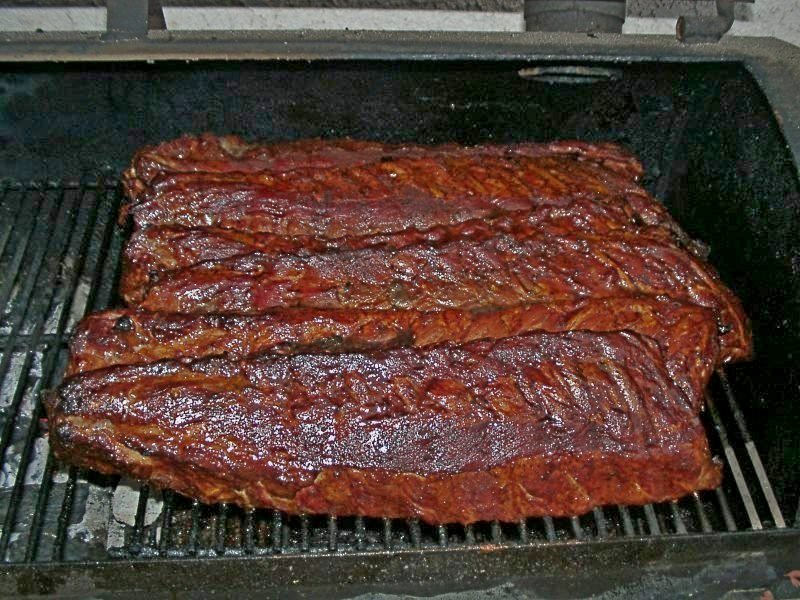
Smoked meats, heavily salted fish, pickled products, cured sausages, and preserved foods vary widely by culture and preparation method. Some traditional foods can fit into a healthy diet in small portions, but frequent reliance on smoked, salted, or cured foods may raise concerns because processing can introduce salt, nitrites, smoke-related compounds, and other byproducts.
The risk becomes more relevant when preserved foods replace fresh foods. A diet built around salted meats, processed snacks, refined grains, and low vegetable intake gives the body fewer protective compounds and more exposures that may increase risk. The solution is not to erase cultural foods. It is to reduce frequency, use smaller portions, and pair preserved foods with high-fiber, plant-rich meals.
For example, a small amount of smoked fish with beans, greens, tomatoes, onions, and whole grains is very different from a meal centered on large amounts of cured meat and refined starch. Context matters.
Burned Foods Are Not Worth the Flavor
Some people enjoy the bitter crunch of burned toast, blackened edges, crispy meat crust, and overdone fries. That habit is worth changing. Burned food can signal higher exposure to heat-created compounds, especially acrylamide in starchy foods and HCAs or PAHs in meats.
A good rule is to avoid eating the blackened parts. Cut them away from grilled meat. Toast bread lightly. Cook potatoes until yellow-gold rather than dark brown. Roast vegetables until caramelized, not burned. Flavor should come from spices, herbs, citrus, garlic, onions, vinegar, marinades, and sauces, not from scorching food past the point of safety.
Key Takeaway
The most convincing evidence of cancer-causing foods points to processed meat and alcohol, with additional concerns around high-heat cooking, heavily charred meat, fried starchy foods, sugary drinks, refined carbohydrates, and ultra-processed fast foods. Red meat and dairy require more nuance because the evidence depends on the amount, cancer type, and overall diet pattern.
The best cancer-prevention diet is not built on fear. It is built on repetition. We lower risk by eating more whole grains, vegetables, fruit, beans, nuts, and minimally processed meals, then cutting back on the foods and drinks most likely to raise long-term risk.