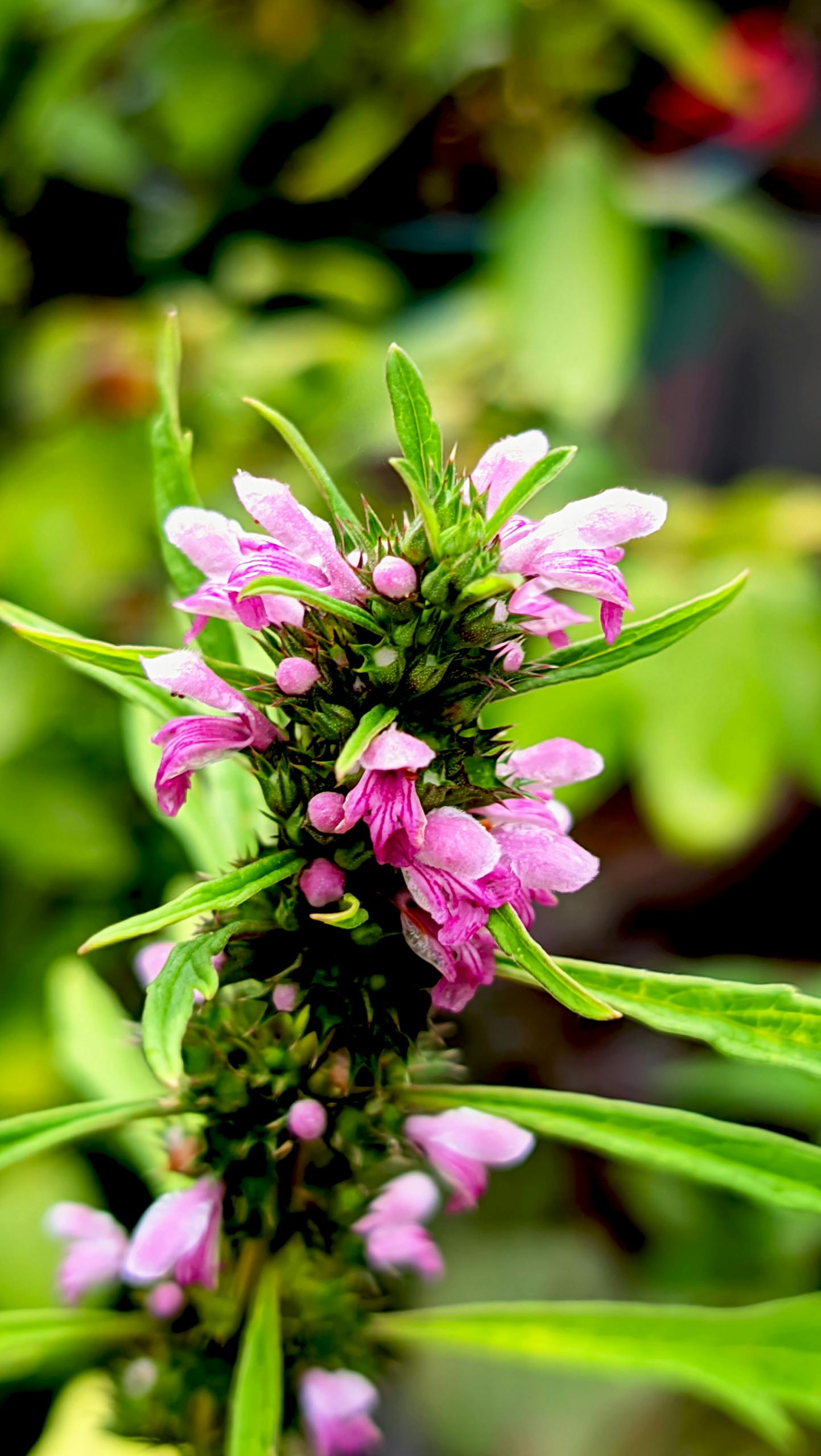
Artificial plants have become an essential part of modern home décor, offering all the benefits of greenery without the maintenance.
However, decorating with fake plants can go wrong if you make common mistakes that make them stand out as artificial. Here’s a guide on how to avoid these errors and make your artificial plants look as realistic as possible.
Choosing Low-Quality Faux Plants
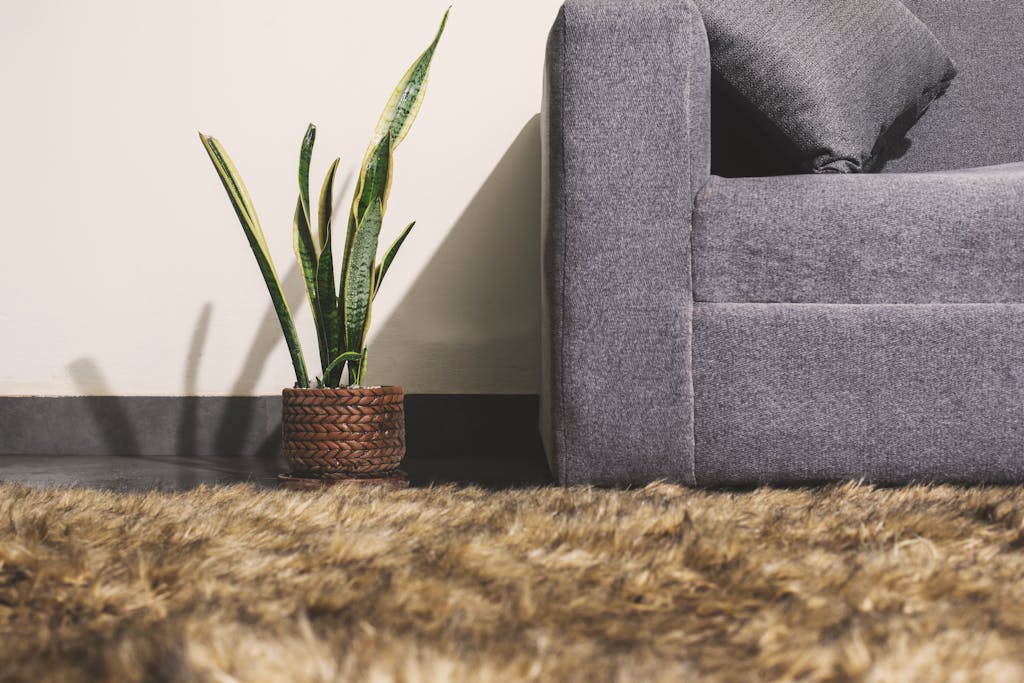
Problem: Low-quality fake plants are often made of shiny, unnatural materials that stand out, making them look cheap and unconvincing.
Solution: Invest in high-quality artificial plants. Look for ones with matte finishes, realistic stems, and varied leaf shapes. Always check for realistic imperfections, such as asymmetry in leaves and trunks. High-quality plants blend seamlessly into your space, giving your home a more sophisticated feel.
Using Indoor Plants for Outdoor Spaces
Problem: Indoor artificial plants are not built to withstand outdoor conditions like rain and direct sunlight.
Solution: If you want to place plants outdoors, select UV-resistant, weather-proof artificial plants. These are designed to withstand the elements, maintaining their color and shape without fading or deteriorating.
Overloading Your Space with Fake Plants
Problem: Filling every corner of a room with artificial plants can quickly make your home look cluttered and overly staged.
Solution: Balance artificial plants with real greenery. Use real plants in bright areas and artificial ones in places where real plants might struggle, such as low-light spots. Limit large faux plants to one or two statement pieces per room.
Choosing the Wrong Size for the Space
Problem: A small plant can get lost in a large room, while a giant tree might overwhelm a smaller space.
Solution: Choose plants that are proportionate to the size of your space. Place large plants in empty corners or next to furniture, medium plants on shelves or consoles, and small plants on desks or coffee tables. Ensure the plant’s size complements the surrounding space.
Neglecting the Overall Décor Harmony
Problem: Faux plants can feel out of place if their style or color clashes with the room’s décor.
Solution: Choose plants and planters that match your room’s overall theme. Pair greenery with complementary planter materials like wood, ceramic, or stone. Ensure the foliage’s color fits within your room’s color palette for a cohesive look.
Neglecting to Clean Artificial Plants
Problem: Dust and dirt can accumulate on artificial plants, making them look dull and neglected.
Solution: Clean your faux plants regularly. Dust leaves with a microfiber cloth and use compressed air to clean intricate foliage. Rinse them under water for a deeper clean every few months. Keep your faux plants looking fresh with minimal effort.
Placing Plants in Dark Corners
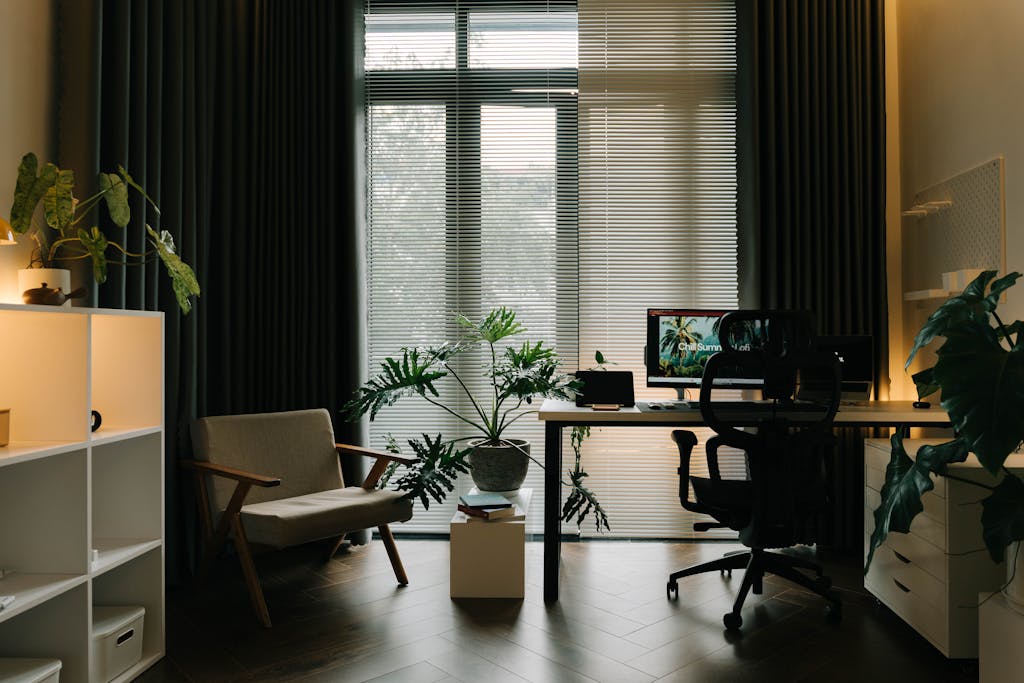
Problem: While fake plants don’t need sunlight, placing them in dark corners can make them look stiff and unnatural.
Solution: Position faux plants where real plants would naturally grow, near windows or under indirect light. This placement helps the plants look more integrated into the environment and less like an afterthought.
Arranging Plants Too Symmetrically
Problem: Perfect symmetry makes artificial plants look staged and unnatural.
Solution: Allow some irregularity in your plant arrangement. Slightly bend stems, vary heights, and place plants in a more organic, uneven way to replicate how real plants grow in nature. This randomness mimics the beauty of nature’s imperfections.
Overcrowding the Space with Faux Greenery
Problem: A room filled with too many plants can appear cluttered and chaotic.
Solution: Focus on fewer, carefully placed plants. Use statement plants that stand out and give each plant its own space to shine. By giving your greenery room to breathe, it will have a more powerful impact.
Skipping the Repotting Process
Problem: Many artificial plants come in basic, unattractive plastic pots that detract from their overall look.
Solution: Repot your faux plants into more decorative planters that match your interior style. Add a layer of faux soil, stones, or moss on top to enhance the realism. This simple step elevates the overall look of your faux plants, making them appear more lifelike.
Ignoring Natural Complementary Elements
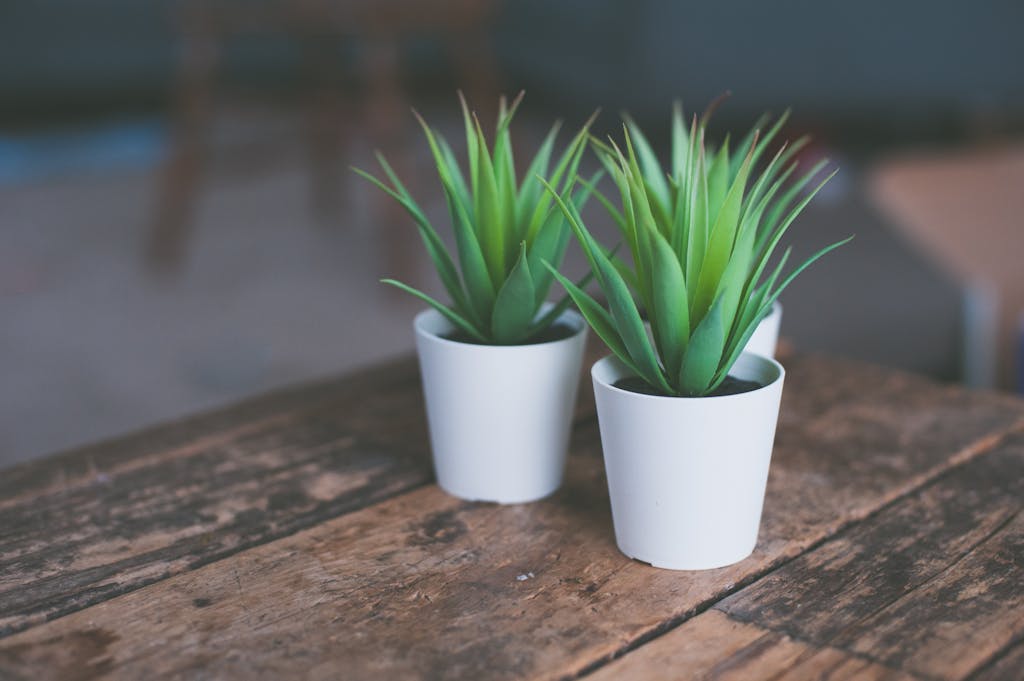
Problem: Faux plants can seem artificial when surrounded only by other artificial objects.
Solution: Pair artificial plants with natural materials such as wood, stone, or woven baskets. These elements help integrate the plants into your décor and enhance their realism. Natural textures will soften the sharp lines of artificial greenery.