Weddings can become expensive faster than most couples expect because the biggest decisions usually happen early. The venue, guest count, catering style, bar package, photography, flowers, music, rentals, attire, and service fees all start stacking up before the couple has even chosen a cake flavor. Current wedding cost data shows why careful planning matters.
The goal is not to turn a wedding into a stripped-down event that feels rushed, cold, or forgettable. The smarter goal is to spend money where guests will feel it, cut costs where few people will notice, and avoid choices that create hidden bills later. A beautiful wedding does not need every upgrade, every tradition, or every vendor package at the highest tier.
Start With a Real Wedding Budget Before Booking Anything

The wedding budget should come before the venue tour, the dress appointment, the catering tasting, and the photographer inquiry. Once a couple falls in love with a place or a vendor, it becomes much harder to make practical decisions. We need the total number first, then the priorities, then the vendor search.
A strong wedding budget begins with three figures. The first is the amount the couple can personally contribute without debt. The second is the amount family members have clearly offered, not vaguely hinted at. The third is the maximum amount the couple is willing to spend without sacrificing rent, savings, emergency funds, or future goals.
Once that number is clear, divide the budget into categories before money starts leaving the account. Venue, food, drinks, photography, attire, flowers, music, beauty, transportation, stationery, tips, taxes, and contingency funds all need their own place. A wedding budget without a buffer is risky because many quotes do not include final service charges, delivery fees, overtime fees, setup charges, cleanup costs, or taxes.
Build the Wedding Around Priorities Instead of Pressure
Every couple needs a short list of non-negotiables. For one couple, that might be great food, a packed dance floor, and elegant photography. For another, it might be a meaningful ceremony, a scenic venue, and a relaxed dinner with close family.
The problem starts when couples treat everything as equally important. Premium flowers, custom invitations, late-night snacks, luxury transportation, welcome bags, matching robes, favors, signage, live musicians, champagne towers, and elaborate desserts can all be lovely. They can also drain the budget when they are added without a clear reason.
A practical approach is to choose three main priorities and protect them. Everything else should earn its place. If photography matters most, spend confidently there and cut back on favors. If food matters most, choose a simpler invitation suite. If the venue is the dream, reduce floral installations and let the space carry the design.
Control the Guest List Early
The guest list is one of the most powerful wedding cost tools because every extra person affects several parts of the budget. More guests mean more meals, more drinks, more chairs, more tables, more linens, more centerpieces, more invitations, more favors, and often a larger venue. A guest list is not just a social decision. It is a financial decision.
Start with the people who truly belong in the room. Immediate family, closest friends, and people who are active in the couple’s life should come before distant relatives, old coworkers, plus ones given out of guilt. The cleanest way to save money is to reduce the guest count before contracts are signed.
Couples can also create guest list rules to make the process feel fair. For example, invite partners only when the relationship is serious, avoid inviting coworkers unless there is a close friendship outside work, and skip distant acquaintances the couple has not spoken to in years. These rules reduce emotional arguments because the decision is based on a standard, not a mood.
Choose the Wedding Date Like a Budget Strategy
Wedding dates have prices attached to them. Saturday evenings in peak wedding season usually cost more because demand is high. Weekdays, Sundays, mornings, afternoons, winter months, and less popular dates can open the door to better pricing or more flexible packages.
The venue is often one of the largest wedding expenses. The Knot’s venue cost data lists the average wedding venue cost at $12,900, with season, location, included services, and guest capacity all influencing price. The same data shows that guest count can push venue costs higher because larger events need more space, staff, power, rentals, and support.
Couples should ask venues for pricing across several dates instead of requesting one dream date only. A venue may have a lower minimum for a Friday, Sunday, winter month, brunch reception, or remaining open date. That one question can save more money than cutting tiny details later.
Pick a Venue That Includes More Than Empty Space
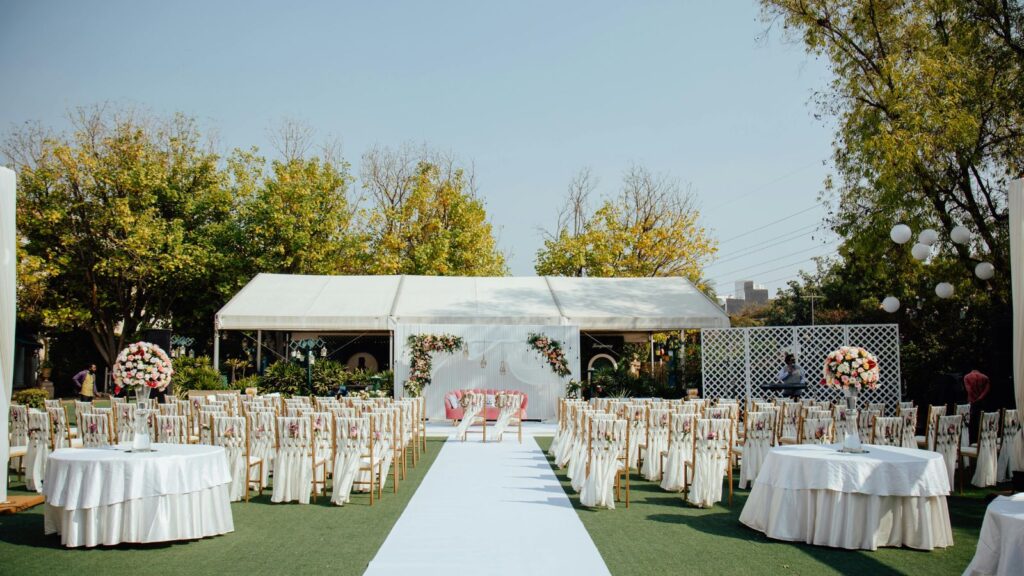
A low rental fee can be misleading when the venue includes almost nothing. A blank backyard, private estate, open field, or raw warehouse may look affordable at first, but the couple may need to bring in tables, chairs, restrooms, lighting, generators, tents, flooring, staff, catering equipment, insurance, security, parking, trash removal, and cleanup.
A venue with a higher upfront price may still be cheaper if it includes essentials. Tables, chairs, linens, ceremony space, reception space, kitchen access, staff support, sound equipment, basic lighting, parking, and cleanup can create real value. The correct question is not “Which venue has the lowest rental fee?” The better question is, “Which venue gives us the most usable value for the total price?”
Before booking, compare venues using complete numbers. Ask for an itemized quote that includes taxes, fees, staffing, rentals, required vendors, overtime, setup access, cleanup, and minimum spend. A beautiful venue can become a budget trap when the contract pushes couples into expensive required upgrades.
Save on Catering Without Serving Forgettable Food
Food is one of the most memorable parts of a wedding, but that does not mean every couple needs a luxury plated dinner. Catering can often be adjusted without making guests feel shortchanged. Buffet service, family-style meals, brunch menus, seasonal dishes, fewer courses, and simplified entrées can all reduce costs.
The best catering savings usually come from menu structure, not cheap food. Serve fewer passed appetizers. Choose one salad instead of multiple starters. Offer two entrées instead of four. Skip costly seafood upgrades unless they truly matter. Use seasonal ingredients. Replace late-night specialty stations with a simple crowd-pleasing snack.
Make the Bar Feel Generous Without Paying for Everything
A full open bar can become one of the most unpredictable wedding costs. Guests may appreciate it, but the couple does not need to offer every spirit, every premium label, and every cocktail variation to host well. A focused bar can still feel polished.
A smart wedding bar can include beer, wine, sparkling wine, and one or two signature cocktails. This gives guests variety without turning the bar into a luxury nightclub menu. Couples can also limit bar service to cocktail hour and part of the reception, then switch to beer and wine later.
Ask the caterer or venue about consumption pricing versus package pricing. Consumption pricing charges based on what guests actually drink, which can work well for lighter drinking crowds. Package pricing gives predictability, but can be expensive if many guests do not drink much. The right choice depends on the guest list, timeline, and venue rules.
Use Seasonal Flowers and Fewer Floral Installations
Wedding flowers can make a space feel romantic, fresh, and intentional. They can also become one of the quickest ways to overspend when couples choose imported blooms, out-of-season flowers, oversized installations, and arrangements for every surface. Flowers are beautiful, but they are temporary.
The easiest way to save is to use seasonal flowers, local greenery, and flexible color palettes. Instead of demanding one exact flower, tell the florist the mood, colors, and budget. A skilled florist can suggest similar blooms that deliver the look without forcing expensive sourcing.
Couples should also place flowers where they will be photographed the most. Bouquets, ceremony backdrops, sweetheart tables, entrance areas, and reception focal points matter more than small arrangements in places guests barely notice. Repurposing ceremony flowers for the reception can also stretch the budget without making the design feel thin.
Rethink the Wedding Cake
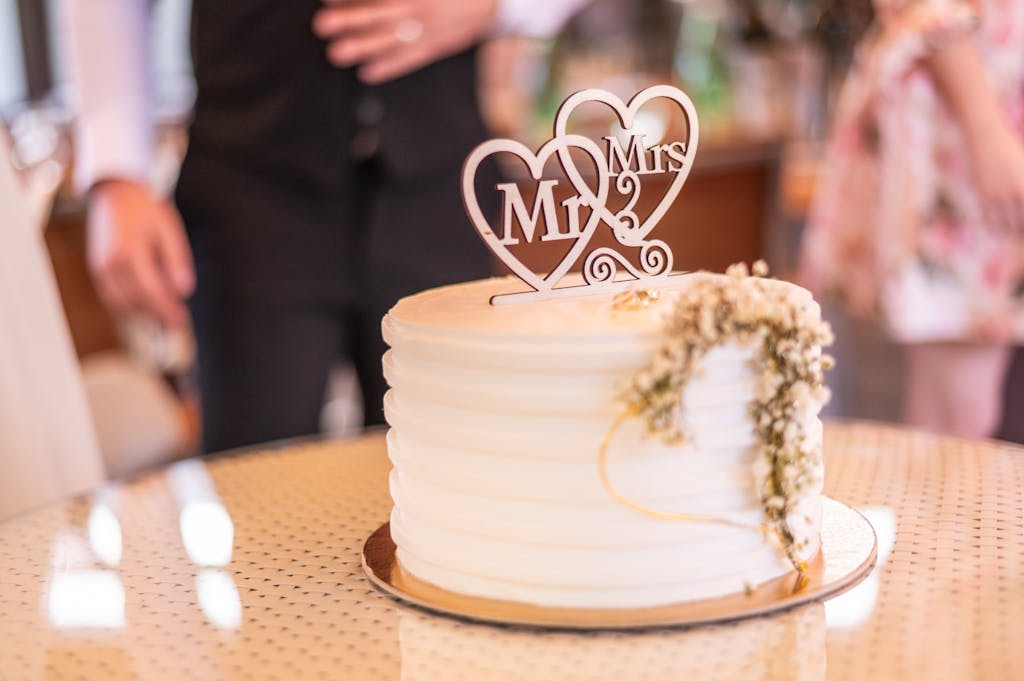
A towering wedding cake can be gorgeous, but it is rarely the only dessert option. Couples who want the cake-cutting moment can order a smaller display cake and serve sheet cake, cupcakes, cookies, doughnuts, mini desserts, or family favorite sweets from the kitchen. Guests care more about taste and timing than the number of tiers.
The cake table can still look elegant with thoughtful styling. Add candles, florals, fruit, a simple linen, or a beautiful stand. A smaller cake can feel intentional when it is presented well.
Dessert variety can even feel more generous than a large traditional cake. Some guests prefer chocolate, others prefer fruit, and others barely eat cake at weddings. A smaller cake with a dessert bar gives choice and saves money when planned properly.
Cut Invitation Costs Without Losing Style
Invitations set the tone, but they do not need to consume a large part of the budget. Letterpress, engraving, wax seals, heavy paper, envelope liners, custom illustrations, ribbon, and multiple insert cards can add up quickly. Elegant does not have to mean elaborate.
Digital printing is usually more affordable than specialty printing. Wedding websites can replace several insert cards by holding hotel details, registry information, dress code guidance, RSVP forms, and schedule updates. Couples can also use electronic save the dates and printed formal invitations for the main invite only.
Postage should never be an afterthought. Oversized, heavy, square, or unusually shaped invitations may cost more to mail. Couples should take completed invitations to the post office before sending the full batch, because returned invitations create delays and double mailing costs.
Book Photography by Coverage, Not Fear
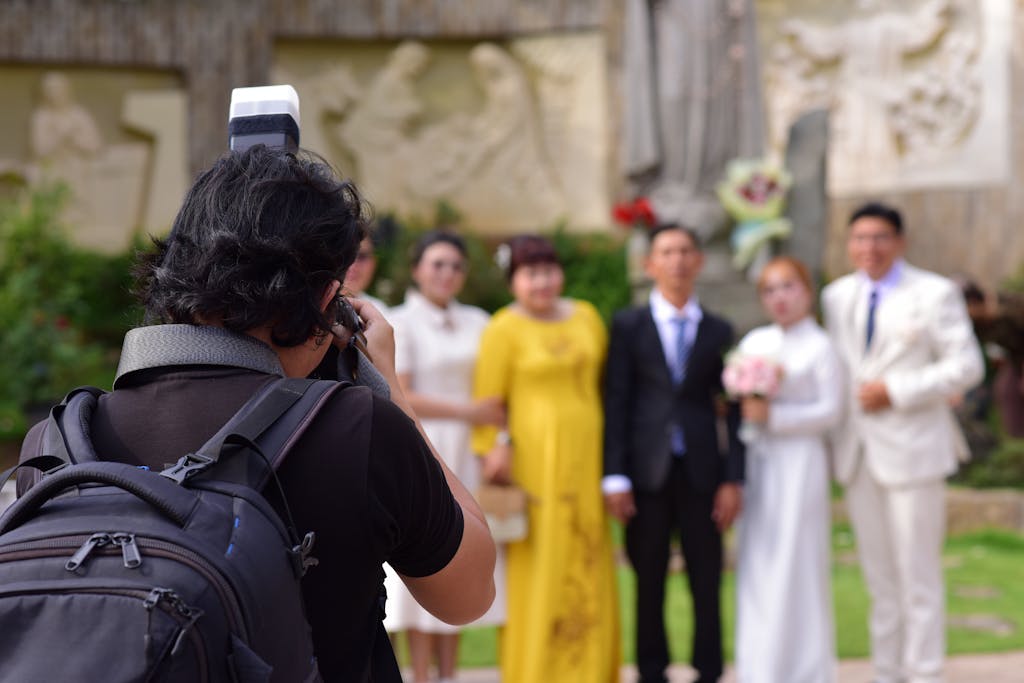
Wedding photography matters because the images last long after the day ends. Still, not every couple needs twelve hours of coverage, two shooters, engagement photos, rehearsal dinner coverage, albums, prints, and add-ons. The right package depends on the timeline.
A shorter photography package can work well when the couple plans carefully. The photographer can focus on getting ready details, the first look, the ceremony, family portraits, couple portraits, reception entrance, speeches, cake cutting, and early dancing. Once the major moments are captured, the final hours may produce fewer must-have images.
Rent, Borrow, and Reuse Wedding Decor
Wedding decor can quietly drain money because couples often buy items one at a time. Signs, frames, candles, card boxes, table numbers, vases, easels, baskets, mirrors, chargers, runners, and ceremony pieces can become expensive when purchased without a plan. After the wedding, many of those items have no real use.
Renting often makes more sense for decor that will be used once. Borrowing from recently married friends can also help. Some venues and planners have decor closets with candle holders, signage stands, table numbers, and ceremony pieces available for couples.
The most budget-friendly decor plan uses fewer items with a stronger impact. A clean tablescape, warm lighting, candles, greenery, and one strong focal point can look better than a room filled with disconnected details. Cohesion beats clutter.
Use Music Strategically
Music shapes the emotional rhythm of the wedding. It sets the ceremony tone, fills the cocktail hour, carries dinner, and drives the reception. Still, couples do not always need live musicians for every moment.
A DJ is often more affordable than a full live band and can handle ceremony sound, announcements, dinner music, and dancing. Couples who love live music can hire musicians for the ceremony only, then use a DJ for the reception. That keeps the emotional touch without the full night cost.
The playlist also deserves attention. A great music experience does not come only from hiring the most expensive entertainment. It comes from knowing the crowd, planning transitions, avoiding long dead moments, and keeping the dance floor inviting.
Watch the Hidden Wedding Fees
Some wedding costs are obvious. Others appear late and are hurt more because the couple did not plan for them. Service charges, taxes, gratuities, delivery fees, parking costs, coat check, cake cutting fees, corkage fees, vendor meals, overtime, breakdown charges, security, insurance, and rental damage waivers can change the final number.
Every vendor conversation should include one direct question. What costs are not included in this quote? That question forces clarity. It also helps couples compare vendors fairly because one quote may look cheaper only because it leaves out fees that appear later.
A contingency fund should be part of the budget from the beginning. Even a modest buffer can protect the couple from panic when final invoices arrive. Without it, small surprises can feel like disasters.