American cheese is that bright square slice that sparks debates about what “real cheese” even means while sliding off juicy burgers and sticking melted to grilled sandwiches. At first glance, most people just see a cheap processed cheese product, but its history, science, and surprising quirks go far beyond the plastic wrapper.
These facts reveal that American cheese is more intriguing than you might expect, and if you think you know it, what comes next will change your mind.
It Isn’t Really Cheese

American cheese is not classified by the U.S. Food and Drug Administration as traditional cheese because its production process and added ingredients set it apart from classic cheeses like cheddar or Gouda. Instead, it is legally known as a pasteurized process cheese product or a closely related category based on its formulation and emulsifiers. This legal distinction doesn’t stop it from tasting like cheese to millions, but it does mean that many versions technically can’t be labeled just “cheese.”
Most commercial American cheese contains only a portion of actual cheese, with emulsifying salts, water, coloring agents, whey products, and other additives making up the balance. Those ingredients keep the texture ultra creamy and the melt perfectly smooth when heated. The result is a product that behaves very differently from traditional cheeses, both in the fridge and on the grill.
Whether you love it or think of it as “plastic cheese,” most American cheeses end up fitting that FDA category precisely because of how they’re made. Its identity as processed cheese may unsettle purists, but it explains why it melts so reliably on hot dishes.
Any Cheese Can Become American Cheese
The defining characteristic of American cheese isn’t the original cheese used, but the process that makes it melt and retain a uniform texture. By blending traditional cheeses like Colby or cheddar with sodium citrate and other binding agents, producers transform them into the processed version everyone recognizes. This means that, technically, any cheese could be turned into a type of American cheese if processed this way.
This adaptability is part of what made processed American cheese a staple, since manufacturers could standardize melting quality across batches. The smooth, creamy outcome isn’t just popular, it’s predictable, which makes it ideal for commercial kitchens and fast food. Its behavior under heat is one of the reasons it became a go‑to ingredient.
So when you see different flavored slices or varieties, what has changed is often less about the core cheese and more about the additional ingredients or colors. This flexibility helped the product spread across menus nationwide.
It Was Popularized by a Canadian

Contrary to what many assume, American cheese’s incredible rise in popularity is credited not to an American but to James Kraft, the Canadian founder of Kraft Foods. Kraft perfected the process of combining sodium citrate with cheese blends in the early 20th century, making the product shelf‑stable and commercially scalable. His success introduced the public to the individually wrapped slices that became ubiquitous across America.
That innovation didn’t just shape grocery shelves; it helped create an entirely new category in cheese products that emphasized convenience and consistency. These advancements made American cheese a reliable choice for families and restaurants alike. When people think of processed cheese in the U.S., they’re often picturing the legacy of Kraft’s work.
The nickname “American cheese” stuck largely because Kraft marketed it aggressively in the United States, even though its creator was Canadian. This marketing success changed the world’s perception of cheese production and branding.
It Was Distributed by the U.S. Government
During times of economic hardship, especially in mid-20th-century America, processed cheeses like American cheese were often distributed by the U.S. government through food aid programs. These programs aimed to provide affordable, long‑lasting nutrition to families in need across the country and abroad. American cheese’s shelf stability made it a practical staple for such initiatives.
Government cheese programs used these processed products because they could withstand storage and transport better than most traditional cheeses. This distribution helped cement American cheese’s presence in households long before fast food chains made it iconic. Familiarity with the product grew through everyday use, not just on restaurant menus and in grocery aisles.
These programs shaped generations’ impressions of cheese and reinforced its association with comfort foods like grilled sandwiches and cheeseburgers. American cheese became more than food; it became a cultural fixture.
It Melts Like No Other
American cheese’s unmatched meltability is one of its most celebrated features and a reason it became a favorite for cheeseburgers and grilled cheese sandwiches. Unlike some traditional cheeses that separate into oil and solids when heated, American cheeses use emulsifiers that keep water and fat bound together. This engineered consistency creates an even, creamy melt every time.
Because of this quality, chefs and home cooks alike rely on it for dishes where texture matters as much as flavor. It doesn’t just melt, it melds into sauces and toppings without breaking down. This trait is so desirable that even culinary experts sometimes blend American cheese into recipes to improve the melt without compromising taste.
Its performance under heat is less about tradition and more about chemistry, which is celebrated by many and derided by some. But whether you praise or dismiss it, no cheese product melts quite like American cheese.
Its Color and Taste Are Engineered
The hallmark neon orange and mild flavor of American cheese didn’t occur by accident but through deliberate design. Many manufacturers add coloring agents, such as annatto, to give the product a uniform, eye‑catching hue. The result is that consumers associate the distinctive appearance of cheeseburgers with them long before tasting them.
Flavor‑wise, it leans toward mild and creamy, so it doesn’t overpower other ingredients in a dish. This engineered taste enhances rather than competes with accompanying flavors like beef, bread, or condiments. What you experience is a predictable, balanced profile rather than a bold, artisanal taste.
The texture and color standards helped American cheese carve out its spot in comfort food culture. Its predictable sensory profile has shaped how millions think about melted cheese.
Production Is a Blend of Art and Science
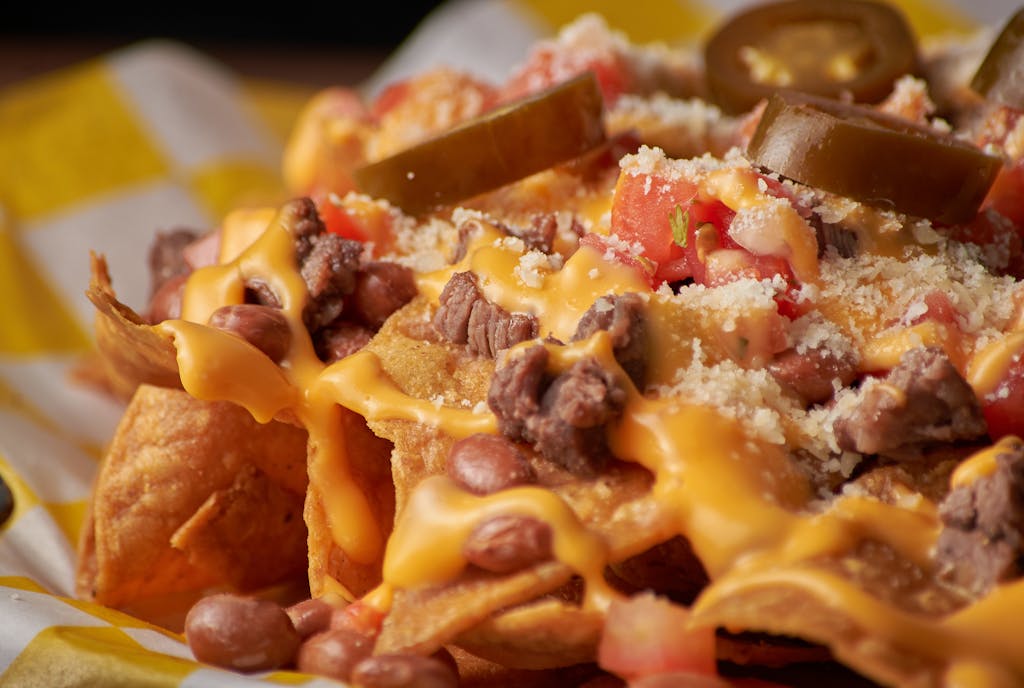
Making American cheese begins by blending real cheeses such as cheddar and Colby with emulsifiers and other stabilizers to form a homogeneous mixture. Sodium citrate and similar agents prevent water and fat from separating, giving the final product a smooth texture. The mixture is then pasteurized and shaped into blocks or individual slices.
This process blends traditional cheese components with food science innovation to create something uniquely consistent. By heating and emulsifying, manufacturers achieve a product that performs consistently every time it’s melted or chilled. It’s this industrial approach that distinguishes American cheese from farmhouse artisanal cheeses.
The science behind it also helps explain why it has a much longer shelf life than many natural cheeses. The processing and packaging are designed to extend usability and reduce waste.
Cheese Lovers Debate Its Worth
Opinions on American cheese vary widely among cheese lovers, culinary purists, and everyday consumers. Some dismiss it as overly processed and inferior to natural cheeses, while others praise its reliable melt and convenience on familiar foods. Its place in cheese culture sparks lively debates because it doesn’t fit neatly into traditional categories.
The controversy centers partly on its ingredients and partly on expectations of what “cheese” should be. Those who value flavor complexity and artisanal methods often deride it, while those who value practicality welcome it. Regardless of stance, most agree that American cheese occupies a distinct niche among dairy products.
This debate reflects broader tensions in food culture between tradition and convenience. American cheese sits right at that crossroads.
It Plays a Central Role in Comfort Food Culture
American cheese has become inseparable from classic comfort foods like cheeseburgers and grilled cheese sandwiches. Its predictable melt and mild flavor have made it a default choice in diners, fast food chains, and home kitchens. The image of a gooey, cheese‑topped burger is almost impossible to imagine without it.
Chefs and home cooks alike turn to it for smooth, consistent results. It also appears in macaroni and cheese, omelets, and melting sauces where texture matters. Its versatility helped make it one of the most recognizable cheese products in the world.
Whether you grew up with it or only recently formed an opinion, American cheese has earned a unique place in culinary history because of how it performs in dishes people love.
Marketers and Manufacturers Shaped Its Legacy
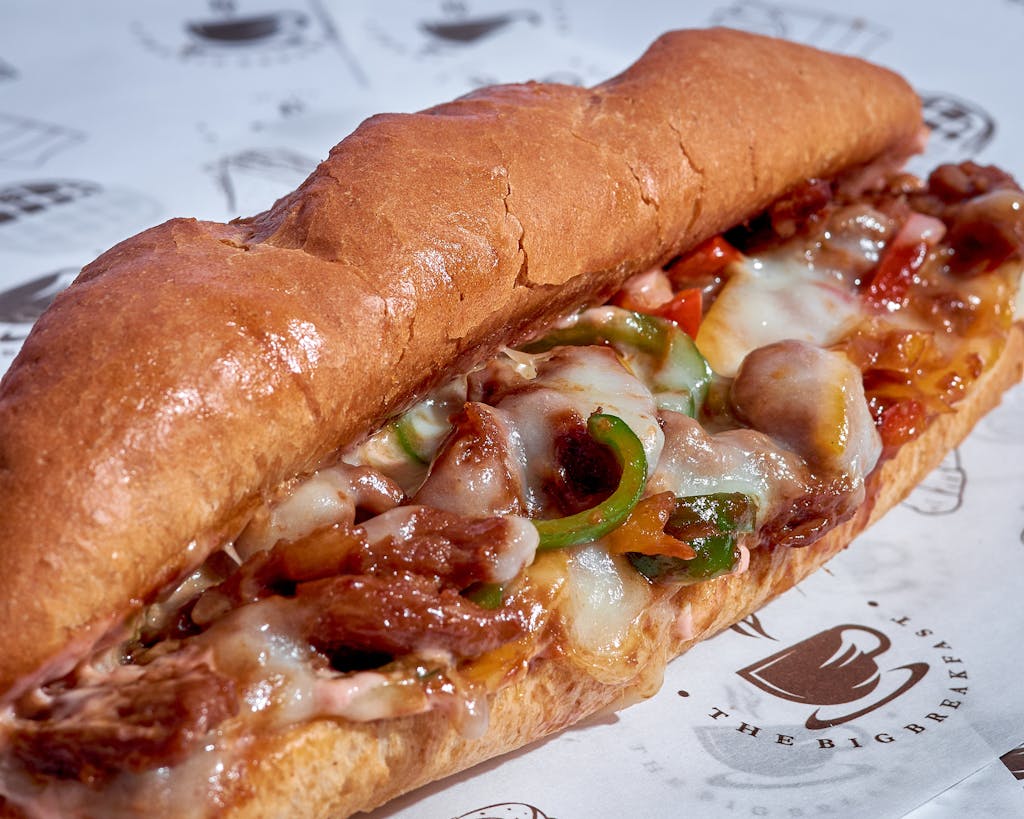
American cheese’s identity owes as much to branding and marketing as to its actual qualities. Companies like Kraft and Borden pushed it into grocery stores and onto restaurant menus, associating it with convenience, affordability, and consistency. The bright colors, neat slices, and uniform performance made it ideal for mass distribution.
Advertising campaigns highlighted its practicality rather than traditional craftsmanship, reinforcing a perception of it as a modern food innovation. This commercial strategy succeeded in embedding it into American food culture. Decades later, few cheese products are as widely recognized worldwide.
The marketing story is part of the reason so many people recognize it, even if they could never define how it differs from other cheeses.
Conclusion
American cheese may look simple and ordinary, but its story encompasses surprising science, legal quirks, cultural debates, and culinary significance. From its processed identity to its role in comfort food staples, it challenges expectations of what cheese can be. Whether you love it for its melt or question it for its ingredients, American cheese holds a fascinating place in food history.