Childhood looks adorable in old photos because nobody can hear the whining, the door slamming, the endless questions, or the mysterious sound of something breaking in the next room. We remember the fun, the cartoons, the snacks, the backyard adventures, and the freedom of being small enough to think the whole world existed for our entertainment. Our parents remember the missing shoes, the muddy floors, the bedtime negotiations, and the moment they realized silence from a child was never peaceful, only suspicious.
Most of us were not terrible kids. We were curious, loud, dramatic, messy, hungry at the wrong times, tired when school started, and suddenly full of energy when bedtime arrived. We tested patience without meaning to, turned ordinary errands into obstacle courses, and made our parents repeat the same instructions until their voices became household background music. Looking back now, it is easy to laugh because we finally understand the truth. We were the tiny chaos managers who thought we were innocent the whole time.
Leaving Toys Everywhere

Every parent knew the pain of walking through a room and stepping on a tiny toy with the emotional force of a personal betrayal. Blocks, dolls, cars, plastic animals, puzzle pieces, and action figures somehow spread across the floor like a miniature city after a storm. We never saw the danger because to us, the floor was not messy. It was a battlefield, a castle, a racetrack, a jungle, and a secret world that adults were rudely interrupting.
Our parents could ask us to clean up five times, and we would still leave one sharp little piece waiting under the couch like a trap. The worst part was that we always claimed we were “still playing,” even when we had abandoned the toys hours earlier. To us, cleanup felt like punishment. To them, it was the only thing standing between a peaceful evening and a barefoot injury in the hallway.
Refusing Dinner After Begging for Snacks
Few childhood crimes annoyed parents more than begging for snacks right before dinner, then acting shocked when food appeared on the table. We could be starving at 5:30, weak with hunger, on the verge of collapse, and suddenly not hungry at 6:00 when real food arrived. Crackers, cookies, cereal, and candy always had our loyalty. Vegetables had to prove themselves in court.
Parents would cook a full meal, place it in front of us, and watch us inspect it like suspicious detectives. One tiny green speck could ruin the whole plate. One onion, one pepper, one sauce, one strange texture, and dinner became a negotiation no one wanted to attend. We did not understand the work that went into the meal. We only knew that snacks never betrayed us with broccoli.
Touching Everything in Stores

Shopping was never a simple errand when we were children. They were museums where every item begged to be touched, squeezed, spun, lifted, opened, shaken, or secretly placed in the cart. Shiny objects called our names. Toys whispered from the shelves. Snow globes, keychains, magnets, candles, sunglasses, and anything fragile seemed to glow with forbidden magic.
Parents spent the whole trip saying, “Don’t touch that,” “Put that back,” and “Stay where I can see you.” We heard them, but curiosity often had a stronger volume. To a parent, a store was a place to buy what they needed and leave before traffic got worse. To us, it was an adventure park with rules that made no emotional sense.
Saying “Watch This” Before Doing Something Dangerous
The phrase “watch this” should have come with a warning siren. It usually meant we were about to jump from furniture, ride a bike too fast, flip off something unstable, or attempt a trick with absolutely no plan for a safe landing. We expected applause. Our parents saw medical bills.
The confidence we had was frightening because it was not supported by skill. We believed courage could replace balance, physics, and common sense. If the stunt went well, we wanted praise. If it went badly, we cried as if nobody could have predicted the disaster. Parents knew the truth. The moment a child said, “watch this,” the room became an emergency waiting for permission.
Tracking Dirt Through the House
A freshly cleaned floor was apparently an invitation for our shoes to prove they had been outside. Mud, grass, dust, sand, leaves, and mysterious crumbs followed us into the house like loyal pets. We did not notice the trail because children rarely look behind them unless they are being chased or hiding evidence.
Parents could mop, sweep, vacuum, and remind us to remove our shoes, only to find dirty footprints minutes later. The frustration was not just the mess. It was the timing. Dirt always arrived after cleaning, never before. We treated the house like the outdoors had simply extended indoors, and our parents lived in a permanent state of asking, “What is on your feet?”
Fighting With Siblings Over Ridiculous Things
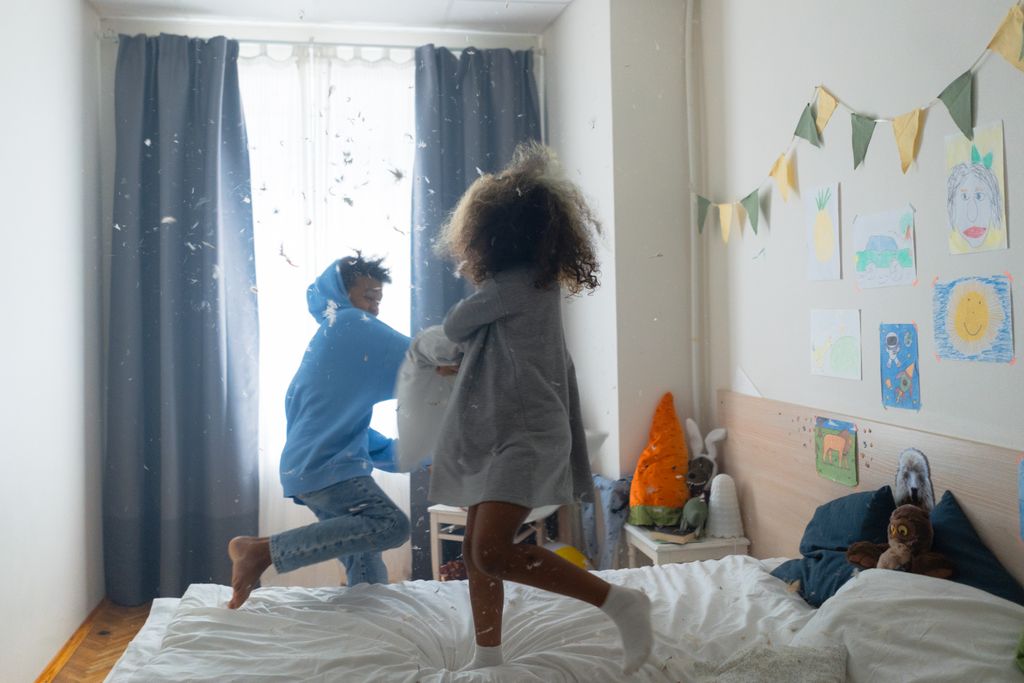
Sibling fights could begin over anything. A cup. A chair. A blanket. A look. A sound. A toy nobody wanted until someone else picked it up. We could turn the smallest disagreement into a courtroom drama, complete with accusations, tears, fake injuries, and passionate claims of injustice.
Parents were forced to become judges in cases no adult should have to hear. Who touched whom first? Who breathed too loudly? Who got the bigger slice? Who was sitting too close? By the end, our parents rarely cared who was right. They wanted silence, separation, and five minutes without hearing someone shout, “That’s mine.”
Interrupting Adult Conversations Like Breaking News Had Arrived
When we had something to say, it felt urgent enough to stop the entire adult world. It did not matter if our parents were on the phone, talking to a neighbor, handling bills, or discussing something important. We tugged on sleeves, repeated “Mom,” or stood beside them with the intensity of someone holding national secrets.
Most of the time, the urgent announcement was about juice, a toy, a cartoon, or a thought that disappeared the second we finally got attention. Being told to wait only made the need stronger. Adults had conversations that felt impossibly long to us, and we believed our snack-related update deserved immediate priority.
Making a Mess Right After the House Was Cleaned
There was something almost magical about how fast we could destroy a clean room. Pillows slid to the floor, crumbs appeared from nowhere, toys migrated across rooms, and craft supplies multiplied like they had been waiting for freedom. A parent could spend the whole morning cleaning and lose the results in ten minutes.
We rarely meant to ruin anything. We simply lived at full speed. Clean surfaces looked empty, and empty surfaces looked available. The couch became a fort, the table became an art studio, and the floor became whatever the game required. Parents saw hours of work disappearing. We saw creativity.
Asking Endless Questions Until Everyone Got Tired
Children are professional question machines. Why is the sky blue? Why do dogs bark? Why do people get old? Why do we have to sleep? Why can’t we eat cake for breakfast? One answer created three more questions, and soon the original topic had vanished into a maze of curiosity.
Parents wanted to encourage learning, but even the most patient adult has a limit. After the tenth “why,” answers became shorter, slower, and less confident. Sometimes they knew the answer. Sometimes they invented one. Sometimes they simply said, “Because it just is,” which every child knows is not a real answer but accepts when the adult looks tired enough.
Turning Bedtime Into a Full Negotiation

Bedtime was never just bedtime. It was a legal proceeding with several appeals. We needed one more drink, one more story, one more hug, one more bathroom trip, one more question, one more stuffed animal, and maybe one more check for monsters. Every request seemed reasonable on its own, but together they formed a brilliant delay strategy.
Parents could see through it, but that did not stop us. The moment the lights went off, our brains suddenly filled with important thoughts. We remembered school forms, missing toys, strange dreams, and questions about life. During the day, we ignored instructions. At bedtime, we became philosophers with dry throats.
Conclusion
The things we did as kids that drove our parents crazy now feel like family folklore. They were stressful in the moment, but many of them became the stories parents tell years later with laughter in their voices. The messes, arguments, missing shoes, and dramatic meltdowns were part of growing up, even when they tested every ounce of adult patience in the house.
We may not have understood it then, but our parents were doing more than cleaning floors and repeating instructions. They were raising people through noise, chaos, crumbs, questions, and tiny daily battles. Looking back, we can admit the truth with a smile. We were adorable, yes, but we were also exhausting.