Fall gardening sounds peaceful until the first cold snap arrives and exposes every lazy shortcut. Many gardeners assume the season is too gentle to cause trouble, but cool-weather vegetables still need timing, soil care, sunlight, and steady watering. Plant the wrong crop too late, crowd the bed, or ignore frost dates, and your hopeful autumn harvest can turn into a patch of stunted leaves and bitter disappointment.
The good news is that fall can be one of the best seasons for growing vegetables. Pests often slow down, leafy greens taste sweeter, and many crops thrive without the brutal summer heat. The trick is knowing which vegetables deserve space in your garden before the season slips away.
Forgetting Carrots Need Loose Soil

Carrots may look simple, but they punish gardeners who toss seeds into hard, rocky ground. Their roots need room to stretch downward, and compacted soil can leave them twisted, stubby, or oddly forked. That means the bed needs deep loosening before planting.
Fall carrots are worth the effort because cooler weather can improve their sweetness. Once they settle in, they grow quietly underground while the rest of the garden slows down. Keep the soil evenly moist, thin seedlings early, and let the roots mature before pulling them too soon.
Planting Spinach Too Late
Spinach is one of those fall crops that can make a gardener feel brilliant, but only when it gets enough time to grow. If you wait until the weather turns sharply cold, the plants may stay tiny instead of producing generous leaves. Spinach needs a head start before frost becomes a regular visitor.
Give spinach a sunny or partly sunny spot with well-draining soil. It grows quickly, so you can often enjoy tender leaves before slower crops are ready. The mistake is treating it like an afterthought, because fall spinach rewards early action.
Ignoring Kale Until Frost Arrives
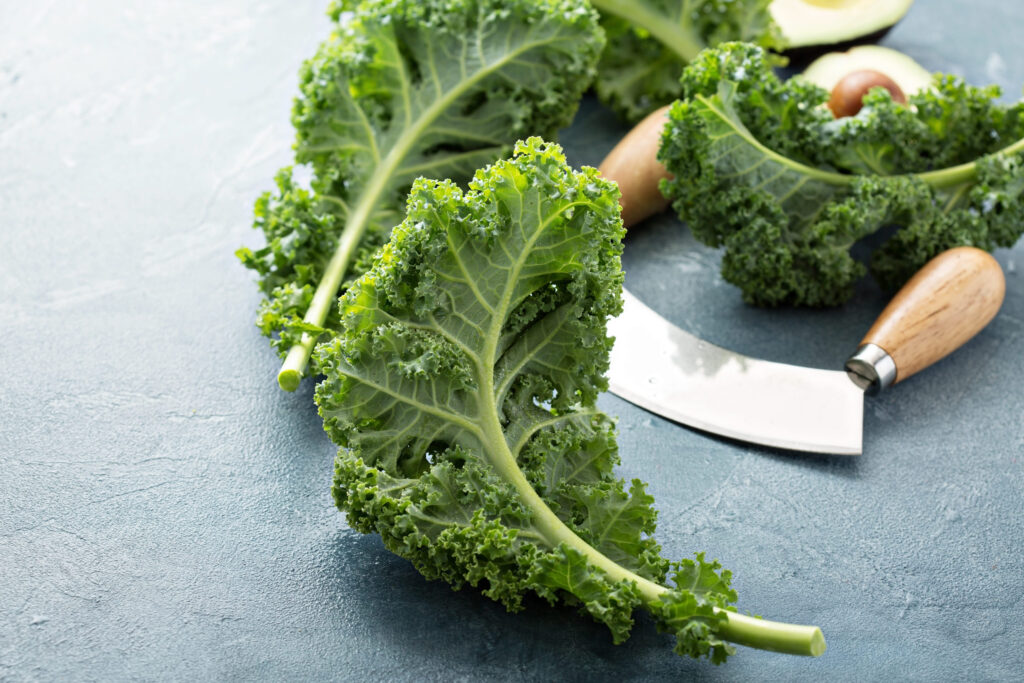
Kale has a tough reputation, but that does not mean it can perform miracles in neglected soil. It needs fertility, decent spacing, and steady moisture to produce full, healthy leaves. Planting it too late may leave you with a few sad stems instead of a steady harvest.
The beauty of kale is that it tastes better in cool weather. A light frost often softens its bite and brings out a sweeter flavor. Plant it early enough, harvest the outer leaves first, and it can keep producing long after more delicate greens have given up.
Expecting Peas to Handle Heat
Peas love cool weather, but they hate being forced through lingering summer heat. Plant them too early during hot spells, and germination can struggle. Plant them too late, and frost may arrive before pods have time to fill.
Fall peas need a careful balance. Give them support, keep the soil moist, and choose faster-maturing varieties when the season is short. They also help improve the soil, making them a smart crop for gardeners who are thinking beyond one harvest.
Underestimating Brussels Sprouts
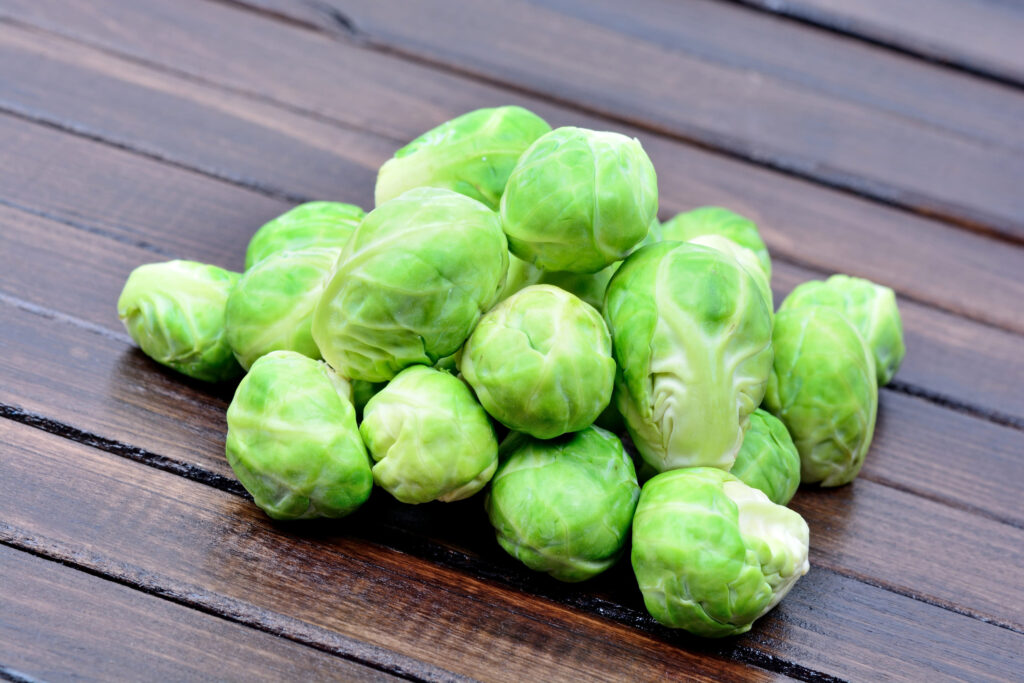
Brussels sprouts are not a casual last-minute crop. They take patience, space, and time, which makes them risky for gardeners who remember them in late fall. Start too late, and you may get leaves instead of firm little sprouts.
These plants love cool weather and steady moisture. They also need full sun and rich soil to form properly. If you want Brussels sprouts on the table, think of them as a long-term fall investment, not a quick patch filler.
Treating Broccoli Like a Beginner Crop
Broccoli can be rewarding, but it does not tolerate sloppy timing very well. Warm weather can stress it, while late planting can leave heads too small before cold weather arrives. It needs the right fall window to produce those firm, green crowns.
Broccoli also needs feeding. Poor soil can create weak plants that never reach their full potential. Give it fertile ground, consistent watering, and enough spacing, then watch for the central head before side shoots begin forming.
Letting Cauliflower Dry Out

Cauliflower is one of the pickier fall vegetables, and it shows stress quickly. Inconsistent watering can lead to small heads or poor growth. It also needs rich soil, steady care, and enough time to mature before a serious cold settles in.
This crop rewards gardeners who pay attention. Keep the soil moist, avoid overcrowding, and protect developing heads from harsh swings in weather. Cauliflower may not be the easiest fall vegetable, but when it works, it feels like a garden victory.
Assuming Radishes Cannot Fail
Radishes grow fast, which makes people careless. Tossing seeds into poor soil, ignoring spacing, or letting them sit too long can turn crisp roots woody, cracked, or overly sharp. Their speed is a gift, but it also means mistakes show up quickly.
Fall radishes are excellent for impatient gardeners because they can mature in a short window. They prefer cool soil and regular moisture. Harvest them young, and they bring crunch and peppery bite when many summer crops are fading.
Skipping Lettuce Because Summer Ruined It
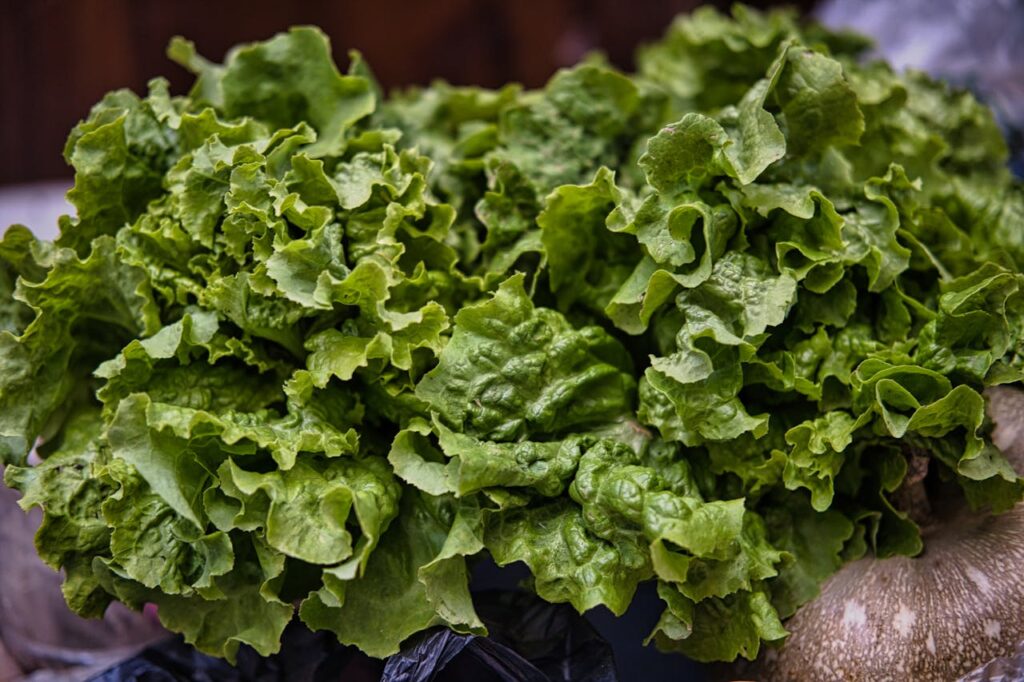
Many gardeners give up on lettuce after watching it bolt in summer heat. That is a mistake, because fall is often a much better season for tender greens. Cooler days help lettuce stay mild, crisp, and useful for quick kitchen harvests.
Choose loose-leaf varieties for faster results. You can harvest outer leaves while the plant keeps growing. Just avoid letting the bed dry out, because stressed lettuce can turn bitter even in cool weather.
Forgetting Beets Are More Than Roots
Beets are a smart fall crop because both the roots and greens are useful. The mistake is planting them in neglected soil and expecting smooth, tender roots. Like carrots, beets need loose, well-drained soil and steady moisture to size up properly.
They also bring color to a fall garden that can otherwise look tired and dull. Young beet greens work well in salads or sautés, while the roots become sweeter and richer as the weather cools. Give them enough space, and they can become one of the season’s most satisfying crops.
Conclusion
Fall gardening fails when people treat it like summer’s leftovers. The season has its own rhythm, and vegetables like carrots, spinach, kale, peas, Brussels sprouts, broccoli, cauliflower, radishes, lettuce, and beets all need the right timing to shine. A little planning can turn a fading garden into a second harvest season.
The real danger is waiting too long. Once frost dates get close, every week matters. Plant wisely, water consistently, and your fall garden can still surprise you with crisp greens, sweet roots, and cool-weather vegetables worth bragging about.