Vinegar has earned a reputation as a versatile and eco-friendly cleaning agent, but it is far from safe for every surface in your home. Its acidic properties can corrode, dull, and damage materials if used improperly. We have compiled a detailed list of household items and surfaces that react poorly to vinegar, helping you avoid costly mistakes while maintaining the integrity of your belongings.
Steam Irons
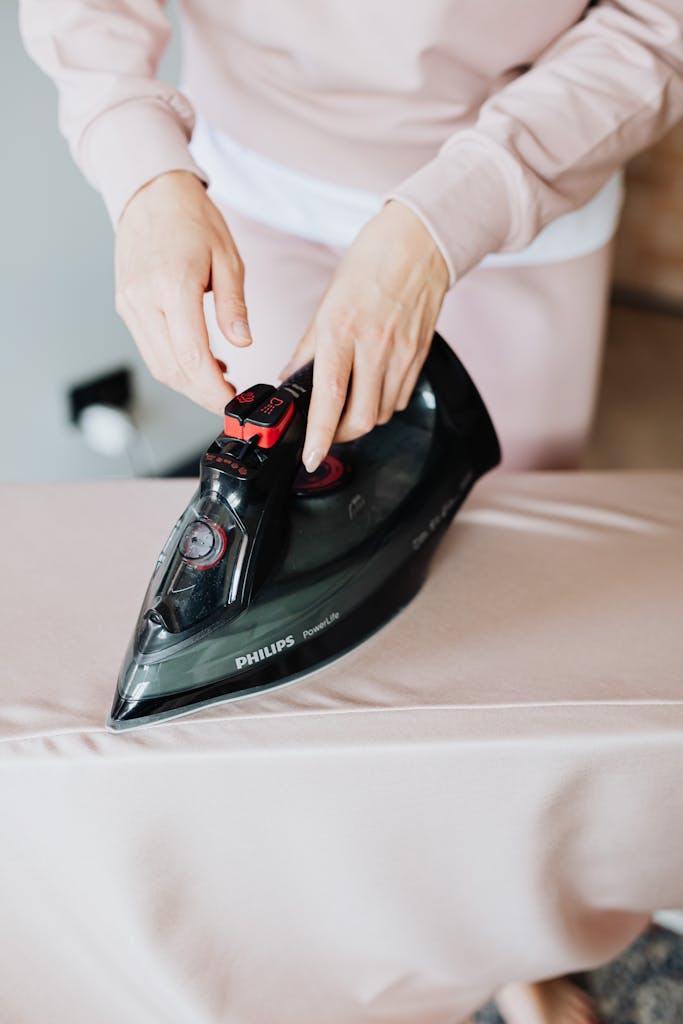
Adding vinegar to a steam iron may seem like a shortcut for removing mineral deposits, but the acid can eat away at the protective lining and internal metal components. Steam irons are designed to handle water, not acidic solutions, and repeated use of vinegar can shorten the appliance’s lifespan. Always follow the manufacturer’s cleaning instructions or use the self-cleaning function for safe maintenance.
Tech Devices
Laptops, tablets, smartphones, and TVs often feature delicate coatings on their screens. Vinegar can degrade these coatings, leading to discoloration, streaking, or permanent damage. For safe cleaning, use microfiber cloths or wipes specifically formulated for electronic screens, avoiding any acidic or abrasive solutions.
Kitchen Knives
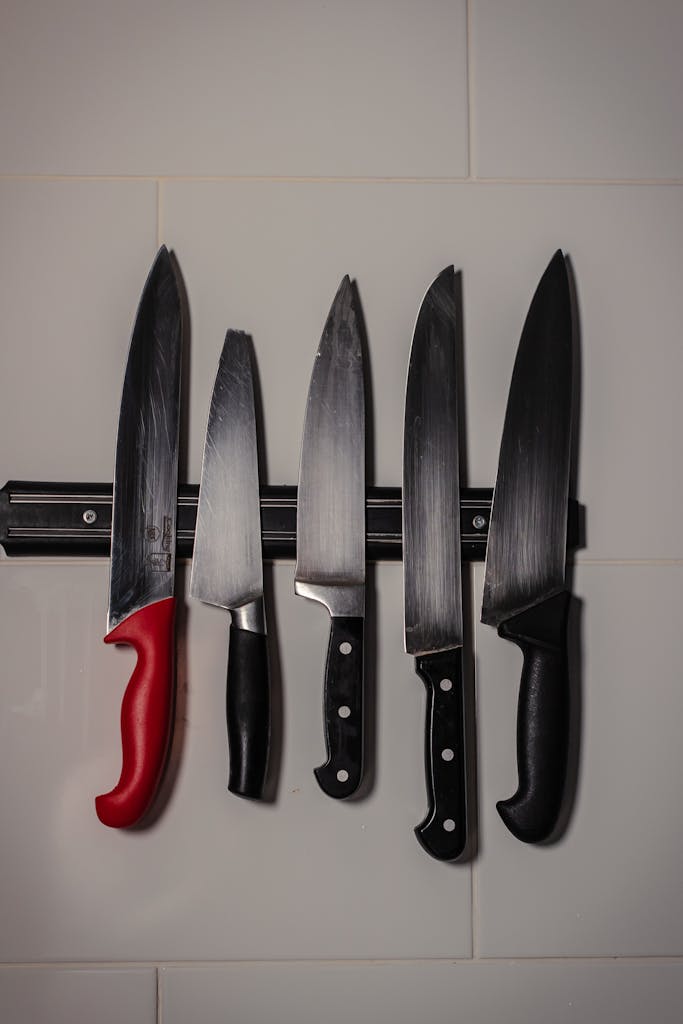
While vinegar can remove minor rust, frequent use can corrode the finish and dull blades. The best way to maintain kitchen knives is to wash them promptly with warm, soapy water, dry them thoroughly, and store them safely. Avoid soaking knives in acidic solutions to preserve sharpness and integrity.
Natural Stone Countertops
Granite, marble, and other natural stones are highly reactive to acids. Vinegar can etch or dull their surfaces, leaving permanent marks. Use pH-neutral cleaners or specially formulated stone care products to maintain the shine and durability of stone countertops.
Dishwashers
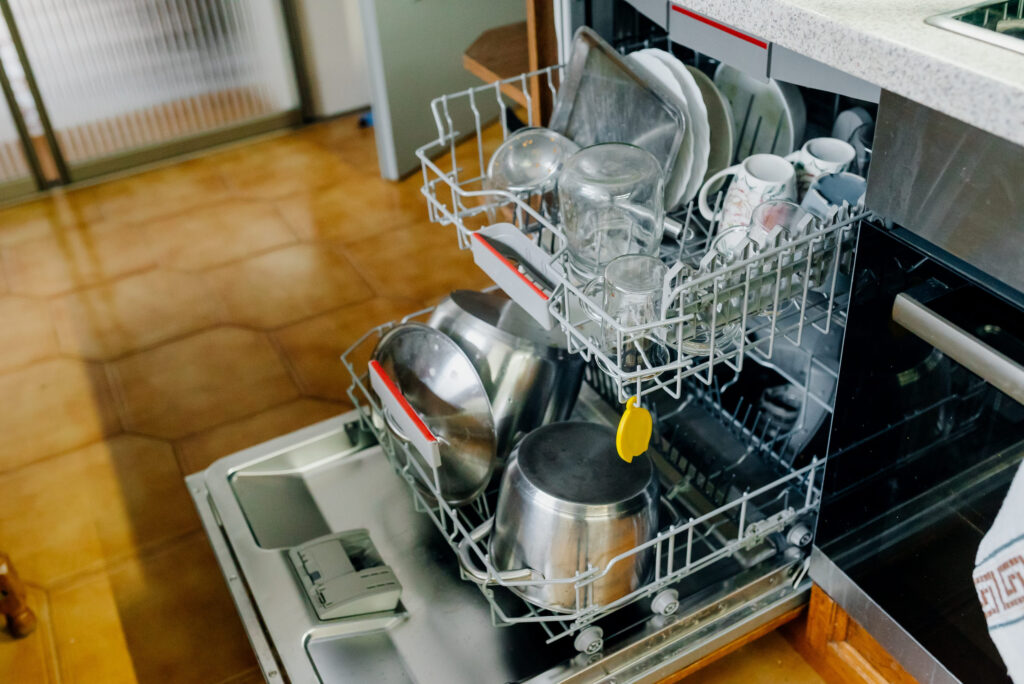
Although vinegar is often recommended to remove buildup, frequent use can damage rubber seals, gaskets, and internal components. Specialized dishwasher cleaners offer safe alternatives that maintain efficiency without degrading the appliance.
Wood Flooring and Furniture
Vinegar’s acidic composition dissolves wax and protective coatings, leaving hardwood floors and wooden furniture dull, cloudy, or scuffed. Clean wooden surfaces with mild soap and water, or with products specifically designed for wood care, to prevent long-term damage.
Ceramic Tile and Grout
While tiles themselves are resistant, the grout between them is vulnerable. Vinegar can erode grout and damage finishes, accelerating wear. Warm water and mild detergents are the safest options for tile cleaning.
Small Kitchen Appliances
Plastic and glass components are generally safe, but stainless steel, metal, and rubber parts are susceptible to corrosion from vinegar. Clean appliances with non-acidic solutions to avoid deterioration of sensitive materials.
Pet Accidents
Vinegar may mask odors for humans, but pets can still detect and mark areas that were cleaned with vinegar. Enzymatic cleaners are necessary to fully eliminate biological odors and prevent repeated pet marking.
Mirrors
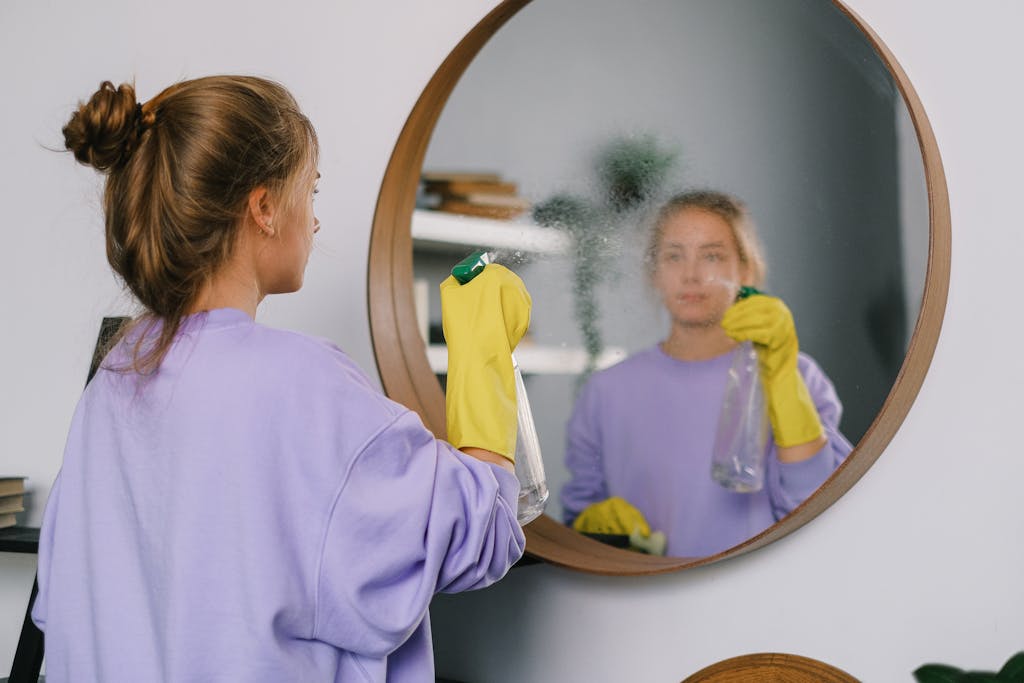
DIY glass cleaners with vinegar can seep under the thin silver backing, causing tarnishing or permanent damage. For mirrors, use gentle glass cleaners or microfiber cloths to maintain reflective surfaces safely.
Cast Iron Cookware
Vinegar strips away the seasoning on cast iron, which serves as a natural non-stick surface. Use minimal soap or specialized cast-iron cleaning methods to protect the seasoning and ensure longevity.
Egg Spills
Acidic vinegar can cause egg proteins to coagulate, making spills harder to remove. Warm water and gentle soap prevent stubborn residue and simplify cleanup.
Aluminum Cookware
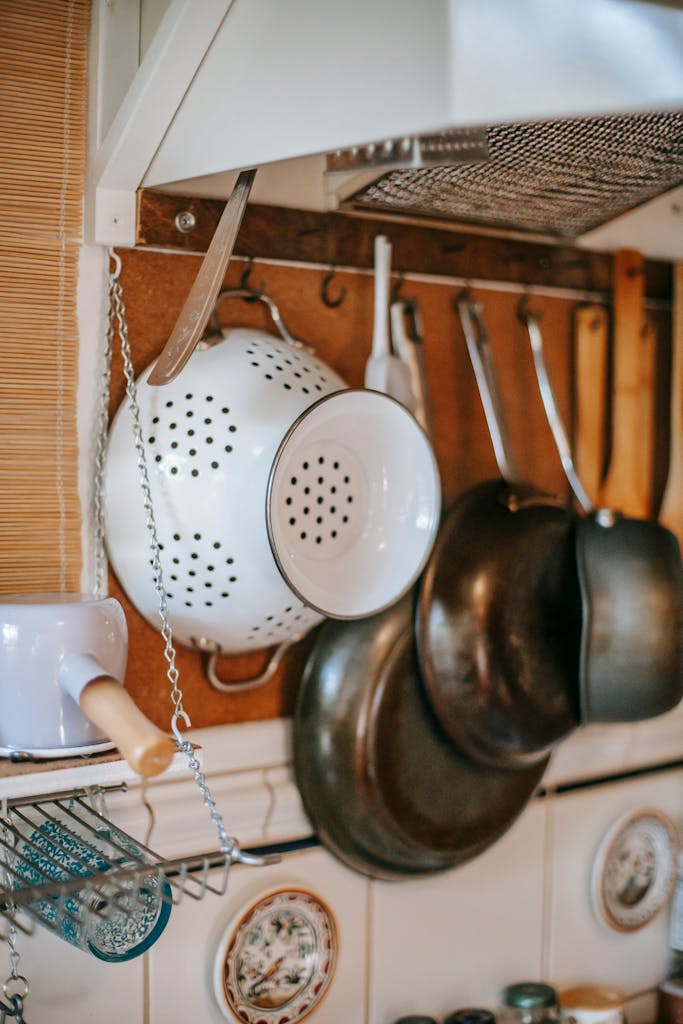
Vinegar reacts with aluminum, causing corrosion, pitting, and surface dulling. Baking soda paste or mild dish soap with warm water provides a safer alternative for cleaning aluminum cookware.
Conclusion
While vinegar is an effective cleaner for many applications, its acidic nature can damage sensitive surfaces and materials throughout the home. Avoid using vinegar on steam irons, electronics, knives, natural stone, wood, appliances, pet stains, mirrors, cast iron, and aluminum. Choose safer, purpose-specific cleaning products to maintain the durability and appearance of your belongings.