A dentist appointment can make even the most confident person behave strangely. Suddenly, someone who ignored flossing for six months is scrubbing as if preparing for a courtroom confession. Someone else is popping mints, chugging coffee, whitening their teeth, and pretending the dentist will not notice the tiny war happening near the back molar.
The good news is simple. Your dentist does not need you to arrive with a perfect mouth. They need you to arrive prepared, honest, and calm enough to let them do their job. A dental visit is not a beauty pageant for your teeth. It is a health appointment, and the choices you make before you sit in that chair can affect comfort, safety, and the quality of your treatment.
Do Not Drink Too Much Coffee Before You Go
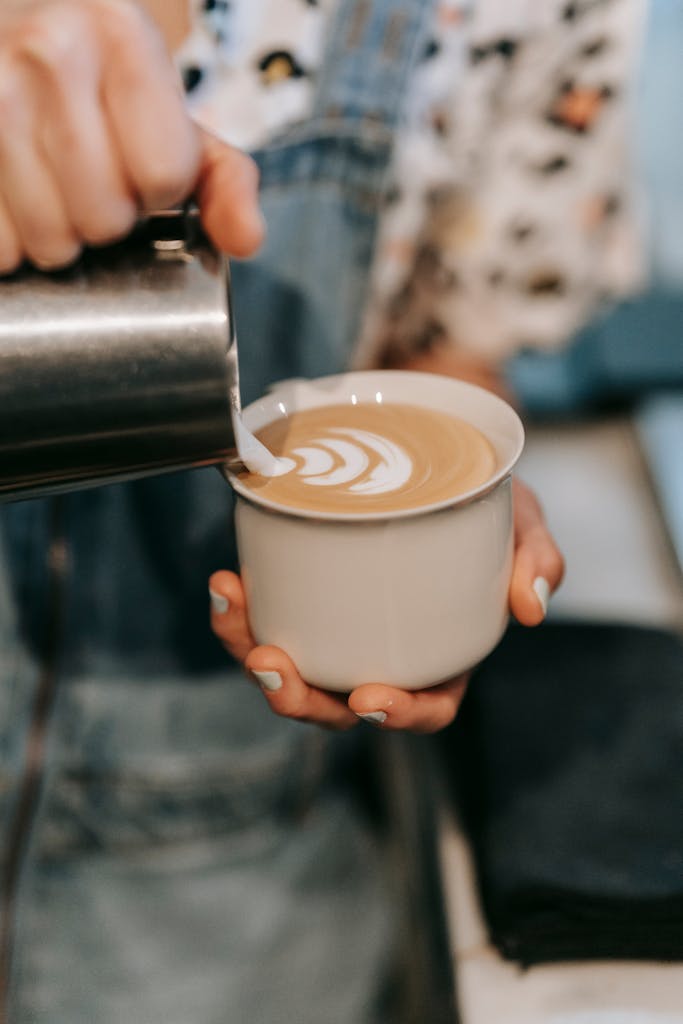
Coffee feels harmless because it is part of the daily routine for millions of people. It is the warm little engine that gets the morning moving. Still, a large coffee right before a dental appointment can turn a regular cleaning into a jittery performance. Caffeine can make some people feel nervous, restless, or overly alert, and that is not the best mood to carry into a room filled with bright lights and dental tools.
For most adults, the FDA says 400 milligrams of caffeine a day is not generally linked to negative effects, but sensitivity varies widely from person to person. That matters because a dental appointment already makes some patients anxious, and caffeine only adds to it. A small coffee may be fine for many people, but a giant iced drink, an energy drink, or back-to-back cups can leave you feeling tense in the chair.
Coffee can also leave a strong taste and odor in the mouth. That is not a moral failure, but it is not exactly helpful when someone is working inches from your face. If you need caffeine, keep it modest and drink water afterward. Better yet, save the big coffee reward for after the appointment, when your mouth is clean, and your nerves are no longer trying to leave your body.
Do Not Smoke or Vape Right Before the Visit

Smoking before a dentist appointment is one of those choices that feels private until the chair reclines. Dentists can often spot signs through staining, gum irritation, changes in breath, dry mouth, and tissue changes. Trying to hide it with gum or mouthwash rarely works. It usually just adds mint on top of smoke, which is not the upgrade people think it is.
Tobacco use has serious oral health links, including gum recession, periodontal disease, oral cancer, tooth staining, and impaired healing after periodontal treatment. Smokeless tobacco also carries oral risks, including tooth discoloration, bad breath, enamel erosion, gum recession, tooth decay, and tooth loss.
This does not mean your dentist is there to shame you. A good dental team needs accurate information to treat your mouth safely and realistically. If you smoke or vape, say so. If you are having a procedure that involves healing, such as an extraction, implant work, or deep gum treatment, the timing becomes even more important. Avoid smoking before the visit, and ask your dentist how long to avoid it afterward.
Do Not Start Whitening Your Teeth at the Last Minute
There is a very specific panic that happens the night before a dentist appointment. A person looks in the mirror, decides their teeth suddenly look like they have betrayed them, and reaches for whitening strips, peroxide rinses, baking soda hacks, charcoal paste, or some viral trick that belongs nowhere near enamel. That last-minute makeover can backfire quickly.
Whitening products can cause temporary tooth sensitivity, and overuse can damage enamel or irritate gums. The American Dental Association’s Mouth Healthy guidance also advises people to follow directions and talk with a dentist about whitening, especially when sensitivity or gum irritation appears.
Your dentist needs to see the real condition of your teeth and gums. Whitening right before the appointment may make your mouth more sensitive during cleaning or worsen existing gum irritation. It can also distract from what the dentist is actually evaluating, such as cavities, enamel wear, gum inflammation, exposed roots, or old dental work. If you want a brighter smile, bring it up during the visit. That is the right time to discuss safe options.
Do Not Brush and Floss Like You Are Trying to Undo Six Months
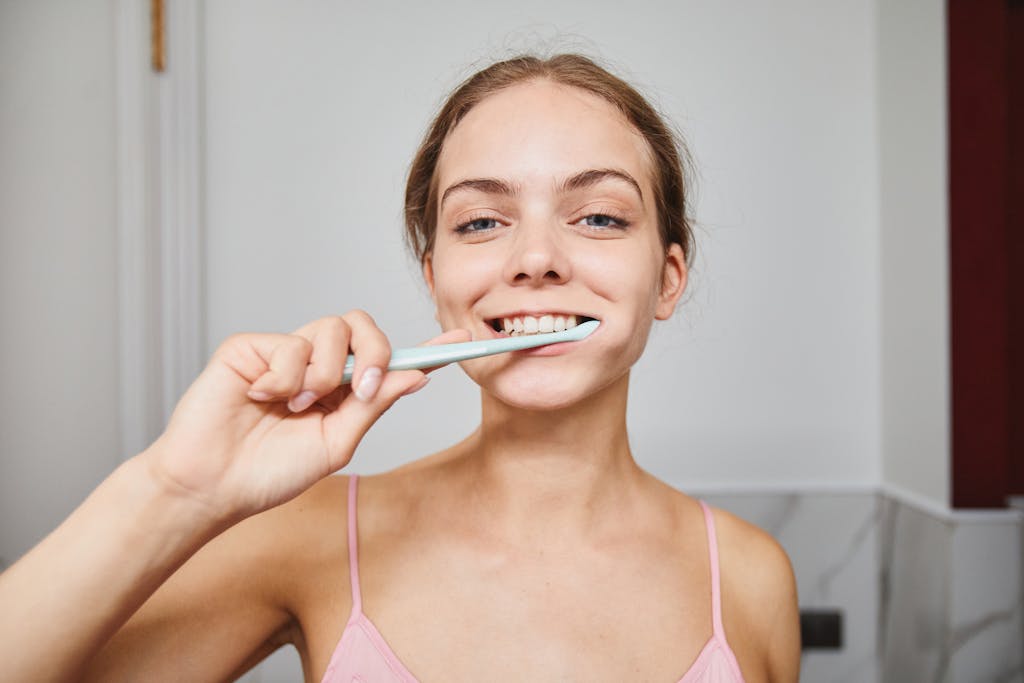
A last-minute brushing attack is one of the most common pre-dentist rituals. People press harder, brush longer, floss aggressively, and rinse like they are trying to erase a dental crime scene. The problem is that your gums are not fooled. If you have not flossed regularly, a sudden, intense flossing session can leave gums sore, swollen, and bleeding.
Good oral hygiene is built through routine, not panic. The ADA recommends brushing twice a day for 2 minutes with fluoride toothpaste and cleaning between the teeth daily. That simple routine does more for your mouth than one dramatic flossing session before the appointment.
Brush normally before you leave. Floss gently if it is part of your routine, but do not saw at your gums like you are cutting rope. Your dentist has seen every version of “I flossed for the first time last night.” They are not there to judge the performance. They are there to check what is really happening and help you build better habits after the appointment.
Do Not Eat a Messy Meal Minutes Before Walking In
Nobody wants to discover sesame seeds, spinach, garlic, or popcorn pieces during a dental cleaning. Eating right before the appointment can leave food trapped between teeth, especially if the meal is sticky, crunchy, or strongly seasoned. A quick rinse may not clear everything, and a rushed brush in a public bathroom rarely does the job well.
This does not mean you should arrive hungry and miserable. If your appointment is long, early, or likely to involve numbing, you may need a simple meal beforehand. The trick is timing and food choice. Eat early enough to clean your mouth properly afterward, and choose something that will not cling to every corner of your teeth.
A smart pre-appointment meal is boring in the best possible way. Think scrambled eggs, yogurt, toast, oatmeal, soup, banana, or another soft, simple option. Avoid garlic-heavy meals, sticky candy, chips, popcorn, seeds, and anything that turns your molars into storage units. Your hygienist will still do their work, but you can make it easier and less awkward.
Do Not Hide Your Medications or Health Conditions
A dental appointment is not separate from the rest of your health. Your mouth is part of your body, and your dentist needs to know what is going on beyond your teeth. Medications, allergies, pregnancy, diabetes, heart conditions, blood thinners, immune conditions, recent surgeries, and past reactions to anesthesia can all matter.
The ADA explains that medical and dental histories help reveal conditions or medications that affect treatment decisions. It can also help identify medications that may interact with anesthetics or influence care after a procedure.
Bring a medication list if you take prescription, over-the-counter, or herbal products. Mention recent health changes, even if they feel unrelated. A new diagnosis, a new medication, a recent hospital visit, or a bad reaction after a previous dental treatment may change how the dentist approaches your care.
This is also where honesty protects you. Some people hide health details because they feel embarrassed. Others forget to mention medications because they assume the dentist only cares about cavities. That is a risky assumption. A dentist cannot make the best decision with half the story.
Do Not Take Random Painkillers Without Thinking
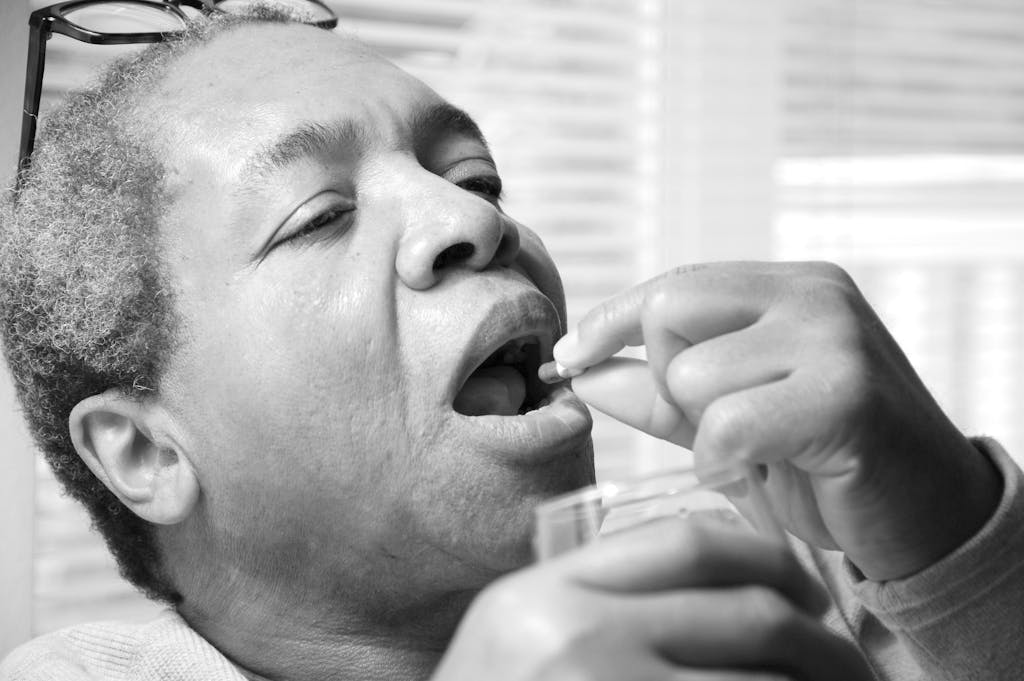
Tooth pain can make people desperate. It can turn a reasonable person into someone holding an ice pack, scrolling the internet at 2 a.m., and considering every pill in the house. Pain relief can help, but guessing your way through medication is not smart.
The NHS advises that a toothache can be managed with painkillers such as ibuprofen or paracetamol, and specifically states that children under 16 should not take aspirin. It also suggests soft foods, avoiding chewing on the sore tooth, and using a soft toothbrush while waiting for care.
Do not crush aspirin against your gums. Do not double doses because the first dose “did not feel strong enough.” Do not mix medications casually. Do not take someone else’s prescription pain pills. Your dentist needs to know what you have already taken before the appointment, especially if treatment, numbing, or prescriptions may be involved.
Pain is information. Covering it too aggressively can make it harder to describe what is happening. If the pain is severe, comes with swelling, fever, facial puffiness, trouble swallowing, or trouble breathing, that is not a “wait and see” situation. Call a dentist, urgent care provider, or emergency service, depending on the severity.
Do Not Show Up Sick Unless It Is Truly Urgent

There is a difference between being responsible and dragging your germs into a dental office like a badge of honor. If you have a fever, a heavy cough, flu-like symptoms, vomiting, or another contagious illness, call the office before you show up. Dental care happens at very close range, and the team has to protect staff, patients, and anyone medically vulnerable who may be seen after you.
CDC guidance for dental settings says standard precautions are designed to protect dental health care personnel and prevent the spread of infections among patients. That is why calling ahead matters when you are sick. The office can decide if the appointment should be postponed, adjusted, or handled with extra precautions.
Dental emergencies are different. Severe pain, broken teeth, swelling, trauma, uncontrolled bleeding, or signs of infection should be handled quickly. The key is not to guess. Call first, explain exactly what is happening, and let the dental team tell you the safest next step.
Do Not Lie Because You Feel Embarrassed
Dentists have heard everything. They have heard people say they floss daily, even as their gums tell a different story. They have heard people minimize pain that has been keeping them awake for weeks. They have heard people deny smoking, hide sugar habits, avoid mentioning fear, and pretend a broken filling “just happened yesterday.”
Lying does not protect your pride. It delays the right care. If your gums bleed, say so. If your jaw clicks, say so. If you grind your teeth at night, say so. If you have dental anxiety, say so before the tools come out. If you have been avoiding appointments for years, say that too.
A good dentist does not keep a scoreboard of your mistakes. They are building a treatment plan based on the facts you provide. The more honest you are, the more useful the visit becomes. This is especially true if you have pain, sensitivity, bleeding, loose teeth, mouth sores, dry mouth, or a history of bad dental experiences.
Embarrassment is temporary. Bad treatment decisions can last much longer. Tell the truth, even if your voice shakes a little. The chair is already awkward enough without making your dentist play detective.
Conclusion
The worst things to do before a dentist appointment are usually not dramatic. They are small choices that make the visit harder than it needs to be. Too much coffee can make you jittery. Smoking can affect your mouth and healing. Last-minute whitening can trigger sensitivity. Aggressive brushing can irritate your gums. Hiding medications or health issues can create real risks.
The better approach is simple. Brush gently, drink water, eat wisely, bring your health details, and tell the truth. Do not try to impress your dentist with fake perfection. Show up prepared enough for them to help you properly.
A dentist appointment is not a test you pass or fail. It is a chance to catch problems early, protect your mouth, and leave with a cleaner, healthier smile. The smartest thing you can do before you go is stop panicking and start preparing.