Bank fees do not always look scary at first. A few dollars here. A small charge there. One missed rule. One wrong ATM. Then the month ends, and the account balance feels lower than it should.
The painful part is that many bank fees are avoidable. People often miss them because they are buried in fine print, hidden inside account rules, or spread across small transactions. These are the quiet fees that can hurt if you do not catch them early.
Monthly Maintenance Fees
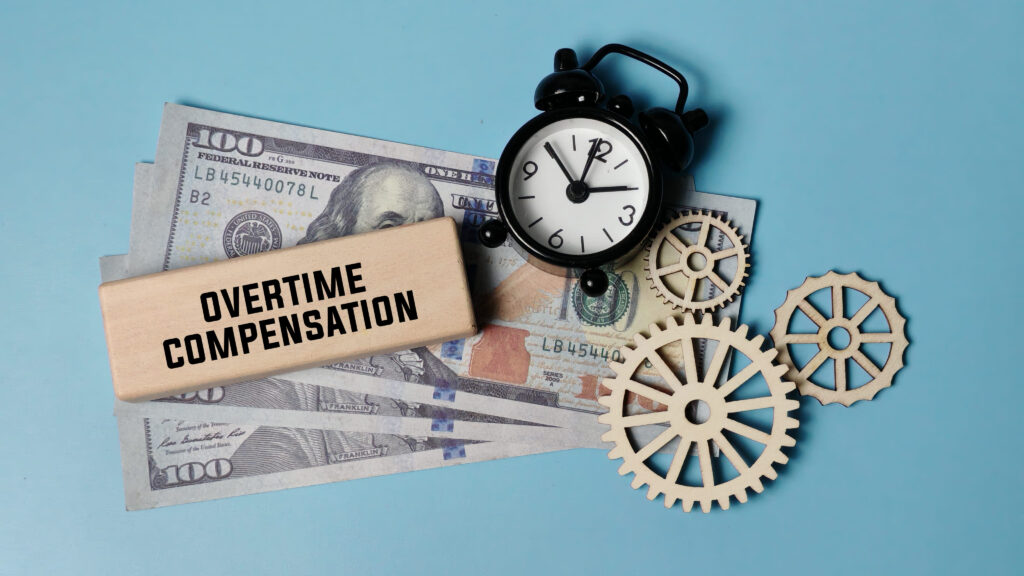
Some banks charge a monthly fee to keep your account open. It may be waived if you maintain a certain balance, set up direct deposit, or meet other requirements. If you miss the rule by even a little, the fee may be reinstated.
This kind of fee may seem small, but it adds up over the year. Check your account terms and ask your bank how to avoid it. If the answer is too hard, a no-fee account may be a better fit.
Overdraft Fees
Overdraft fees happen when you spend more than you have in your account. The bank may cover the payment, then charge you for it. That can turn one small mistake into a much bigger problem.
Low-balance alerts can help. So, you can turn off overdraft protection if your bank allows it. The goal is to prevent one bad swipe from turning into a painful fee.
Out-of-Network ATM Fees
Using the wrong ATM can cost more than people expect. The ATM owner may charge you, and your own bank may charge you as well. That means a single cash withdrawal can incur two fees.
Use your bank’s app to find free ATMs nearby. If you often need cash, plan before leaving home. Convenience can get expensive when you pay for it again and again.
Paper Statement Fees

Some banks charge customers who still receive paper statements in the mail. It may not seem like much, but it is another charge that can quietly sit on your account. Many people do not notice it because the fee appears in the statement itself.
Switching to online statements can often remove the charge. You can still download or print records when needed. This is one of the easiest fees to avoid.
Wire Transfer Fees
Wire transfers can be useful when money needs to move fast. But they are often expensive, especially for international transfers. Some people only notice the fee after the money has already been sent.
Before using a wire transfer, ask about the cost. Compare it with cheaper options such as ACH transfers, bill pay, or other approved payment tools. Speed is helpful, but it should not surprise your wallet.
Minimum Balance Fees
Some accounts require you to keep a certain amount of money in them. If your balance drops below that number, the bank may charge a fee. This can hurt people who already have tight budgets.
A minimum balance rule can feel unfair because you get charged even when your balance is already low. Check your account rules carefully. If you often fall below the required balance, choose an account with simpler terms.
Foreign Transaction Fees
Foreign transaction fees can appear when you buy something in another currency or shop from an overseas website. You do not have to be on vacation to trigger them. Even an online purchase can bring a charge.
Before traveling or shopping internationally, check your card terms and conditions. Some cards do not charge foreign transaction fees. Using the right card can save money without changing what you buy.
Inactivity Fees
Some banks or prepaid accounts charge a fee when an account sits unused for too long. People often miss this because they forget the account exists. Then, when they finally check it, part of the balance is gone.
Close accounts you no longer need. Move the money somewhere useful. An old account shouldn’t quietly drain your cash just because you stopped paying attention.
Key Takeaway
Bank fees hurt most when they hide in plain sight. Monthly charges, overdrafts, ATM fees, balance rules, paper statements, wire transfers, foreign purchases, and inactive accounts can all slowly drain money.
The fix is simple attention. Read your account rules, check your statements, turn on alerts, and ask your bank direct questions. Your money should stay in your pocket, not disappear through fees you never meant to pay.