The moment you open your eyes in the morning sets the tone for the entire day. Some habits quietly sabotage productivity, health, focus, and mood long before you’ve fully stood up. Other routines can sharpen your mind, balance your energy, and help you step into the day with intention.
What happens in those first few minutes matters more than most people realize. Think of the morning like a gatekeeper: the way you cross it influences everything that follows. Below are behaviors you should avoid as soon as you wake up, along with smarter replacements that protect your sanity, your schedule, and your sense of self.
Checking Your Phone Before Anything Else
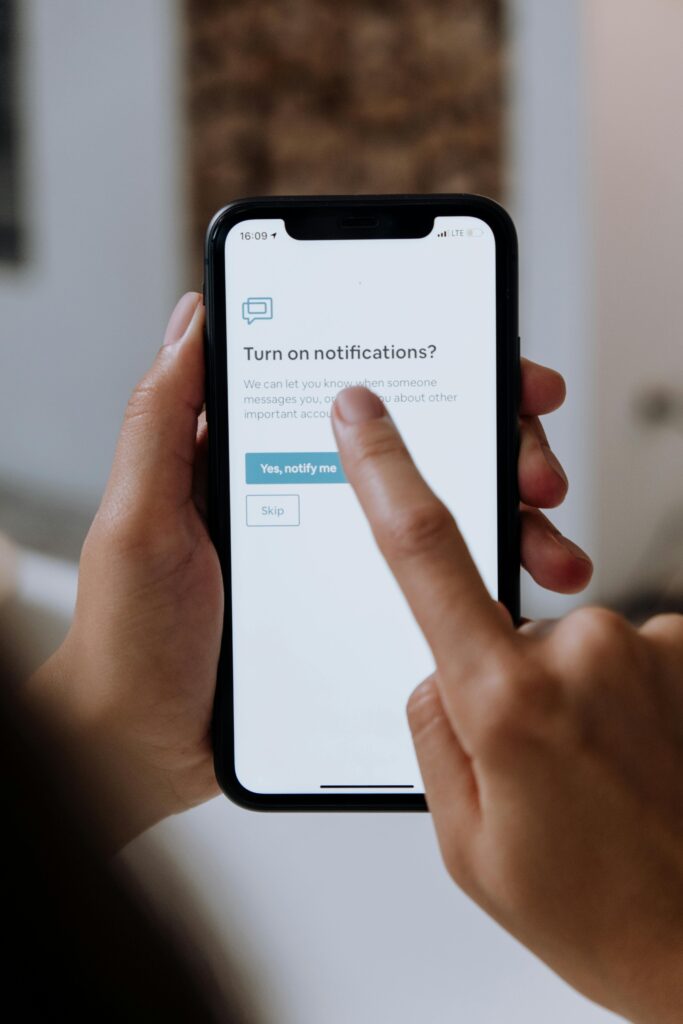
Reaching for your phone while you’re still groggy is harmless in appearance, but it’s one of the biggest productivity traps there is. Within seconds of waking up, you can get pulled into someone else’s agenda, news alerts, messages, social media updates, emails, and work notifications before you’ve even had a chance to frame your own priorities.
Why it’s a problem: Your brain is still transitioning from sleep to wakefulness. Flooding it with external demands before you’ve settled into your own thoughts makes you reactive instead of intentional.
What to do instead: Give yourself a short buffer. Lie still, take a few deep breaths, stretch, and set one intentional goal for the day before unlocking your phone. Establishing internal clarity first gives you control over the day, rather than letting it be shaped by everyone else’s requests.
Skipping Hydration
During sleep, your body goes hours without any water. When you wake up, everything from your skin to your blood volume is slightly dehydrated. Skipping hydration in those first waking moments shifts your body into slow mode. Digestion lags, energy feels blunted, and circulation is less efficient.
Why it’s a problem: Even mild dehydration can impair mood, focus, and cognitive performance.
What to do instead: Keep a glass of water on your nightstand and drink it before you check anything else. If you want an extra boost, add a splash of lemon for gentle detox support.
Hitting Snooze on Your Alarm

Snoozing feels like a harmless gift of extra sleep, but fragmented rest actually reduces sleep quality. Every time you fall back asleep for five or ten minutes, your body starts a new sleep cycle and is interrupted again. This confuses your internal clock and makes waking up harder, not easier.
Why it’s a problem: Snooze fragments sleep architecture and can leave you feeling more tired than if you’d just gotten up on the first alarm.
What to do instead: Set your alarm for when you actually want to wake up and get up when it goes off. Pair this with a consistent sleep schedule so your body knows what to expect.
Skipping Movement
The temptation to lie in bed longer without moving is understandable. But stillness for an extended time immediately after waking can stiffen muscles, slow circulation, and delay your body’s transition into alertness.
Why it’s a problem: Remaining motionless keeps blood pooling and brain fog lingering.
What to do instead: Gently stretch or roll out a few simple movements. Even a couple of minutes of stretching, reaching arms overhead, touching toes, or a slow twist signals to your body that the day has begun.
Drinking Coffee on an Empty Stomach

There’s a certain bliss in that first sip of coffee, but doing it before eating anything can spike stress hormones and upset your gut. Caffeine stimulates cortisol release, and when there’s no food to absorb it, that jumble of hormones can make you feel anxious, jittery, or even shaky.
Why it’s a problem: Morning cortisol is naturally high. Adding caffeine without food intensifies that hormone surge.
What to do instead: Eat a small bit of protein first, a handful of nuts, half a banana with peanut butter, or a boiled egg, then enjoy your coffee. The food buffers the caffeine and keeps your energy smoother.
Watching TV or YouTube While Still in Bed
Streaming videos can feel like a calming way to wake up, but they immediately immerse your mind in external content at a time when your focus should be turning inward.
Why it’s a problem: Passive screen time first thing in the morning trains your brain to chase stimulation rather than cultivate presence and intention.
What to do instead: Start with quiet, ambient sounds, a podcast you enjoy, a few moments of meditation, or sitting with your thoughts before anything flashes across your screen.
Thinking About the Day’s Problems Before Breakfast
It’s tempting to mentally inventory deadlines, bills, emails, and obligations before your feet even touch the floor. But ruminating about stressors while your brain is in its hazy waking state amplifies anxiety unnecessarily.
Why it’s a problem: The morning brain is still building neural pathways for clarity and decision‑making. Starting with stress hijacks that process.
What to do instead: Focus on something positive first: one thing you’re grateful for, one goal you’re excited about, or one affirmation that encourages you. Give your brain a gentle launch instead of a stressful plunge.
Opening Your Curtains or Windows in the Dark

Light is a powerful signal for your circadian rhythm. Waking up in a dark room and then leaving it dark confuses your internal clock and delays alertness.
Why it’s a problem: Lack of morning light slows the suppression of melatonin, the sleep hormone.
What to do instead: As soon as you’re up, open curtains or blinds to invite natural light. If it’s still dim outside, a gentle wake‑up light can help your body recognize it’s time to switch modes.
Checking Work Slack, Email, or Calendar
We’ve all walked into the office (or opened a laptop at home) in full morning mode only to be greeted by a cascade of work notifications. This instantly shifts your brain into reactive mode, responding to everyone else’s needs before your own.
Why it’s a problem: Starting your morning with external demands hijacks your attention and mental energy.
What to do instead: Set a clear morning ritual that includes reflection, movement, and nourishment before engaging with work. When you check email and apps with a refreshed mind, you’re more efficient and less stressed.
Leaving the Bed Unmade
This may sound trivial, but making your bed signals completion and intentionality to your brain. Leaving it messy sends a cue of disorder and distraction.
Why it’s a problem: A chaotic environment makes the brain feel cluttered.
What to do instead: Straighten your bedding as one of your first actions. It takes less than a minute and creates a small win that starts your day with momentum.
Eating Sugary Breakfasts First Thing
Pastries, sugary cereals, and heavily sweetened breakfast foods give a rush of energy that crashes hard. That crash leaves you craving more food early and may spike your mood swings.
Why it’s a problem: Sugar sends your blood glucose on a roller‑coaster right before your brain is trying to settle into focus.
What to do instead: Opt for balanced nutrition, whole grains, protein, healthy fats, and a bit of fiber that keeps energy stable and hunger at bay.
Going Right Into High‑Intensity Exercise

A vigorous workout has enormous benefits when timed right, but doing it before you’ve properly hydrated, fueled, and warmed up can stress your body.
Why it’s a problem: Muscles that are cold and joints that are stiff are more injury‑prone, and an empty stomach with no water can increase fatigue.
What to do instead: Start with gentle movement, hydrate, maybe eat a small bite, then scale up to intentional exercise after your body is ready.
Thinking in “All or Nothing” Terms
Mornings are not a pass/fail test. Passing off a stumble as a total loss sets an unnecessary tone of perfectionism for the rest of your day.
Why it’s a problem: People who judge their mornings harshly tend to extend that mindset to the rest of their day.
What to do instead: Treat your morning like a gentle reset. One small positive habit, hydration, stretching, and a mindful breath, is better than demanding perfection from the first minute.
Ending Your Morning With Passive Consumption
Reading comments online, scrolling social feeds, or watching videos only trains your brain to chase stimulation rather than build focus.
Why it’s a problem: Passive consumption dulls attention and amplifies comparison.
What to do instead: Save media for after you’ve grounded your mind and body. Use that early-morning time for reflection, planning, creativity, or quiet preparation.
Final Thought: Start With Intention, Not Reactivity
Morning habits shouldn’t be accidental. The first moments after you wake are about transition from rest to presence, from dream to reality, from internal world to external engagement. Choosing routines that protect your mental clarity, nourish your body, and center your attention sets your day up for success.
Avoiding common pitfalls like morning screens, stress ruminations, sugary breakfasts, or unhealthy stimulants isn’t about restriction. It’s about creating space for your priorities, controlling your focus, and stepping into the day as the author of your own experience, not a passenger in someone else’s narrative.
Your mornings are a gift. Treat them like the powerful, intentional beginning they are.