Food looks innocent until you learn what can hide behind the label, the shine, or the perfect restaurant plate. Some everyday meals contain strange additives, hidden animal products, chemical residues, and production shortcuts that most people never think about.
These facts do not mean every bite is dangerous, but they do reveal why reading labels, choosing carefully, and asking questions about food matters more than ever.
Perfect-Looking Oranges Can Be Dyed
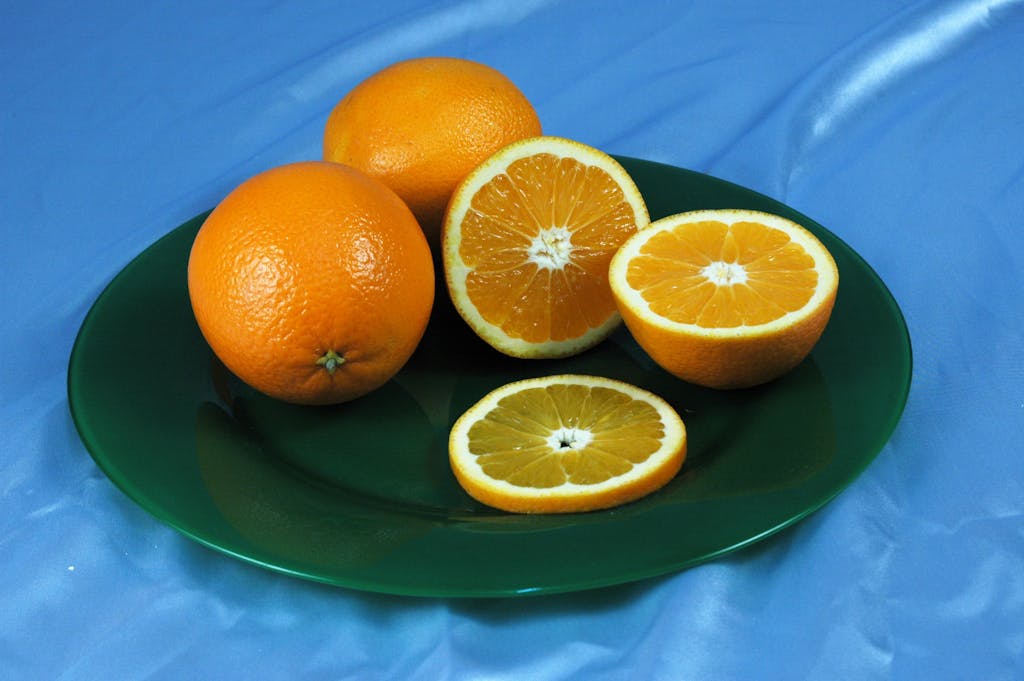
Bright orange fruit looks fresh, sweet, and natural, but its appearance can sometimes be helped along. In some cases, citrus dye has been used to make oranges look more colorful and appealing to shoppers.
The problem is simple: shoppers often judge fruit by its color rather than its quality. A duller orange may taste just as good, while a picture-perfect one may owe part of its beauty to cosmetic treatment rather than natural ripeness.
Tuna Can Bring Mercury to the Plate
Tuna is popular in sushi, sandwiches, salads, and protein-focused diets, but larger tuna can contain mercury because they absorb it through the ocean food chain.
The size and age of a fish directly influence its mercury accumulation; larger and older fish tend to accumulate higher levels of mercury over time.
This does not mean everyone must avoid tuna completely. Opt for smaller, younger fish like sardines or salmon, which tend to have lower mercury levels, especially for pregnant women and children.
Chicken Production Has Had a Troubling Past
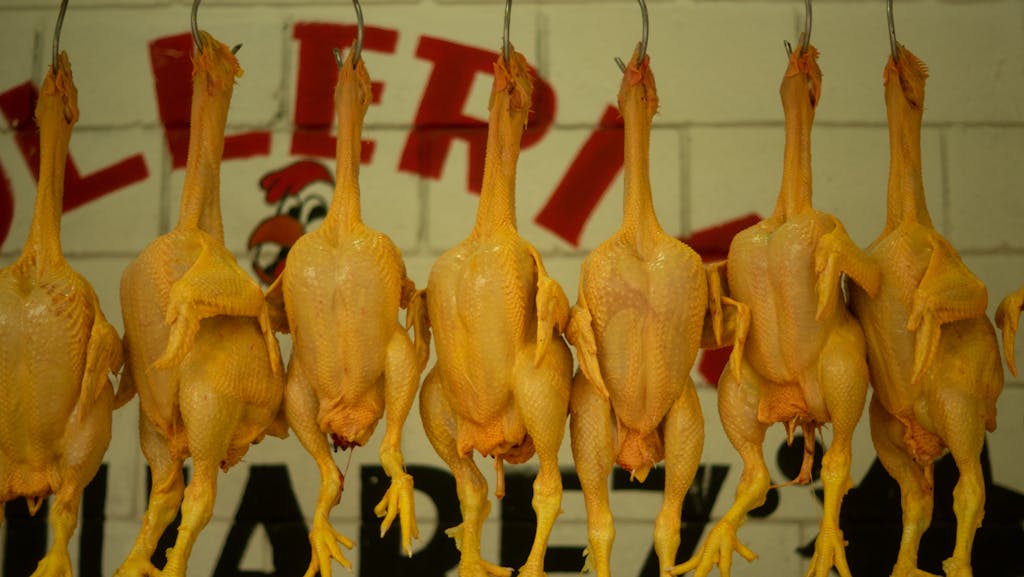
Chicken is one of America’s favorite proteins, but industrial poultry production has faced uncomfortable questions over the years. Some feed additives and farming practices have raised concerns about chemical exposure, animal welfare, and the movement of waste back into the environment.
Modern rules have changed many practices, but the bigger lesson remains the same. Cheap meat often comes from a system designed for speed, volume, and profit, which makes smart shopping more important.
Some Fruits Still Carry Pesticide Residue
Fruit often feels like the safest choice on the table, but some produce can still contain pesticide residues even after rinsing. Apples, strawberries, peaches, and nectarines are often mentioned among the fruits most likely to hold chemical traces.
Washing fruit helps, but it does not always remove everything. Choosing organic options labeled as pesticide-free or certified can further reduce chemical exposure, guiding smarter shopping decisions.
Commercial Bread Is Not Always Simple

Bread sounds basic: flour, water, yeast, and salt. But many packaged loaves include dough conditioners, preservatives, sweeteners, and additives that help the bread stay soft, rise evenly, and last longer on shelves.
That soft supermarket loaf may be convenient, but it is often far from homemade. Checking the ingredient list can quickly show whether you are buying simple bread or a highly processed product dressed up as a pantry staple. This awareness can help you feel more confident in your shopping decisions.
“Low-Fat” Foods Can Be Misleading
The words “low-fat” can make a food sound healthy, but they can also hide a nutritional trap. When fat is reduced, manufacturers often add sugar, starch, salt, or artificial flavoring to keep the product tasting good.
That means a low-fat snack, dressing, or frozen meal may still be high in calories or low in real nutrition. A better approach is to check the full label rather than trust a single shiny claim on the front of the package.
White Sugar May Have an Animal-Based Secret
White sugar looks clean and simple, but some refining processes use bone char to help create that bright white color. Bone char is produced from animal bones, a fact that often surprises individuals who consciously avoid animal products.
Not all sugar is processed this way, but the details matter for vegans, vegetarians, and anyone who wants to know precisely which ingredients are included in their food. Organic, raw beet, or clearly labeled vegan sugars may be better choices for those concerned.
Wine Can Contain More Than Grapes

That smooth glass of wine may have a less romantic backstory than the vineyard photo on the bottle suggests. During large-scale harvesting, grapes can collect insects, dirt, bird fragments, and other tiny debris before they are crushed and processed.
Even after fermentation, some wines are clarified with animal products, such as fish-bladder protein or gelatin. To avoid these, look for wines labeled as vegan or check for certifications, helping you make more ethical and informed choices.
Conclusion
Food does not have to be frightening, but it should never be blindly trusted either. The biggest lesson from these unsettling food facts is that labels, sourcing, and processing matter.
A smarter shopper does not panic at every ingredient, but they do pay attention, ask better questions, and choose food with fewer hidden surprises.