Food packages are designed to look simple, friendly, and trustworthy. We see bright labels, health claims, fresh-looking photos, and words like natural, wholesome, and made with real ingredients. Yet many grocery decisions are shaped long before we compare prices or read the fine print.
The food industry does not need to lie to influence shoppers. It can use smart wording, confusing labels, serving-size tricks, and emotional marketing to make ordinary products look healthier, fresher, or more valuable than they really are.
Food Dates Can Be Confusing

Many shoppers treat every date on a package like a safety deadline, but that is not always what it means. The USDA says a “Sell-By” date is for store inventory, not consumer safety, and many “Best By” dates point to quality, not danger.
That confusion costs families money. Perfectly edible food often ends up in the trash because the label makes it sound scarier than it is. The smarter move is to distinguish between quality dates and true safety warnings, especially for highly perishable foods.
“Natural” Does Not Always Mean Healthy
The word natural feels comforting, but it does not automatically mean low sugar, low sodium, minimally processed, or better for your body. A product can sound clean while still containing high levels of sweeteners, refined starches, oils, and salt.
This is one of the easiest tricks to miss because the front label sells the dream, while the back label tells the truth. We should always check the Nutrition Facts panel and ingredient list before trusting front-of-package promises.
Sugar Has Many Names
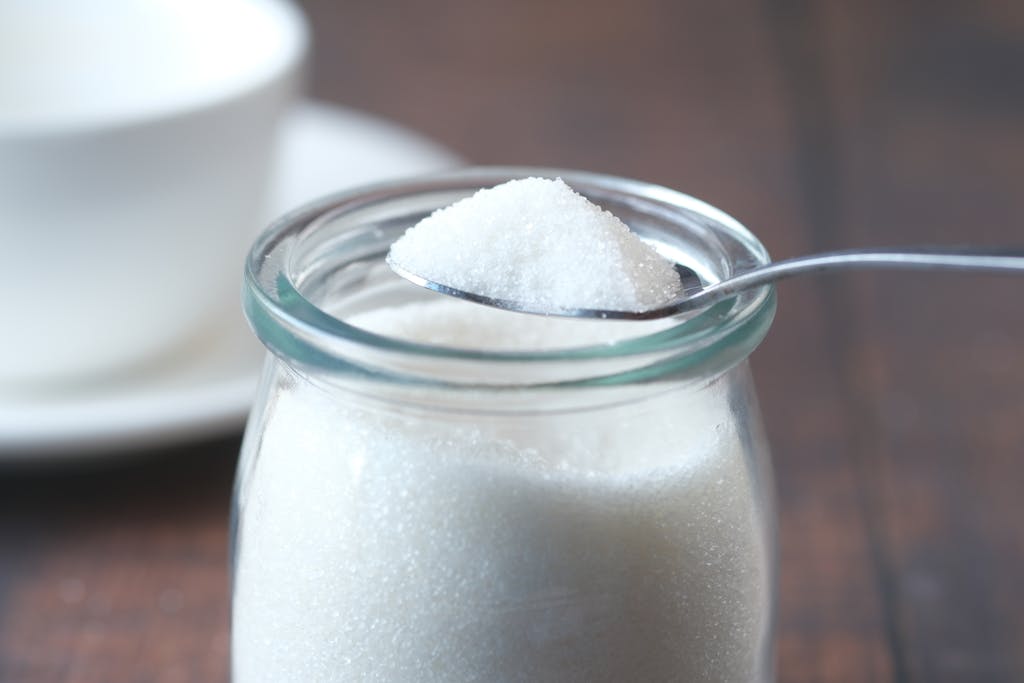
Sugar does not always appear as “sugar.” It can show up as syrup, juice concentrate, dextrose, maltose, cane crystals, or other sweeteners that make a product taste better without looking obvious at first glance.
The FDA now requires added sugars to appear on the Nutrition Facts label, including grams and the percent Daily Value, giving shoppers a clearer way to spot sweetened products. That matters because many foods that appear practical, like flavored yogurt, sauces, cereals, and snack bars, can carry more added sugar than expected.
Serving Sizes Can Make Nutrition Look Better Than It Feels
A snack may look reasonable until we notice the package contains two, three, or four servings. The calories, sodium, sugar, and fat shown on the label may apply to only a small portion, even though many people eat the whole container.
This trick works because shoppers often glance quickly. We see 150 calories and think the full bag is manageable, only to later realize it contains far more. The real habit is simple: check servings per container before trusting any number.
Processed Foods Can Be Addictive
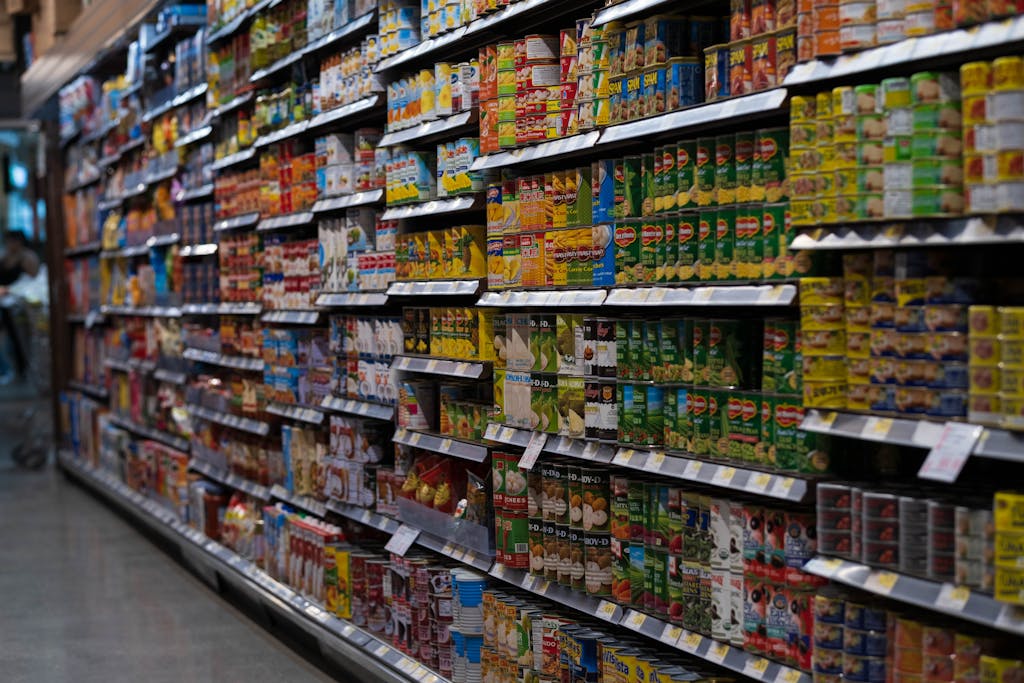
Many packaged foods are designed for convenience, long shelf life, and strong cravings. They often combine salt, fat, sugar, refined starches, flavor enhancers, and texture tricks in ways that make it difficult to stop at one serving.
The FDA has acknowledged growing concern about ultra-processed foods and their link to diet-related chronic disease discussions. That does not mean every packaged food is harmful, but it does mean we should be cautious when a product has a long ingredient list filled with additives, sweeteners, stabilizers, and flavor systems.
“Zero Trans Fat” Does Not Always Mean What People Think
Trans fats have been linked to higher LDL cholesterol, and the FDA has taken major steps to limit partially hydrogenated oils in processed foods. Still, shoppers should stay alert because label rules and serving sizes can make nutrition claims feel cleaner than the whole diet picture.
A product may advertise one healthy-sounding feature while still being high in saturated fat, sodium, or added sugar. The secret is that one “free from” claim does not make the full product healthy.
Fresh-Looking Foods Can Still Carry Safety Risks

Fresh foods look harmless, but foodborne illness remains a serious public health issue. CDC estimates show that major pathogens continue to cause illnesses, hospitalizations, and deaths in the United States.
Produce, ready-to-eat meals, deli foods, meat, poultry, eggs, and dairy all require careful handling. We should wash produce properly, separate raw meat from other foods, cook at safe temperatures, and avoid leaving perishable foods out too long. A beautiful package does not cancel basic food safety.
The Cheapest Food Is Not Always the Best Deal
Many processed foods look affordable because they are filling, shelf-stable, and heavily promoted. Yet the real cost can show up later through poor nutrition, wasted food, oversized portions, and products that leave us hungry again soon after eating.
A smarter grocery cart balances price with value. Foods like beans, eggs, frozen vegetables, oats, rice, canned fish, plain yogurt, potatoes, and seasonal produce often deliver more nutrition for the money than flashy packaged snacks. The industry wants us to buy what is marketed hardest. We should buy what actually serves us.
Conclusion
The food industry’s biggest secrets are often hiding in plain sight. They sit on labels, serving sizes, date stamps, ingredient lists, and health claims that sound better than they mean.
We do not need to fear every packaged food. We only need to shop with sharper eyes. The best defense is simple: read the back label, question the front label, understand food dates, watch added sugar, and remember that the most attractive package is not always the healthiest choice.