Rugs do more than cover the floor; they set the tone for the entire room. They add warmth, texture, and a sense of cohesion that ties furniture and decor together. In 2026, some rug styles that were once popular are starting to feel outdated or too predictable.
Designers are moving away from cold grays, loud patterns, and artificial finishes. Here, we highlight seven rug trends that are fading and suggest smarter, more stylish alternatives for a modern home.
Solid Gray Rugs
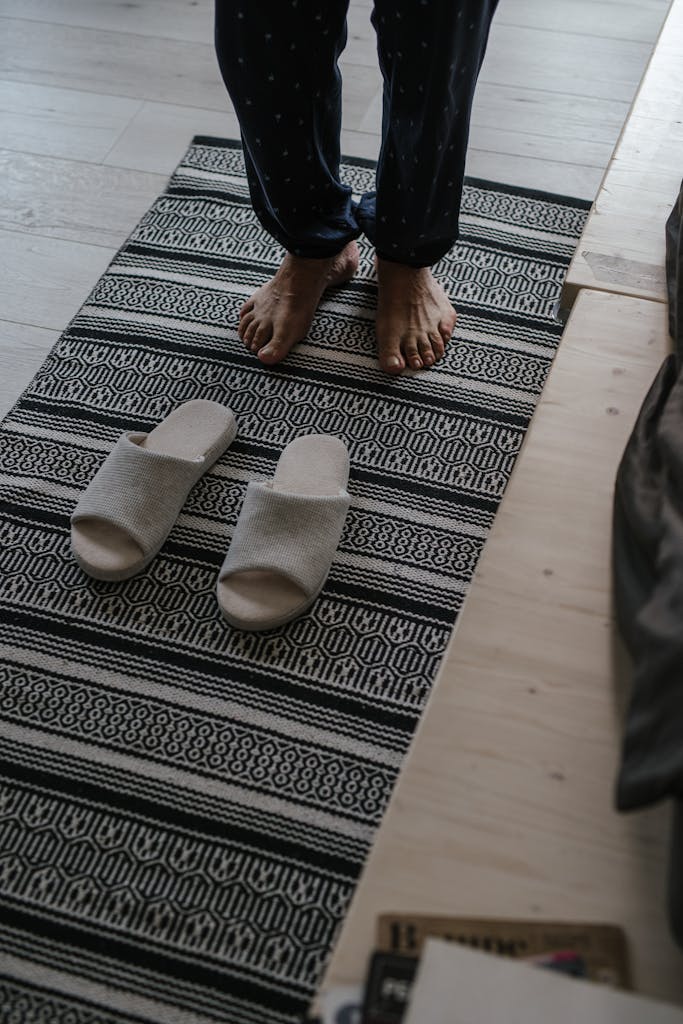
Why they’re fading: Once a symbol of modern minimalism, plain gray rugs can make rooms feel cold, flat, and uninspired. They no longer carry the emotional warmth or richness that contemporary interiors demand.
What to choose instead: Opt for warmer neutrals such as camel, taupe, clay, or soft chocolate. These tones naturally complement wood, linen, and leather while creating an inviting atmosphere. Handwoven wool-or-jute blends provide depth without overpowering the space.
Loud Geometric Rugs
Why they’re fading: Overly bold geometric patterns can overwhelm a room, making furniture and accessories compete visually. Repetitive, high-contrast prints now feel rigid and dated.
What to choose instead: Focus on texture rather than sharp contrast. High-low pile, hand-hooked weaves, or woven jute with subtle motifs create visual movement while maintaining a harmonious balance in the room.
Multicolored Watercolor Rugs
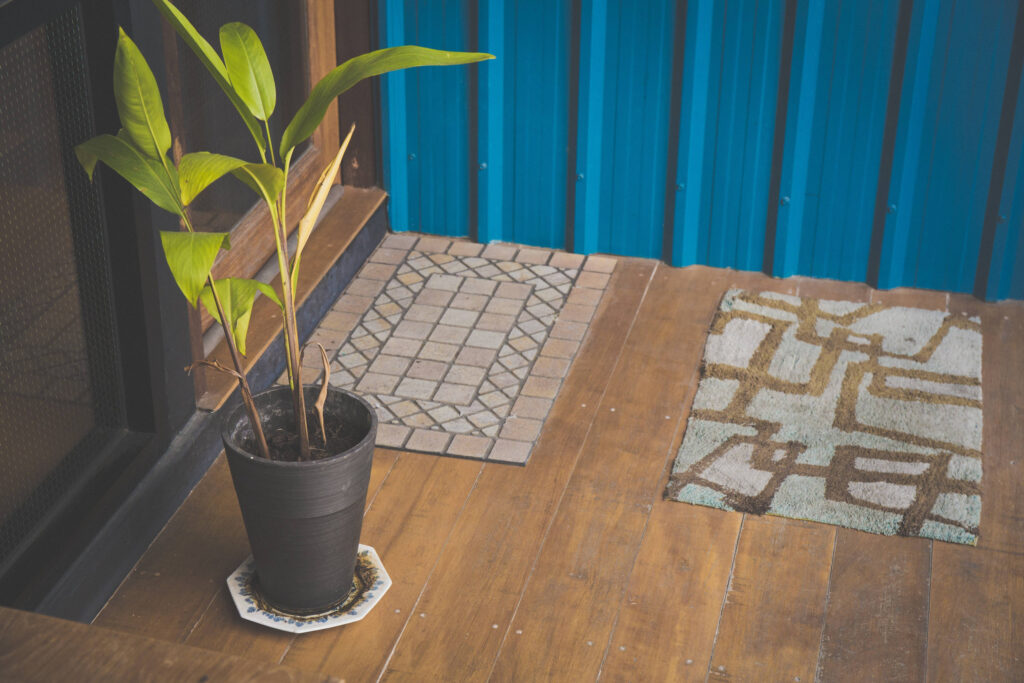
Why they’re fading: Vibrant watercolor or abstract rugs can feel chaotic, creating visual clutter and making the room harder to style. High-contrast hues often dominate the space rather than supporting it.
What to choose instead: Soft tonal rugs with subtle gradients or muted color palettes act as understated artistic backdrops. Off-white, cream, and gray combinations or earthy gradients bring harmony while still offering gentle visual interest.
Stark White Shag Rugs
Why they’re fading: White shag rugs are challenging to maintain and often make spaces feel cold and unwelcoming. Their overly staged minimalism clashes with current preferences for warmth and lived-in appeal.
What to choose instead: Short-pile rugs in warm tones such as cream, ivory, burnt orange, or clay red add comfort and richness. Plush textures still provide softness without the impracticality of pure white.
Thin or Undersized Rugs
Why they’re fading: Rugs that are too thin or too small fail to anchor furniture and disrupt the room’s flow. They make seating areas appear disconnected and unfinished.
What to choose instead: Choose larger, denser rugs that connect sofas, chairs, and coffee tables. Flatweave or layered rugs with sufficient coverage create a cohesive, grounded feeling in any living area.
Faux Faded Vintage Rugs
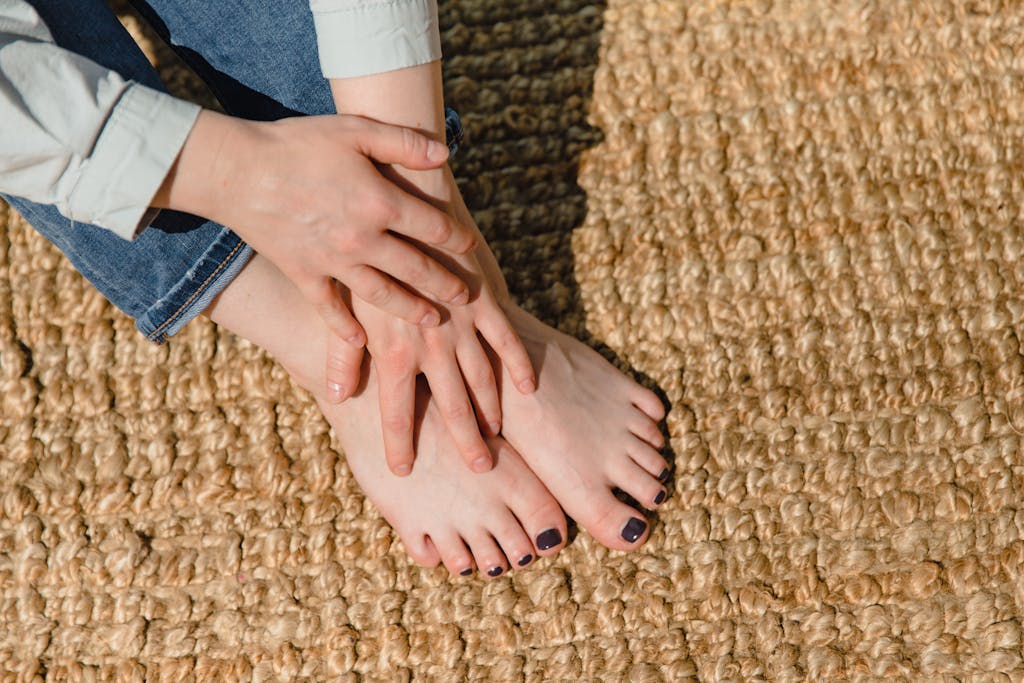
Why they’re fading: Faux-aged rugs with synthetic fibers and mass-produced distressing now feel formulaic. They imitate wear without the authenticity or tactile quality of a true vintage piece.
What to choose instead: Choose either genuine vintage rugs or modern designs inspired by nature. Subtle abstract florals, mineral-inspired veining, or muted botanical patterns offer organic interest and sophistication.
Matching Sets and Overly Synthetic Rugs
Why they’re fading: Perfectly matching rug-and-pillow sets or shiny synthetic rugs look staged and artificial, lacking personality. Overly polished textures can cheapen the room visually.
What to choose instead: Layer natural fibers, matte textures, and nuanced colors. Wool, jute, sisal, cotton, or silk blends with subtle variation bring authenticity and tactile richness while supporting a curated, collected aesthetic.