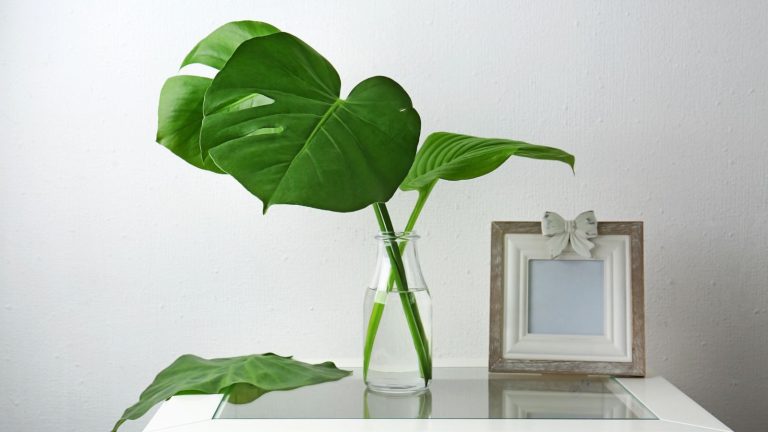
Houseplants have long been loved for their ability to liven up a room, soften hard edges, and bring a calming vibe to indoor spaces. But did you know certain plants can purify and clean the air? Some plants pull double duty—they quietly help clean the air in your home.
In 1989, NASA conducted a study to explore how plants could be used to improve air quality in sealed environments like space stations. What they found was eye-opening: certain plants are surprisingly good at filtering out common indoor toxins like formaldehyde, benzene, and trichloroethylene—pollutants often found in household cleaners, paint, furniture, and synthetic materials.
While a few houseplants won’t replace a high-end
These 16 air-filtering plants are natural, low-maintenance allies in your quest for cleaner indoor air.
Lady Palm (Rhapis excelsa)
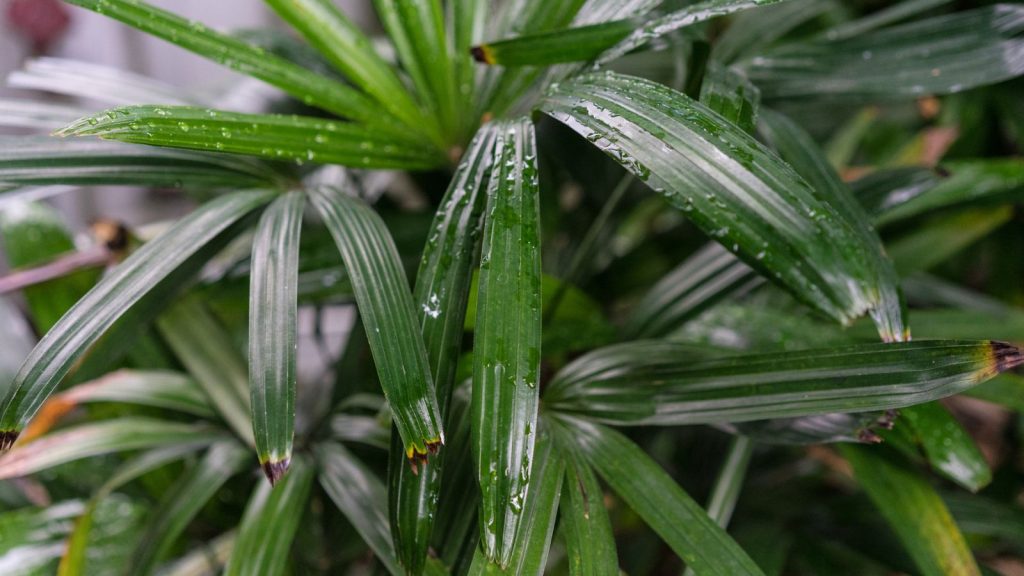
This slow-growing palm removes common pollutants like ammonia and formaldehyde, and it’s great for brightening up corners of your home.
Dracaena (Dracaena spp.)
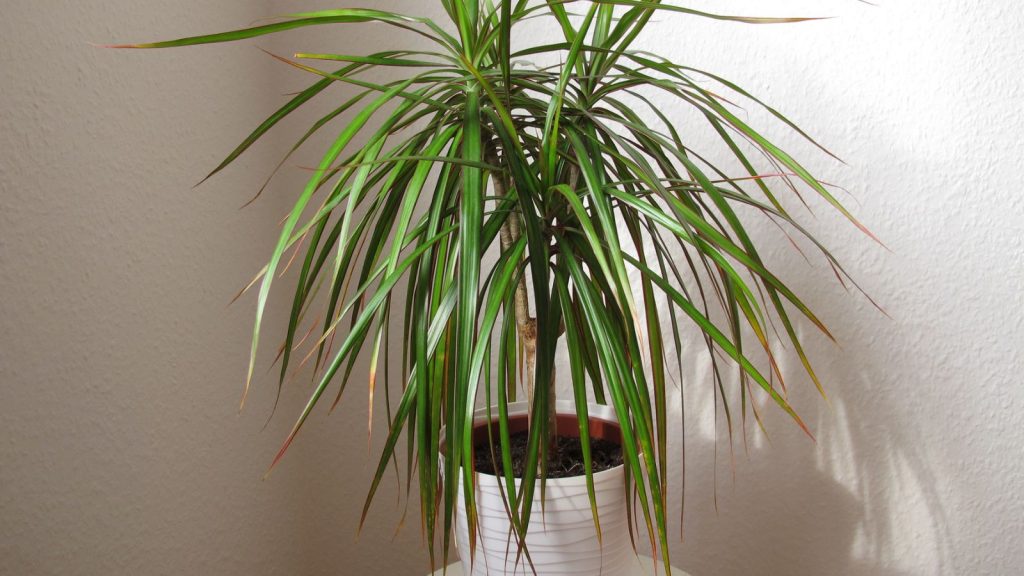
Dracaena plants are visually stunning and make fantastic air purifiers. They prefer bright, indirect light and should be watered when the top inch of soil feels dry. With dozens of varieties, dracaenas are great for filtering xylene, benzene, formaldehyde, and trichloroethylene. They’re striking and grow tall, making them great floor plants.
Bamboo Palm (Chamaedorea seifrizii)
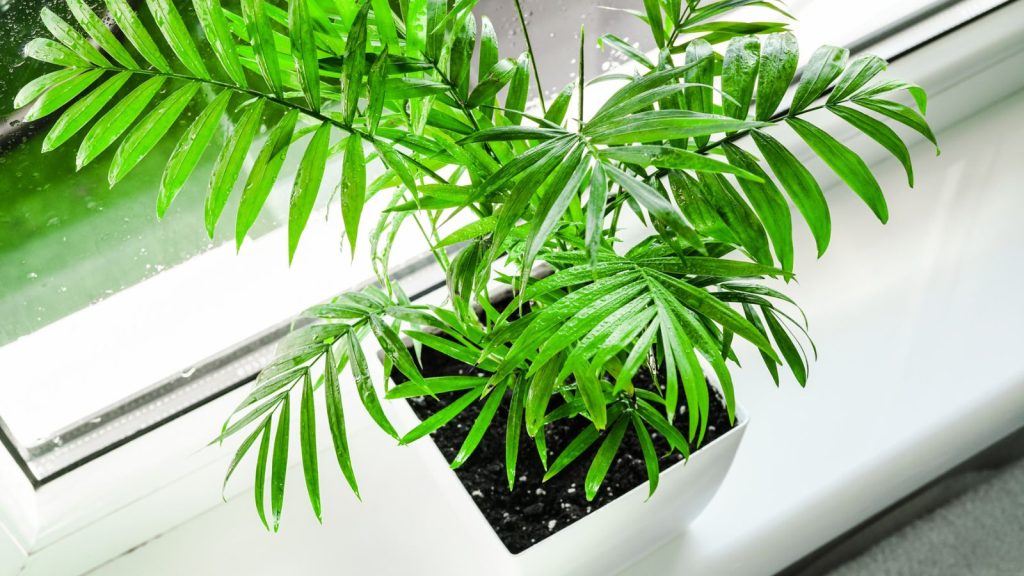
This tropical-looking palm removes benzene and formaldehyde while adding humidity to dry indoor air.
Boston Fern (Nephrolepis exaltata)
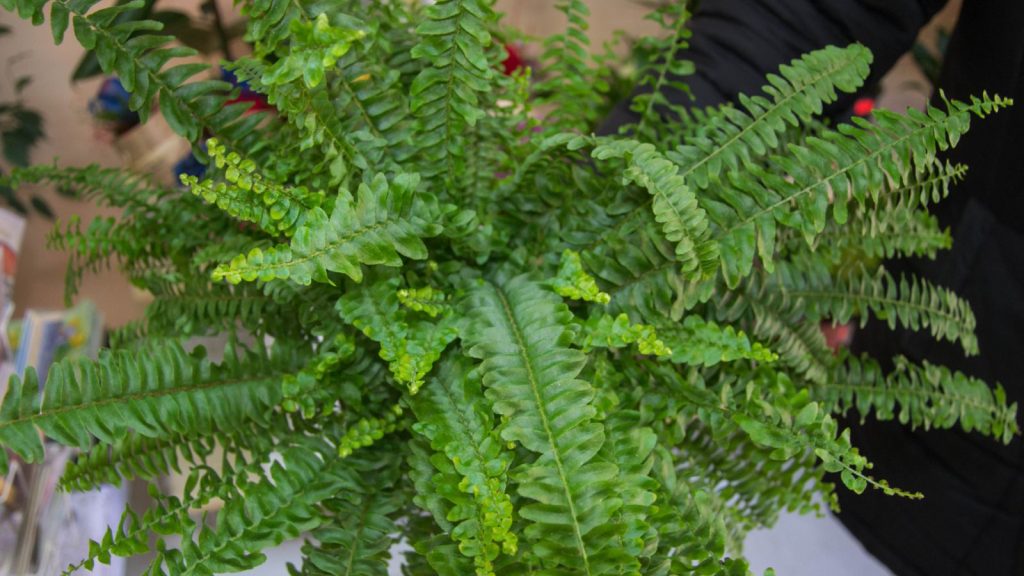
Boston ferns are a popular choice for indoor gardens. They are known for their long, arching green fronds. Boston ferns require bright, indirect light and high humidity to thrive, making them ideal for rooms with ample natural light but limited direct sun exposure.
They are natural humidifiers and help remove pollutants like formaldehyde and xylene.
Peace Lily

The Peace Lily has lush green foliage and elegant white flowers, making it a favorite for indoor spaces. It’s especially beginner-friendly thanks to its habit of drooping slightly when it needs a drink—a natural reminder to water. Comfortable in low to medium light, this plant doesn’t just look good, but also helps clean the air, filtering out common household toxins for a fresher home environment.
Spider Plant
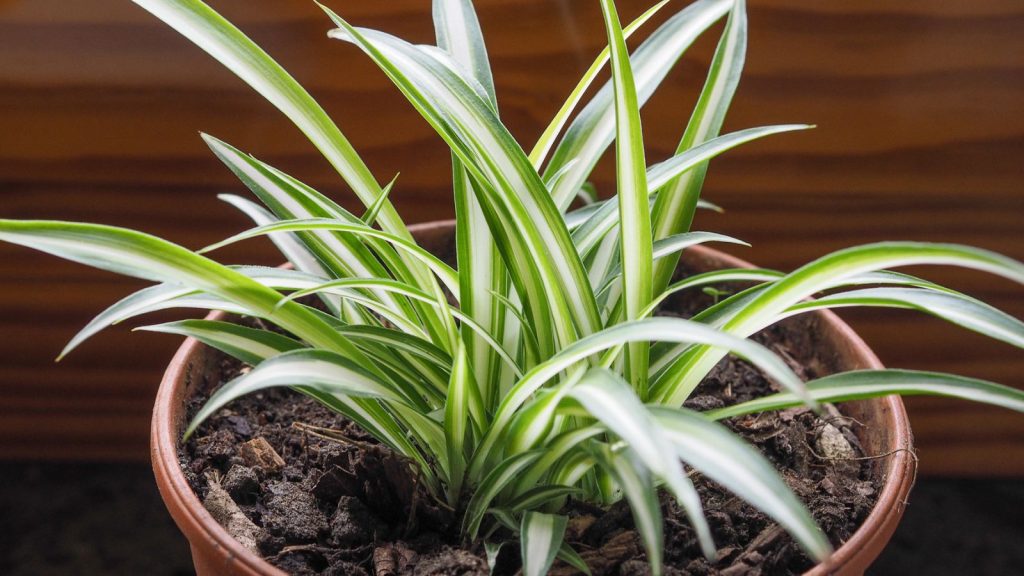
Spider plants are easygoing and versatile, thriving in anything from low light to bright, indirect sun—perfect for new plant parents. They don’t need much water and can handle a bit of neglect, often bouncing back with little fuss.
Beyond their resilience, spider plants are known for their ability to clean indoor air, helping to remove toxins and freshen up your living space. Their graceful arching leaves and air-purifying perks make them a welcome addition to any room.
Snake Plant
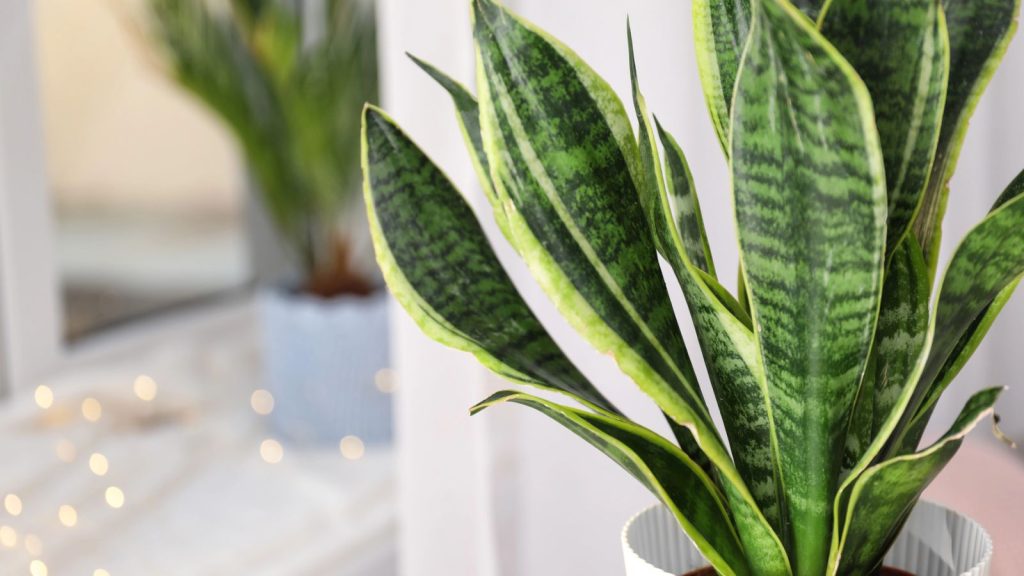
Commonly known as Snake Plant or Mother-in-Law’s Tongue, Sansevieria is a tough, low-maintenance plant that thrives on neglect. It can go for long stretches without water and does just fine in low light, making it ideal for busy people or frequent travelers.
Snake plants aren’t just easy to care for but also natural air purifiers. Highlighted in NASA’s Clean Air Study, they’re known for filtering out toxins and improving indoor air quality, adding both beauty and function to your home.
ZZ Plant

With its glossy, thick leaves that store water efficiently, the ZZ plant is built for resilience. It easily handles dry spells and thrives in low-light spots, making it one of the most low-maintenance houseplants. Just water it when the soil has fully dried out, and it’ll keep growing. The ZZ plant is visually striking and quietly improves indoor air quality.
Pothos Plant
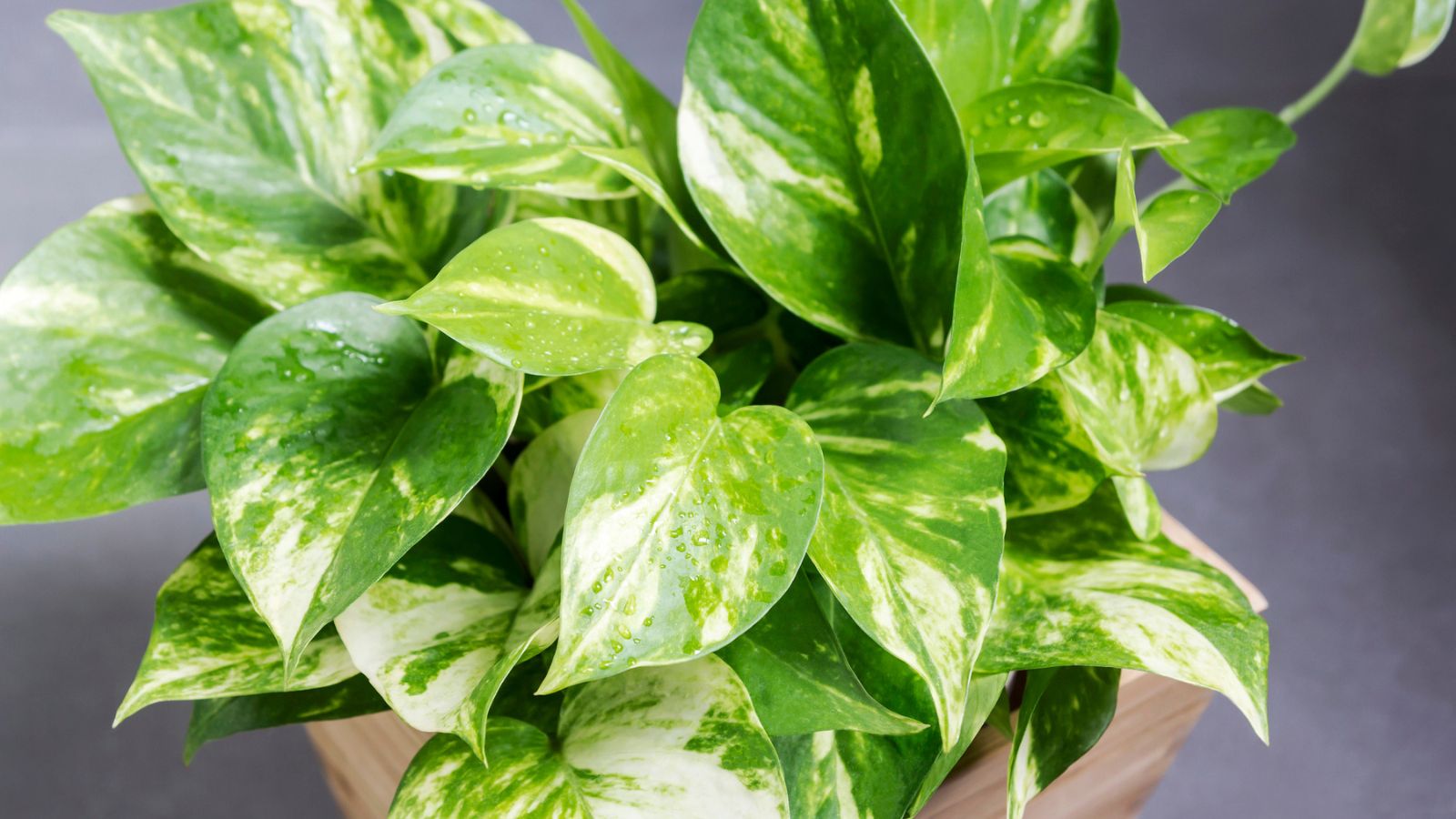
Pothos, also known as Epipremnum aureum, is a flexible and forgiving houseplant that can thrive in almost any light, from bright, indirect sun to low-light corners. It doesn’t mind if you forget to water occasionally, making it a great match for busy or beginner plant owners.
Aside from its cascading vines and vibrant leaves, Pothos is also known for its air-purifying qualities. It quietly freshens the air while bringing any room a lush, green vibe.
Calathea

Calathea plants, admired for their striking leaf patterns, thrive in medium to low light and necessitate consistent moisture, albeit with a rare incidence of flowering under low-light conditions. These plants play a role in purifying the air. Ideal for brightening up dimly lit areas, Calatheas are perfect for those looking to infuse their space with life and color while benefiting from cleaner air.
Parlor Palm

Known scientifically as Chamaedorea, the Parlor Palm is a versatile plant that adapts well to low-light conditions and flourishes in areas with indirect sunlight. Its ease of care and ability to purify indoor air makes it an excellent option for beginners or those seeking to add a tropical ambiance to their homes without direct sunlight.
Aloe Vera

Aloe Vera is praised for its vibrant green leaves and easy care, as well as for the medicinal gel it produces, which can soothe minor burns and skin irritations. Preferring bright, indirect light, Aloe Vera needs watering only when the soil has completely dried out, making it a drought-tolerant plant ideal for busy individuals.
Besides its health benefits, Aloe Vera enhances indoor air quality by removing pollutants like formaldehyde and benzene, making it a practical and healthful addition to any home.
Rubber Plant

With its large, glossy leaves, the Rubber Plant is a statement piece capable of growing in bright, indirect light conditions. It prefers its soil to dry out between waterings, categorizing it as relatively easy to care for.
The Rubber Plant (Ficus elastica) is known for its air-purifying qualities, which are capable of filtering out indoor air toxins such as formaldehyde.
English Ivy
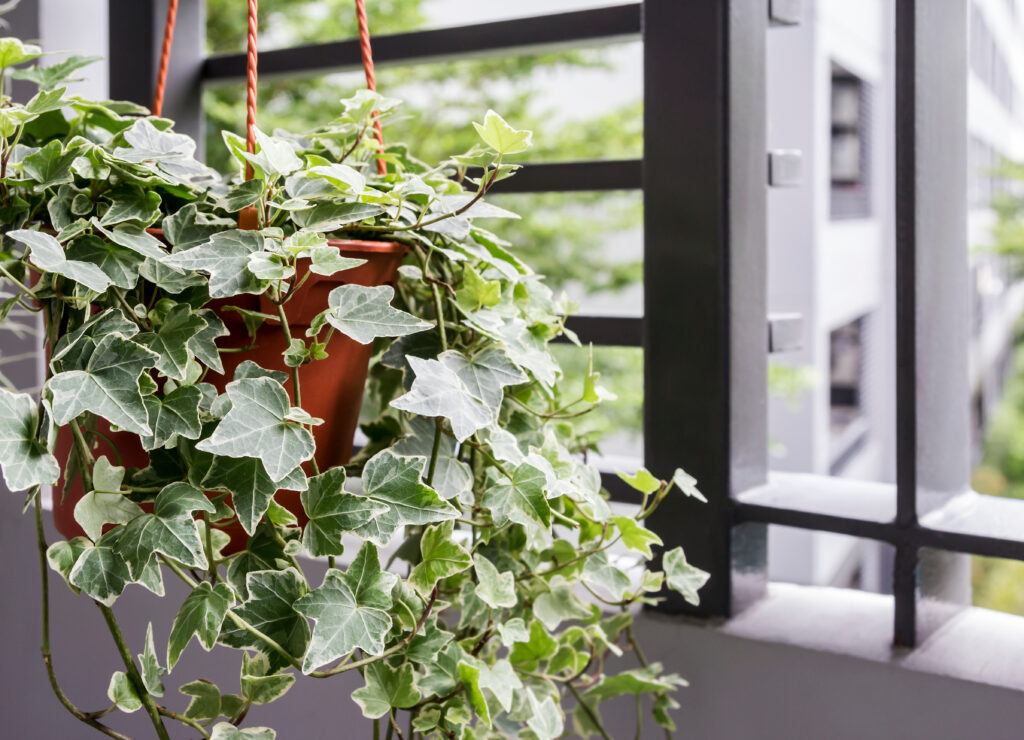
English Ivy, with its elegant cascading vines and tolerance for low to moderate light, is a classic choice for adding a touch of sophistication to any space. It is low maintenance and can adapt to most indoor environments. Overall, it is effective at purifying the air.
Chinese Evergreen

The Chinese Evergreen is an adaptable plant that thrives in low to medium light. It requires water only when the top inch of soil dries out. It is known for improving indoor air quality.
Monstera

Monstera, often called the Swiss cheese plant, is loved for its dramatic, split leaves and tropical vibe. It’s surprisingly adaptable, doing well in both bright, indirect light and shadier spots. Low-maintenance and eye-catching, the Monstera also helps purify the air.