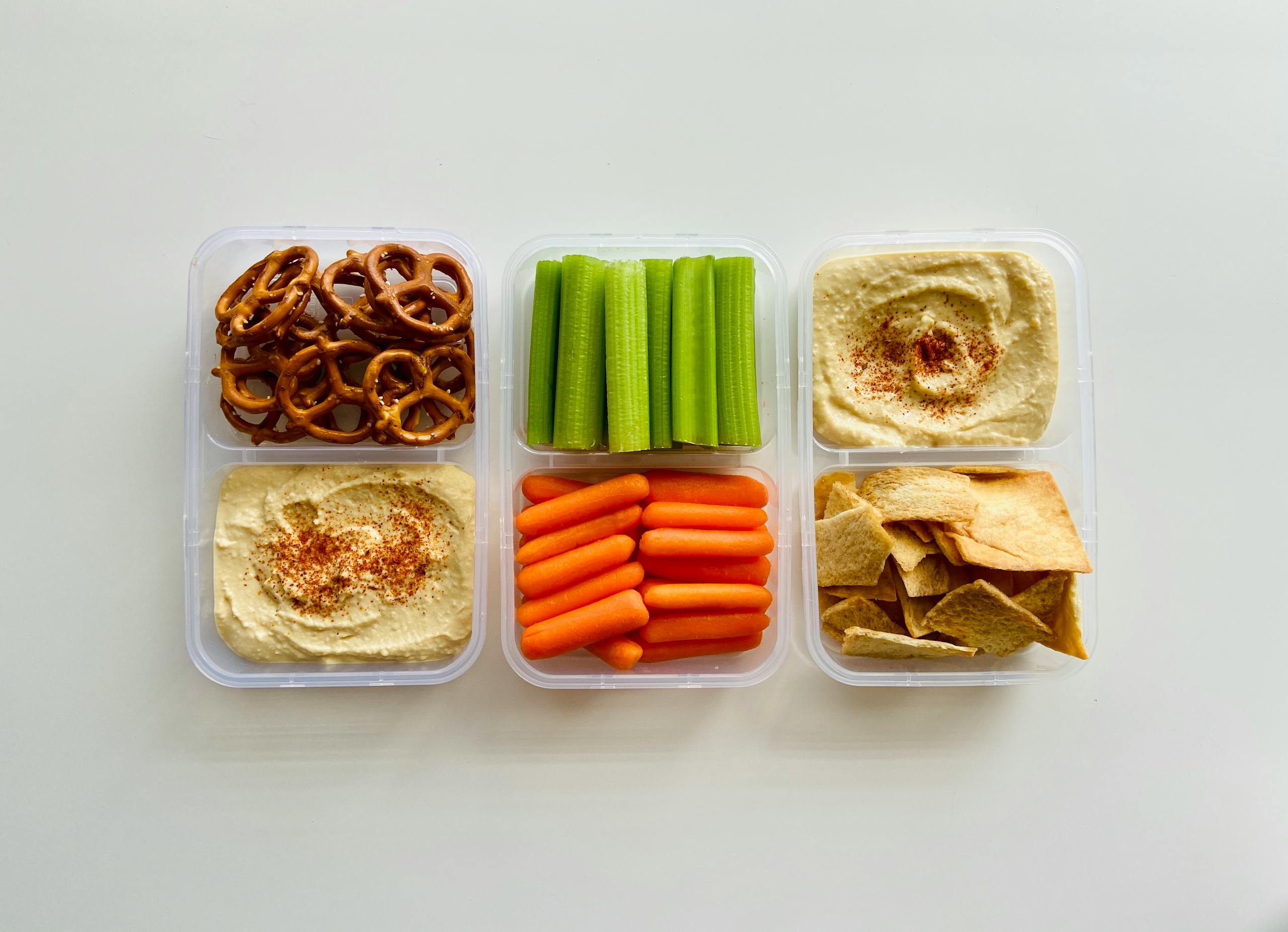
There’s no denying that some vegetables have earned their place on the “do not eat” list for many. Whether it’s the texture, the taste, or simply an aversion passed down through generations, these vegetables have found themselves at the bottom of many people’s culinary preferences. Let’s explore why these vegetables are so unpopular, and perhaps uncover some hidden truths about them.
Brussels Sprouts

Brussels sprouts have long been the subject of disdain at dinner tables across the world. While packed with vitamins and nutrients, their bitter flavor and tough texture, especially when overcooked, make them a vegetable most people avoid. But when properly roasted or caramelized, they can become surprisingly delicious, proving that even the most disliked veggies can have a redemption arc.
Why Brussels Sprouts Make the List:
- Bitter taste: Often too overpowering for many.
- Texture: Can turn mushy and unappetizing if overcooked.
- Preparation: Many don’t know how to cook them well, leading to disappointing results.
Cauliflower

Cauliflower is often seen as the bland cousin of more flavorful vegetables like broccoli. While it’s a great low-carb substitute in many dishes, its lack of distinct flavor makes it a hard sell. Overcooked cauliflower can become mushy, making it unappealing both in taste and texture. However, with the right seasoning and cooking methods, cauliflower can be transformed into a delicious dish.
Why Cauliflower Makes the List:
- Lack of flavor: Often considered bland, especially when boiled.
- Mushy texture: Overcooked cauliflower can become unappetizing.
- Underrated: Despite being versatile, its plainness turns many off.
Broccoli

Broccoli is a staple in many diets due to its impressive nutritional profile, but it’s also one of the most disliked vegetables worldwide. Its bitter taste, particularly in the florets, and tough, sometimes stringy stalks make it an unpleasant eating experience for many. While some love it, others avoid it like the plague.
Why Broccoli Makes the List:
- Bitter taste: Not everyone enjoys the flavor, especially in the florets.
- Texture issues: Overcooked broccoli becomes mushy, while undercooked broccoli can be too tough.
- Overexposure: Because it’s so common, some people just get tired of it.
Spinach

Spinach’s slimy texture when cooked makes it a hard vegetable to love. While raw spinach is widely used in salads and smoothies, the cooked variety often leaves many people unimpressed. The strong, sometimes metallic taste and the texture it takes on when cooked can be a major turnoff for those who aren’t fans.
Why Spinach Makes the List:
- Slimy texture: When cooked, spinach can become unpleasant to some.
- Strong taste: The flavor is often too strong for some people’s palates.
- Overcooking: When overcooked, spinach becomes an unappetizing mess.
Beets
Beets have an earthy flavor that doesn’t sit well with everyone. While their deep red color can be appealing, their taste and texture often aren’t. They’re known to be a bit too soft and earthy, and their juice can stain everything it touches, making them messy to prepare and eat. Though they’re nutrient-dense, the preparation and taste are enough to make many people steer clear.
Why Beets Make the List:
- Earthy flavor: Often too strong for those who aren’t accustomed to it.
- Mushy texture: Can become too soft and unappetizing when cooked.
- Messy: Their deep color can stain clothes and surfaces.
Eggplant
Eggplant is often a vegetable that divides opinion. While it’s used in many delicious dishes like ratatouille and eggplant Parmesan, its spongy texture and ability to soak up oil can make it unappealing. For many, the greasy, heavy feel of eggplant is off-putting, leading them to avoid it in favor of other vegetables.
Why Eggplant Makes the List:
- Greasy texture: Eggplant soaks up oil, making it greasy and unpleasant for some.
- Spongy consistency: The soft, sponge-like texture can be off-putting.
- Overcooking: When overcooked, eggplant can become soggy and unappetizing.
Okra
Okra is another vegetable that earns its spot on the dislike list due to its slimy texture. The mucilaginous goo it produces when cooked makes many people recoil. While it’s a key ingredient in gumbo and other southern dishes, okra’s texture and somewhat unusual taste are difficult for some to get past.
Why Okra Makes the List:
- Slimy texture: The gooey consistency makes it unappealing to many.
- Unfamiliarity: Many people aren’t used to its flavor and texture, making it harder to love.
- Overcooking: When overcooked, okra becomes even more slimy and less appetizing.
Cabbage
Cabbage often ends up being one of those vegetables that you either love or hate. While it’s a staple in dishes like coleslaw and sauerkraut, its raw, tough texture and sometimes overpowering flavor can be unappetizing for some. When cooked, cabbage can become mushy and soggy, further worsening its reputation.
Why Cabbage Makes the List:
- Tough texture: Raw cabbage can be too tough and chewy for some.
- Strong flavor: The peppery, sometimes pungent flavor can be off-putting.
- Mushy when cooked: If not prepared well, cabbage can become too soft and unpleasant.
Conclusion
Though these vegetables often find themselves at the bottom of the list, many are packed with nutrients hard to ignore. With the right preparation, these veggies can be transformed from disliked to delicious. Whether you decide to give Brussels sprouts a chance or learn how to cook eggplant to perfection, there’s always room for new culinary experiences, even with the vegetables we love to hate.