When it comes to potted plants, good drainage isn’t just a nice-to-have; it’s essential. When excess water can’t escape, the soil becomes waterlogged, and the roots start to rot. Even the hardiest plants will struggle to survive in that kind of environment.
However, that doesn’t mean you need to buy fancy gear or expensive products to improve drainage. There are numerous practical and creative household items you can use to create a drainage layer at the bottom of your planter. In this article, we outline 17 of the best things to use for drainage.
1. Broken Terracotta Pots

If you’ve got a cracked clay pot lying around, don’t discard it just yet. They’re still very valuable even while broken. Terracotta shards are slightly porous, which means if you use them to line the bottom of your planter, they help soak up extra water before it saturates the soil.
Simply lay a single layer of broken (or crushed) shards over the drainage hole; there is no need to fill half the pot. It’s a simple, effective way to improve drainage and recycle broken pottery.
2. Gravel or River Rocks

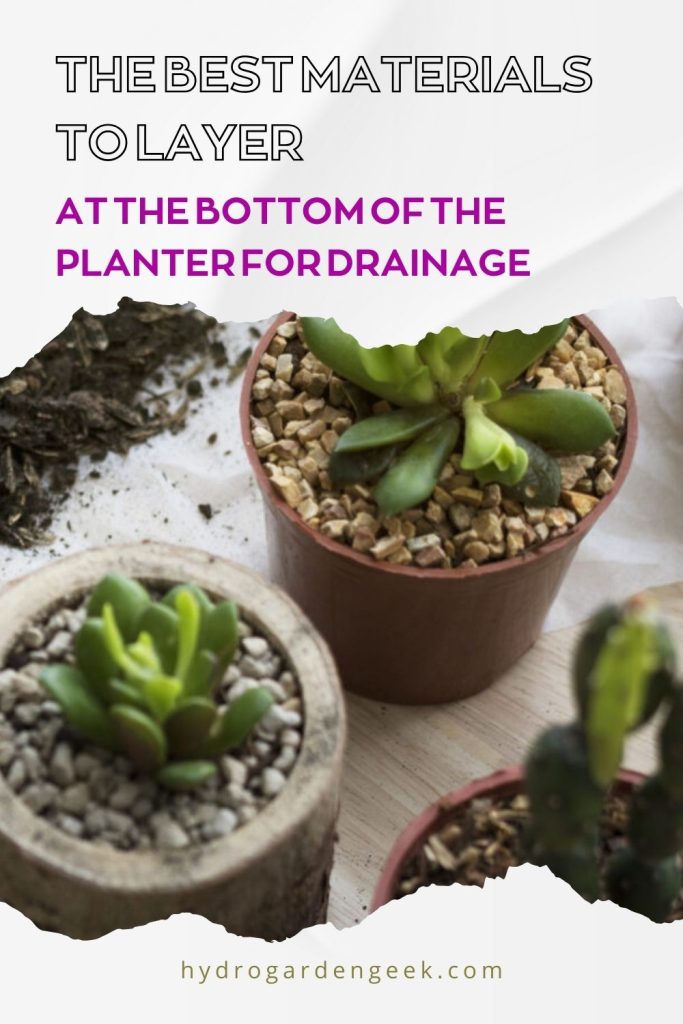
Gravel and river rocks are probably everyone’s go-to for drainage in pots. Add an inch or two of gravel, small stones, or river rocks to the bottom of your pot. These dense materials let water flow freely while keeping the soil above from washing out. They also add some weight, helping prevent lightweight pots from toppling in the wind.
3. Expanded Clay Pebbles
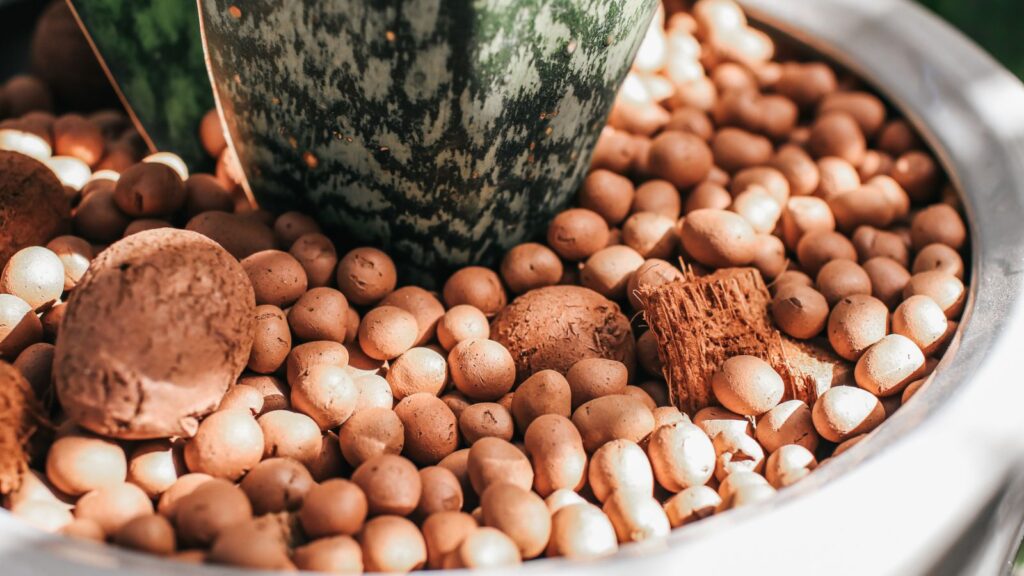
Expanded
Expanded
4. Coconut Coir
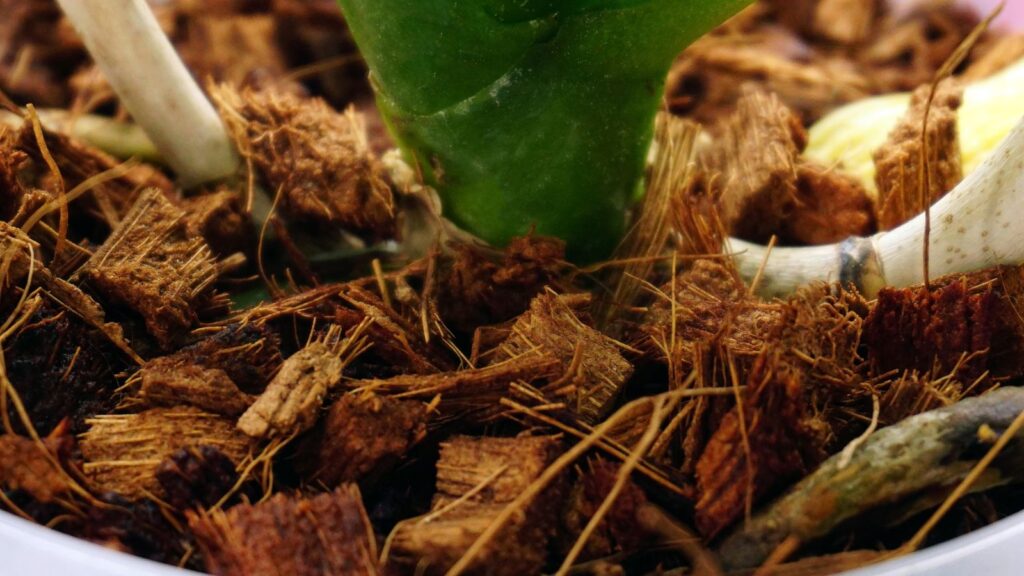
These are fibrous materials gotten from shredded coconut husks, and they are great for managing moisture in the soil. They absorb extra water when it’s available and release it slowly as the soil dries.
5. Plastic Netting or Weed Barrier Fabric
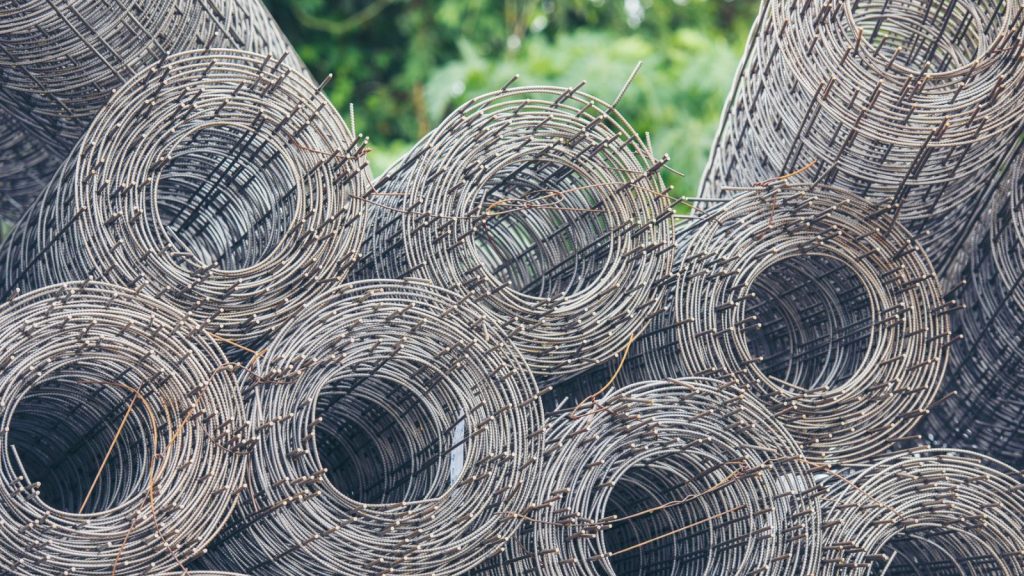
Although these materials do not act as drainage on their own, they help improve your drainage system’s performance. Placing a layer of landscape fabric or mesh over your gravel or rocks keeps potting mix from sifting down and clogging drainage holes. Water still flows through, but the soil stays in a separate layer, your pot stays cleaner and more efficient.
6. Coarse Sand
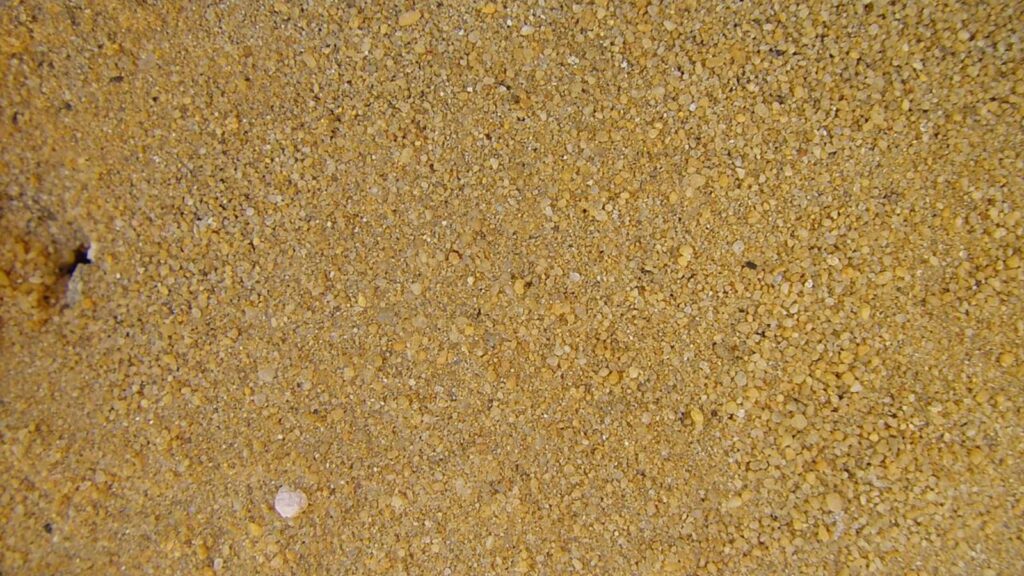
If you place a thin layer (about half an inch) of coarse builder’s sand or horticultural sand below your soil, it helps to filter water and improve percolation. It’s a cheap and easy way to improve drainage in a pot. Just be sure it’s clean and coarse, not fine sand that compacts. Layer it below the soil, above gravel or rocks.
7. Compost Layer (in large pots)
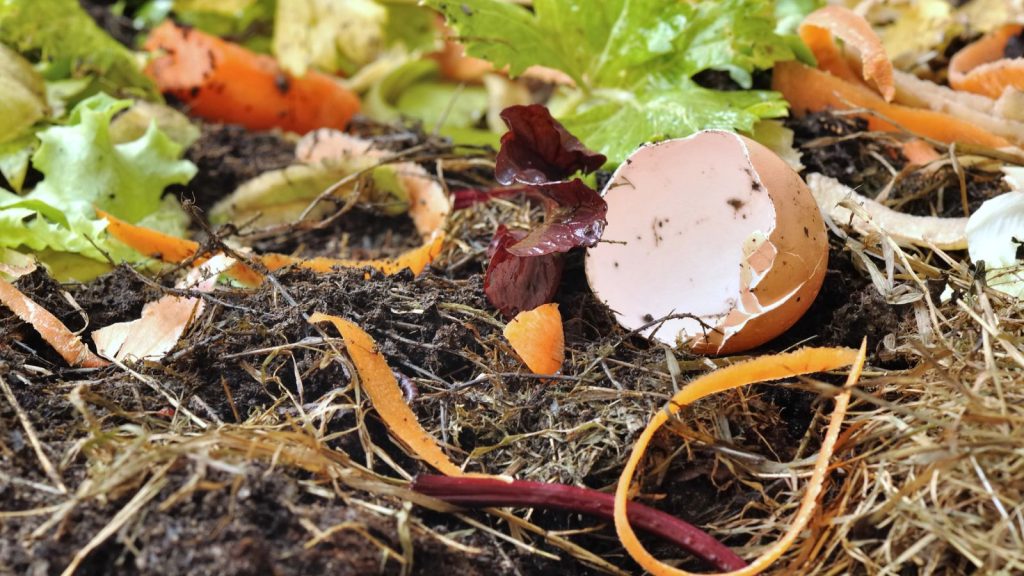
You can fill the bottom third layer of wide, deep pots with coarse organic material like chopped stems, twigs, or chunky compost. These materials hold without waterlogging roots and break down slowly to feed the plant. They also encourage beneficial microbial breakdown and reduce the need for frequent watering. As a bonus, you need less potting soil to fill the large pot if you have already added compost materials.
8. Pinecones
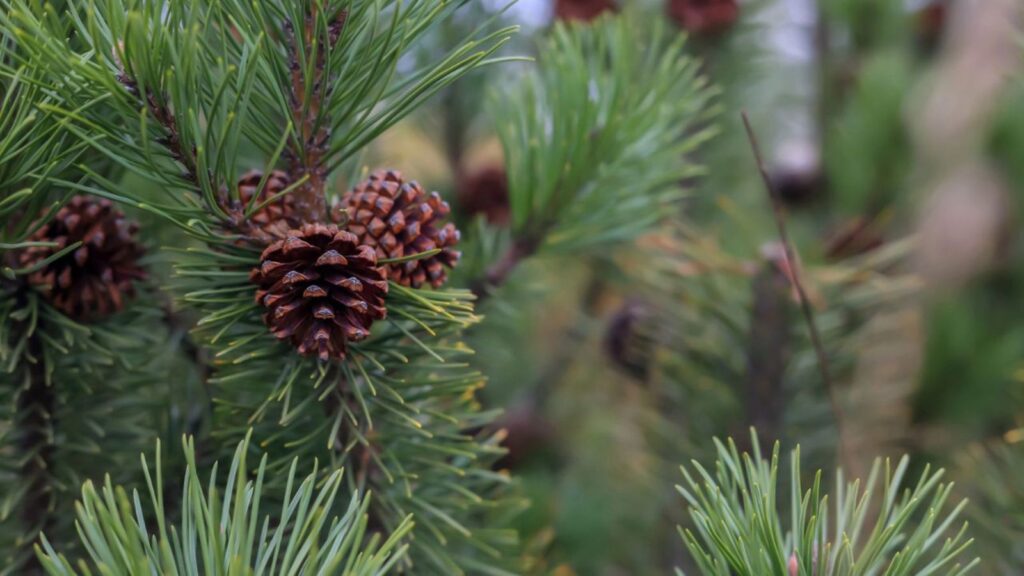
Layering pinecones at the bottom of a planter creates little air pockets that help with both drainage and airflow. You can use either fresh or aged pinecones, as they don’t compress easily and work especially well in tall pots.
9. Styrofoam Balls or Packing Peanuts

Clean packing peanuts or Styrofoam balls can help water drain in heavy planters. Just be sure to use the old-school kind, not the newer biodegradable ones that dissolve in water. Clean them, line the bottom of your pot with them, add a fabric barrier if needed, and fill with soil as usual.
10. Broken Ceramic Tiles or Dishes

Pieces of broken ceramic mugs, chipped plates, or cracked tiles can be used for drainage in planters. They work just like terracotta. Lay them at the bottom of wide, shallow pots to catch excess water and let plant roots breathe. Make sure edges aren’t sharp; if they are, cover with a thin layer of landscape fabric for safety.
11. Bamboo Canes or Sticks

Stand bamboo sticks upright or criss-cross them at the bottom of large planters. They form natural air channels so water doesn’t pool against roots. As the bamboo slowly breaks, it also adds a rustic, natural vibe to your plant setup.
12. Shredded Wood or Bark Chips
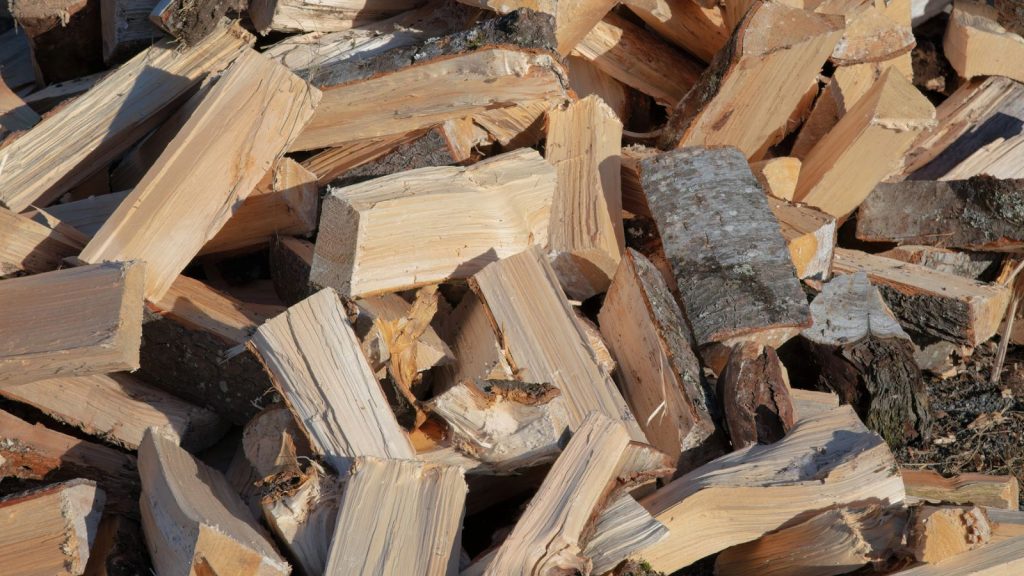
A layer of aged, shredded wood or bark can be a lightweight, biodegradable alternative to gravel. It absorbs excess moisture and gradually breaks down into the soil, improving its structure. Just make sure it’s well-aged, as fresh chips can temporarily leach tannins that alter the soil pH.
13. Charcoal Briquettes (Lump Charcoal, not lighter fluid)
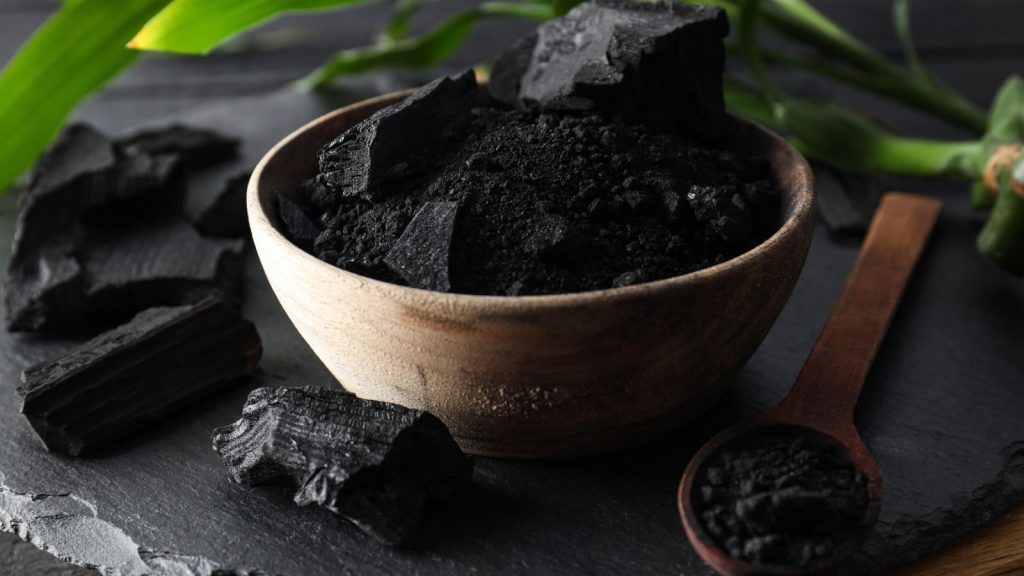
Garden-grade charcoal is particularly great if you’re growing plants or herbs that are sensitive to excessive moisture in containers. It also helps purify stagnant water, reduce odors, prevent mold, and absorb toxins. Avoid using briquettes meant for grilling, as they are often full of chemicals.
14. Volcanic Materials (Coarse Perlite or Pumice)

Coarse horticultural
These minerals will hold air pockets and never break down, so your roots stay oxygenated and free from rot. You just need to mix them in with the bottom 2–3 inches of your potting soil, and you’re good to go.
15. Oak Bark or Cork Chip

If you want something more long-lasting than shredded wood bark, choose cork chips or chunky oak bark instead. They’re lightweight, making them perfect for large pots you still want to move around.
They’re also coarser and break down much more slowly. Cork, in particular, resists rot and doesn’t become compact easily, so your plants can breathe better and water drains freely for years.
16. Geotextile or Coffee Filters
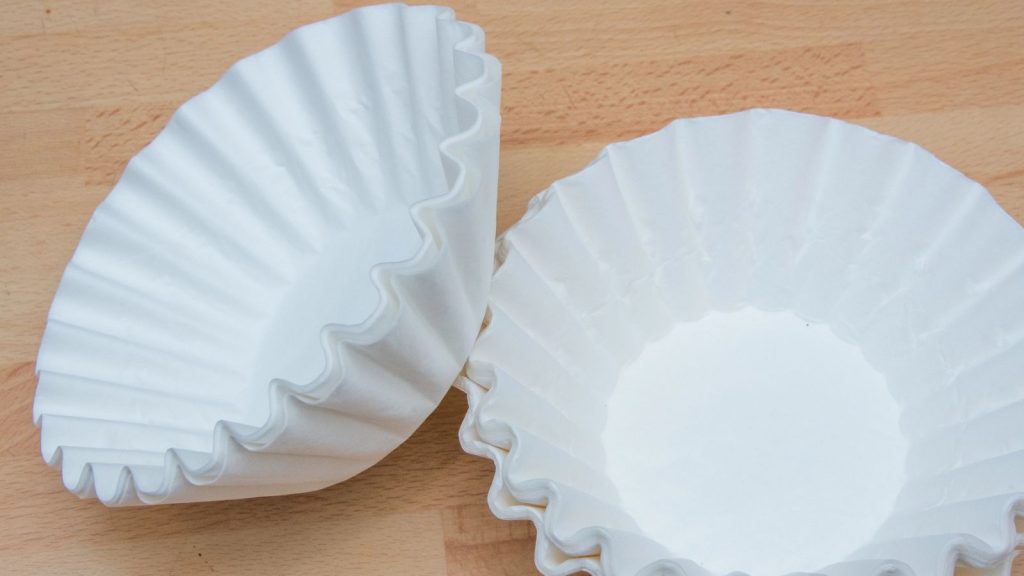
Line the bottom of your pot with a