With summer grilling season heating up, the eternal debate about hot dogs has taken an unexpected turn, and the results are shocking. While food critics often argue over artisanal franks and regional specialities, retail data reveals that Ball Park Franks dominate the American palate in a way that no other brand comes close to matching. The sheer scale of its popularity, however, isn’t just about taste; it’s a story of nostalgia, economics, and cultural influence, and many fans don’t realise just how much power this brand wields over our dinner tables.
The Undisputed Retail King
Recent Statista data show that Ball Park Franks generated over $222 million in retail sales last year, dwarfing its nearest competitor, Oscar Mayer, by $85 million. This massive gap highlights how the brand has turned convenience, affordability, and consistent flavour into a formula for domination.
From budget-conscious families to casual grillers, Ball Park has positioned itself as the go-to choice for backyard barbecues and stadium snacks alike. Yet behind these numbers lies a deeper story, one that ties taste to memory, sports culture, and shared American experiences.
Why Our Taste Buds Can’t Quit Ball Park

The secret to Ball Park’s appeal isn’t just marketing, it’s science. The franks deliver a smoky, umami-rich profile that triggers nostalgia in nearly every bite. The combination of meat, plumping agents, and precise cooking methods creates a flavour that many associate with childhood ballgames, family barbecues, and summer fairs.
Studies in sensory perception suggest that taste is heavily influenced by memory and emotion, meaning that each bite of a Ball Park frank can transport consumers back to those moments. It’s a classic example of why comfort food works: the taste is inseparable from personal and cultural memory.
Regional Hot Dog Rituals and Cultural Clout
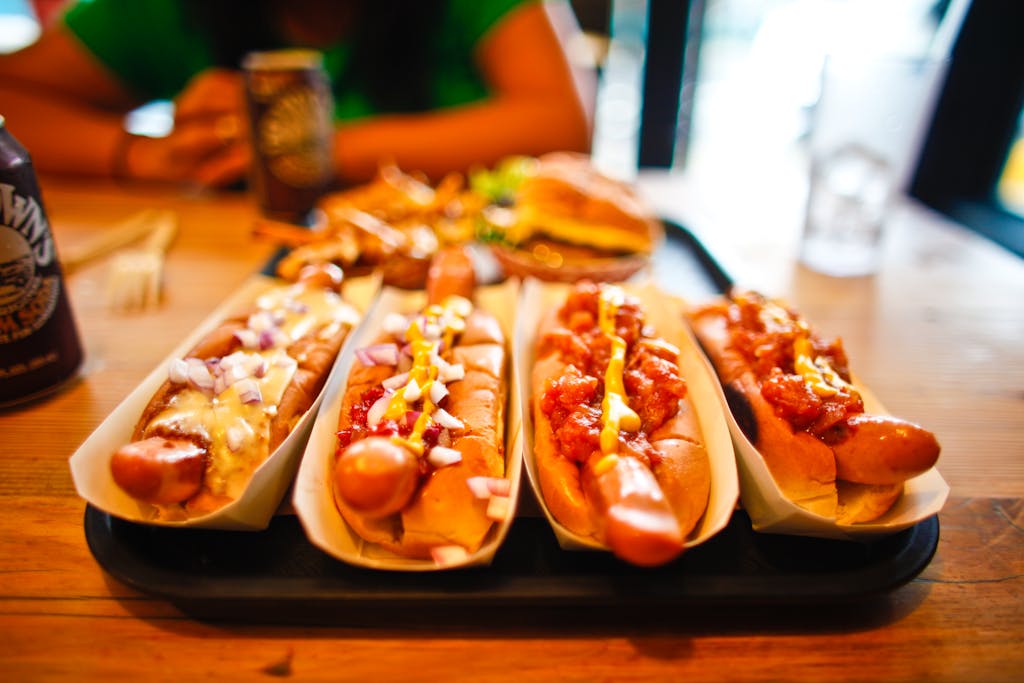
While Ball Park dominates nationally, local traditions still shape how Americans consume hot dogs. Chicagoans debate the merits of poppy seed buns and neon green relish, New Yorkers champion street-style mustard zigzags, and Coney Island lovers swear by chilli and onions.
Ball Park has managed to bridge these regional tastes with a reliable, mainstream option. It’s not just a grocery staple, it’s an icon, connecting generations across the country through a shared culinary experience.
The Economics of the Everyday Frank
Part of Ball Park’s dominance comes down to pricing. Unlike premium brands such as Hebrew National or Boar’s Head, Ball Park delivers a full pack of franks at an affordable price, making it ideal for feeding crowds without breaking the bank.
This accessibility has transformed the brand into a go-to for families, summer parties, and tailgates. The lesson here is simple: widespread availability, strategic pricing, and portion consistency are as important as flavour when it comes to becoming America’s favourite.
Behind-the-Scenes: How Consistency is Engineered
Few people realise how meticulously Ball Park maintains consistency across millions of units. From sourcing prime cuts to controlling fat content and employing plumping techniques, the brand has engineered a product that performs consistently in every kitchen and on every grill.
Their proprietary methods ensure that the franks “plump when you cook ’em,” a marketing slogan backed by real, measurable food science. This reliability is a core reason the brand has survived decades while speciality brands come and go.
Health, Nutrition, and the Modern Consumer
While Ball Park reigns supreme, nutrition-conscious consumers often question the health impact of mass-market franks. With calories, sodium, and preservatives carefully monitored, the brand remains an accessible indulgence, but moderation is key.
Emerging trends like plant-based franks and organic beef options indicate that even legacy brands are adapting to the evolving health landscape. This makes the debate over taste versus health a new frontier for hot dog consumers, sparking lively discussion among readers.
Pop Culture, Memes, and Social Media Relevance

Ball Park’s influence extends far beyond grocery aisles. Social media has amplified its cultural footprint, from humorous memes about backyard grilling mishaps to viral taste-test challenges.
This ongoing engagement keeps the brand relevant with younger generations, blending nostalgia with modern entertainment. For readers, this angle turns a simple retail story into a conversation about identity, shared experiences, and American culture.
Environmental and Sustainability Considerations
At a time when consumers increasingly care about sustainability, Ball Park has made efforts to improve its sourcing practices and reduce its environmental impact. From responsible meat sourcing to more eco-conscious packaging, these initiatives add a new dimension to the brand’s story.
Environmental awareness, combined with affordability and taste, positions Ball Park as both an iconic and evolving player in the food industry.
Regional Consumption Trends
Interestingly, hot dog consumption varies widely across the U.S. New Yorkers spend the most on retail hot dogs overall, while Upstate New York leads in per-capita consumption. Seasonal spikes, such as Memorial Day through Labour Day, see Americans consuming over a third of annual hot dogs, with Independence Day alone accounting for roughly 150 million franks. Ball Park’s ability to dominate these peak periods underscores its cultural ubiquity and deep roots in American life.
The Future of Hot Dogs
Looking forward, Ball Park faces new competition from artisanal, plant-based, and regional speciality franks. However, its combination of flavour, affordability, and cultural resonance makes it a nearly unshakable leader.
The ongoing evolution of consumer preferences toward healthier, sustainable, or gourmet options will shape the next chapter of this iconic brand. Readers are left to debate whether innovation or tradition will ultimately define the next generation of American hot dogs.