Highlighting their spiritual significance as symbols of salvation and divine love, not just physical signs. When Jesus rose from the dead, He did not appear as a flawless, unmarked figure. Instead, He carried the wounds of His crucifixion, the pierced hands, the scarred side, and the marks of the crown of thorns as He appeared to His disciples.
These scars were not signs of weakness or defeat. They were living symbols of victory, proof of identity, and a story written on flesh that speaks of love, sacrifice, and redemption. The scars serve as a bridge connecting His death, resurrection, and the hope of salvation for all who believe.
Forever a Reminder of Salvation’s Cost

Finally, the scars are an eternal reminder of what salvation cost. They testify that love is not distant or abstract, but a sacrificial act with real consequences. Every mark tells a story of mercy, endurance, and the divine commitment to humanity’s redemption.
They remind believers that salvation was purchased at the highest price and invite reflection on the depth of Christ’s love. The scars are living proof that God’s victory over death came through suffering. They remain a powerful call to faith, gratitude, and hope.
Wounds Helped the Disciples Recognize Him
Recognition is a powerful human need, especially in moments of grief and disbelief. For the disciples, Jesus’ scars were essential for connecting the risen Christ to the crucified Messiah they had followed and mourned.
In the Gospel of John, these marks act as recognition tokens, tangible proof that He had endured suffering and returned victorious. They transformed fear into faith and doubt into devotion.
By allowing the disciples to see and touch His wounds, Jesus provided an undeniable connection between past suffering and present glory, anchoring the resurrection in reality rather than mystery.
Scars as Eternal Symbols of Triumph
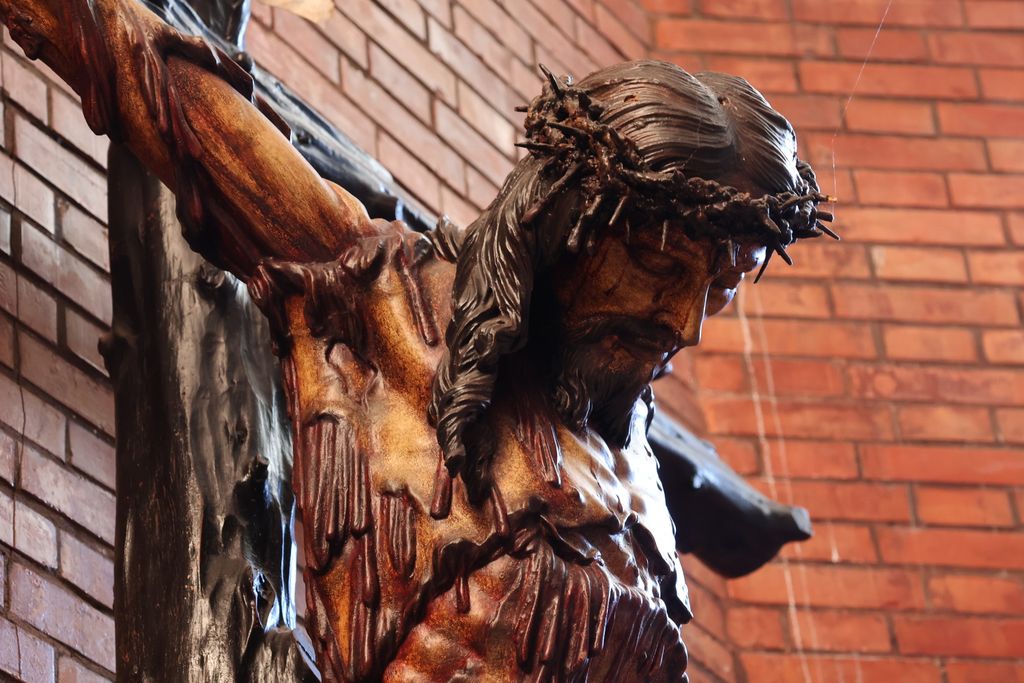
The wounds of Jesus are more than physical remnants; they are eternal symbols of triumph and victory. He kept these marks to remind humanity of the cost of redemption and the depth of God’s love. Unlike mortal trophies that fade, these scars stand as perpetual testimony to a sacrifice that overcame sin and death.
They offer believers a visual anchor for reflecting on the scope of His suffering, the purpose of His mission, and the assurance that victory is achieved through love and obedience. In this way, His scars are both historical proof and spiritual inspiration.
Showing the Link Between Suffering and Resurrection
The wounds of Christ create a powerful narrative linking suffering to resurrection. His scars demonstrate that resurrection is not about erasing the past but transforming it. Pain, injustice, and betrayal are not hidden or denied; they are woven into the story of triumph.
Every scar serves as a visible reminder that death does not have the final word. Believers see in these marks a divine paradox: the body that suffered is also the body that lives eternally, teaching that redemption honors the struggles endured rather than ignoring them.
Wounded Yet Gloriously Triumphant

The marks on Jesus’ resurrected body challenge the ancient expectation that a glorified form must be flawless. Instead, His wounded yet transformed body presents a new paradigm: glory is not the absence of pain, but the triumph over it.
These scars show that full life and victory do not erase hardship; they transcend it. Jesus’ resurrected body models resilience, showing that wounds can coexist with power, suffering with honor, and mortality with immortality.
The visible scars invite believers to embrace the reality that their own struggles can be transformed into testimony.
From Wounds to Scars — A Story
In Flesh, it illustrates how the transformation of scars reflects God’s power to turn suffering into triumph and inspires trust in His plan. The transition from fresh wounds to healed scars is more than a physical change; it tells a theological story.
The scars mark the movement from suffering to triumph, illustrating that pain endured in obedience and love can be transformed into a lasting testimony. Each scar carries the history of the agony of crucifixion, the injustice of execution, and the weight of humanity’s sins. Yet these marks, healed and glorified, reflect victory over death and the completion of His mission.
They are reminders that suffering is not erased in resurrection; it is redeemed, turned into a story of hope for all who encounter Him.
Scars Confirm His Identity — Not a Ghost

Emphasizing how Jesus’ wounds serve as a personal reminder of His sacrifice, encouraging believers to reflect on their own faith journey. When Jesus appeared to Thomas, He invited him to “put your finger here” and “place your hand in My side.”
This moment is more than a personal encounter; it is divine validation. The scars proved beyond doubt that the risen Jesus was the same person who suffered and died on the cross. They dispel any notion that His resurrection was a ghostly apparition or a spiritual illusion.
For the disciples, seeing and touching the marks made the resurrection tangible and real, showing that Jesus’ body had truly overcome death while retaining His identity. The visible scars were living evidence that the miracle of resurrection is both physical and transformative.