Some modern cities thrive while preserving the legacy of ancient civilizations. Built on the remnants of past empires, these cities blend history with innovation. The truth remains that some of the world’s most famous cities, which we think of as shining examples of modern progress, wouldn’t even exist if it weren’t for the ancient ruins they’re built upon. Let’s explore 8 modern cities that take you back to ancient times each time you visit them.
Rome, Italy
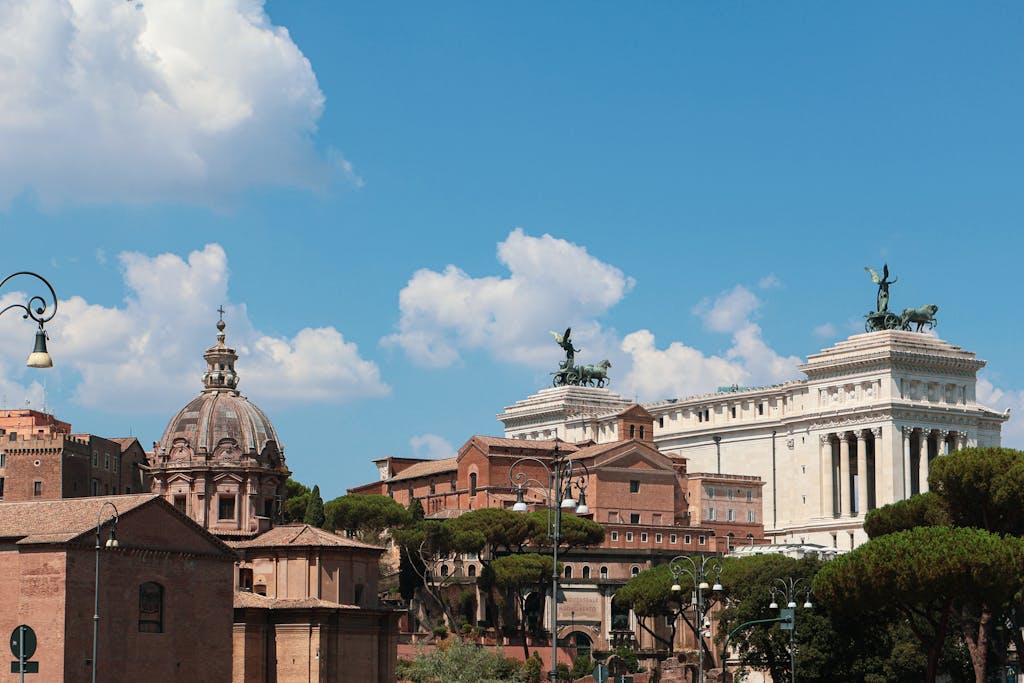
Rome exemplifies a city built on the foundations of a historic empire. Ancient monuments such as the Roman Forum and Colosseum are interspersed among modern structures. The city’s history is visible throughout, allowing residents and visitors to experience both ancient and contemporary Rome.
Rome’s ancient past is not just preserved but celebrated, making it a seamless blend of history and modernity. Its centuries-old structures continue to influence architecture and urban planning worldwide, with the ruins of ancient temples, palaces, and forums still serving as central landmarks.
Istanbul, Turkey
Istanbul has served as a crossroads of civilizations for millennia. Formerly Byzantium and later Constantinople, it was the capital of both the Roman and Ottoman Empires. Remnants of Byzantine churches and Roman structures, such as the Hagia Sophia, remain prominent in the city.
Today, Istanbul is a modern metropolis where shopping centers and high-rise buildings stand alongside ancient ruins. The city’s blend of Byzantine mosaics and modern Turkish art highlights its unique cultural continuity.
Athens, Greece
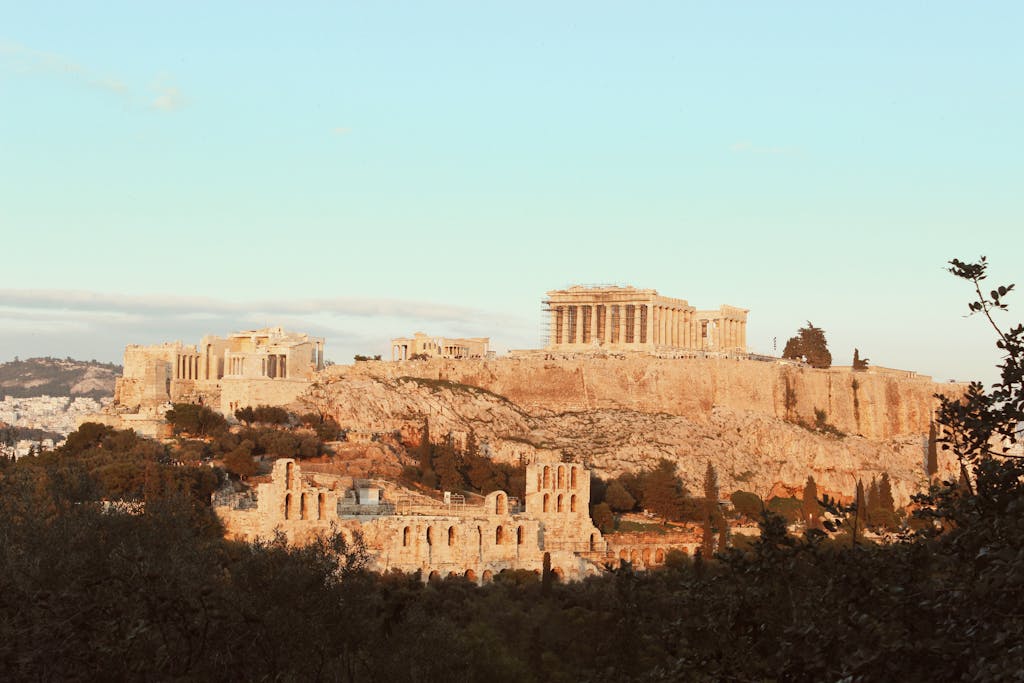
Athens, often called the cradle of Western civilization, is defined by its proximity to ancient ruins. The Acropolis, with monuments like the Parthenon, symbolizes Greece’s enduring legacy, while the modern city thrives below with cafés, boutiques, and art galleries.
Athens’ charm lies in its integration of ancient and modern elements. Despite rapid modernization, the city preserves its history, with ongoing archaeological digs continually enriching its cultural landscape.
Cairo, Egypt
Cairo, near the Great Pyramids of Giza and the Sphinx, is renowned for its proximity to ancient ruins. While these monuments reflect Egypt’s historic grandeur, Cairo has rapidly modernized with a growing population and expanding urban landscape.
Despite rapid growth, Cairo maintains a strong connection to its ancient heritage. The Egyptian Museum houses relics from the pharaohs, while the surrounding desert contains many undiscovered tombs and ruins.
Jerusalem, Israel
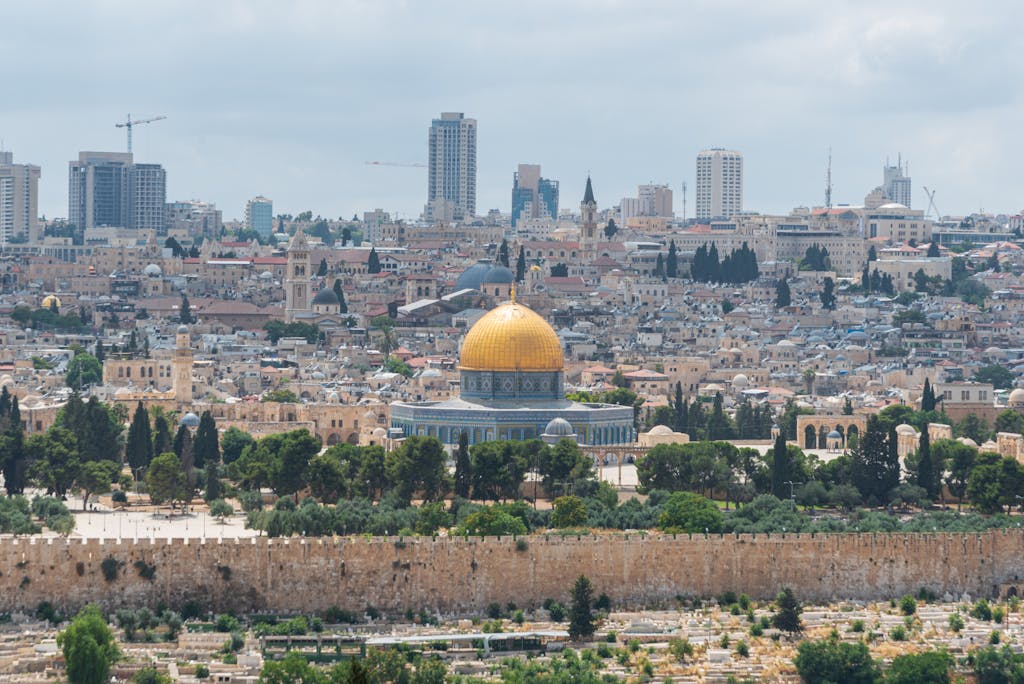
Jerusalem is significant to Judaism, Christianity, and Islam, with a history spanning over 3,000 years. Ancient ruins, such as the Western Wall, exist alongside the city’s modern infrastructure.
In Jerusalem, ancient sites are integrated into daily life. From the markets of the Old City to modern districts, the city maintains a strong connection to its historical roots.
Lima, Peru
Lima, Peru, is built on the foundations of the Inca Empire. Sites like Huaca Pucllana are reminders of pre-colonial civilizations, surrounded today by modern buildings and busy streets.
Lima’s blend of colonial architecture and ancient ruins reflects its layered history. Ongoing excavations of Inca artifacts highlight the city’s indigenous roots as it continues to grow as Peru’s capital.
Petra, Jordan

Although Petra is not a traditional city, its role as an ancient capital carved into Jordan’s rock makes it unique. Today, Petra is a UNESCO World Heritage site attracting tourists, with nearby modern settlements supporting visitor needs.
Petra’s Nabatean legacy endures, with its rock structures demonstrating both ancient ingenuity and the integration of history with modern requirements.
Tbilisi, Georgia
Tbilisi, Georgia’s capital, has evolved over centuries. Its roots trace back to the 5th century, with remnants of fortresses and churches found throughout the city. Tbilisi’s architecture combines traditional, Soviet-era, and modern styles.
Tbilisi’s old town, with narrow streets and historic buildings, contrasts with its modern districts. The city’s development blends old and new, integrating history into everyday life.