Imagine wandering through a quiet, misty forest when suddenly, you spot a strange and unnerving sight. A mushroom that looks like a human organ, a plant with berries resembling eyeballs, or even a flower that seems to be puckering up for a kiss.
Nature can be both beautiful and grotesque, and these ten creepy plants and fungi take the latter to a whole new level. Their uncanny resemblance to human body parts can make you wonder if the natural world is playing a twisted game with us. Ready to explore the strange and creepy side of the plant kingdom? Let’s dive in.
Bleeding Tooth Fungus (Hydnellum peckii)
At first glance, Hydnellum peckii looks like a scene straight out of a horror movie. The Bleeding Tooth Fungus, with its pale, tooth-like structure and vivid red droplets that drip from its surface, is enough to make anyone do a double-take.
The bright red “blood” oozing from the fungus makes it look like it’s been torn from the pages of a vampire story. It’s fascinating, yet deeply unsettling. While it’s not toxic to humans, the appearance of blood seeping from this fungal growth is enough to leave anyone feeling uneasy.
Found in damp, wooded areas of North America and Europe, it’s a great reminder that the forest has its own brand of strange beauty. Kew Gardens, while calling it “strangely beautiful,” admits it’s one fungus that you wouldn’t want to stumble upon during a late-night walk.
Doll’s Eye (Actaea pachypoda)
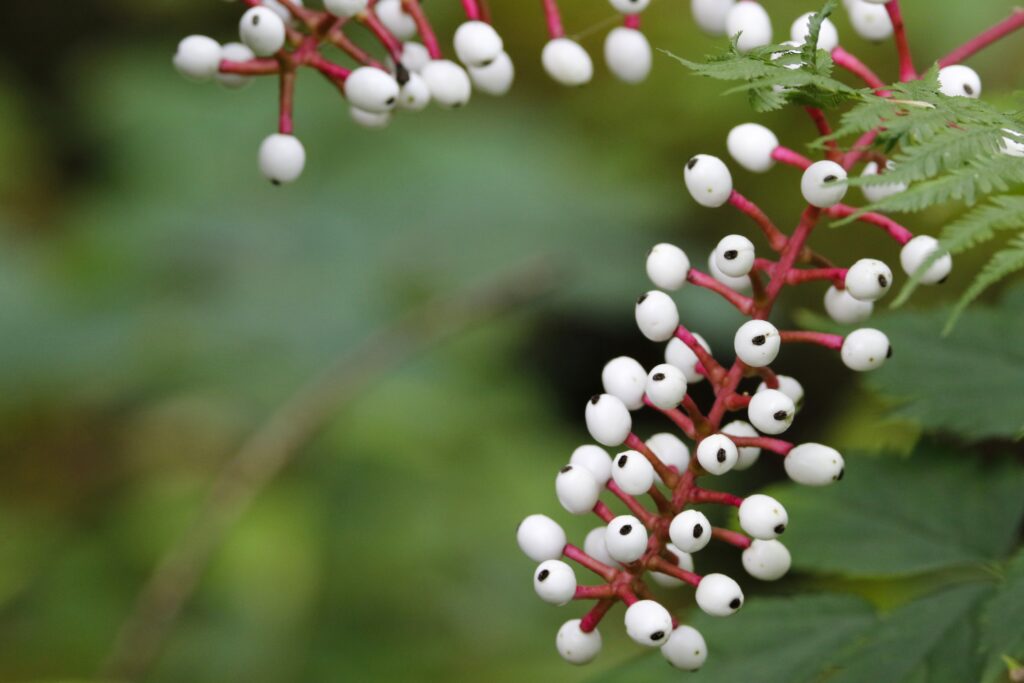
Actaea pachypoda, or Doll’s Eye, might just be the most unnerving plant you can find in the wild. Its berries resemble tiny eyeballs, complete with black pupils staring directly at you. Picture walking through a forest, only to find dozens of unblinking, white eyeballs staring out from between the leaves.
While the plant is undoubtedly fascinating, its berries are highly toxic and should be avoided at all costs. Found in the woodlands of eastern North America, Doll’s Eye is a perfect example of how nature can be equal parts beautiful and menacing. The berries are so eye-like that they have earned the nickname “White Baneberry,” a fitting name given their deadly nature.
Girdled Dapperling (Dermoloma cuneifolium)
titanchik/ 123RF
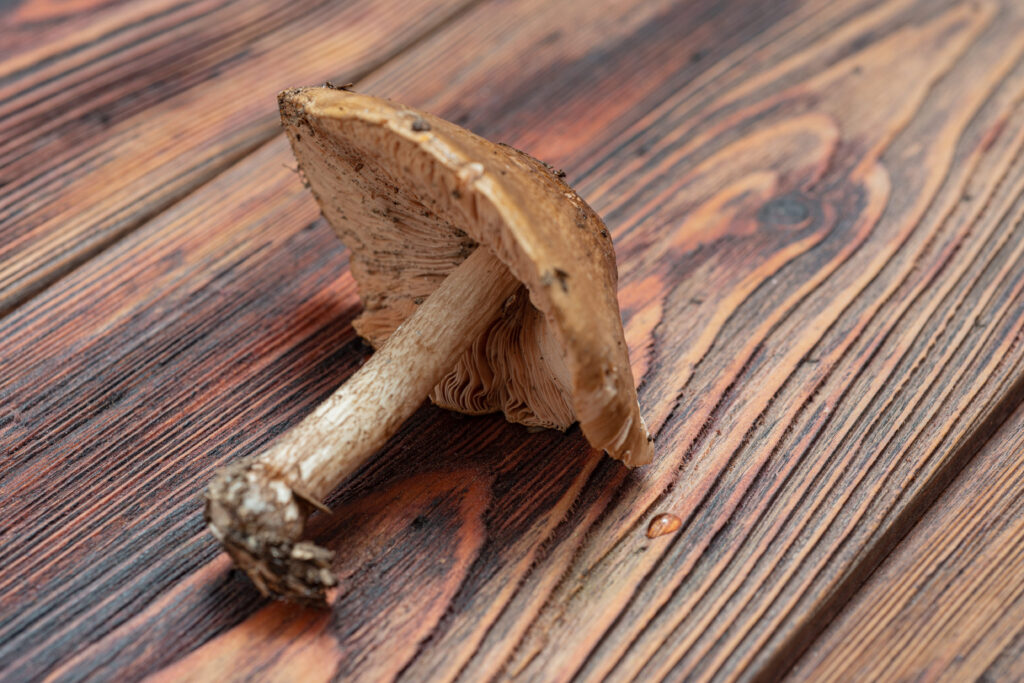
If you’re into fungi, you’ll know that mushrooms come in all shapes and sizes, but none quite like the Girdled Dapperling. This peculiar mushroom has a cap that resembles a human organ’s skin, with a raised center that makes it look almost like an internal body part.
When wet, the cap becomes even more grotesque, as the moisture accentuates its fleshy appearance, making it seem like something out of a medical textbook. While not toxic, its unsettling resemblance to human tissue is enough to make you think twice before touching it.
Growing on decaying wood, this strange specimen can be found in parts of Europe and North America. It may be harmless, but it certainly isn’t something you’d want to come across during a stroll in the woods.
Hooker’s Lips (Psychotria elata)
Nature has a flair for the dramatic, and Psychotria elata, also known as Hooker’s Lips, proves just that. With its bright red bracts shaped like perfect lips, this tropical plant from Central and South America seems to invite you in for a kiss.
But it’s not just for show; these vibrant “lips” are actually designed to attract pollinators such as hummingbirds and butterflies. The plant’s strange resemblance to human lips adds a layer of mystique, making it an intriguing yet unsettling sight in the rainforests.
While beautiful in its own right, the plant’s uncanny resemblance to a human body part gives it an eerie quality. Imagine discovering it deep in the jungle, would you think it was an invitation or a warning?
False Morels (Gyromitra spp.)
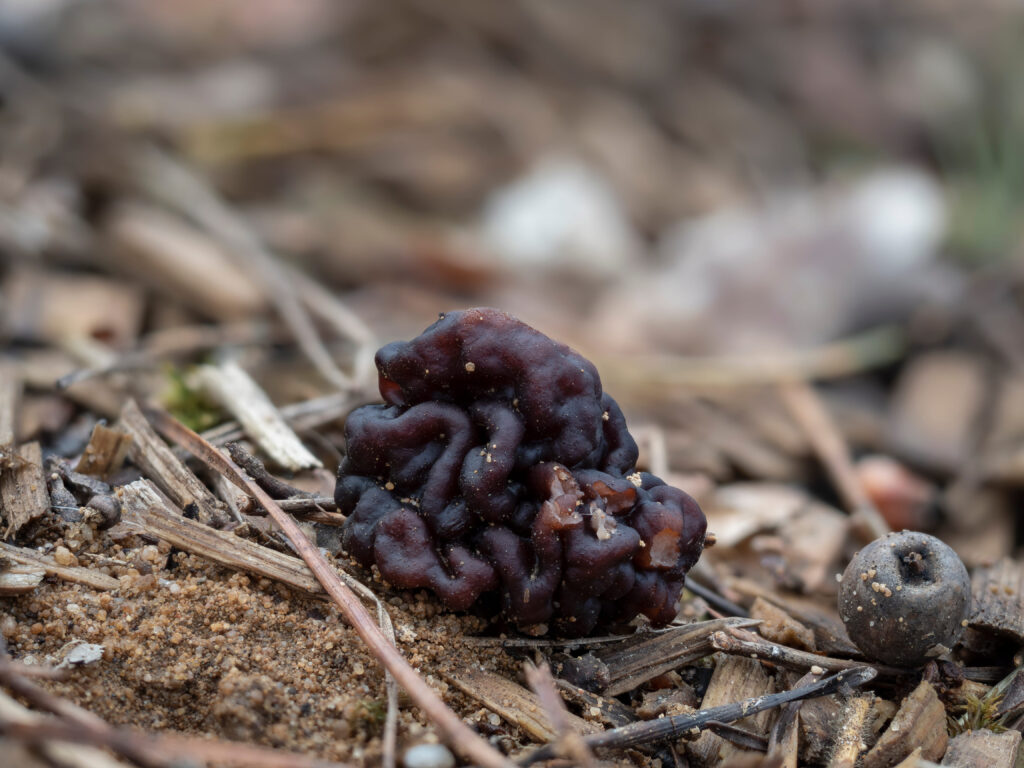
Mushrooms come in all shapes, but the False Morels are particularly grotesque. Resembling wrinkled, brain-like masses, these fungi look disturbingly like human organs. However, these mushrooms are not just creepy; they’re also extremely dangerous.
Containing gyromitrin, a potent toxin, False Morels can cause severe poisoning if ingested. While some may mistake them for edible morels, their toxicity makes them among the most dangerous fungi. Found in North America and Europe, Gyromitra mushrooms grow on decaying organic matter and serve as a grim reminder that nature can be both beautiful and deadly.
Wrinkled Peach Mushroom (Rhodotus palmatus)
The Wrinkled Peach Mushroom is another fungus that can easily make your skin crawl. Its fleshy, wrinkled cap is so similar to human skin that you might think it was purposefully crafted to resemble an internal organ.
The net-like texture and veined surface of the mushroom make it look like something that shouldn’t belong in nature. While it’s not toxic, it certainly looks like it could be. This mushroom, found on decaying hardwood, grows primarily in damp, shaded areas, and its strange, fleshy appearance makes it an unforgettable find. It’s a reminder that fungi don’t just come in traditional mushroom shapes; they can look like something you’d rather not see.
Snapdragon Seed Pod (Antirrhinum majus)
We know Snapdragons as the bright, cheery flowers in gardens, but their seed pods are something altogether different. Once the flowers fade, the dry seed pods take on an eerie, skull-like shape that resembles a tiny, screaming face.
It’s as if the plant is warning you of something sinister lurking beneath its beautiful exterior. While harmless, this spooky transformation adds an element of horror to what was once a simple garden flower. It’s nature’s way of showing that even something as cheerful as a snapdragon can harbor something dark and creepy when it matures.
Wood Ear (Auricularia auricula-judae)
The Wood Ear fungus is a curious specimen that looks like it’s been torn from the pages of a biology textbook. Its translucent, ear-shaped body grows on decaying wood, and its wrinkled texture makes it look disturbingly like a human ear.
Harmless to humans,the Wood Ear is often used in Asian cuisine, adding a unique texture to dishes. But despite its culinary use, its appearance remains unsettling, making it one of the creepiest fungi around. The fact that it grows on dead or decaying wood only adds to its eerie, organic appearance.
Purple Jellydisc Fungus (Ascocoryne sarcoides)
The Purple Jellydisc Fungus looks like something you’d find in a science fiction movie. Its gelatinous, purple discs are clustered together, resembling internal organs or intestines.
The Ascocoryne sarcoides fungus starts as a purple blob before flattening into soft, disc-like shapes, making it one of the creepiest fungi on this list. Found growing on decaying wood, this fungus thrives in moist environments, and after rain, its texture and color make it look even more grotesque. It’s nature’s answer to something that looks too real, like it was plucked from the human body.
Devil’s Fingers Mushroom (Clathrus archeri)
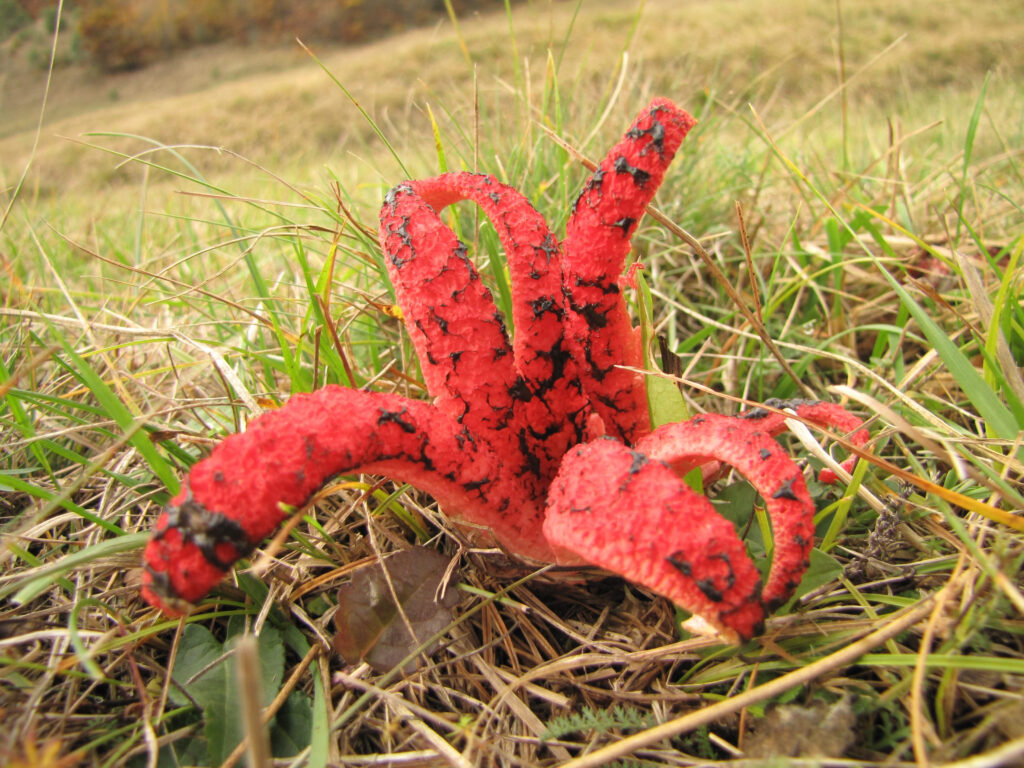
Possibly the most frightening fungi on the planet, the Devil’s Fingers mushroom bursts from an egg-like structure and unfurls into multiple red, spindly arms that look like a hand clawing its way out of the earth.
Coated with a foul-smelling substance to attract flies, this mushroom looks like it’s come straight from the depths of a nightmare. The Clathrus archeri fungus resembles a claw reaching for the sky, and its disturbing appearance only adds to the unease it inspires. Native to Australia and New Zealand, this bizarre fungus has earned a reputation as one of the creepiest specimens in the natural world.