Your garden might seem like a peaceful sanctuary, but it could be home to plants with hidden dangers. Many common species, often cultivated for their beauty or aroma, contain powerful psychoactive or toxic compounds that can harm you or others. Some plants, like Salvia or Jimsonweed, can cause intense hallucinations or even death when consumed improperly.
Others, like the opium poppy, can be refined into dangerous, addictive substances. With their deceptive beauty and accessibility, these plants highlight the importance of knowing exactly what you’re growing in your backyard.
Jimsonweed
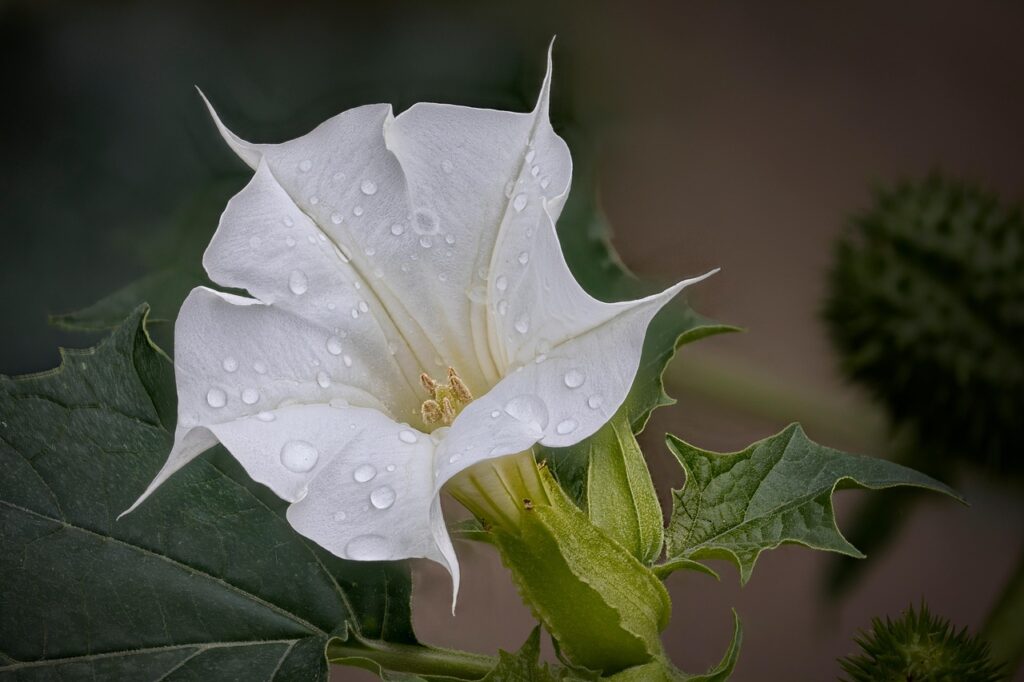
juergenrichterich/Pixabay
Jimsonweed contains toxic alkaloids, such as scopolamine and atropine. Consuming it can cause hallucinations, confusion, and even death. Despite its beauty, it is one of the most dangerous plants to encounter.
It has a long history of use in rituals, but it’s highly unpredictable and lethal. Just a small amount can result in poisoning, making it a plant to avoid entirely. Jimsonweed should never be ingested.
Sage of the Diviners
Salvia is a powerful hallucinogen used in spiritual ceremonies. When smoked or chewed, it causes intense, short-lived changes in perception. These effects can be disorienting, leading to confusion and distress for unprepared users.
Despite its risks, Salvia remains legal in some places and is often sold as a mild herb. However, its strong effects can overwhelm users, even those who think it’s harmless. This plant should be approached with extreme caution.
Psilocybin Mushrooms
Psilocybin mushrooms, or magic mushrooms, contain compounds that cause hallucinations. These mushrooms have been used for centuries in rituals, but can be dangerous if misused. They are illegal in many places and can cause panic, confusion, or long-term psychological effects.
While they grow freely in the wild, they can be hard to identify, increasing the risk of accidental consumption. Their mind-altering effects can be powerful, making them risky to handle. Always be cautious when dealing with these mushrooms.
Opium Poppy
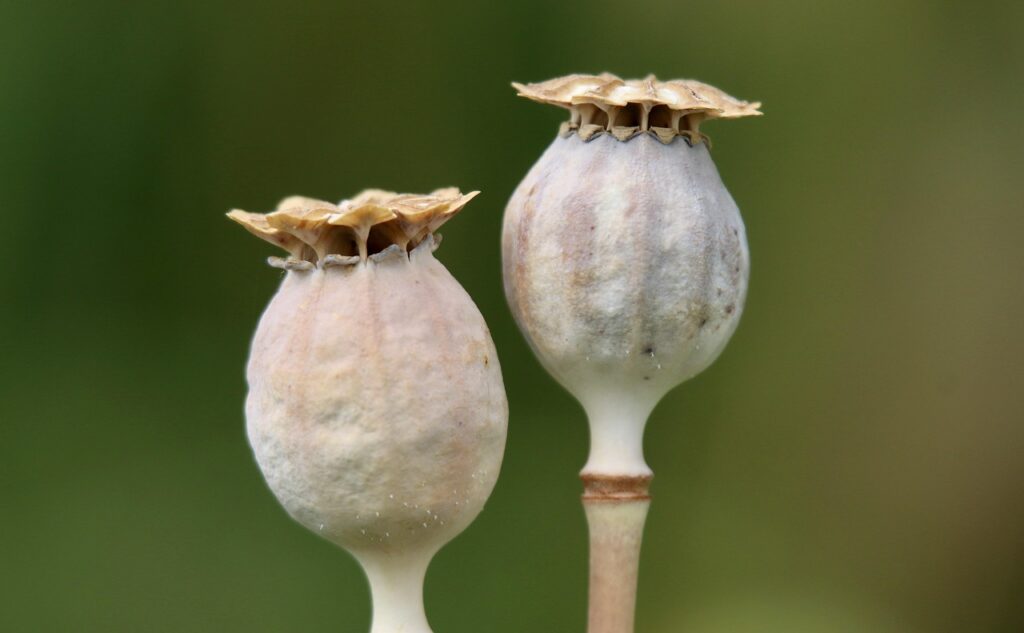
The opium poppy produces morphine, heroin, and codeine, highly addictive drugs. Although its flowers are beautiful, the plant is dangerous. It can be used to create illicit substances that destroy lives.
Growing this plant can lead to severe legal consequences. The alkaloids in its seeds can be refined into drugs that devastate health. Even growing it for ornamental purposes can get you into trouble.
Cannabis
Cannabis contains THC, which alters your mind and body. While it’s legal in some places for medical or recreational use, it can cause anxiety, paranoia, and cognitive impairment. Overuse can lead to negative mental health effects.
Though cannabis is used for both medicinal and recreational purposes, it’s still regulated in many areas. Growing it can lead to legal problems if you don’t follow the rules. Like all psychoactive plants, it should be used with care.
Devil’s Breath
Scopolamine, also known as Devil’s Breath, is a powerful hallucinogen. It can cause paralysis, memory loss, and confusion. It is used criminally to incapacitate victims, leaving them vulnerable.
Brugmansia, or Angel’s Trumpet, produces this dangerous substance. While its flowers are beautiful, the plant can render people helpless and easy to manipulate. It’s important to avoid this plant due to its high toxicity.
Banisteriopsis Caapi
Banisteriopsis caapi is used to create ayahuasca, a potent psychoactive brew. It induces powerful hallucinations and emotional experiences. However, without proper guidance, the effects can be overwhelming and lead to nausea and severe psychological reactions.
Though used in spiritual practices, ayahuasca can cause intense side effects. The plant’s powerful properties make it risky to consume without a professional’s supervision. It’s not a plant to take lightly.
Nutmeg

Nutmeg is a common spice, but in large amounts, it becomes dangerous. Consuming too much can cause nausea, dizziness, and hallucinations. The compound myristicin, found in nutmeg, can cause toxic side effects if overused.
While it’s generally safe as a seasoning, consuming large quantities can be hazardous. The effects are often prolonged and uncomfortable. Always use nutmeg in moderation to avoid health risks.
Philosopher’s Stone
Psilocybe sclerotia, known as Philosopher’s Stone, is similar to magic mushrooms. It contains psilocybin, which causes vivid hallucinations and altered consciousness. Though rare, it is still used by those seeking psychedelic experiences.
These fungi are often confused with other types of mushrooms, making them hard to identify. While not as common as their mushroom cousins, their effects can be just as intense. Consuming them without knowledge or caution can lead to dangerous psychological outcomes.
Henbane
Henbane contains alkaloids that cause delirium, hallucinations, and even death. It has been used in ancient rituals, but it is highly toxic. Ingesting any part of the plant can result in severe poisoning.
This plant grows easily in wild and cultivated spaces, but its effects are highly unpredictable. Henbane is known for causing paralysis and confusion, making it one of the most dangerous plants to encounter. Avoid contact with this plant.
Deadly Nightshade
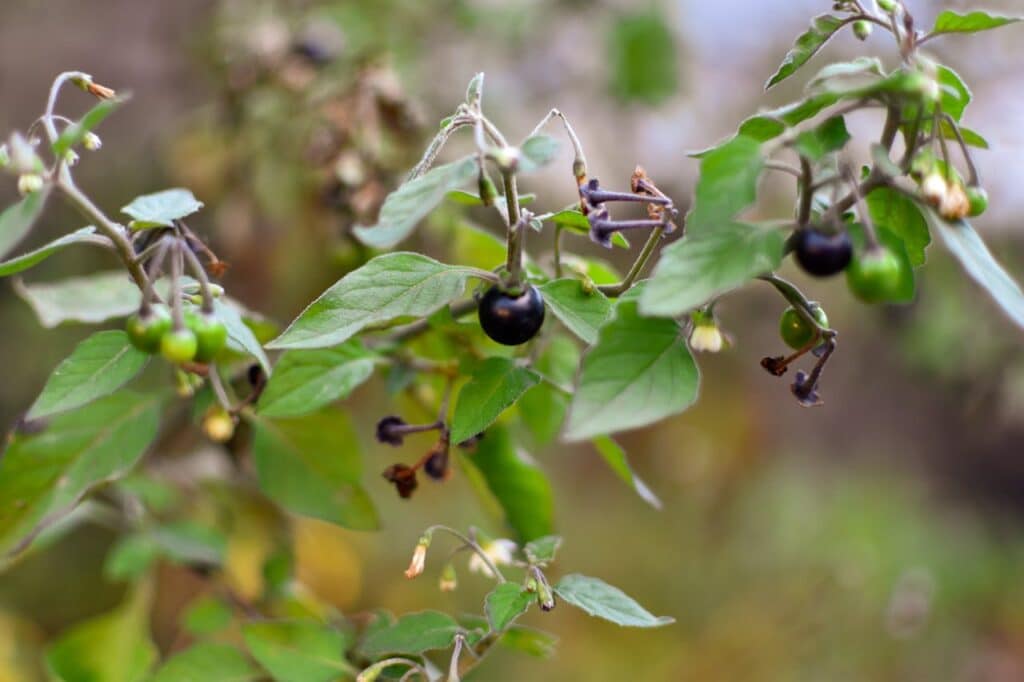
Atropa belladonna, or Deadly Nightshade, is one of the most toxic plants known to man. It contains atropine, which can cause dilated pupils, dry mouth, blurred vision, and hallucinations. Even small doses can be fatal, making this plant extremely dangerous.
Despite its attractive berries and flowers, belladonna is deadly. It has a long history of use as a poison and continues to be a serious threat today. Avoid this plant at all costs.
Coca Plant
The Erythroxylum coca plant produces cocaine, a highly addictive and illegal drug. While it has been used traditionally in South America for its stimulant effects, it is most commonly associated with illicit drug production. Growing the coca plant can lead to legal trouble in many regions.
Coca leaves contain alkaloids that can be refined into cocaine, a substance that causes serious physical and mental health problems. Cultivating this plant for personal use or otherwise can have severe consequences. The coca plant is best left undisturbed in areas where it’s illegal.