Some money habits look responsible from the outside, but they can quietly work against you when life becomes expensive, unpredictable, or emotionally draining. We often praise strict saving, aggressive debt repayment, bargain hunting, and side hustles because they sound disciplined. The problem begins when those habits create pressure instead of stability.
Smart money management is not about squeezing every dollar until your life feels smaller. It is about building a system that protects your needs, supports your goals, and still leaves room to breathe. These financial habits may feel clever at first, but without balance, they can slowly weaken your budget.
Over-Automating Savings Without Watching Your Cash Flow

Automatic savings can feel like a quiet victory. A few dollars move into savings after every purchase, spare change stacks up, and your banking app makes it look like progress is happening in the background. That feels good because it takes the effort out of the process.
The danger appears when automatic saving happens before you understand your actual monthly rhythm. If you keep moving money from savings into groceries, transport, rent, or bills, the habit is not building security. It is simply moving money around until the next shortage shows up.
A better approach starts with cash flow. Know exactly when money comes in, when bills go out, and when the tight days usually happen. After that, build a small buffer in your main account before sending money into savings. Automation works best when it supports a stable plan, not when it hides a shaky one.
Paying Extra on Debt Before Building a Safety Cushion
Debt repayment can feel powerful, especially when every extra payment reduces interest and brings freedom closer. We often celebrate people who throw every spare dollar at credit cards, loans, or overdrafts. That discipline matters, but it can become risky when it leaves nothing for emergencies.
Life rarely respects a perfect repayment plan. A broken phone, medical expenses, car issues, school costs, or a sudden rent increase can hit at the worst possible time. If every dollar has already gone toward debt, the only option may be borrowing again, which creates the same cycle you were trying to escape.
A stronger strategy is to build a small emergency fund first. It does not need to be huge at the beginning. Even one pay cycle’s worth of essential expenses can reduce panic and prevent fresh borrowing. Once that safety cushion is in place, extra debt payments become more sustainable and less desperate.
Using No-Spend Challenges as a Long-Term Budget Strategy

No-spend challenges can be useful for resetting habits. They make you notice how often you buy snacks, order takeout, scroll through online sales, or spend because of boredom. For a short period, they can expose waste and restore discipline.
The problem starts when no-spend challenges become your main financial strategy. Extreme restriction often creates a cycle of guilt, pressure, and rebellion. You may save money for a few weeks, then spend heavily once the challenge ends because you feel deprived.
A healthier budget allows planned pleasure. Instead of banning every treat, create a controlled category for small joys such as coffee, streaming, eating out, or personal care. This keeps spending predictable and removes the emotional pressure that often leads to binge spending later.
Treating Side Hustle Money Like Free Cash

A side hustle can improve your income, but it can also trick you into spending more loosely. Since the money comes from outside your main job, it may feel like bonus cash. That mindset makes it easy to spend on clothes, gadgets, nights out, subscriptions, or random upgrades without tracking where the money went.
The real issue is that side hustle income often comes with hidden costs. You may spend on transport, data, equipment, software, marketing, delivery, or extra meals during long workdays. You also spend time and energy, which can affect your health, focus, and performance in your main work.
Treat side hustle income like business income. Separate expenses, track profit, and decide in advance where the money should go. A smart split might include savings, debt repayment, reinvestment, taxes, and a small personal reward. That way, the hustle actually moves your life forward instead of simply funding more spending.
Chasing the Perfect Deal Until It Wastes Your Time
Saving money is good, but chasing every discount can become exhausting. Some people spend hours comparing prices, switching apps, hunting promo codes, calculating rewards, or delaying purchases for tiny savings. On paper, this looks financially sharp. In real life, it can steal time and create decision fatigue.
A deal is only valuable when the savings are worth the effort. Spending three hours to save two dollars is not always smart. Buying something unnecessary because it is discounted is even worse. A sale can still drain your wallet if the item was never part of your plan.
The better habit is value-based spending. Set a fair price range, compare quickly, and move on. Focus your energy on bigger wins, such as reducing housing costs, negotiating bills, avoiding high-interest debt, increasing income, and cutting recurring expenses that quietly pile up every month.
Skipping Maintenance Because You Want to Save Money
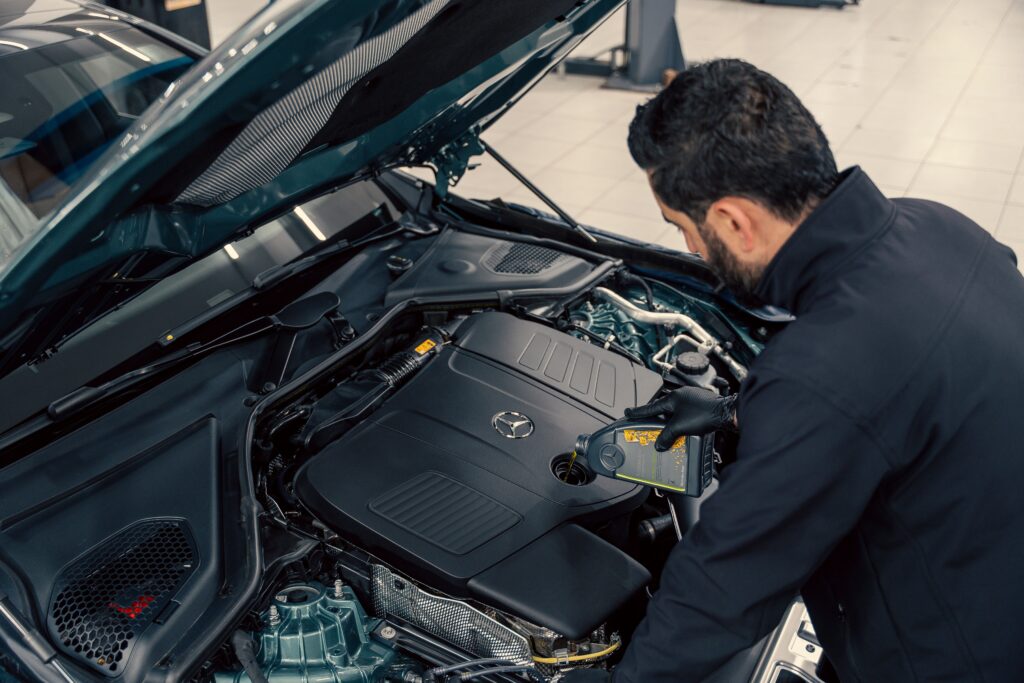
Delaying maintenance can feel like saving money, especially when nothing looks urgent. You skip the car service, ignore a small home repair, postpone a health check, or avoid replacing a worn-out appliance part. For a while, it seems harmless.
Then the small problem becomes expensive. A minor car issue becomes a major repair. A leaking pipe damages walls or flooring. A dental issue turns into an emergency procedure. These costs often hit harder because they arrive suddenly and demand immediate payment.
Preventive spending protects your future budget. Set aside money for maintenance the same way you set aside money for rent or food. It may not feel exciting, but it keeps your bigger assets from collapsing into financial emergencies. The cheapest option is often the one that prevents the largest bill later.
Letting Lifestyle Inflation Hide Behind “I Deserve It”
Earning more should improve your life, but it can quietly weaken your finances when every raise becomes a reason to upgrade. A better phone, nicer apartment, more takeout, premium subscriptions, frequent trips, and higher social spending can slowly absorb your progress. You earn more, but your savings barely move.
The phrase “I deserve it” is not always wrong. Hard work deserves comfort and enjoyment. The danger comes when every emotional reward becomes a financial upgrade. Over time, your fixed costs rise, your freedom shrinks, and your budget becomes harder to control.
The smarter move is intentional lifestyle growth. Enjoy part of your income increase, but set aside a portion for savings, investments, debt reduction, or emergency funds before your lifestyle expands. This lets you enjoy success without allowing comfort to quietly consume your future options.