Some of the most useful things in our daily lives were never part of a grand master plan. They didn’t come from perfect experiments, flawless blueprints, or genius moments under a spotlight. They happened because someone made a mistake, noticed something strange, or simply refused to ignore an unexpected result. That is what makes accidental inventions so fascinating. They prove that progress does not always arrive in a straight line.
In fact, many of the objects we now treat as normal parts of life came from pure surprise. A laboratory mishap, a kitchen failure, or a random observation changed the way people eat, clean, work, and live. These inventions remind us that sometimes the wrong move creates exactly the right outcome. Here are 10 everyday items invented by accident.
Microwave Oven
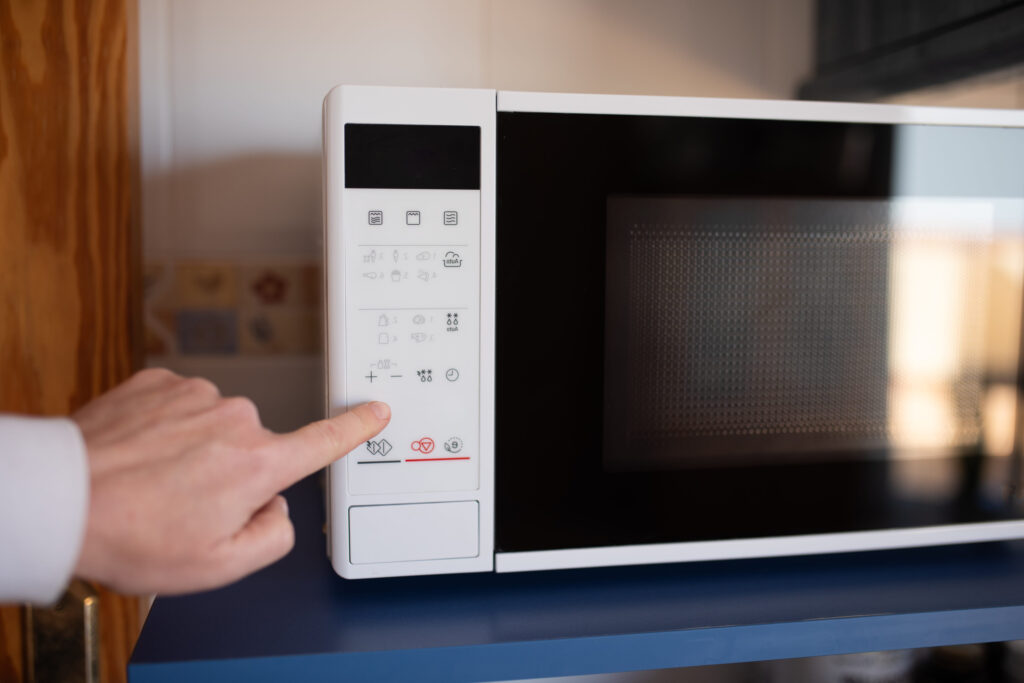
The microwave oven exists because one engineer noticed his snack had melted in his pocket. Percy Spencer was working with radar technology when he realized a chocolate bar had softened while he stood near a magnetron. Most people would have wiped the mess away and moved on with life.
Instead, Spencer became curious and started testing other foods, including popcorn kernels and eggs. That odd little moment turned into one of the biggest kitchen breakthroughs of the modern age. Today, the microwave is the king of fast leftovers, lazy dinners, and midnight snacks.
Post-it Notes
Post-it Notes were born from a glue that seemed too weak to be useful. Spencer Silver, a scientist at 3M, was actually trying to create a super-strong adhesive. Instead, he ended up with a strange formula that stuck lightly and peeled off without leaving much damage. At first, it looked like a failure with no real purpose.
Later, another employee, Art Fry, realized that it could keep bookmarks in place without ruining pages. That small accidental invention became an office essential, turning desks, books, fridges, and computer monitors into tiny message boards.
Potato Chips
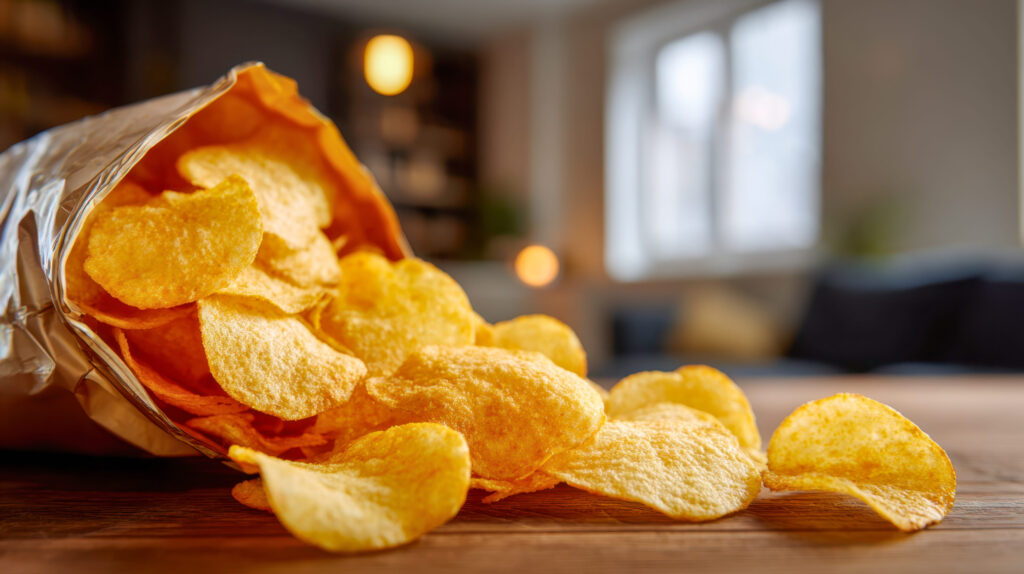
Potato chips came out of frustration, pettiness, and a very thin slice of revenge. Legend has it that a chef named George Crum was annoyed by a customer who kept sending back fried potatoes because they were too thick.
To make a point, Crum sliced the potatoes paper-thin, fried them until crisp, and heavily salted them. Instead of being offended, the customer loved them. That sarcastic kitchen move led to one of the world’s most addictive snacks. Now, entire supermarket aisles are filled with flavors that started from one irritated chef trying to prove a point.
Teflon
Teflon, the slippery material behind nonstick pans, was discovered when a gas experiment went sideways. Chemist Roy Plunkett was working with refrigerant gases when one of his canisters refused to release its contents.
When he opened it, he found a waxy white substance stuck inside. That substance turned out to be unusually slick, heat-resistant, and highly useful. What looked like a failed chemical reaction became a major industrial and household material. Without that accident, cooking eggs without a sticky disaster would be a much uglier experience.
Safety Glass

Safety glass came from a broken glass flask that did not fully shatter the way it was supposed to. French scientist Édouard Bénédictus dropped a glass container in his lab and noticed that, although it cracked, it held together rather than exploding into dangerous fragments.
The flask apparently contained a plastic coating that remained even after the liquid evaporated. That unexpected effect sparked the idea of reinforced glass. Today, safety glass is used in car windshields and many protective applications, quietly saving people from far worse injuries every single day.
Corn Flakes
Cornflakes were created because someone left cooked grains sitting around too long. Dr. John Harvey Kellogg and his brother Will Keith Kellogg were experimenting with foods for patients when they accidentally let cooked wheat go stale.
Instead of throwing it away, they rolled it out anyway and found it broke into flakes. Later, they repeated the process with corn, and the result became far more popular. What started as a forgotten batch of grain turned into one of the most recognizable breakfast foods on the planet. Morning routines everywhere owe a lot to that accidental delay.
Saccharin
Saccharin, one of the first artificial sweeteners, was invented when a chemist forgot to wash his hands. Constantin Fahlberg had been working in a lab and later noticed that his bread tasted unusually sweet. Instead of blaming the bakery or questioning his sanity, he traced the sweetness back to chemical residue from his experiment.
That residue led to the discovery of saccharin. It became a major sugar substitute for people looking to cut calories or manage sugar intake. Sometimes science changes the world because someone skipped basic hygiene and paid attention afterward.
Super Glue
Super Glue was discovered during an attempt to make clear plastic gun sights, which sounds impressive until you hear what happened next. Scientist Harry Coover found a substance called cyanoacrylate, but it was rejected because it stuck to everything far too aggressively.
At first, that made it seem useless and annoying. Later, Coover realized that this “problem” was actually its greatest strength. That accidental invention became one of the most famous adhesives ever made, fixing everything from broken mugs to cracked furniture with a single unforgiving drop.
Velcro
Velcro was inspired by burrs clinging stubbornly to fabric and animal fur. Swiss engineer George de Mestral came back from a walk and noticed those annoying little seed pods attached to his clothes and his dog’s coat. Instead of brushing them off and complaining like a normal person, he examined them under a microscope.
He saw tiny hook-like structures that latched onto loops in fabric and fur. That natural design led him to create Velcro, a fastener now used on shoes, bags, jackets, and countless household items. Nature really handed him the idea and said, “Here, figure it out.”
Play-Doh
Play-Doh started out as a wallpaper cleaner, not a toy. The original product was designed to remove soot from walls back when homes were heated with coal. Then, home heating methods changed, and the product became less useful. Somewhere along the way, adults noticed children enjoyed molding the soft material into shapes.
That accidental shift from cleaning product to creative toy gave the world one of the most beloved playroom staples ever made. It is hard to imagine that those bright little tubs of fun were never meant for children in the first place.