Marriage is often framed as a romantic partnership. Still, one of the first decisions that can reveal tension, identity struggles, and societal pressure is whether to keep or change your maiden name. While the choice may seem simple, it carries unexpected complications: emotional, professional, and social. Many women underestimate how fraught this decision can become, and ignoring the practical and psychological consequences can lead to regret, misunderstandings, and relational stress.
This article explores six harsh truths about the challenges of keeping or changing your maiden name after marriage. Highlighting these realities explains why cultural expectations, legal complications, and professional ramifications often shape this seemingly personal decision.
Changing Your Name Can Cost Your Professional Identity
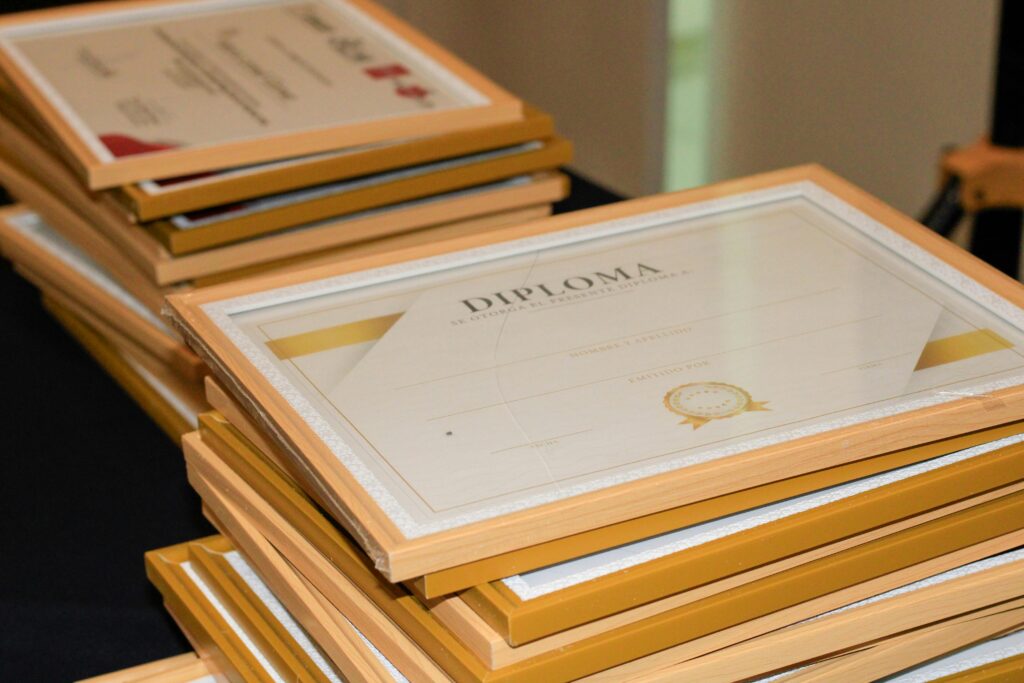
For women who have established careers, publications, or professional credentials under their maiden name, switching to a spouse’s surname can create confusion and disrupt professional continuity. Legal documents, work publications, certifications, and digital profiles may require updates, and clients or colleagues may struggle to associate the new name with existing achievements. The process is more than symbolic; it has tangible implications for career recognition and brand identity.
Keeping Your Maiden Name Can Trigger Social Backlash
While retaining a maiden name preserves personal and professional identity, it can also provoke judgment from family, friends, or society at large. In some cultures, keeping your original surname is interpreted as a lack of commitment or resistance to traditional marital roles. This pressure can create tension within families, especially with older generations who expect a name change as part of social convention.
Legal and Bureaucratic Headaches Are Inevitable
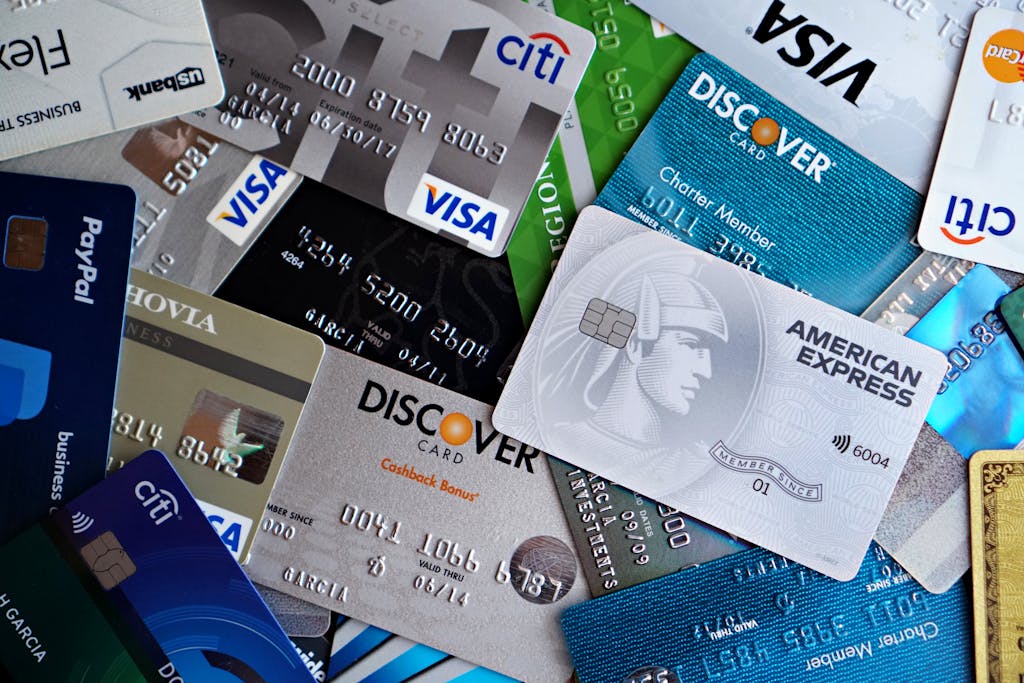
Whether you change or retain your maiden name, legal and administrative issues often arise. Changing your name requires updating your Social Security records, passports, driver’s licenses, bank accounts, and insurance policies, a time-consuming process with the potential for error. Conversely, keeping a maiden name can create confusion in shared financial accounts, property ownership, and legal documents, complicating day-to-day life.
It Can Affect Relationship Dynamics
A name change, or its absence, can subtly affect marital dynamics. Some spouses may feel slighted or undervalued if their partner refuses to adopt the shared surname, while others may struggle to assert independence if pressured to change. These conflicts are often unspoken, but they influence emotional intimacy and shared identity, making what seems like a minor choice a potential source of relational friction.
Digital Identity and Social Media Complications
In today’s digital world, your name is more than a label; it is a critical part of your online identity. Changing your surname can disrupt social media handles, professional networking accounts, and email addresses, creating challenges for communication and online presence. Keeping your maiden name avoids this disruption but may require explaining discrepancies when interacting with new social circles, clients, or organizations.
Cultural and Generational Pressures Persist
Finally, societal expectations regarding marital surnames remain pervasive, even as norms evolve. Women often encounter subtle coercion or judgment regardless of their choice, highlighting that this decision is rarely made in a vacuum. Balancing personal identity, career needs, and societal expectations requires deliberate thought and resilience, as the pressure to conform can be emotionally exhausting.
Conclusion: The Name You Choose After Marriage Isn’t Simple, And It Can Hurt
Deciding whether to keep or change your maiden name is far more complicated than most people admit. The choice affects professional identity, legal processes, social perceptions, and even relationship dynamics. Recognizing these six harsh truths helps women approach this decision with full awareness of the consequences and avoid unnecessary regrets or stress. In a world that pressures conformity while valuing individuality, understanding the hidden challenges of marital naming decisions is essential for maintaining personal, professional, and relational well-being.