Food marketing has become very good at dressing ordinary processed foods in a wellness costume. A snack can wear words like “whole grain,” “low fat,” “baked,” “protein,” “gluten free,” or “made with real fruit” and still deliver more sugar, salt, refined flour, and calories than most people expect. The FDA places the Daily Value for added sugars at 50 grams per day on a 2,000-calorie diet, and the American Heart Association gives an even tighter target of no more than 25 grams per day for most women and 36 grams per day for men.
Why deceptive healthy foods fool smart shoppers

Deceptive healthy foods usually win because they borrow language from genuinely healthy eating patterns. Whole grains, fruit, yogurt, nuts, vegetables, and lean protein all belong in a balanced diet, yet food companies often use tiny amounts of these ingredients to sell products that lean heavily on sugar, starch, oil, salt, and flavorings. A granola bar with oats can still behave more like a dessert bar. A green smoothie can still carry the sugar load of a milkshake. A salad can still become a sodium-heavy, calorie-dense meal once creamy dressing, fried toppings, cheese, and sweetened nuts enter the bowl.
A stronger food choice starts with the Nutrition Facts label. The FDA lists 28 grams as the Daily Value for dietary fiber, and the same label system helps shoppers compare added sugars, sodium, saturated fat, and serving size before the package claims take over. U.S. Food and Drug Administration: We do not need perfect eating. We need fewer foods that pretend to be virtuous while pushing us toward the same old problem, which is too much sugar, too much salt, too many refined carbs, and too little real nourishment.
Granola bars with a candy bar personality
Granola bars sound wholesome because oats, nuts, seeds, and dried fruit all have healthy reputations. The problem starts when the bar uses syrup, chocolate chips, sweet coatings, crisped rice, and flavor blends to create a dessert that travels well. Many bars offer little protein and fiber, so they do not keep hunger away for long. We get a snack that feels outdoorsy and sensible, yet it can work like a sweet treat in a gym bag.
A better granola bar has a short ingredient list, at least a few grams of fiber, meaningful protein, and no long parade of syrups. We should look for nuts, seeds, oats, and unsweetened dried fruit near the top of the list. Even then, portion size matters because nuts and seeds carry calories quickly. The best version is often homemade, where we can use oats, nut butter, seeds, cinnamon, and a modest amount of honey or dates instead of turning every bite into a sugar delivery system.
Flavored yogurt that acts like a dessert
Yogurt can be a smart food because it can provide protein, calcium, and live cultures. Flavored yogurt often changes the deal by adding sugar, fruit preparations, candy-like toppings, and dessert-inspired flavors. A cup that sounds like a strawberry breakfast can taste closer to pudding because the fruit may come with syrup, thickeners, and added sweeteners. That makes flavored yogurt one of the most common healthy foods that aren’t healthy in the way shoppers assume.
Plain Greek yogurt gives us more control. We can add berries, sliced banana, cinnamon, chia seeds, or a small drizzle of honey and still keep the bowl closer to real food. The key is to compare added sugars, not just total sugars, because milk naturally contains lactose. A yogurt with high protein, low added sugar, and simple ingredients gives the body more nutrition and less dessert disguised as breakfast.
Fruit juice without the fiber advantage
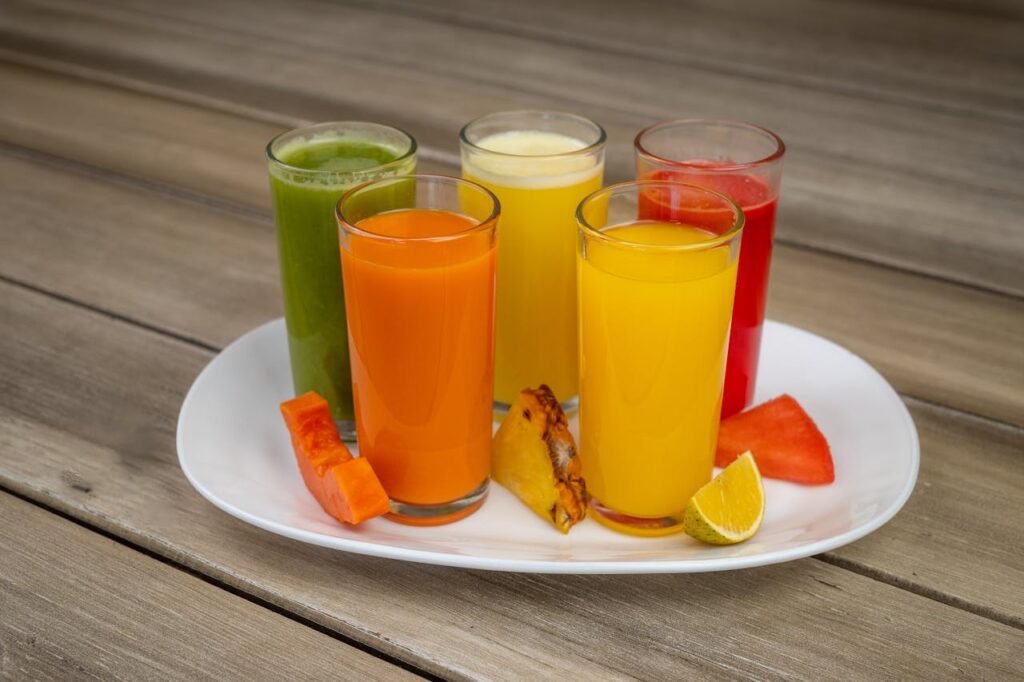
Fruit juice looks healthy because it comes from fruit, but it removes much of what makes whole fruit so satisfying. Whole fruit brings fiber, water, chewing, and volume. Juice concentrates the sweet part into a drink that goes down quickly and rarely fills us up the way an orange, apple, or handful of berries can. This is why a glass of juice can make breakfast look fresh while quietly adding a fast sugar load.
We do better with whole fruit most of the time. If we choose juice, a small serving of 100 percent juice beats fruit drinks, cocktails, and sweetened blends. We should avoid turning juice into the default drink at every meal. Water, unsweetened tea, sparkling water with citrus, or fruit-infused water keep hydration simple without treating fruit like liquid candy.
Veggie chips with very little vegetable value
Veggie chips sound like a clever upgrade from potato chips. The name suggests carrots, beets, spinach, sweet potatoes, and garden freshness. In many bags, the real story looks less impressive. The chips may rely on vegetable powders, refined starches, oil, and salt, which creates a snack that feels colorful but still behaves like a processed chip.
Real vegetables do not need a crunchy disguise to count. Carrot sticks, cucumber slices, bell pepper strips, roasted chickpeas, edamame, or homemade sweet potato wedges give us more fiber and texture with fewer label tricks. If we buy veggie chips, we should treat them as chips, not as a vegetable serving. The word “veggie” should not get a free pass.
Smoothies that turn into sugar bombs
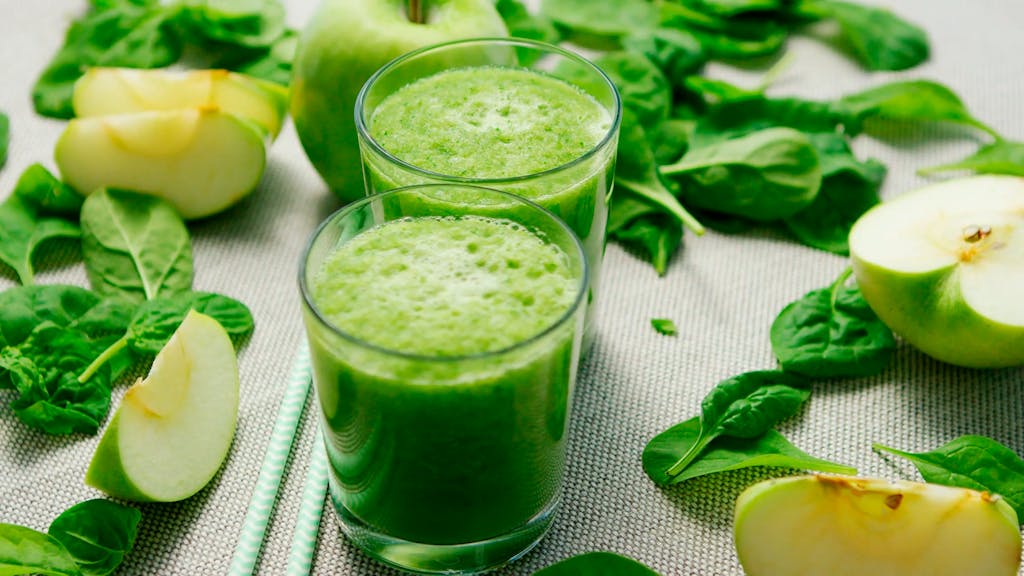
A smoothie can be excellent when it balances fiber, protein, healthy fat, and produce. It can also become a giant cup of juice, frozen yogurt, sweetened nut butter, flavored protein powder, and syrup. Cafe smoothies often hide their sugar in fruit juice bases, sweetened yogurt, honey, agave, sorbet, and oversized portions. The cup may look green, but the nutrition profile can land closer to dessert.
A better smoothie starts with water, unsweetened milk, or plain yogurt as the base. We can add leafy greens, berries, chia seeds, flaxseed, oats, or a measured scoop of protein powder. One or two fruit portions usually work better than piling in banana, mango, pineapple, dates, juice, and honey together. The goal is a drink that supports a meal, not a blended sugar rush with a wellness straw.
Trail mix that loses the trail
Trail mix began as a dense, portable food for active people who needed quick energy. On a grocery shelf, it often turns into a sweet snack with chocolate candies, yogurt-coated raisins, sweetened dried fruit, salted nuts, and sugary clusters. The calorie count rises fast because nuts are naturally energy-dense, and sweet add-ins push the mix toward dessert territory. A handful can become three servings before we notice.
We can build a smarter version with raw or dry-roasted nuts, seeds, unsweetened dried fruit, and maybe a small amount of dark chocolate. Portioning it into small containers prevents the “just one more handful” problem. Trail mix should serve a purpose, especially during busy days, hiking, travel, or workouts. It should not become a candy bowl with almonds.
Bran muffins that wear a health halo
Bran muffins sound like a fiber-rich breakfast, but bakery-style muffins can carry plenty of sugar, oil, refined flour, and oversized portions. The word “bran” makes them feel practical, yet many are closer to cake than cereal. A large muffin can deliver a heavy calorie load without enough protein to make breakfast feel complete. That is the trap.
A better bran muffin uses whole grain flour, real bran, less sugar, and add-ins like apples, carrots, walnuts, or flaxseed. We can pair a smaller muffin with eggs, plain yogurt, cottage cheese, or fruit to create balance. If the muffin is huge, glossy, and sweet enough to pass as dessert, we should call it what it is. Healthier names do not cancel bakery math.
Frozen yogurt with an ice cream problem
Frozen yogurt gained a healthy reputation because yogurt sounds lighter than ice cream. The catch is that frozen yogurt can still contain plenty of sugar, and toppings often turn a small treat into a loaded sundae. Cookie crumbs, candy pieces, syrups, sweet cereals, whipped toppings, and chocolate sauces erase much of the “better choice” appeal. The self-serve cup makes it even easier to underestimate the portion.
We can still enjoy frozen yogurt as a treat. The smarter move is to choose a smaller cup, pick plain or lower sugar options, and add fresh fruit or nuts instead of building a candy mountain. Frozen yogurt should not pretend to be a daily probiotic strategy. It belongs in the treat category unless the label and toppings prove otherwise.
Sports drinks outside serious training

Sports drinks are useful in specific situations, especially long, intense exercise with heavy sweating. Many people drink them after light workouts, short walks, or regular errands because the bottle looks athletic. That can add sugar, calories, artificial colors, and sodium without a real need. Water usually covers ordinary hydration.
We should reserve sports drinks for endurance sessions, hot weather training, or extended activity where fluid and electrolyte loss becomes meaningful. For everyday use, water, unsweetened electrolyte options, or a balanced meal can do the job. A drink does not become necessary just because it has a lightning bolt label. The body does not need a sports formula after a casual stretch.
Gluten-free snacks that replace gluten with sugar
Gluten-free does not automatically mean healthy. For people with celiac disease or gluten sensitivity, gluten-free foods can be essential. For everyone else, the label can create a false sense of nutrition. Many gluten-free cookies, crackers, bars, and breads rely on refined starches, added sugar, gums, oils, and salt to replace the texture gluten normally provides.
Naturally gluten-free foods are usually better choices. Beans, lentils, potatoes, rice, quinoa, fruit, vegetables, nuts, seeds, eggs, fish, and lean meats do not need a marketing badge. If we buy packaged gluten-free snacks, we should compare fiber, protein, added sugar, and sodium like we would with any other processed food. A gluten-free cookie is still a cookie.
Conclusion
Deceptive healthy foods succeed because they sound responsible before we ever read the label. Granola bars, flavored yogurt, veggie chips, smoothies, protein bars, bran muffins, baked chips, and gluten-free snacks can all fit into a diet, but they should not get automatic credit for being healthy. The best choices bring more fiber, protein, whole ingredients, and satisfaction with less added sugar, sodium, and refined starch.
We do not need to fear every packaged food. We need sharper eyes. If a product needs loud claims to prove its value, the back label deserves a closer look. Real healthy eating usually looks less glamorous than the package says, but it works better because it leans on whole foods, simple ingredients, steady portions, and meals that keep us full long after the marketing fades.