Ancient civilizations have left us with a rich culinary legacy, and many of their foods are still enjoyed today. These culinary traditions have stood the test of time, and some ancient foods have evolved into modern delicacies while others have faded into history. Let’s explore ten ancient foods that shaped our culinary heritage and continue to captivate our palates.
Lard: From Ancient Mediterranean to Modern Kitchens

Lard, a humble yet vital cooking fat, traces its origins to ancient China around 4000 BC, where it was embraced as a key ingredient in culinary practices. Unlike the Mediterranean’s preference for olive oil, the Chinese quickly discovered the value of pork fat in cooking. Western societies took longer to warm to lard, but over time it became a staple of European cooking, particularly among the so-called “beer-drinking barbarians.” Even in today’s world, lard remains a favorite for Southern cooking and is cherished for creating flaky pastries and savory dishes. Its story is a testament to how culinary traditions are shaped by cultural preferences, geography, and the available resources.
Garum: The Ancient Roman Umami
Garum, a fermented fish sauce beloved by ancient Romans, was the ancient world’s answer to modern-day soy sauce. Its creation involved fermenting fish entrails in brine until they became a potent, savory condiment. Consumed across the Roman Empire, garum found its way into almost every dish, from meats to vegetables, offering a burst of flavor. Even today, its legacy lives on in various fish-based sauces worldwide, with some modern chefs reimagining garum in their kitchens. Garum’s impact highlights how flavors once deemed exotic are now indispensable in global kitchens.
The Resurrected Glory of Peafowl
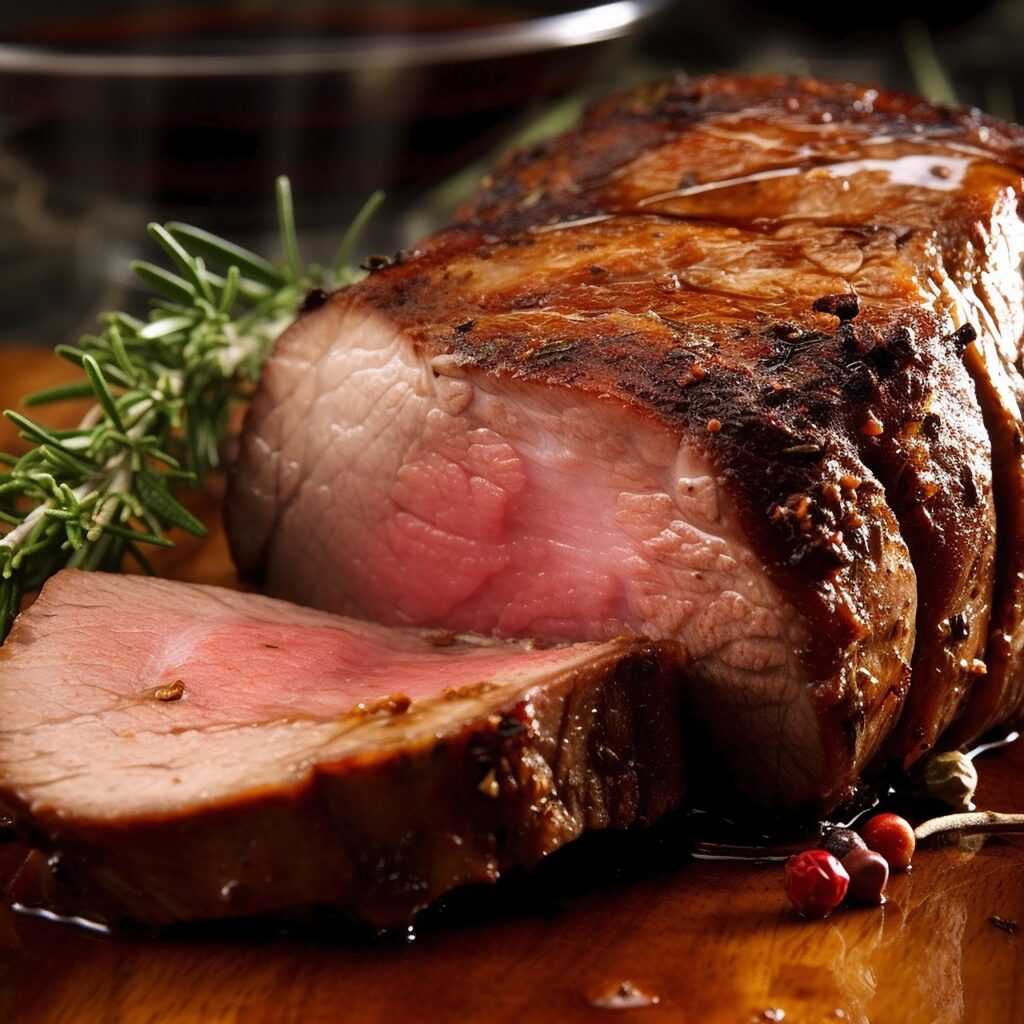
Peacocks were once the epitome of opulence at feasts. In ancient Rome, the extravagant display of roasted peacocks, complete with their colorful tail feathers, was a symbol of wealth and status. Despite fading from the modern table, peafowl still make occasional appearances at upscale dining establishments. Historically, it was considered a delicacy, prepared with meticulous care, showcasing not only the bird’s flamboyant appearance but also its unique flavor. Today, peafowl’s richness harks back to a time when food was an art form, meticulously curated for the elite.
Squab: Pigeon Meat Across Time
Pigeon, or squab, was a versatile and widely consumed meat in ancient times. From the Roman Empire to medieval Europe, pigeons were raised as a cheap, nutritious source of protein. In fact, pigeons were so prevalent that the once-abundant passenger pigeon was hunted to extinction by the early 20th century. Today, squab is still a delicacy in certain parts of the world, celebrated for its tender meat and distinct flavor. Ancient societies recognized pigeons not as pests but as an essential food source, and their presence in modern gastronomy pays homage to this ancient practice.
Moretum: Roman Cheese Spread
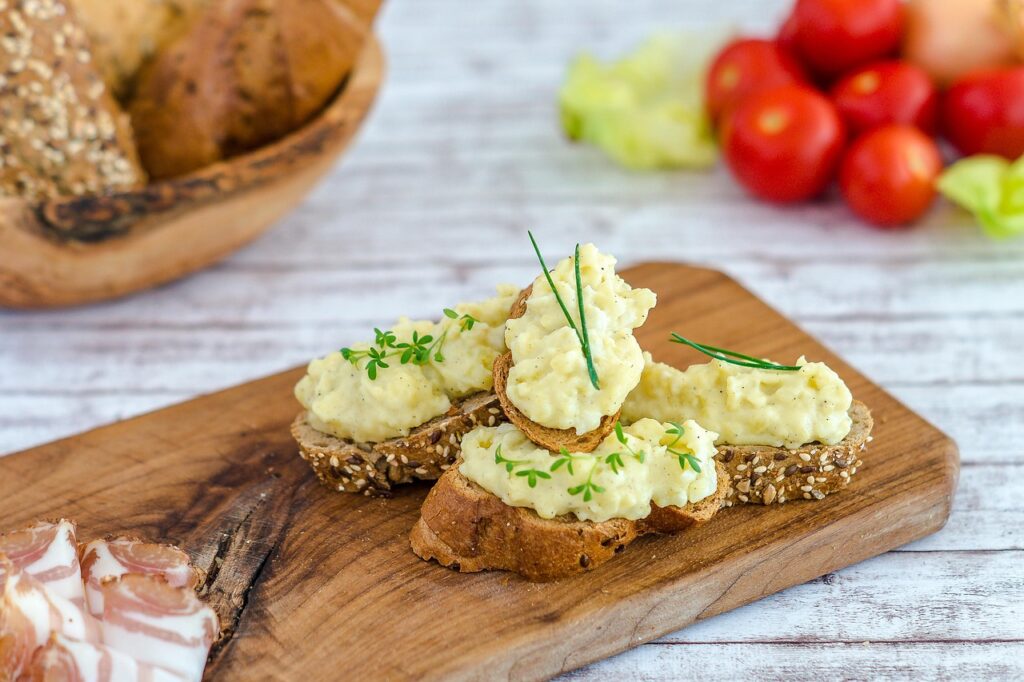
Moretum, a type of cheese spread from ancient Rome, was a precursor to today’s creamy spreads like pesto. Made from soft goat cheese mixed with herbs, vinegar, nuts, and wine, moretum was a staple for the Roman upper class. This dish, which closely resembles modern-day cheese spreads, was enjoyed with flatbread and was an essential part of Roman cuisine. The versatility of moretum reflects the fact that culinary creativity was at the heart of ancient Roman dining, blending flavors and textures to create satisfying meals.
Chian Wine: The Nectar of the Gods
Chian wine, originating from the island of Chios in ancient Greece, was considered one of the finest wines of antiquity. Its deep red hue and distinctive taste set it apart, with elite Roman figures such as Plutarch and Strabo singing its praises. Unlike wines aged in wooden barrels, Chian wine was stored in amphorae, which contributed to its unique flavor profile. Even the Romans, who favored wine over beer, regarded Chian wine as a symbol of sophistication and social status. This ancient elixir’s timeless appeal demonstrates the power of terroir and fermentation in shaping a culture’s relationship with wine.
Silphium: The Ancient Herb Lost to Time

Silphium, an herb once treasured for its culinary, medicinal, and aphrodisiac properties, was a favorite in ancient Greek and Roman cuisine. Its flavor was said to be similar to fennel or celery, and it was used liberally in cooking. However, despite its widespread use, silphium became extinct, possibly due to overharvesting and its inability to be cultivated. Its loss left a void in ancient diets, and its absence remains one of history’s great culinary mysteries. The allure of silphium’s multifaceted uses—ranging from cooking to medicine—has led modern researchers to wonder about the potential revival of lost foodstuffs.
Posca: The Roman Soldier’s Lifeline
Posca, a vinegar-based drink mixed with herbs and water, was the drink of choice for Roman soldiers and peasants alike. It was inexpensive and functional, capable of turning contaminated water into a safer beverage. For Roman legions, posca served as both a hydration source and a morale booster. The popularity of posca among Roman soldiers speaks to the resourcefulness and ingenuity of ancient societies in ensuring the well-being of their people. Today, while posca is no longer widely consumed, its story remains a testament to how necessity can give rise to enduring food traditions.
Carob: Nature’s Ancient Sweet Treat
Carob, often hailed as nature’s chocolate substitute, was a beloved food in ancient Mediterranean diets. The carob tree’s pods were harvested for their sweet, fibrous pulp, which was ground into a flour or used as a natural sweetener. Its popularity in antiquity spanned multiple cultures, including the Greeks and Romans, who valued carob for its sweetness and health benefits. Even today, carob remains a popular alternative to chocolate in various health-conscious diets. The carob tree’s legacy as a sustainable, nutritious sweetener serves as a reminder of the long-lasting impact of ancient foods on modern culinary trends.
Melas Zomos: The Spartan Soup
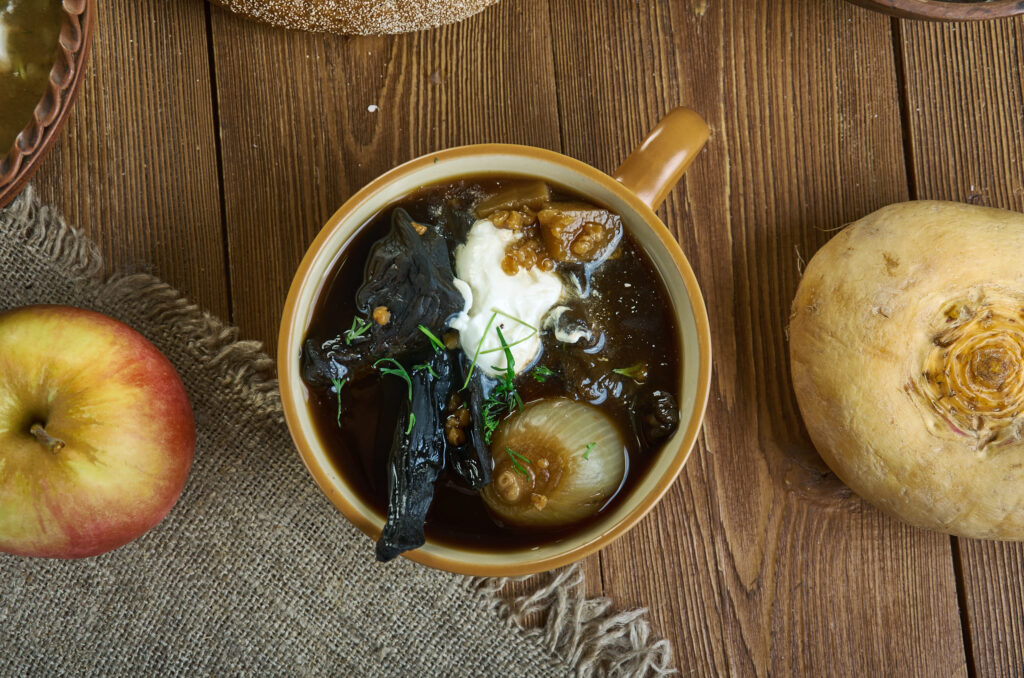
Melas zomos, a hearty soup made from pork blood and vinegar, was the fuel that powered the legendary Spartan warriors. This humble yet nutritious dish was seen as a symbol of Spartan discipline, embodying the Spartan army’s harsh yet effective lifestyle. Though its recipe remains a mystery, the lore surrounding melas zomos reveals its cultural significance. The contrast between Spartan austerity and the luxury of other civilizations highlights the role of food in shaping societal identity and values. Today, the story of melas zomos continues to fascinate, offering insight into the austere diet of one of history’s most formidable warrior cultures.
Conclusion
Ancient foods reveal much about the cultures that cherished them, offering valuable lessons in sustainability, innovation, and the human desire to make the most of available resources. Whether they are still part of our daily diets or relics of a bygone era, these foods offer a glimpse into the tastes, values, and lifestyles of ancient peoples.