Aluminum foil feels like the quiet hero of the kitchen. We wrap leftovers in it, line pans with it, cover casseroles with it, and toss it on the grill like it can handle anything. Then one day, the tomatoes taste strangely metallic, the roasted fruit turns mushy, or the foil comes out stained and pitted.
That is the part many home cooks miss. Foil is useful, but it is not neutral in every situation. Acidic foods, salty foods, spicy seasonings, and long, high-heat cooking can cause aluminum to react in ways that affect flavor, texture, and sometimes the quality of the food itself.
We do not need to panic every time foil comes into contact with dinner. We simply need to stop using it as a one-size-fits-all kitchen shortcut. Some foods deserve glass, ceramic, stainless steel, parchment paper, or a proper baking dish instead.
Tomatoes Can Turn Foil Into a Flavor Problem

Tomatoes are one of the biggest offenders because they are naturally acidic. When tomato sauce, roasted cherry tomatoes, salsa, or sliced tomatoes are heated on aluminum foil, the acid can react with the foil. That reaction may leave a dull metallic aftertaste, making a bright tomato dish feel flat and unpleasant.
This becomes even more noticeable in dishes like baked pasta, tomato-based casseroles, shakshuka, stuffed tomatoes, and foil packet meals with tomato sauce. The longer the tomatoes cook, the greater the risk of flavor damage. Use glass, ceramic, enamel, or stainless steel instead, especially for saucy tomato dishes that need time in the oven.
Citrus Fruits Do Not Belong Directly on Foil
Lemons, limes, oranges, grapefruit, and tangerines may look harmless on a foil-lined tray, but their acidity can make them poor partners for aluminum. This matters when roasting citrus slices with fish, chicken, vegetables, or desserts. The juice can sit directly on the foil, which can start breaking down the surface.
The result is not usually dramatic, but it can be disappointing. Citrus is supposed to taste clean, sharp, and fragrant. When cooked directly on foil, it can pick up a harsh edge that detracts from its freshness. A better move is to place citrus on parchment paper, cook it in a glass dish, or add fresh juice after cooking.
Vinegar-Based Foods Can React Fast
Vinegar is another ingredient that can turn aluminum foil into the wrong tool. Pickled vegetables, vinaigrette-coated potatoes, vinegar marinades, sauerkraut, kimchi, and tangy barbecue sauces can all cause problems when they sit in foil. The acid in vinegar is strong enough to affect both taste and the surface of the foil.
This is especially important for recipes that tell you to wrap marinated food tightly before baking or grilling. If the marinade contains vinegar, lemon juice, wine, or another sharp acid, use a nonreactive container instead. Glass baking dishes, ceramic pans, stainless steel roasting pans, and parchment-lined trays keep the flavor cleaner and the food safer from unwanted reactions.
Spicy Foods Can Make Foil Break Down Faster

Spicy foods bring more than heat. Chili powder, paprika, cayenne, curry blends, hot sauce, and pepper-heavy marinades can be rough on foil, especially when combined with salt, oil, and high oven temperatures. That is why spicy foil packet dinners can sometimes taste sharper or more metallic than expected.
This does not mean spices are dangerous on their own. The concern is the combination of spice, heat, moisture, and direct foil contact. Spicy chicken wings, chili-roasted vegetables, fajita packets, and heavily seasoned meats are better cooked on parchment paper, a sheet pan, a grill basket, or a stainless steel skillet. You still get bold flavor without letting foil interfere.
Berries Can Collapse Into a Mushy Mess
Berries are delicate, juicy, and naturally acidic. Strawberries, blueberries, raspberries, and blackberries can break down quickly when baked or roasted in foil. Instead of becoming syrupy and bright, they may turn watery, stained, and mushy.
Foil also does not give berries much structure. When the juices run, they can pool against the aluminum, creating an off taste. For crisps, cobblers, roasted berries, breakfast bakes, and dessert sauces, use glass or ceramic bakeware. These materials handle fruit juices better and help preserve the clean, sweet flavor that berries are known for.
Rhubarb Is Too Sharp for Aluminum Foil
Rhubarb has a bold tartness that makes it wonderful in pies, compotes, crumbles, and jams. That same tartness makes it a bad match for direct contact with foil. When rhubarb cooks, it releases acidic juices that can react with aluminum, altering the dish’s flavor.
This matters because rhubarb recipes often need sugar, heat, and time. Those conditions create plenty of opportunity for the foil to stain, weaken, or leave behind an unpleasant metallic note. Use glass, enamel, ceramic, or stainless steel when cooking rhubarb. The fruit will taste brighter, and the dessert will feel cleaner.
Apples Can Cause Trouble When Cooked With Acid and Spice

Apples may not seem as acidic as tomatoes or citrus, but they can still react with foil, especially when baked with lemon juice, cinnamon, cloves, nutmeg, or brown sugar. Foil-wrapped baked apples may sound convenient, but the finished flavor can lose its warm, cozy softness if the foil contributes a metallic edge.
Apple crisps, baked apples, apple slices, and spiced apple packets are better cooked in ceramic or glass. These dishes retain heat well, protect the fruit’s flavor, and allow the apples to soften without direct contact with aluminum. If you want easy cleanup, parchment paper is a better barrier than foil.
Salty and Brined Meats Should Not Sit Directly on Foil
Salt is another major reason to be careful with foil. Ham, bacon, sausage, cured meats, brined chicken, salted fish, and heavily seasoned roasts can all create issues when cooked directly on aluminum. Salt can encourage reactions that make foil more likely to pit, discolor, or affect flavor.
This is especially true during long cooking times. A salty roast wrapped tightly in foil for hours may stay moist, but it can also spend too much time pressed against a reactive surface. Use a roasting pan with a lid, parchment as a barrier, or a covered ceramic dish. The food will still stay tender without relying on direct foil contact.
Fish With Lemon, Salt, or Marinade Needs a Better Wrap

Fish is often cooked in foil because it steams beautifully and stays moist. The problem begins when we add lemon slices, salty seasoning, capers, tomatoes, vinegar, or spicy marinades. Those ingredients make the foil packet more reactive, especially when the fish cooks in its own juices.
A better option is parchment paper, which is commonly used for fish because it traps steam without the same metallic issue. You can still add herbs, garlic, olive oil, lemon zest, and vegetables, then fold the parchment into a packet. The fish comes out tender, fragrant, and clean-tasting.
Eggplant Can Pick Up an Unpleasant Metallic Edge
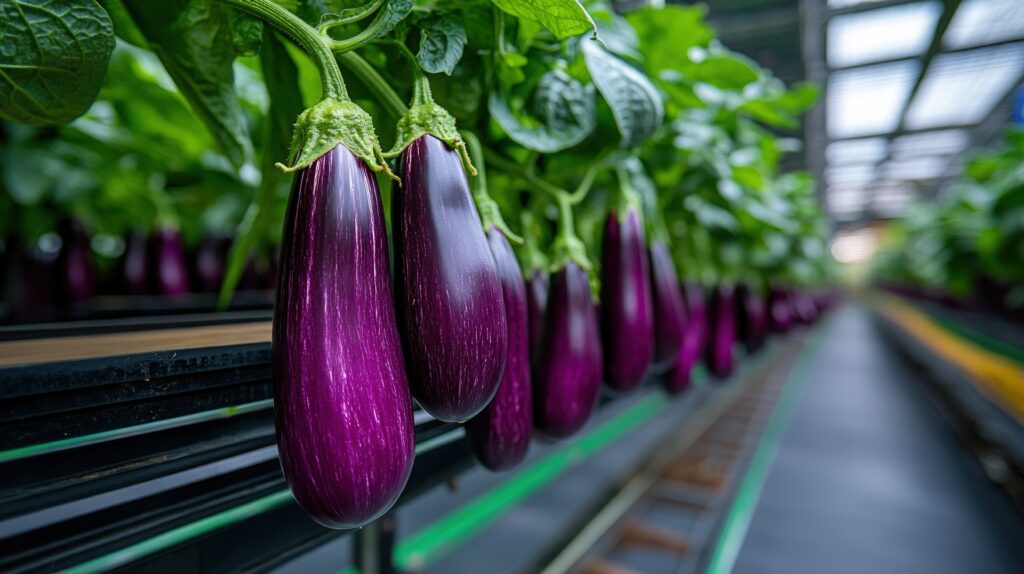
Eggplant has a soft, absorbent texture that soaks up oil, seasoning, and sauces, and absorbs surrounding flavors. That is exactly why cooking it directly on foil can be risky. If the foil reacts with acidic sauces, spice blends, or salty seasonings, eggplant may absorb that metallic note more readily than firmer vegetables.
This is most common in dishes like roasted eggplant with tomato sauce, spicy eggplant slices, baba ganoush prep, or grilled eggplant packets. Use a stainless steel tray, a cast-iron pan, a ceramic dish, or a parchment-lined sheet pan. Eggplant tastes best when it turns creamy and rich, not when it picks up the pan liner’s flavor.
Safer Alternatives to Aluminum Foil for These Foods
Parchment paper is one of the easiest swaps for baking and roasting. It works well for vegetables, fish packets, fruit, cookies, and sheet pan meals. It does not seal as tightly as foil, but it protects food from direct contact with reactive metal and makes cleanup easier.
Glass and ceramic dishes are better for acidic casseroles, tomato sauces, fruit desserts, vinegar-based marinades, and baked dishes with long cooking times. Stainless steel is also a strong choice for roasting, sautéing, and baking foods that contain acid or salt. Silicone baking mats can help with dry roasting, though they are not ideal for every saucy or high-heat dish.
Conclusion
Aluminum foil is convenient, but convenience should not come at the cost of flavor. Tomatoes, citrus, vinegar-based foods, spicy dishes, berries, rhubarb, apples, salty meats, lemony fish, and eggplant all deserve a better cooking surface. These foods are too acidic, too salty, too juicy, or too delicate to sit directly against foil under heat.
The safer habit is simple. Use foil for basic covering, lining, and low-risk cooking, but switch to parchment, glass, ceramic, stainless steel, or enamel when the recipe includes acid, salt, spices, or long heat. A small change in cookware can preserve the meal’s flavor and keep your kitchen habits sharper, cleaner, and smarter.