Over the past century, many American hobbies and pastimes that once brought communities together have faded from everyday life. These forgotten activities are more than quirky trends; they give us a clear look at the social life and creativity of earlier generations. From dance contests during tough times to crafts that united neighbors, these pastimes show a lively cultural history that today’s entertainment has mostly replaced.
Victorian‑Era Shell Art
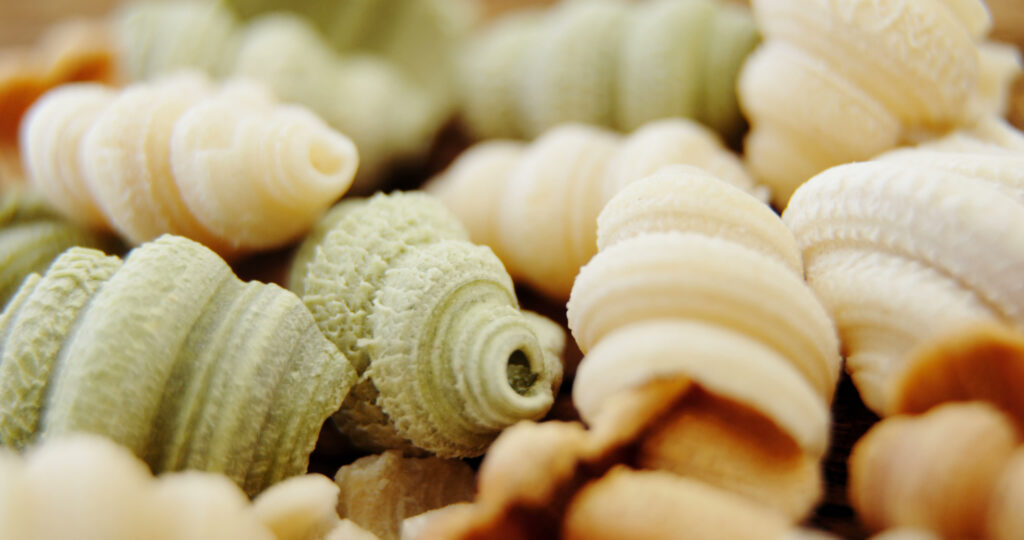
In the late 19th century, Americans enjoyed Victorian-era shell art, turning ordinary seashells into detailed decorations. Collectors, especially women coming back from seaside trips, made shells into jewelry boxes, picture frames, wall hangings, and even furniture accents. Magazines and instruction booklets helped guide this creative hobby, which also showed an appreciation for nature. Shell art was often seen as a sign of good taste, with fancy pieces displayed at local exhibitions and state fairs. The hobby faded as mass-produced decorations became cheaper in the early 20th century. Jewelry
Soap Carving Competitions
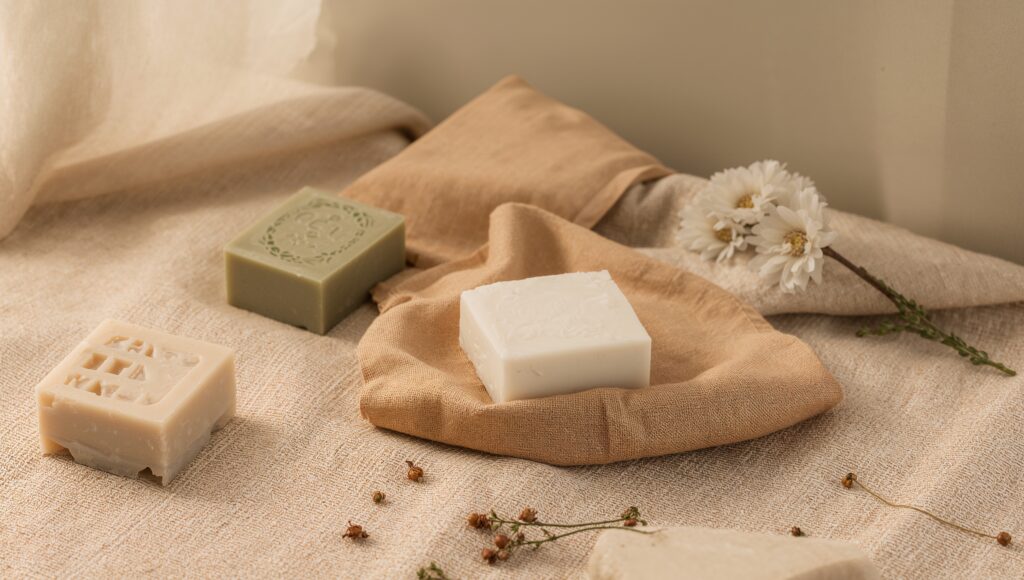
During the 1920s and 1930s, soap carving captured the imagination of young and old alike. Transforming a simple bar of soap into detailed sculptures, from miniature animals to architectural designs, became a national craze. Soap manufacturers like Ivory capitalised on the trend by releasing instructional booklets and sponsoring carving contests that drew thousands of participants. Schools incorporated soap carving into art education to foster design skills and patience, and newspapers featured winners alongside their creations. The advent of plastics and new crafting materials led to the hobby’s decline, leaving behind fond memories of accessible artistic expression.
Darning Socks
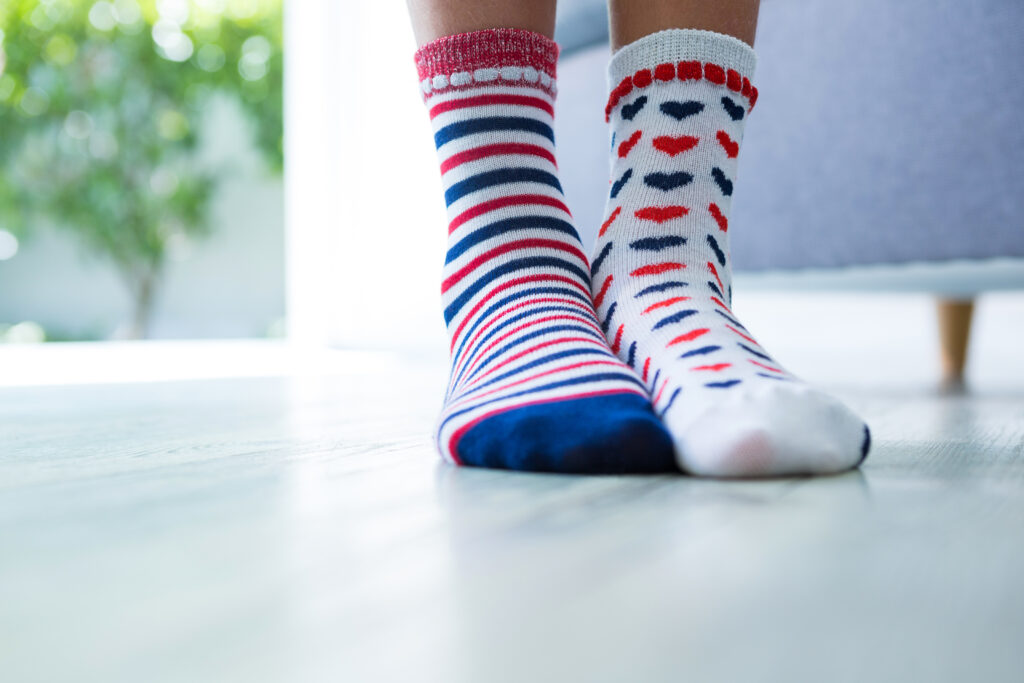
Long before disposable fashion, practised by sustainability advocates, it no longer holds the communal prominence it once did. Darning socks was a household ritual. Families patched worn footwear with needle and thread, often gathering around a lamplight to repair garments. Tools like darning eggs helped stretch fabric for even stitching, and the activity became a shared, almost meditative pastime, especially in rural communities. During World War II, clothing mending was encouraged as part of broader resource‑saving efforts. While repairing socks is still practiced among sustainability advocates, it no longer holds the communal prominence it once had.
Sunday Band Concerts in the Park

In the late 19th and early 20th centuries, Sunday band concerts were a staple of American leisure culture. Brass and concert bands performed in public parks, drawing families who picnicked, strolled, and shared time while enjoying patriotic marches and light classics. These concerts were social highlights, spaces where neighbors connected, and communities celebrated local identity. Rivalries even formed among bands vying for larger audiences. However, the rise of radio and recorded music in the 1920s gradually supplanted live communal performances.
Cigarette Card Collecting

Cigarette card collecting was a late 19th‑ and early 20th‑century phenomenon that transformed advertising inserts into sought‑after collectables. Initially included to stiffen cigarette packs, these cards featured images of everything from athletes and historical figures to exotic wildlife and practical tips. Enthusiasts of all ages traded cards vigorously, striving to complete themed sets in albums sold alongside them. Certain rare editions became highly prized, commanding attention well beyond their original purpose. As health concerns about smoking grew and companies changed packaging, this once thriving hobby faded from popular culture.
Homemade Radio Building
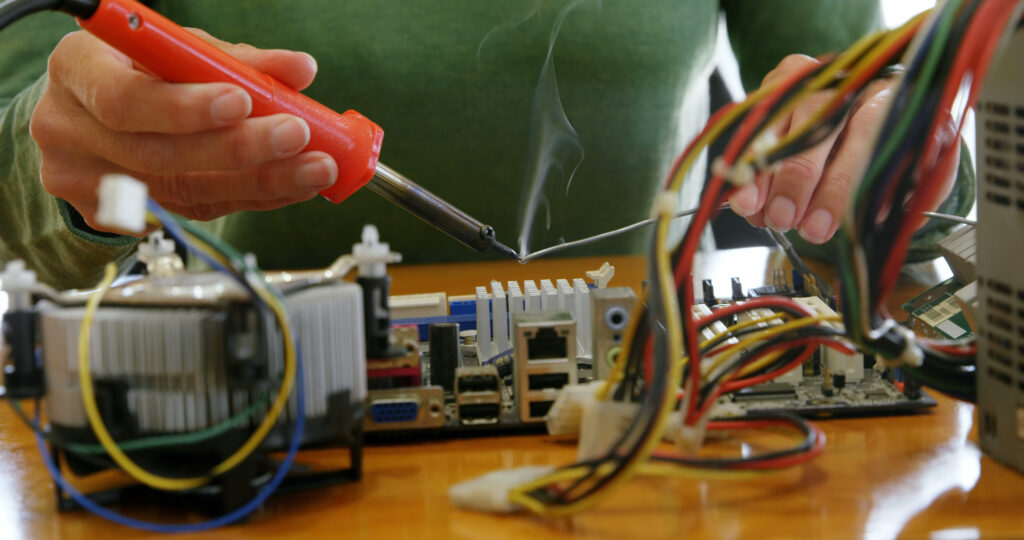
In the early years of radio technology, building your own radio set was both a practical pursuit and a passion. From the 1920s through the 1930s, hobbyists assembled radios from kits or scavenged parts, tinkering with circuitry and antenna placement. The activity provided insight into emerging broadcast technology while offering an affordable way to access news and entertainment. Families often gathered around homemade receivers to listen together, and many budding engineers cut their teeth on these early projects. Factory‑made radios and later television eventually overshadowed DIY radio construction, but the spirit of hands‑on exploration lives on in modern maker movements.
Quilting Bees
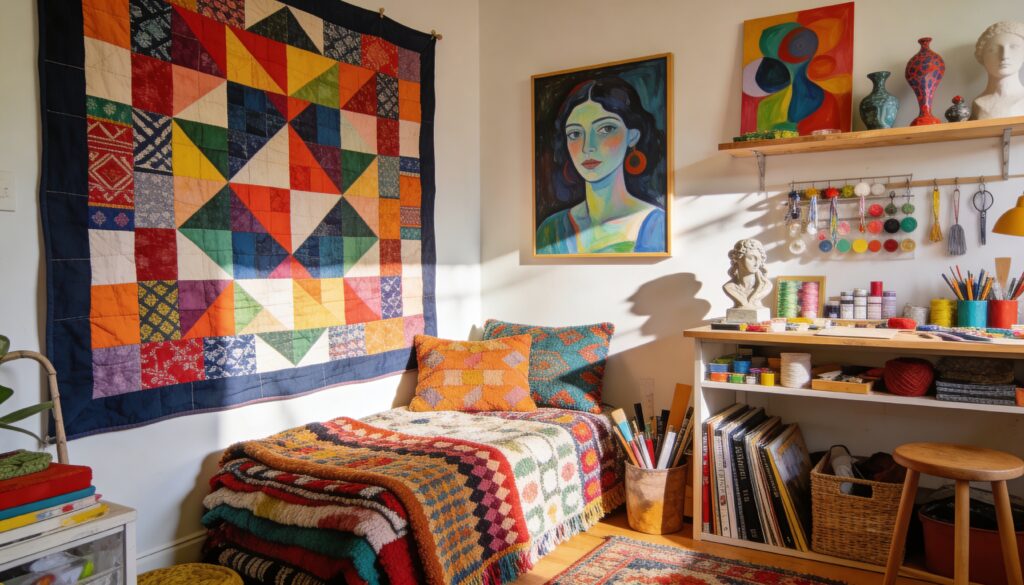
In 19th-century rural America, quilting bees were important gatherings where people combined work and social time. Women would meet to sew quilts together, sharing food, stories, and news as they worked. These events were both practical and social, helping neighbors build strong connections. Quilts made at these bees often marked special occasions like births or weddings and became cherished family keepsakes. While quilting is still popular, the lively group gatherings of quilting bees are mostly a thing of the past.
Icebox Racing
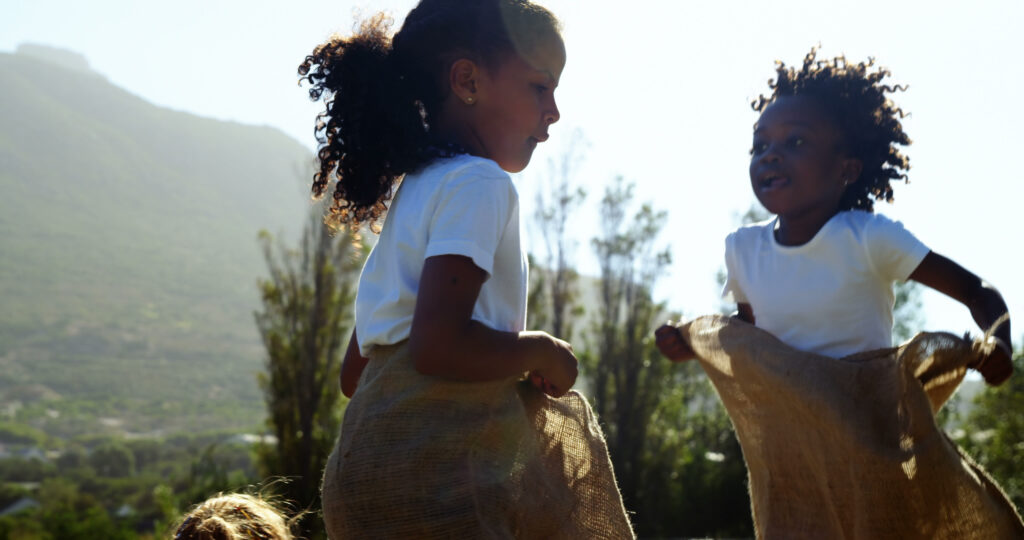
Mid-20th-century Americans transformed outdated home appliances into playful racing machines with icebox racing. Participants repurposed wooden iceboxes once used to keep food chilled before electric refrigerators, into downhill carts, decorating them with paint and embellishments before racing them on local hills. These events became community spectacles with local businesses often sponsoring prizes. As refrigerators made iceboxes obsolete and soapbox racing grew more formalized, this creative pastime disappeared, surviving only in nostalgic recollections.
Letterboxing

Preceding modern GPS‑based geocaching, letterboxing combined treasure hunting with artistry. Participants followed written clues to find hidden containers, each holding a logbook and a unique hand‑carved rubber stamp. Hunters collected these stamps in personal journals as proof of their discoveries. Letterboxing once thrived in parks and wilderness areas, with clues blending riddles, poetry, and maps to enhance the adventure. Although overshadowed by digital geocaching, a dedicated community still preserves traditional letterboxing today.
Social Dance Marathons
At the top of the list of extinct American pastimes are social dance marathons, which swept the nation in the 1920s and 1930s. These endurance contests challenged couples to dance without stopping for days, sometimes weeks, with only brief breaks allowed. Spectators paid admission to watch the spectacle, and cash prizes offered hope during the Great Depression. These marathons blurred the lines between sport and theater, with competitors often collapsing from exhaustion amid cheering crowds. Despite their popularity, concerns over physical and ethical implications led to their decline by the late 1930s.
Cultural Legacy of Forgotten Pastimes
These forgotten American hobbies and pastimes were more than just ways to pass the time; they were part of the culture, showing what communities valued, how the economy changed, and how technology developed. They helped shape local identity and creativity, giving people meaningful ways to relax before digital entertainment took over. Looking back at these activities gives us more than nostalgia; it helps us understand how Americans once connected, learned, and celebrated life.