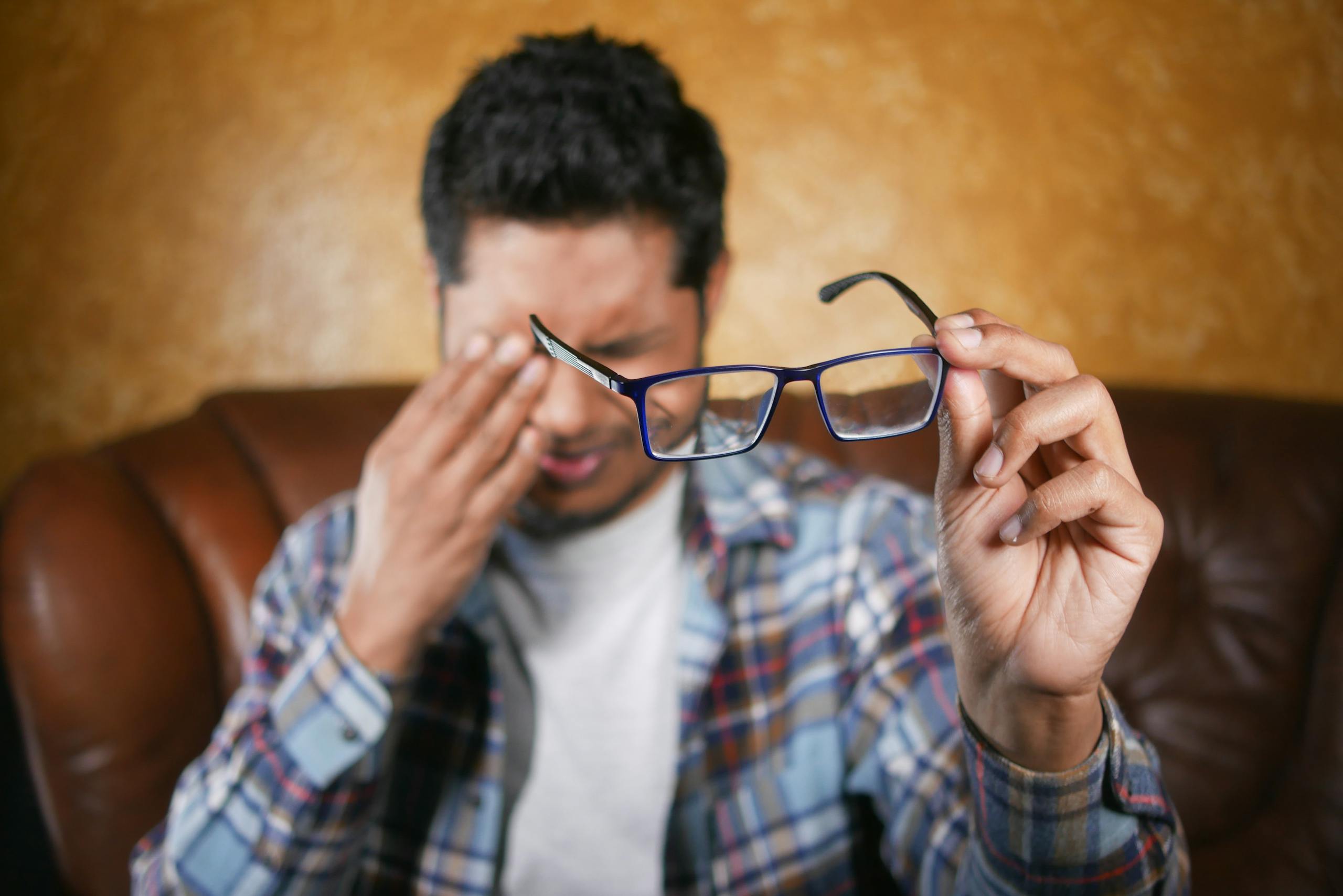
Even the cleanest homes hide corners where bacteria thrive. Surfaces we touch daily, combined with moisture and organic matter, create ideal breeding grounds for germs. Understanding these hotspots helps reduce exposure to harmful bacteria, improve hygiene, and maintain a healthier living space.
Here’s a detailed guide to the 10 dirtiest areas in your home, along with practical ways to keep them clean.
Garbage Cans
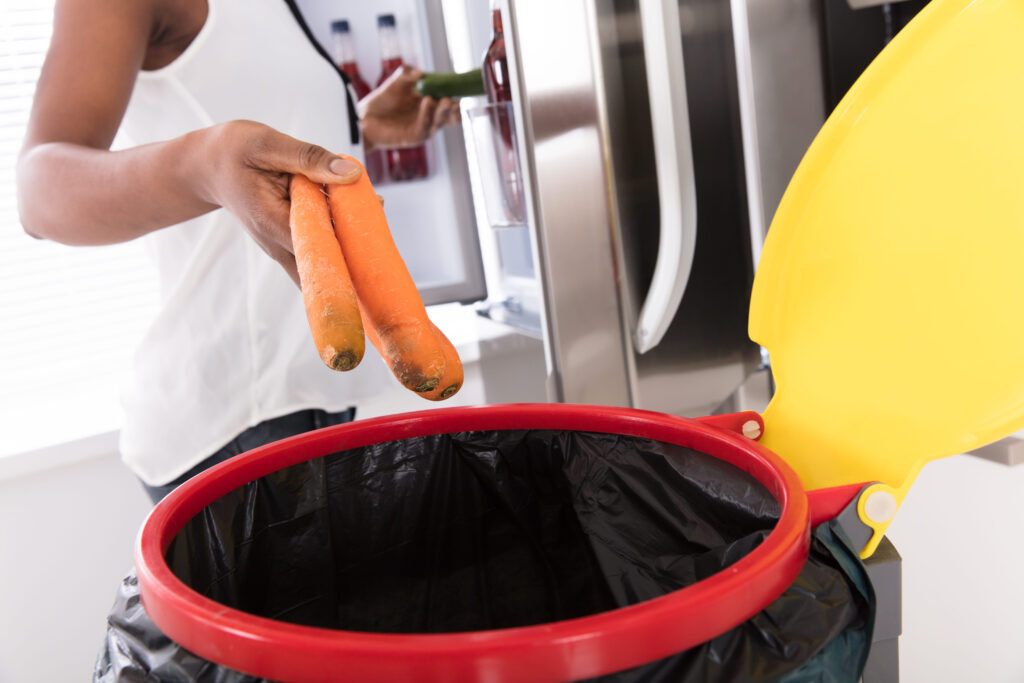
Trash cans may appear mundane, but they harbor loads of bacteria per square inch. Bags can rip, overflow, or leak, exposing the bin’s interior to organic waste that promotes mold, yeast, and bacterial growth. Even the underside of the lid can become contaminated, spreading bacteria to surrounding areas during trash removal.
Routine cleaning with a bleach-water mixture and a thorough rinse is essential. Additionally, disinfecting the surrounding floor area prevents cross-contamination from moving bags and residues.
Remote Controls
Remote controls are touched constantly yet cleaned rarely, creating a microcosm for germs. Studies indicate that over half of remotes carry yeast and mold colonies. The buttons, crevices, and battery compartments accumulate grime that can transfer pathogens to your hands, face, or food.
Regular cleaning with disinfecting wipes or a water-alcohol solution, including the batteries and inner compartments, drastically reduces the bacterial load while maintaining device functionality.
Kitchen Counters: Everyday Contact Risks
Kitchen counters come into contact with raw foods, dirty dishes, and frequent hand contact, making them hotspots for bacteria. Approximately one-third of counters carry harmful microorganisms, including molds. Using a contaminated sponge or dishcloth amplifies the risk.
Cleaning resilient surfaces with appropriate household cleaners or a diluted bleach solution minimizes bacterial growth. For delicate materials, using specialized cleaners preserves integrity while maintaining hygiene.
Faucet Handles
Every bathroom faucet handle is a hub for bacterial transfer. Common pathogens such as Staphylococcus and mold can accumulate, with some handles hosting thousands of bacteria per square inch. Each hand wash carries the potential to recontaminate handles.
Daily disinfection with wipes, sprays, or a bleach-water solution significantly reduces the presence of bacteria and limits exposure to harmful microbes.
Stove Knobs
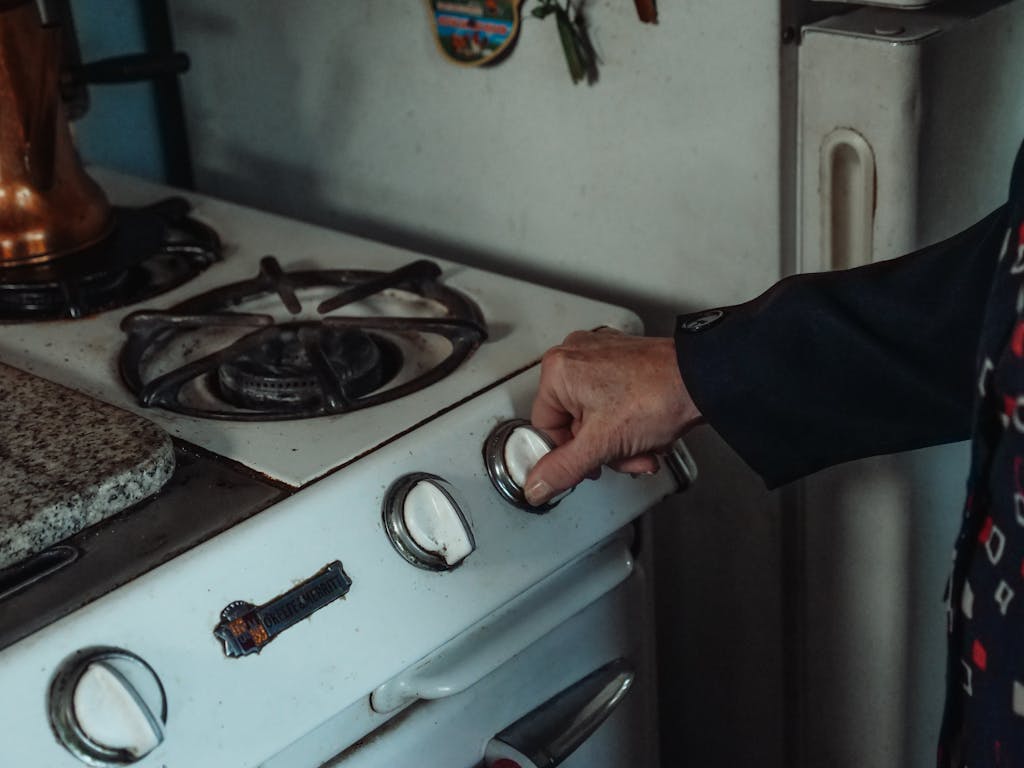
Stove knobs endure frequent contact but are often neglected during cleaning. Many harbor coliform bacteria along with yeast and mold due to repeated hand contact without proper handwashing.
Removing knobs for a weekly hot water and soap soak is effective, while fixed knobs should be wiped thoroughly with a designated cleaner. Regular maintenance ensures that cooking surfaces remain safe and hygienic.
Coffee Makers
Coffee makers, particularly the reservoirs, create warm, damp environments ideal for bacterial and mold growth. Studies show that many units contain Staphylococcus, Streptococcus, and Bacillus cereus.
Vinegar cycles followed by thorough water rinsing cleanse internal components, while routine cleaning of external surfaces prevents residue buildup. Keeping these appliances sanitized ensures the beverages you consume remain safe.
Kitchen Sinks
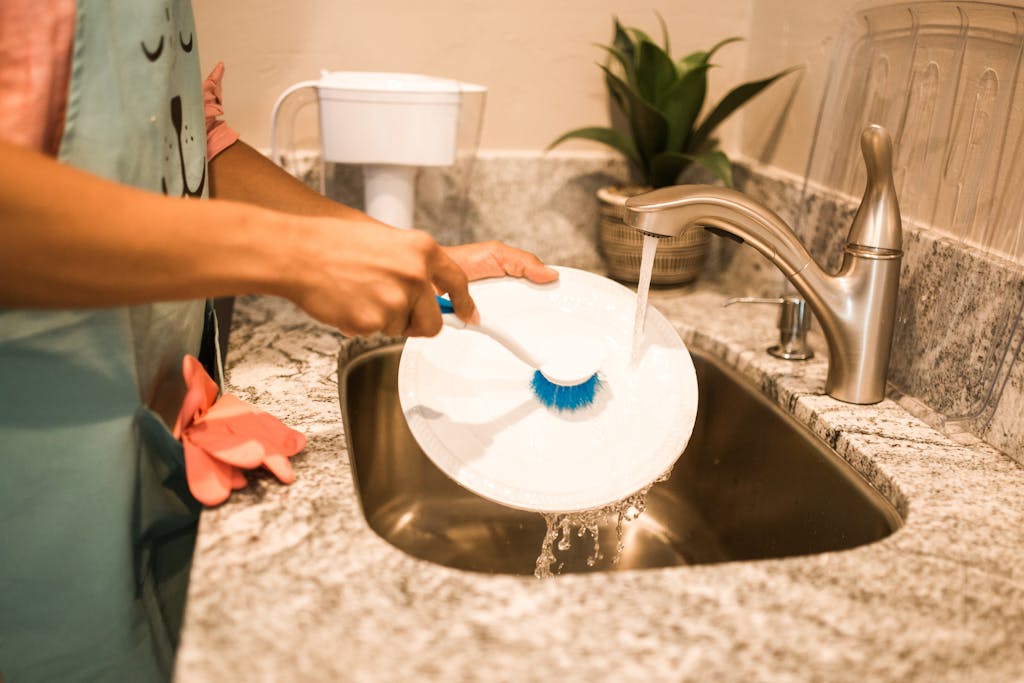
Contrary to expectations, kitchen sinks can contain more microorganisms than toilet surfaces. Moisture, food particles, and soap residue create a rich environment for bacterial colonization. Coliform bacteria and molds are commonly detected.
Cleaning with a combination of warm water, bleach, and scrubbing agents, such as lemon and powdered borax, reaches hidden crevices and neutralizes odors. Regular sanitation prevents cross-contamination from dishes and hands.
Cutting Boards
Cutting boards, especially those used for raw meat, pose a significant risk of bacterial contamination. Micro-grooves from knives trap organic matter, promoting microbial proliferation. Plastic boards can be sanitized in dishwashers, whereas wooden boards require brief soaks in bleach or vinegar, followed by hot-water rinses.
Using separate cutting boards for meat and vegetables further reduces the risk of cross-contamination and maintains safe food-preparation practices.
Toothbrush Holders
Toothbrush holders, positioned near bathrooms and toilets, usually accumulate fecal matter, yeast, mold, and Staphylococcus bacteria. Millions of microorganisms can inhabit a single holder.
Cleaning with hot water and soap twice weekly, coupled with storing brushes in less open or less ventilated spaces, reduces bacterial density.
Maintaining holder hygiene ensures oral care routines do not inadvertently introduce pathogens into the mouth.
Dish Sponges
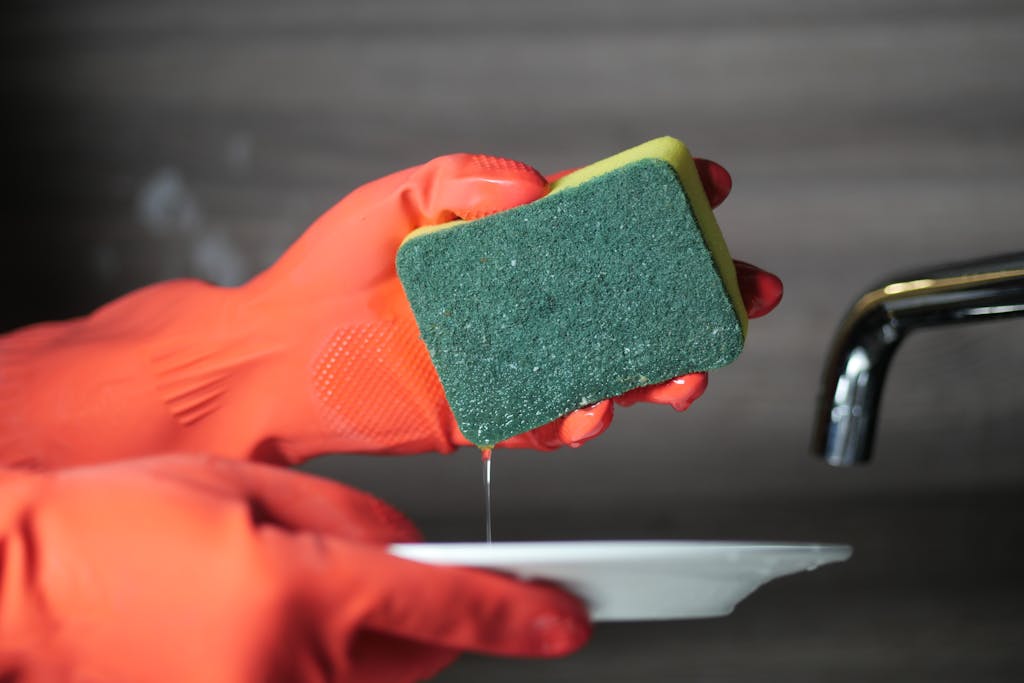
Dish sponges are the most contaminated items in most homes. One study found over 300 million microorganisms per gram, including Salmonella, E. coli, fecal matter, and staph.
Regular replacement every two weeks is crucial. In between cleanings, soaking sponges in a diluted bleach solution neutralizes pathogens.
For those preferring clothes, machine washing in hot water with bleach provides similar antibacterial benefits. Sponges require frequent attention due to their constant exposure to food residue and moisture.
Conclusion
Home cleanliness goes beyond sweeping floors and wiping visible surfaces. Bacteria thrive in overlooked areas like sponges, faucet handles, and cutting boards.
Understanding these germ hotspots and implementing regular cleaning routines helps minimize health risks and ensure your household environment remains safe. Addressing these ten hidden sources of contamination transforms routine cleaning into a strategic defense against invisible pathogens, protecting both your family and your peace of mind.