The garage is one of the most useful spaces in any home, but it’s also one of the easiest places for danger and disorder to take root. With good intentions, many of us cram our garages with storage bins, tools, outdoor gear, old furniture, and miscellaneous items “just in case.” That impulse may feel practical at first, but over time, it transforms the space into a haphazard catch‑all where hazards lurk behind dusty boxes and once‑useful items become forgotten junk.
A well‑organized garage should protect what’s stored there, facilitate access to what you use most, and avoid turning into a safety risk. The following are the top items you should never store in your garage, along with smart alternatives for keeping them safe, accessible, and out of harm’s way.
Propane Tanks Without Proper Ventilation
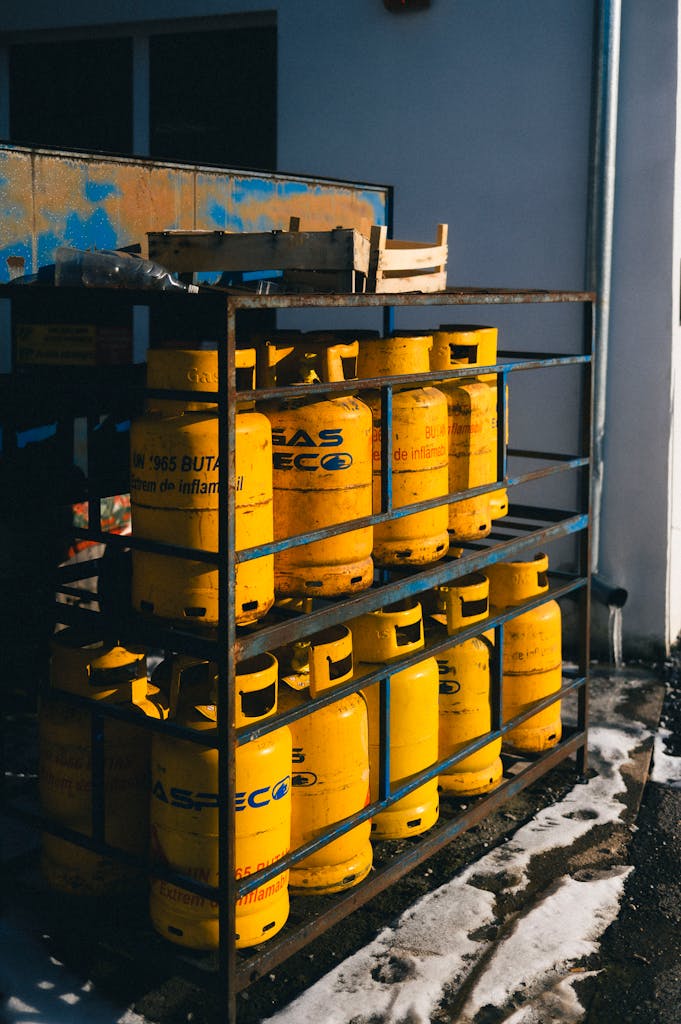
Propane tanks are designed for outdoor use and must never sit in an enclosed garage. Even when turned off, small leaks can build dangerous concentrations of gas. A spark from a tool, a heater, or even static electricity can trigger an explosion.
What to do instead:
Keep propane tanks on a covered patio or in a dedicated outdoor shed with ventilation. If you must change a tank, do so outdoors away from ignition sources.
Flammable Liquids and Chemicals
Gasoline, paint thinner, solvents, pesticides, pool chemicals, and other volatile fluids create serious fire hazards when stored in a garage.
These substances can emit fumes that travel through the garage and into the house, increasing both fire and health risk.
Better storage solution:
Store flammable items in approved, clearly labeled metal cabinets designed specifically for hazardous materials. Place them well away from direct sunlight, heaters, and electrical outlets.
Aged or Damaged Tires
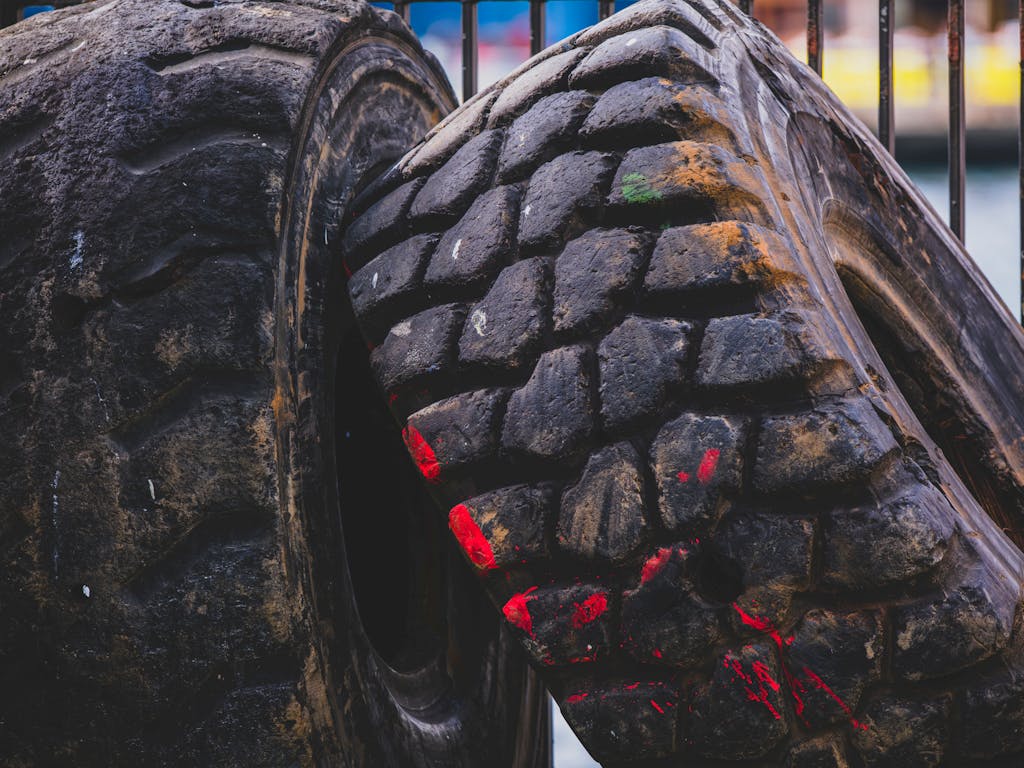
Spare tires may feel like a practical keep, but old, worn, or sun‑cracked tires deteriorate quickly in hot, fluctuating garage climates.
Heat, UV exposure, and humidity accelerate rubber breakdown, making the tires unsafe for future use.
Smart alternative:
Store tires in a cool, dry space, such as a basement or a climate‑controlled storage unit. If you intend to reuse them, keep them in airtight bags and off the floor to prevent moisture damage.
Expired or Unlabeled Paint Cans
Paint that has sat in a garage for years often separates, skins over, or becomes unusable. Worse, the slow release of chemical vapors can pollute the garage atmosphere and create health concerns.
What to do:
Sort through paint cans annually and discard old, dried, or unlabeled cans responsibly at a local household hazardous waste facility.
Old Electronics and Chargers
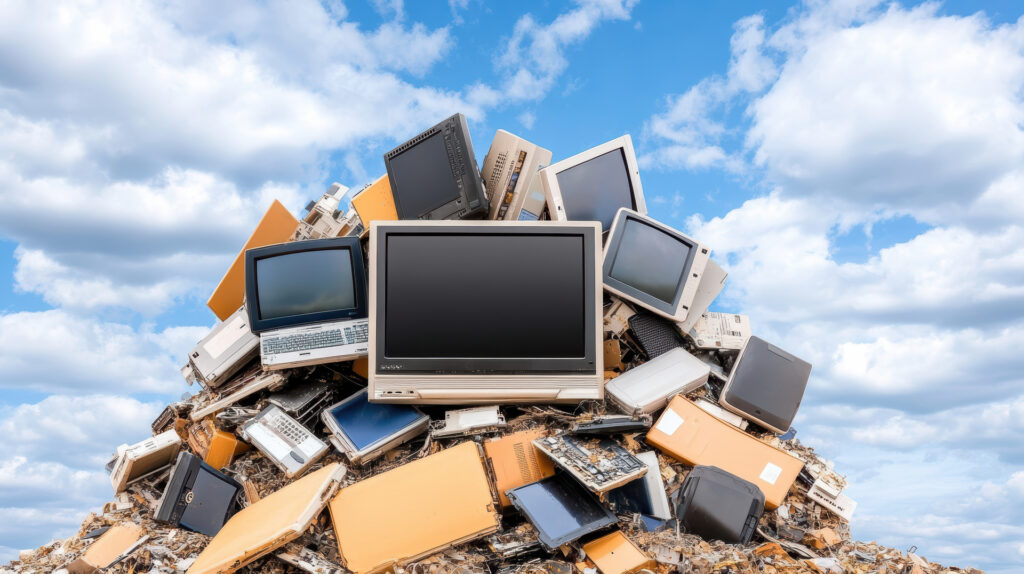
Old phones, cables, laptops, gaming consoles, and chargers all contain batteries and components that can corrode or leak over time. As these items age, batteries in particular pose fire and toxic chemical risks.
Keep instead:
Recycle old electronics at dedicated e‑waste centers. Keep only current, regularly used devices in your home or basement tech station.
Paper Files and Important Documents
A garage may feel like a spacious place to stash boxes of paperwork, but temperature swings and moisture exposure make it a poor environment for preserving anything. Legal records, school paperwork, tax documents, and keepsakes can warp, yellow, or become moldy.
Better place for papers:
Use a fire‑ and water‑resistant filing cabinet inside your home, or rent an affordable off‑site storage locker with climate control if you need long‑term archival space.
Perishable Materials (Food, Seeds, Bread, Pet Food)

Food items never belong in a garage. Even sealed packages attract pests, develop mold, or spoil quickly due to temperature fluctuations. Seeds and grains may sprout, rot, or be consumed by rodents and insects.
Smart solution:
Keep all food items in your kitchen pantry or in an indoor cupboard. Store pet foods in airtight containers inside the house.
Air‑Powered Tools Connected to Compressors
Air compressors and pneumatic tools may seem sturdy enough for garage storage until pressure builds unexpectedly or hoses degrade and rupture. Compressed air storage is best handled in controlled workshop environments with safety fittings.
Storage tip:
Keep compressors and air tools in a dedicated workshop area with proper ventilation, secure mountings, and routine maintenance. Disconnect hoses after each use.
Valuable or Sentimental Items
Boxes of heirlooms, artwork, antiques, family photos, or jewelry tucked away in the back of a dusty shelf risk deterioration from dust, pests, moisture, and temperature fluctuations. Over time, what was once precious becomes damaged beyond repair.
Where to keep them:
Store valuable items inside the home, such as in closets, dressers, or cabinets, with padding and dust covers. For extremely delicate antiques, consider a climate‑controlled storage unit.
Large Furniture Pieces Unprotected from the Elements

Couches, dining chairs, mattresses, and other upholstered furniture items may seem like good candidates for temporary garage storage, but garages rarely maintain the consistent humidity and temperature needed to preserve fabric and wood. Mold, mildew, and warping set in quickly when conditions fluctuate.
Better alternative:
Donate unwanted furniture to a charity or thrift store. If you need to hold onto it, invest in a climate‑controlled storage solution or rehome it inside a less variable indoor space.
How to Make Your Garage Safer and More Organized
The garage is most effective when it serves targeted functions: a workspace, a storage hub for outdoor gear, and a staging area for cars and seasonal tools. To keep it useful, clean, and safe:
- Install wall‑mounted shelving: Keeps items off the floor and makes them easier to see and access.
- Use clear storage bins with labels: You should never have to guess what’s inside a box.
- Create zones: Divide the garage into sections (tools, outdoor gear, holiday storage, automotive), so each item type has a designated home.
- Add proper lighting: A well‑lit garage prevents accidents and makes organization easier.
- Check annually: Make a date with your garage once a year to purge old items and reassess storage needs.
Final Thoughts
A cluttered garage doesn’t just look chaotic; it becomes dangerous, inefficient, and expensive over time. Storing items where they don’t belong invites rust, rot, pests, mold, fire risk, and forgotten treasures lost to neglect. By identifying what should never stay in the garage and choosing smart alternatives, you not only safeguard your belongings but also reclaim valuable space and peace of mind.
A garage should make life easier, not add hidden hazards to your home. When items are stored with intention, labeled clearly, and protected from heat, moisture, and instability, the garage becomes an asset rather than a liability. Its purpose is not simply storage, but organized, safe, and accessible storage that stands the test of time.