Every home carries hidden weight. It accumulates slowly, almost invisibly, as we collect items that once seemed necessary, clever, or even sentimental. Drawers overflow with single-use gadgets, cabinets stack with outdated containers, and closets swell with clothes that no longer fit our lives. This clutter does more than block movement; it drains mental energy, reduces efficiency, and makes daily routines feel heavier.
The objects we keep “just in case” quietly dominate our homes and distract us from the spaces we actually live in.The impact of clutter goes beyond aesthetics. Research into domestic organization shows that visual chaos increases stress, lowers productivity, and reduces overall satisfaction at home. The average American household stores dozens of items that are effectively useless, from broken electronics to expired pantry goods, creating stress points that silently influence mood, decision-making, and even relationships.
A home with unnecessary items becomes a maze of choices, mislaid belongings, and constant minor frustrations. Recognizing and removing these items is the first step toward reclaiming control over your space and peace of mind.
Books We Will Never Read Again

Books accumulate due to nostalgia, aspiration, or perceived value. Forgotten novels, unread self-help guides, outdated textbooks, and coffee table books clutter shelves and boxes. These items rarely contribute to current knowledge or enjoyment yet occupy significant physical and mental space.
Prioritize books that are actively referenced, enjoyed, or emotionally significant. Donate or recycle the rest. A curated library enhances both accessibility and meaning, making the home feel lighter and more intentional.
Single-Use Kitchen Gadgets
Single-use kitchen gadgets are the stealthiest space thieves. Items like banana slicers, avocado cutters, egg separators, and strawberry hullers promise speed and convenience but often underdeliver while taking up disproportionate storage. The real issue is redundancy: these gadgets perform tasks that a simple knife, spoon, or strainer could accomplish just as effectively. Over time, a kitchen drawer filled with novelty items becomes harder to navigate, slowing simple cooking routines and making them more frustrating.
Beyond mere inconvenience, these gadgets introduce subtle stress. Cleaning each device, finding a place to store it, and remembering to use it all contribute to mental clutter. Households benefit more from multifunctional tools, such as a chef’s knife, a cutting board, and a few core utensils, than from dozens of single-purpose items that serve as occasional novelties rather than consistent functions. Reducing kitchen clutter can save not only space but mental bandwidth in daily meal preparation.
Food Storage Containers

Mismatched containers are the silent chaos in pantries and cabinets. Missing lids, warped plastic, stained tubs, and orphaned glass jars create a system that looks functional but is practically useless. Searching for a clean container becomes a daily chore, discouraging efficient meal prep and often forcing unnecessary re-purchases of storage solutions.
The solution is methodical: match every lid to a container, discard or recycle orphans, and retain only those used regularly. Prioritize containers that seal tightly, stack efficiently, and serve multiple functions. A compact, consistent set of containers transforms storage into an organized system rather than a cluttered landfill of partially functional items.
Old Electronics We Keep for No Reason

Obsolete electronics occupy space while draining mental clarity. Old tablets, broken remotes, defunct DVD players, and tangled wires pretend to hold value, yet they rarely serve any practical purpose. Keeping them “just in case” for nostalgia or perceived future use ensures they linger in cabinets, drawers, or storage closets for years.
Proper disposal is essential. Electronics often contain batteries, metals, and components that must be recycled safely to avoid environmental hazards. Participating in take-back programs or e-waste collection ensures items leave your home responsibly. This strategy clears physical space while preventing potential chemical or electrical risks.
Mystery Cables and Chargers
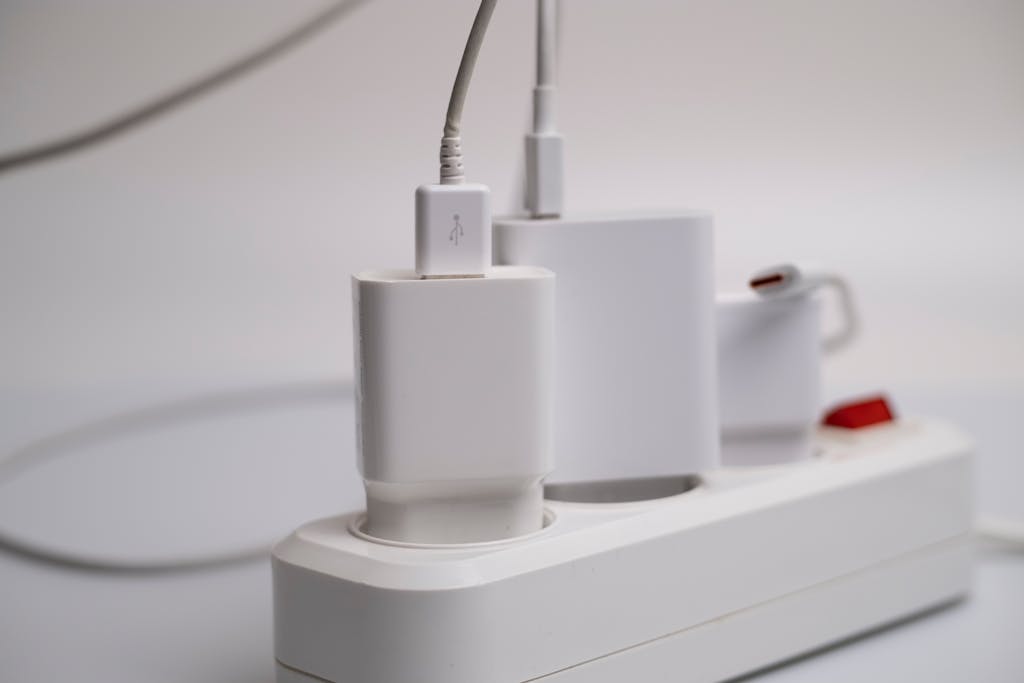
The drawer full of tangled cords is both comical and crippling. Chargers for long-gone devices, adapters with unknown functions, and cables missing ends make it impossible to quickly power or connect anything. While we keep them in hope, these cords rarely deliver real utility.
A systematic approach solves this. Match each cable with a device, label useful spares, and recycle or donate the rest. Maintaining a curated selection of functional cables minimizes clutter, ensures readiness when needed, and prevents the chaos of hunting for the right connector during critical moments.
Exercise Equipment That Became a Clothes Rack
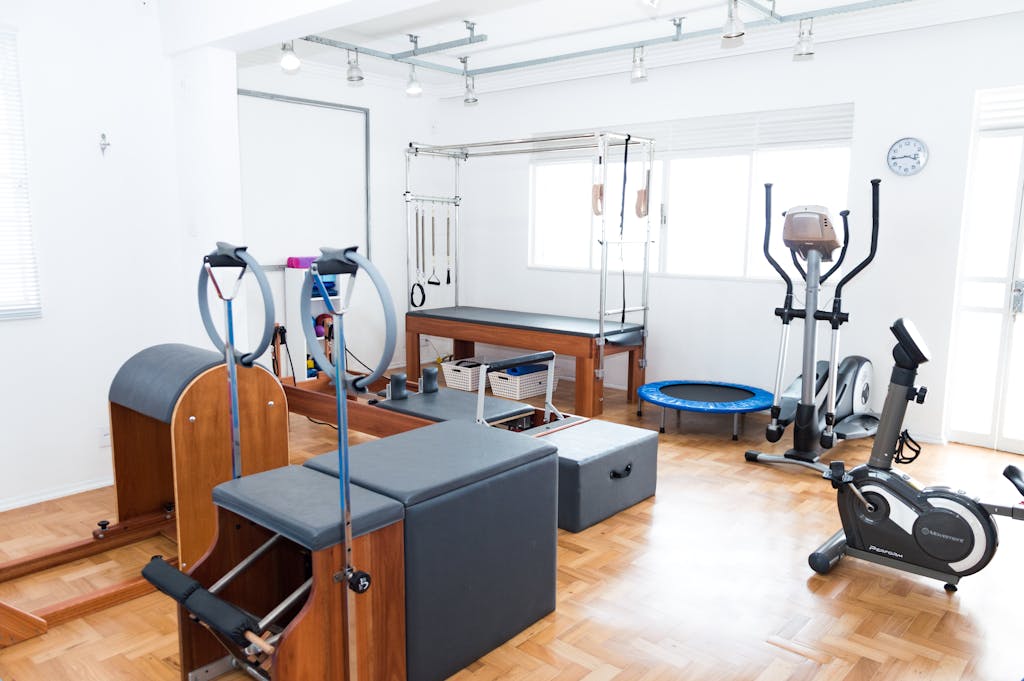
Many homes showcase ambitious exercise equipment that transforms into decorative storage for laundry, boxes, or forgotten items. Treadmills, stationary bikes, elliptical machines, and weight benches are often underused after the initial enthusiasm fades, quietly collecting dust while occupying prime floor space.
Honest evaluation helps determine whether an item still serves its intended purpose. If a machine remains unused for months, selling, donating, or repurposing it frees space and reduces visual clutter. Minimalist or versatile equipment, such as resistance bands or yoga mats, can replace bulky machines and support sustainable, practical home fitness routines.
Decorative Pillows That Live on the Floor
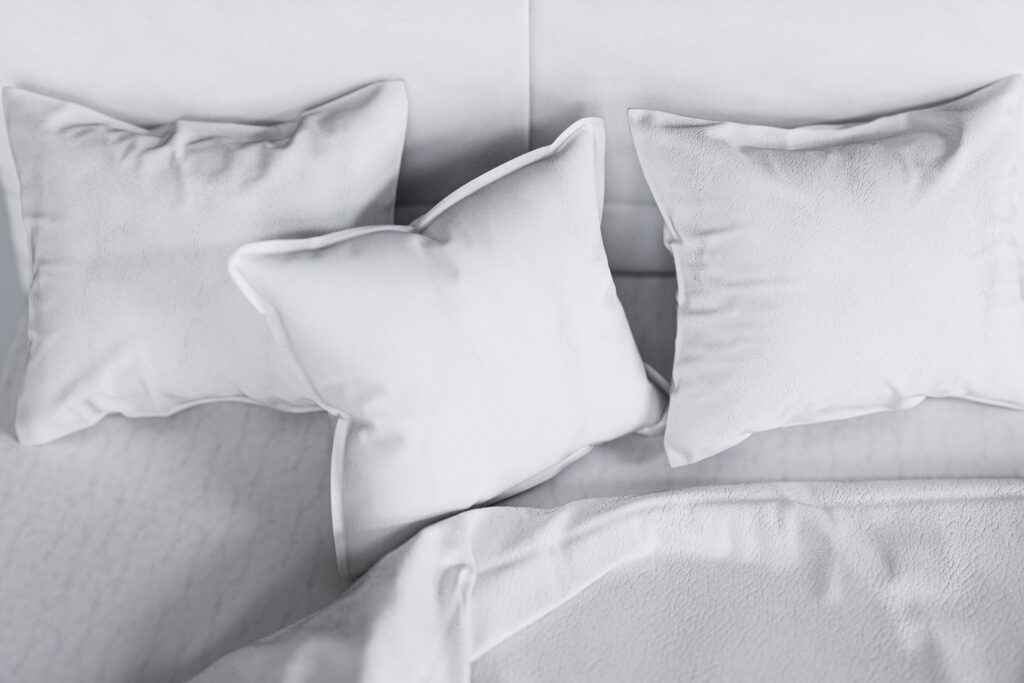
Pillows meant to decorate sofas or beds often become obstacles rather than comfort. Piled on furniture or left on the floor, they impede seating and create unnecessary daily chores. Their aesthetic value does not compensate for the disruption they introduce to living spaces.
The solution lies in moderation. Keep only pillows that provide genuine comfort or visual appeal without obstructing usability. Eliminating excess pillows streamlines spaces, simplifies daily routines, and maintains the intended style without sacrificing function.
Throw Blankets Nobody Uses

Throw blankets often look cozy yet end up accumulating where they are seldom touched. Many are decorative, scratchy, or overly fragile, and exist more for display than for practical use. Their presence, when unused, contributes to visual chaos and unneeded bulk in living areas.
A practical home retains only throws that add warmth, comfort, or genuine decor value. Others can be repurposed for pets, outdoor seating, or donated. Conscious selection ensures these items enhance the home rather than clutter it.
Decorative Towels Guests Are Afraid to Touch
Bathrooms often feature towels meant to impress, but their pristine appearance discourages use. Guests hesitate to touch delicate fabrics, leaving the towels as static decor rather than functional items.
Simplifying towel selection to soft, practical, and aesthetically pleasing options improves usability without sacrificing style. Removing overly ornamental towels enhances the guest experience and reduces unnecessary visual clutter.
Reusable Bags That Multiplied in the Closet
Reusable shopping bags proliferate until they consume entire closet corners. They arrive with good intentions, multiply with purchases, and rarely cycle back into active use. This unintended accumulation occupies valuable storage space.
Setting realistic limits addresses this problem. Keep a small, accessible supply for regular shopping trips and recycle or donate extras. A manageable number prevents the bags from becoming a clutter category in their own right.
Hobby Supplies From Abandoned Phases
Hobby materials often outlive the activity itself. Old paint, yarn, fabric, craft kits, and tools from discontinued interests consume space and create guilt.
Separate active hobbies from abandoned ones. Donate, sell, or recycle items from inactive pursuits. A manageable collection supports creativity while maintaining order.
Clothes That Fit a Former Life
Clothes from past body sizes, careers, or lifestyles take up closet space without providing daily value. They may create emotional weight or decision fatigue when choosing outfits.
Keep items that fit, are functional, and align with current routines. Donate or recycle clothing that no longer serves practical or emotional purposes. A streamlined wardrobe supports daily life efficiently.
Expired Pantry Items and Forgotten Food
Expired spices, stale snacks, and unused ingredients accumulate over time. They occupy space while failing to support meals or planning.
Organize pantry items, rotate older products to the front, and discard expired items. Properly managed, the pantry becomes functional, efficient, and free of invisible clutter.
Sentimental Items With No Real Emotional Weight
Items saved for emotional reasons sometimes lack genuine significance. They may include broken souvenirs, unnecessary mementos, or gifts that no longer resonate.
Preserve meaningful objects intentionally. Photograph or digitally store items before donating extras. The goal is memory, not obligation.
Expired Medicine and Half-Empty Health Products

Medicine cabinets collect expired pain relievers, half-used ointments, old prescriptions, and forgotten supplements. While these items feel critical, expired or redundant products no longer serve a functional purpose.
Proper disposal through take-back programs, pharmacy drop-offs, or local hazardous-waste protocols ensures safety while freeing up space. Maintaining only current, essential medications improves organization, usability, and household safety.
Old Paint, Cleaners, and Hazardous Leftovers
Leftover paint, chemicals, oils, and cleaning products occupy cabinets, garages, and basements. Though purchased with practical intentions, many items are abandoned after a project ends.
Hazardous materials must be handled correctly. Participate in local disposal programs and keep only safe, functional supplies. Responsible removal reduces risk and reclaim physical space previously consumed by forgotten items.
Cardboard Boxes From Deliveries
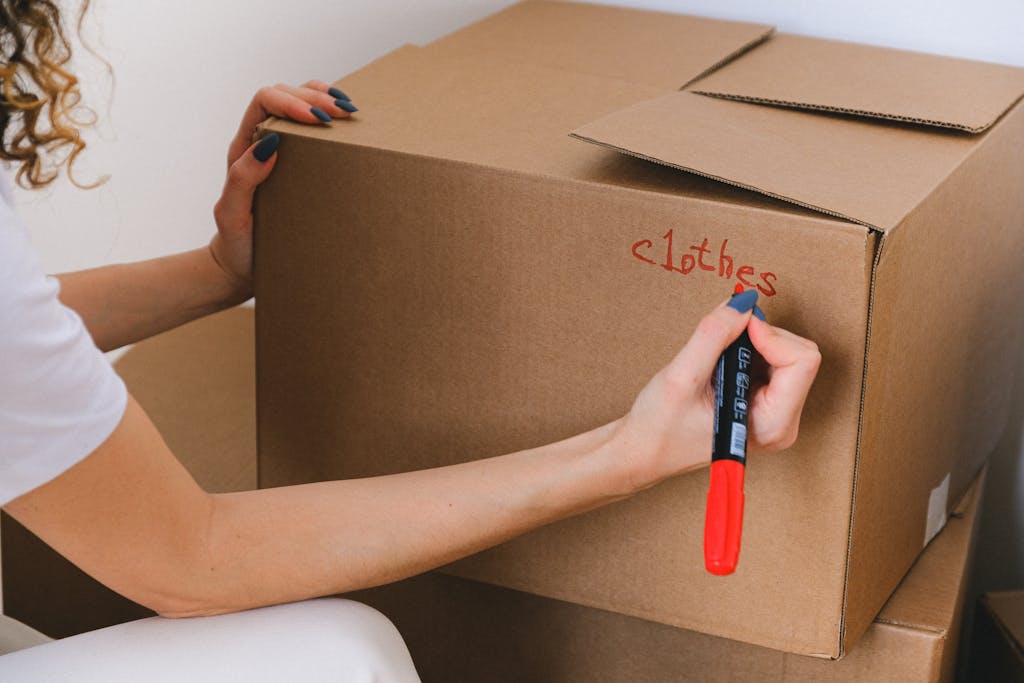
Boxes from online purchases can overrun storage spaces. Once the return window closes or the project need disappears, these boxes become redundant clutter.
Flatten, recycle, or repurpose boxes for practical storage needs. Retain only a small, organized selection for imminent use. A disciplined approach prevents cardboard accumulation from overwhelming living spaces.
Duplicate Mugs, Bottles, and Freebies
Promotional gifts, spare mugs, and company swag often pile up due to perceived value or obligation. They may never be used, yet they still occupy valuable storage space.
Select and retain items that are regularly used or meaningful. Donate or recycle the rest. Fewer, purposeful items enhance organization and usability.
Old Paperwork, Manuals, and Receipts
Paper clutter hides in drawers, counters, and file cabinets. Manuals for obsolete devices, outdated receipts, and forgotten paperwork take up space and cause stress.
Digitize when possible and retain only essential documents. Proper filing ensures important information is accessible, reducing mental and physical clutter.
Empty Jars, Containers, and Packaging
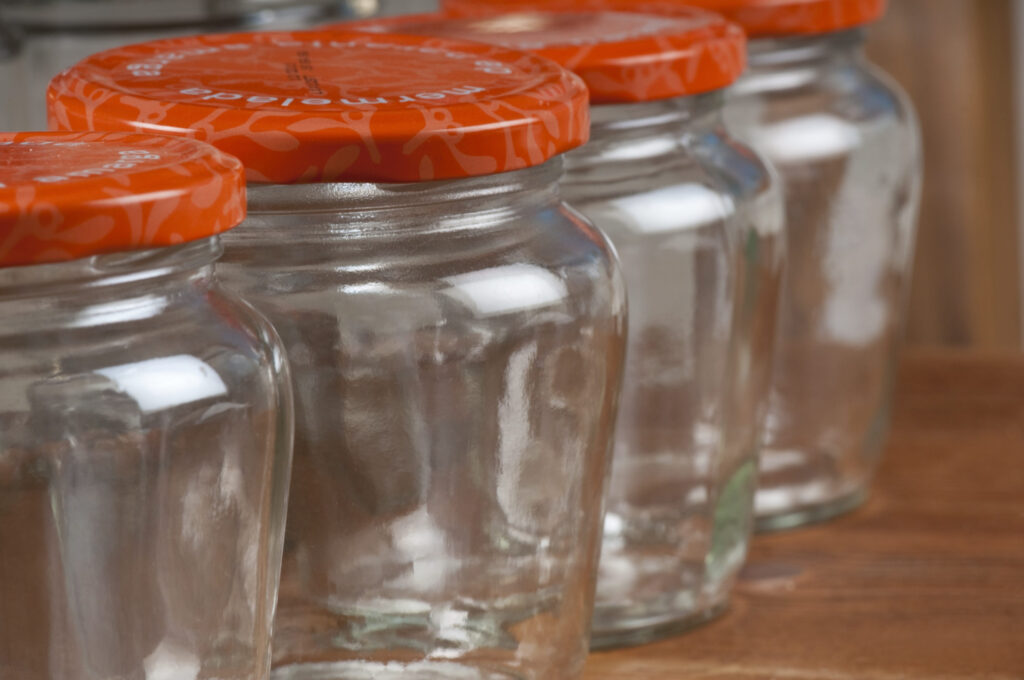
Unused jars, packaging, and boxes accumulate under counters and shelves. They occupy space without offering functional value unless intentionally repurposed.
Keep a small, curated selection for storage, gifts, or projects. Recycle or donate the rest. This approach balances preparedness with a practical, uncluttered home.
Conclusion
A home overrun with useless items works against you. From single-use gadgets to expired pantry goods, forgotten electronics, decorative extras, and emotional keepsakes, these objects quietly consume space, time, and energy. By evaluating usefulness, emotional significance, and safety, we reclaim not only physical space but also clarity, efficiency, and mental freedom. Eliminating clutter is not deprivation—it is empowerment, making room for the things we truly need and the life we actually live.
A well-organized home turns invisible stress into visible calm, wasted space into practical storage, and habitual chaos into intentional living. Clarity in your surroundings fosters clarity in thought, making every day simpler, lighter, and more intentional.