Let’s face it: therapy is expensive, and for many, it’s an uphill battle to even get started. If you’ve been struggling to access quality mental health care due to budget constraints, you’re not alone.
But here’s the uncomfortable truth—there are hidden risks when it comes to pursuing affordable therapy, and the “cheap” options you think are saving you money could end up costing you more in the long run.
It’s time to call out the costly mistakes you might be making and explore smarter, more sustainable alternatives.
Relying Too Heavily on Insurance

Insurance is supposed to make therapy affordable, right? Well, not always. Many insurance plans don’t cover mental health care adequately, leaving you with steep out-of-pocket expenses. Even if you have insurance, it’s easy to find yourself in the frustrating position of having limited therapy sessions covered or being forced to pay higher deductibles for care.
The Risk: You may find yourself paying more than you expected, with limited access to therapists who accept your plan. Even worse, some policies limit the types of therapy covered, leaving you with fewer options.
The Fix: Skip the stress and check if you’re eligible for programs like Medicaid, which can significantly reduce your out-of-pocket costs. Also, look for therapists who offer sliding scale pricing or discounted services to accommodate your budget.
Ignoring Sliding-Scale Therapy
Many people overlook sliding scale therapy, thinking it’s too complicated or that it’s not an option for them. The truth is, sliding-scale pricing is one of the best-kept secrets for those on a tight budget. It allows therapists to adjust their rates based on your income, making therapy more accessible.
The Risk: By not asking for a sliding scale, you could be unnecessarily paying full price for therapy that doesn’t match your financial situation.
The Fix: Don’t be shy about asking your therapist or a local clinic. Many therapists are ethically bound to offer this service, especially in community clinics, and they’re often happy to adjust the rate for clients who need it.
Settling for “Cheap” Online Therapy Platforms
Online therapy has grown in popularity—and for good reason. It’s affordable, convenient, and can be effective. But don’t be fooled by the buzzwords. While platforms like BetterHelp or Talkspace offer low-cost options, there’s a downside. Studies have shown that many of these platforms may compromise on quality, with inconsistent therapist availability, low-paying jobs for counselors, and serious concerns about patient privacy.
The Risk: You could end up paying for subpar therapy, with therapists who may not be as qualified or invested in your care. Plus, there’s the added risk of your personal data being shared with advertisers.
The Fix: Do your homework. If you opt for online therapy, research the platform thoroughly, read reviews, and ask about the therapists’ qualifications. Additionally, explore other options, such as community-based services or local nonprofits offering online therapy.
Overlooking University Clinics
University clinics are often an overlooked gem in the therapy world. These clinics offer therapy at a fraction of the cost because graduate students in counseling programs provide the care under licensed supervision. But here’s the problem: many people mistakenly assume that student therapists aren’t as qualified as professionals, when in fact they are often trained by top-tier experts.
The Risk: By dismissing university clinics, you may be missing out on an affordable therapy option that could be just as effective as seeing a private therapist.
The Fix: Check with local universities offering counseling programs and ask about their therapy services. You’ll be surprised at how professional and affordable this option can be.
Skipping Group Therapy for “One-on-One Only” Sessions

It’s easy to think that individual therapy is the only option worth considering. After all, isn’t that where you get personalized attention? However, group therapy can be just as effective—and it’s significantly cheaper. The stigma around group therapy is the real problem here. Many people avoid it because they’re uncomfortable discussing their personal issues in a group setting.
The Risk: You might miss out on a powerful therapeutic tool just because you’re too focused on the “individual” approach. Group therapy is proven to be effective for treating everything from anxiety to addiction, and it builds community support.
The Fix: Open your mind to group therapy options. Many organizations, like NAMI (National Alliance on Mental Illness), offer group therapy for a fraction of the cost of individual sessions. It’s a therapeutic experience you shouldn’t discount based on stigma.
Ignoring Nonprofit Mental Health Resources
If you’re already looking for affordable therapy, you’ve likely come across nonprofit organizations offering mental health services. Yet, many people skip these organizations, assuming they aren’t as credible or don’t offer quality care. In reality, nonprofits like Open Path Psychotherapy Collective provide highly qualified therapists at deeply discounted rates, making therapy much more affordable.
The Risk: By not considering nonprofit resources, you could be missing out on a reliable and cost-effective therapy option that could help you at a fraction of the price.
The Fix: Research local nonprofits and national organizations offering sliding-scale therapy or free services. Look into options like the National Association of Free & Charitable Clinics, which can direct you to low-cost therapy clinics near you.
Not Taking Advantage of Employee Assistance Programs (EAPs)
Employee Assistance Programs (EAPs) are a benefit that many employers offer, but far too many employees don’t take advantage of them. These programs often include several free therapy sessions to help with personal or work-related issues. If you’ve been putting off therapy, this benefit is one you shouldn’t ignore.
The Risk: By not using your EAP, you’re leaving valuable therapy resources on the table, all while continuing to struggle with mental health issues.
The Fix: Check with your HR department to learn about your EAP benefits. It could provide you with several free sessions with a licensed counselor—helping you access mental health support without spending a dime.
Believing Therapy Apps Are a One-Stop Solution
Therapy apps like MindShift and Headspace offer great resources, from guided meditation to stress-management techniques. But here’s the truth: these apps are not a substitute for real, in-person therapy. They can provide valuable tools for managing anxiety or depression, but if you’re dealing with more serious mental health issues, apps won’t cut it.
The Risk: Relying on therapy apps without seeking professional help can leave you feeling stuck, especially if you’re dealing with deeper psychological issues that require expert intervention.
The Fix: Use apps as a supplement to traditional therapy, not a replacement. If you’re using an app, make sure you also seek face-to-face therapy or a more comprehensive online option to address the root of your concerns.
Relying on Crisis Hotlines Without Long-Term Support
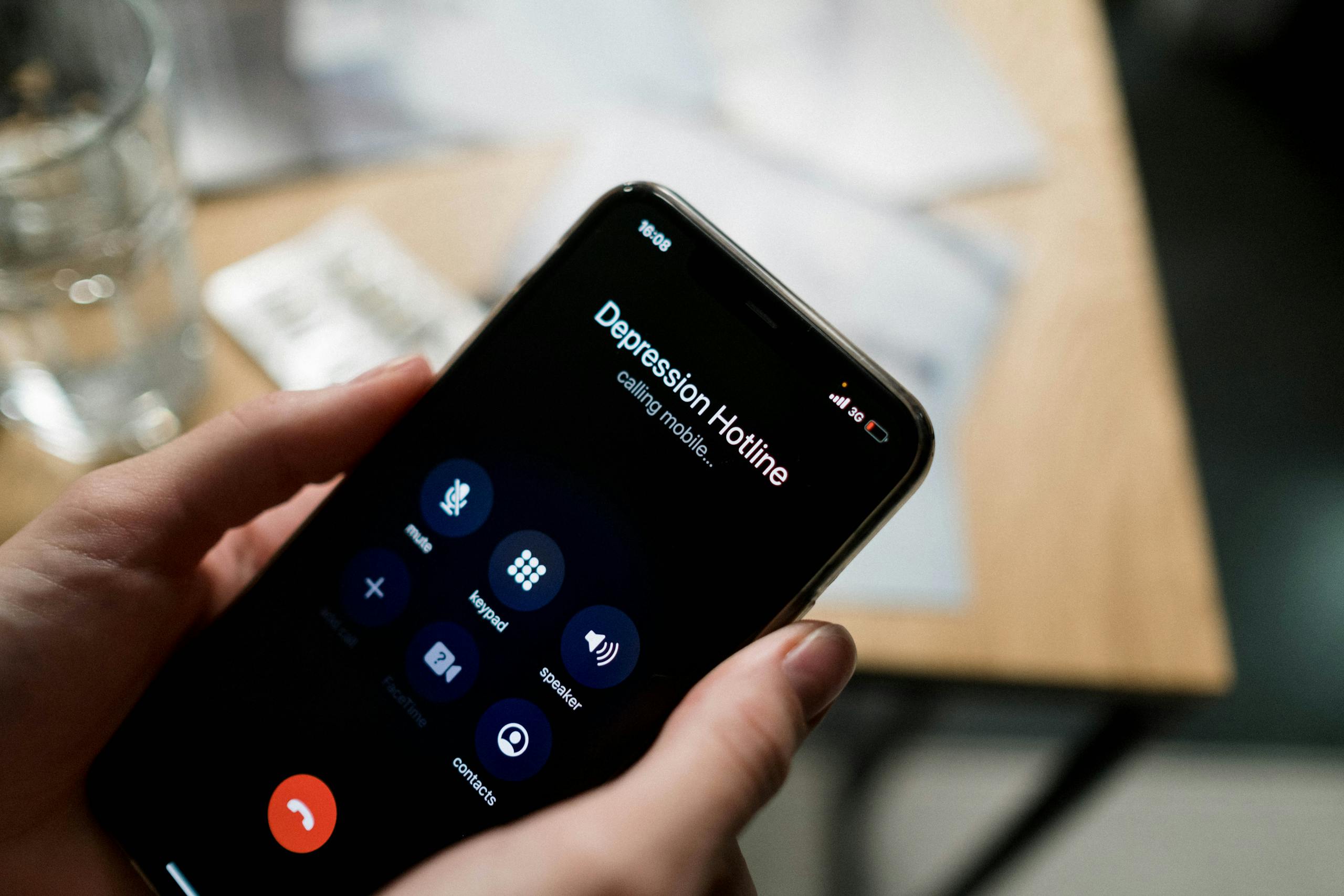
Crisis hotlines are invaluable for immediate help, but they are not a long-term solution. While they offer a critical lifeline when you’re in a mental health emergency, they cannot provide the ongoing care needed to work through deep issues. Yet, many people mistakenly use them as their primary source of support.
The Risk: Using crisis hotlines too often without transitioning to regular therapy could prevent you from making real progress with your mental health. These services are designed for emergencies, not sustained treatment.
The Fix: After using a crisis hotline, seek out long-term therapy options that can address your mental health needs. Whether it’s through a sliding-scale therapist or a university clinic, moving beyond crisis management is essential for long-term healing.
Overlooking the Power of Peer Support
There’s a common misconception that therapy must always come from a licensed professional. Peer support groups, however, are a powerful (and often free) resource for individuals navigating mental health challenges. Connecting with others who share similar experiences can provide validation, encouragement, and a sense of community that is equally therapeutic.
The Risk: If you’re only looking for therapy from licensed professionals, you could be missing out on the healing power of shared experiences through peer support.
The Fix: Look into peer support groups through organizations like Mental Health America or NAMI. These groups often meet regularly and offer support for various mental health issues at no cost.
Falling for the “Quick Fix” of Cheap Therapists
When you’re desperate for help, it’s tempting to grab the first affordable therapy option that comes your way. But cheap doesn’t always mean quality. While you may find bargain rates, the therapist’s experience, training, and the overall fit could be subpar—ultimately prolonging your struggles.
The Risk: Choosing a therapist based solely on cost could leave you with someone who isn’t a good match for your needs, wasting both time and money.
The Fix: Take the time to research your therapist’s qualifications and approach. Ask questions about their experience, approach to therapy, and whether they have experience with your specific issues.
Assuming Therapy is a “One Size Fits All” Service

Every individual has different needs when it comes to therapy, so it’s a mistake to assume that what works for one person will work for you. Therapy is not a “one size fits all” service, and the wrong type of therapy or therapist can hinder your progress.
The Risk: Relying on generic or standardized therapy models could leave your specific needs unaddressed, delaying or preventing real healing.
The Fix: Don’t be afraid to shop around for the right therapist and therapeutic approach. Consider your personality, issues, and needs when choosing between cognitive-behavioral therapy, psychodynamic therapy, or other methods.
Conclusion:
While therapy can be expensive, making the right choices about where and how you access mental health services can save you time, money, and unnecessary frustration. By avoiding common mistakes and exploring these more affordable options, you can find therapy that fits your budget without sacrificing quality.
Ready to take charge of your mental health? Start with these smarter, more affordable therapy options and begin your journey toward healing today.