Throughout history, the idea of hell has been as much a part of human culture as religion, mythology, and folklore. From ancient Greeks to modern-day explorers, there are places that have earned a reputation as terrifying portals to the afterlife.
Whether naturally occurring or created by human hands, these sites hold an eerie significance that continues to capture our imaginations.
Let’s embark on a journey to explore ten entrances to hell that you can actually visit, some ancient, some modern, all undeniably fascinating.
Alepotrypa Cave – Greece
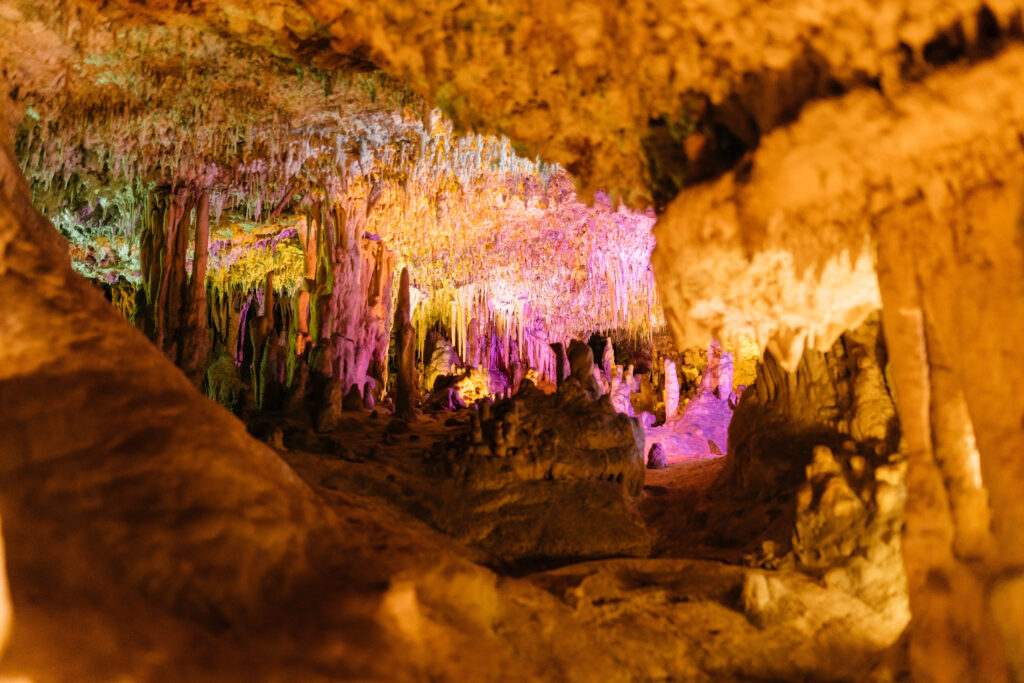
In the rugged hills of Greece, the Alepotrypa Cave, also known as the “Foxhole,” has an intriguing and dark history. This cave was thought to be the inspiration behind the ancient Greek myth of Hades, the god of the Underworld.
Thousands of years ago, this cave became a burial site, with hundreds of bodies found within its depths. Among these, a couple was discovered holding each other, their embrace lasting beyond death.
The cave itself is stunning, with a large subterranean lake thought to symbolize the journey to the afterlife.
Rediscovered by a hunter chasing a fox, it was once believed that those who passed through its shadows entered the realm of the dead. Today, visitors can feel the weight of this ancient myth as they explore the site.
Actun Tunichil Muknal – Belize
In the dense jungles of Belize, there is a cave that was once thought to be the entrance to the Mayan Underworld, Xibalba. Actun Tunichil Muknal, also known as ATM Cave, was used for sacred rituals that included human sacrifices.
It’s not a place for the faint-hearted; visitors must wade through neck-deep waters and crawl through tight spaces to reach the eerie depths.
Inside, human remains lay bound to the cave floor, glittering with minerals. The most famous of these is the “Crystal Maiden,” a skeleton encrusted with sparkling crystals that have transformed her into a haunting symbol of sacrifice.
The cave’s atmosphere, its rich history, and the powerful remnants of ancient rituals make it a place where the past and the afterlife collide.
Plutonium – Turkey
Located in Hierapolis, now modern-day Pamukkale in Turkey, Plutonium was considered the Gate of Hell by the ancient Greeks. Dedicated to Pluto, the god of the Underworld, it was a site where the dead could cross into the afterlife.
The cave sits over a natural opening in the earth, releasing carbon dioxide gas. This poisonous gas causes birds to drop dead when they fly too close, a chilling reminder of the underworld lurking just beneath the surface.
Excavations at the site revealed the remains of a shrine to Pluto, reinforcing the myth that this was a deadly portal to the afterlife.
Today, the site remains a poignant reminder of the ancient beliefs that once filled the world with wonder and fear.
Masaya Volcano – Nicaragua
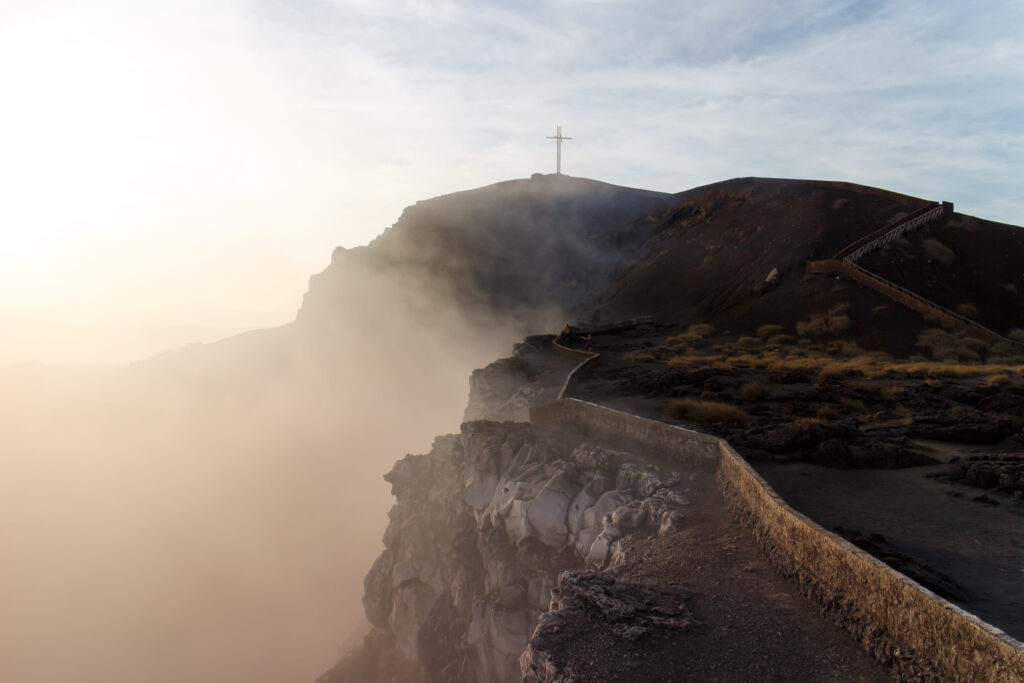
The fiery Masaya Volcano in Nicaragua has long been associated with hellish imagery. When Spanish Conquistadors arrived in the area, they immediately labeled it “La Boca del Infierno,” or the Mouth of Hell, due to its violent eruptions and the overwhelming smell of sulfur.
While the local indigenous people had no such belief, the Spanish were quick to embrace the idea that the volcano was a portal to the underworld.
Locals performed human sacrifices to appease the volcano’s gods, believing it could end droughts and other natural calamities.
The volcano’s constant eruptions and the toxic gases it emits have only solidified its reputation as a modern-day “mouth” to the underworld.
Lake Pergusa – Sicily
In the rolling hills of Sicily, Lake Pergusa is steeped in ancient mythology. It was here, by the waters of this serene lake, that Hades, the god of the Underworld, abducted Persephone, the daughter of Demeter, goddess of the harvest.
According to the myth, Persephone was snatched away while playing by the lake, and the earth itself mourned her disappearance.
This tragic tale explains the cycle of seasons: Persephone spends half the year with Hades in the Underworld and the other half with her mother on Earth.
The lake, once the site of her abduction, remains a symbol of the eternal struggle between life and death.
The Door to Hell – Turkmenistan
Unlike the ancient sites we’ve explored, the Door to Hell in Turkmenistan is a modern phenomenon. In 1971, Soviet engineers accidentally created a massive crater while drilling for natural gas.
Fearing the release of toxic gases, they set the pit on fire, expecting it to burn out in a few days. It’s been burning ever since.
Today, the “Darvaza Crater” is known as the “Door to Hell” due to its infernal appearance. Surrounded by a vast desert, this flaming pit attracts tourists from around the world, offering a surreal glimpse into the raw power of nature.
The fire continues to burn, its endless flames symbolizing the eternal fire of the underworld.
Hells of Beppu – Japan
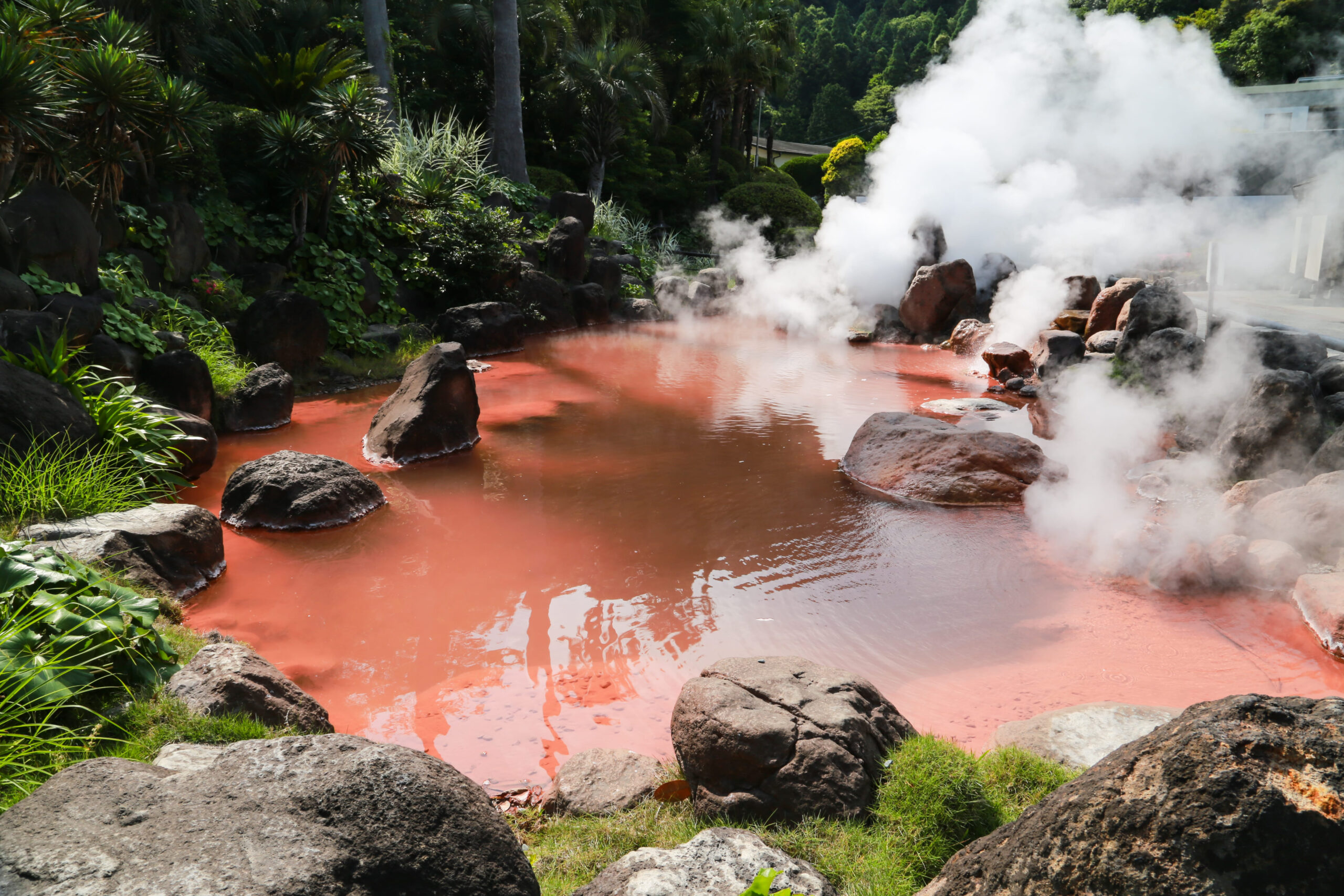
In Japan, the “Hells of Beppu” offer a striking contrast between natural beauty and dark history. This geothermal area in Beppu is known for its steaming hot springs, which bubble with vibrant colors and scorching temperatures.
The steaming waters have earned the area its hellish reputation, with pools like the “Blood Pond Hell,” which emits a deep red hue, and the “Sea Hell,” which features brilliant blue waters.
But beneath the stunning colors lies a darker past. The boiling waters were once used for torture and execution, giving the area a reputation as a site of suffering. Today, visitors can marvel at the beauty of the “hells,” but the haunting memories of their history linger.
Fengdu, City of Ghosts – China
On Ming Mountain in China, the “City of Ghosts” stands as a solemn reminder of the afterlife. This city, with its temples and shrines, is thought to be the gateway to hell.
Visitors to Fengdu must cross the Nothing-To-Be-Done Bridge, where only the virtuous are allowed to pass. Those found unworthy fall into the depths below.
The city is named after the two immortals, Yin and Wang, whose names together mean “King of Hell.” Fengdu has long been a place where the living come to honor the dead, but it is also a reminder of the harsh judgment awaiting those who fail to live a righteous life.
Cave of the Sibyl – Italy
Located in the ancient city of Cumae in Italy, the Cave of the Sibyl was the home of the Sibyl of Cumae, a legendary prophetess who guided the hero Aeneas through the Underworld in Virgil’s Aeneid.
The cave was said to have a hundred entrances, and it is here that Aeneas sought answers about his future and the fate of his people.
The Sibyl’s prophecies, which came from the depths of the earth, were thought to guide the souls of the dead. Today, visitors can still explore the cave and reflect on the powerful myth that connects this place to the afterlife.
Necromanteion of Ephyra – Greece

Nestled near the Acheron River in Greece, the Necromanteion of Ephyra was an ancient temple dedicated to Hades and Persephone.
This was a place where individuals could seek to communicate with the dead. The Necromanteion sat at the confluence of three rivers of the underworld: Acheron, Pyriphlegethon, and Cocytus, which were said to carry the souls of the dead.
Ancient rituals at the Necromanteion involved passing through dark tunnels, where the faithful sought guidance from spirits.
The eerie atmosphere, combined with its proximity to the rivers of hell, made this an iconic place in the ancient world.
Today, visitors can explore the remnants of this haunting site and imagine what it would have been like to seek answers from the other side.
Conclusion
From the caves of Greece to the fiery pits of Turkmenistan, these entrances to hell remind us of humanity’s deep connection to death and the afterlife.
Whether real or mythological, these places have fascinated us for centuries, each telling a story of suffering, transformation, and belief.
If you’re drawn to the supernatural, exploring these locations offers a chance to witness the eerie remnants of ancient cultures and their connection to the beyond.