Dishwashers have revolutionized kitchens, turning what was once a tedious chore into a simple press-of-a-button routine. But despite their convenience, dishwashers are not magical cleaning devices that treat every item equally. High heat, intense water jets, harsh detergents, and long drying cycles can harm materials, finishes, or delicate construction in ways that may not be immediately visible. What seems like a harmless shortcut can end up costing you both money and cherished kitchenware.
Knowing what to avoid putting in the dishwasher is just as important as knowing what can safely go inside. From wooden cutting boards to crystal glassware, certain everyday items require gentler treatment to preserve their functionality, aesthetics, and longevity. Mastering these nuances allows you to protect your investment, avoid costly replacements, and maintain a kitchen that looks as good as it works.
Wooden Utensils and Cutting Boards

Wood is naturally porous, which makes wooden cutting boards and spoons so durable in a cook’s hands, but it also makes them extremely sensitive to heat and water. Dishwashers expose wood to prolonged moisture and extreme temperature changes, which can warp boards, crack handles, or even split utensils over time. Harsh detergents strip away the natural oils that protect wood, leaving it dry and brittle, a perfect environment for bacteria to hide in small cracks.
The solution is simple yet requires a bit of care: hand-wash wooden items using warm, soapy water and dry them immediately. Periodically applying food-safe mineral oil restores moisture and prolongs the life of your favorite kitchen tools. With consistent hand care, your wooden utensils and boards can last for decades rather than succumb to the hidden perils of the dishwasher.
Sharp Knives
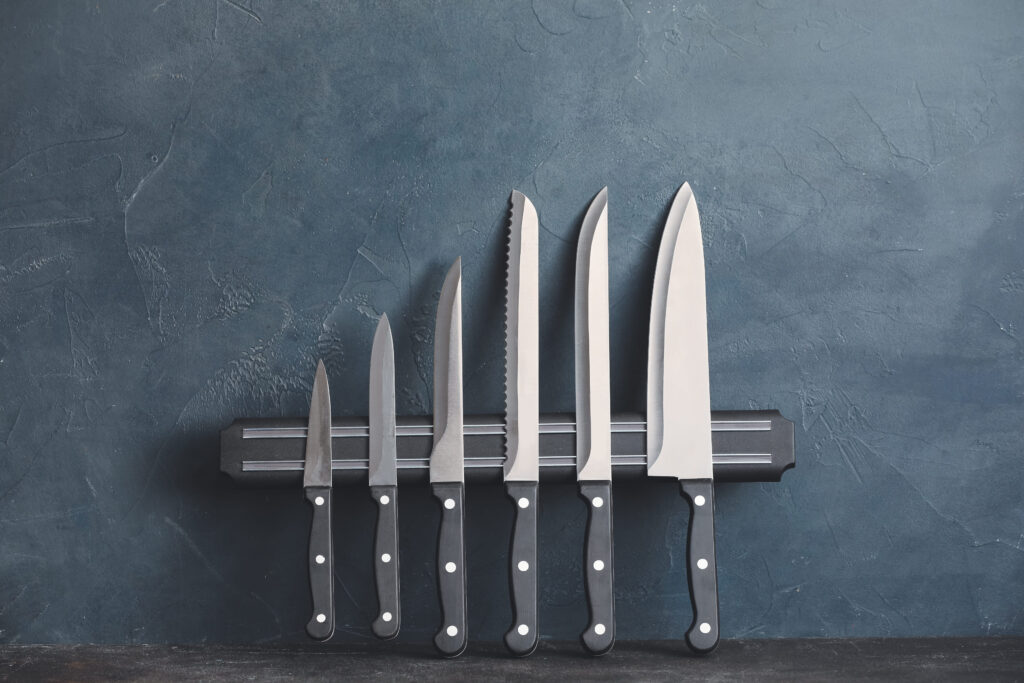
Sharp knives are precision tools, and precision tools do not belong in dishwashers. Tossing blades into a dishwasher exposes them to abrasive collisions with other utensils, hot water, and corrosive detergent. Over time, even high-quality steel can dull, chip, or develop rust spots, turning a trusted chef’s knife into a frustrating, ineffective tool.
Washing knives by hand preserves both the blade and your fingers. Use mild soap, warm water, and a soft cloth, then dry immediately. Treating knives with care keeps them razor-sharp, ensures consistent slicing performance, and prevents accidental nicks during both washing and cooking. A little hand washing protects your kitchen’s most important tool.
Cast Iron Pans and Skillets
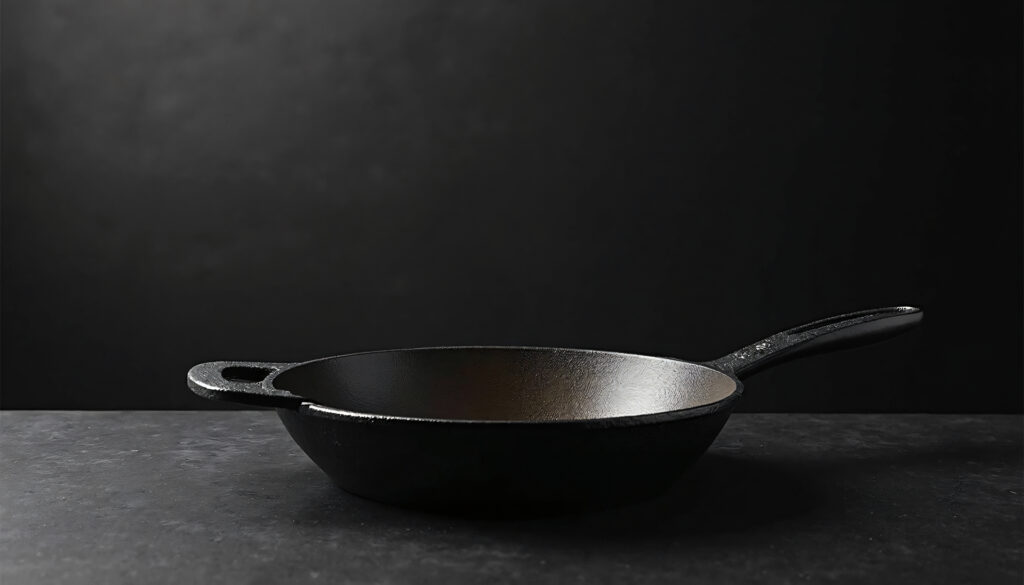
Cast iron is a kitchen staple that thrives on seasoning, a layer of polymerized oil that creates a nonstick surface and prevents rust. In a dishwasher, this seasoning is stripped away by heat, water, and detergent, exposing the raw metal beneath. Left unprotected, cast iron can rust and stick, undermining its performance and the quality of your cooking.
To maintain cast iron, rinse with hot water and a gentle brush. Dry it completely and apply a thin layer of cooking oil before storing. Over time, this simple ritual strengthens the seasoning, improves nonstick performance, and makes your pan a durable centerpiece of every meal rather than a short-lived inconvenience.
Crystal and Fine China
Crystal and fine china are fragile by design. The high-pressure jets, hot water, and strong detergents in dishwashers can etch glass, fade painted designs, or strip gilded rims. A set that has been in the family for generations can lose its sparkle, while sentimental heirlooms risk irreparable damage in a single wash cycle.
Hand washing these items with warm water and gentle detergent preserves both form and function. A soft cloth or sponge ensures that patterns, gold accents, and delicate edges remain intact. Treating them like the treasures they are maintains beauty, prevents chips or cracks, and allows them to grace your table for years to come.
Insulated Tumblers and Travel Mugs
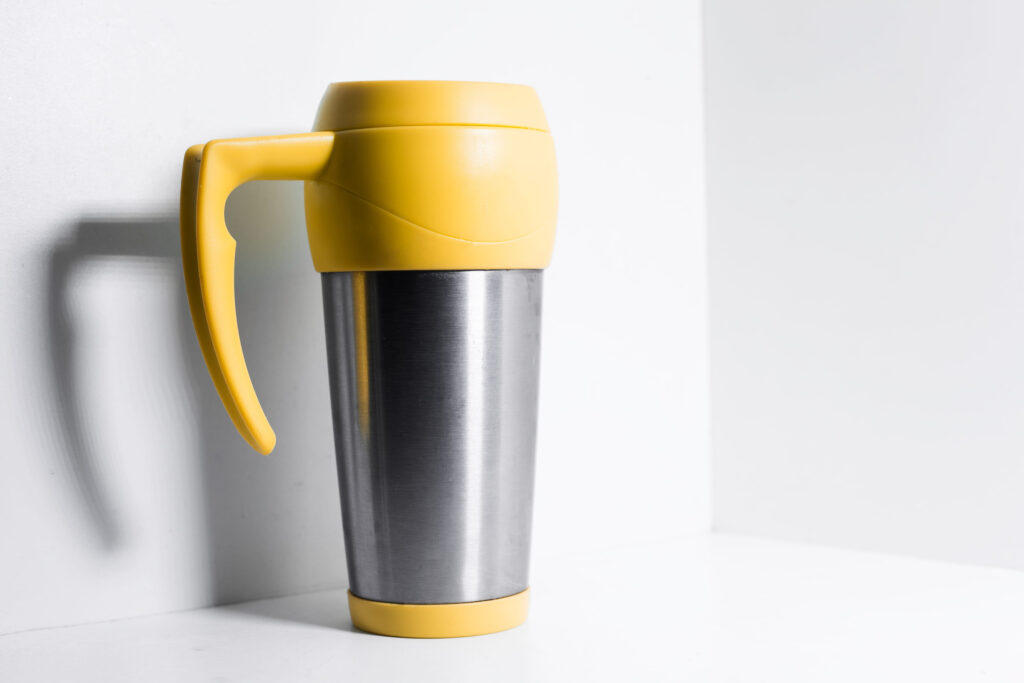
Travel mugs and insulated tumblers promise to keep drinks hot or cold for hours, but dishwashers can destroy that functionality. High heat and aggressive cycles degrade the vacuum seal, rubber gaskets, and insulation, causing tumblers to lose temperature retention and sometimes develop leaks. A prized travel companion can quickly become a frustrating accessory that no longer performs as intended.
Wash tumblers by hand in warm, soapy water, using a bottle brush for deep cleaning. Remove lids and seals to ensure they dry thoroughly before reassembly. This approach keeps beverages at the right temperature and extends the life of your favorite cup, whether you’re commuting or on a weekend hike.
Non-Stick Cookware
Non-stick pans are beloved for easy cleanup, but they are also highly sensitive to heat and detergent. Dishwashers can scratch or peel the coating, leaving uneven surfaces where food sticks and reducing the pan’s longevity. A once-effortless cooking tool can become frustratingly sticky and inefficient after repeated machine washes.
Hand washing with mild dish soap and a soft sponge preserves the coating, prevents peeling, and maintains the pan’s original performance. Avoid metal scrubbers or abrasive pads, and your non-stick cookware will remain a smooth, dependable partner in the kitchen for years.
Wood-Handled Tools
Wood handles on whisks, spatulas, and rolling pins may look sturdy, but they are vulnerable to moisture and heat. Dishwasher exposure can loosen glued joints, warp the wood, or cause cracking, eventually making the tool unsafe or unusable. Over time, wood that was once smooth and attractive can become brittle and uneven.
Hand washing and immediate drying are essential. By maintaining these tools manually, you keep them structurally sound and visually appealing, enabling consistent, comfortable use for cooking and baking. Proper care transforms fragile wood into a long-lasting kitchen companion.
Pot Handles With Screws or Rubber Inserts
Many pots, pans, and cooking tools include screws, rivets, or rubber inserts to improve grip and stability. Dishwashing can trap water in these small crevices, leading to rust, loosening screws, or degrading rubber over time. The damage is slow but cumulative, making items wobbly or unsanitary without any visible sign at first.
Clean these items gently by hand and dry thoroughly. This extra step ensures the handles remain secure and functional, prolonging the life of your cookware and preventing accidents during use. Attention to small details protects both your kitchen investment and your safety.
Painted or Printed Dishware
Decorated plates, mugs, and bowls often feature intricate patterns that are not designed to withstand high heat or harsh detergents. Dishwashing can fade colors, chip paint, or wear down prints, turning vibrant designs into dull or blotchy surfaces. Every day use becomes less enjoyable when favorite dishware loses its charm.
Hand washing with warm water and a mild detergent preserves both the artwork and the finish. Think of these pieces as functional art; gentle care keeps them bright and beautiful, ready to enhance meals without losing their visual appeal.
Copper and Brass
Copper and brass cookware and decorative items gleam with warmth, but they are extremely reactive to detergents and high temperatures. Dishwashers can dull their shine, accelerate oxidation, and even cause permanent discoloration. Once their surface beauty is lost, it’s nearly impossible to fully restore it to its original vibrancy.
Hand washing with mild soap and immediate drying is the safest approach. Occasionally, polishing with a specialized metal cleaner can preserve the patina and keep your copper and brass items lasting for decades while maintaining a radiant finish.
Electronic Components and Chargers

Electronic kitchen tools, chargers, Bluetooth gadgets, and smart devices should never come into contact with water. Dishwashers flood them with moisture, exposing delicate circuits to damage and instantly rendering them useless. Even a brief cycle is enough to destroy sensitive electronics.
Dust off surfaces with a dry microfiber cloth, or lightly dampen a wipe if necessary, avoiding ports or openings. Protecting your tech keeps gadgets reliable and functional, supporting your kitchen workflow without costly replacements.
Anything Labeled “Hand-Wash Only”
Dishware, cookware, and specialty items labeled “hand-wash only” carry explicit warnings for a reason. Manufacturers know their materials cannot withstand heat, detergent, or pressure in dishwashers. Ignoring the label almost guarantees damage, sometimes immediately, sometimes gradually, leaving you with warped, faded, or cracked pieces.
Respect these labels and wash by hand. These instructions protect the design, function, and longevity of your items, ensuring they perform as intended and remain beautiful for years. Following guidance prevents avoidable loss while keeping your kitchen items in peak condition.
Conclusion
Dishwashers are powerful allies, but they have limits. Wood, sharp knives, non-stick pans, delicate glass, metal with screws or rubber, and electronics all require handwashing or special care. Understanding these limits saves you money, frustration, and disappointment over the long term.
By learning what not to put in your dishwasher, you protect the tools, dishes, and gadgets that make your kitchen functional and beautiful. A little extra effort now pays off in durability, safety, and consistent performance for every meal. Your kitchen and your wallet will thank you.