High cholesterol is often a silent adversary. It quietly builds up over the years, slowly increasing your risk of heart disease, stroke, and other cardiovascular issues while hiding behind foods you may consider harmless. The challenge is that many of the worst offenders are familiar comfort foods, the ones we grab when life is busy or stressful. Identifying them and understanding how they affect your cholesterol is the first step toward a healthier heart.
The American Heart Association and the CDC consistently emphasize that lowering saturated fat, trans fat, sodium, and added sugar is crucial for heart health. Even small, habitual choices in your daily diet can have a major impact. By examining the ten worst foods for cholesterol, you can protect your arteries without giving up flavor entirely.
Fried Foods

Fried foods like chicken, fries, onion rings, and tempura feel indulgent, golden, and irresistible, but they can be harmful to your heart. Deep-frying increases trans-fat and saturated fat, which are known to raise LDL cholesterol, the kind that clogs arteries, while simultaneously lowering HDL, the protective cholesterol. The combination quietly sets the stage for long-term cardiovascular damage.
The problem is compounded by the breading and excessive oil absorption that comes with frying. Even “once-in-a-while” indulgences can turn into routine habits that weigh heavily on cholesterol levels. Switching to baked, air-fried, or grilled versions preserves flavor while reducing the dangerous fat load.
Processed Meats

Bacon, sausages, hot dogs, salami, and deli meats are more than just protein; they are concentrated sources of saturated fat, sodium, and preservatives that can raise cholesterol levels. These products are engineered for taste and shelf life, but the cost to your arteries is high. Regular consumption can accelerate plaque formation in arteries and increase the risk of heart disease.
Processed meats often sneak into daily meals, from breakfast sandwiches to charcuterie boards and quick lunches. Replacing them with lean poultry, fish, plant-based proteins, or homemade options provides satisfying protein without the added cholesterol risk. Awareness of portion size and frequency is key.
Fatty Cuts of Red Meat
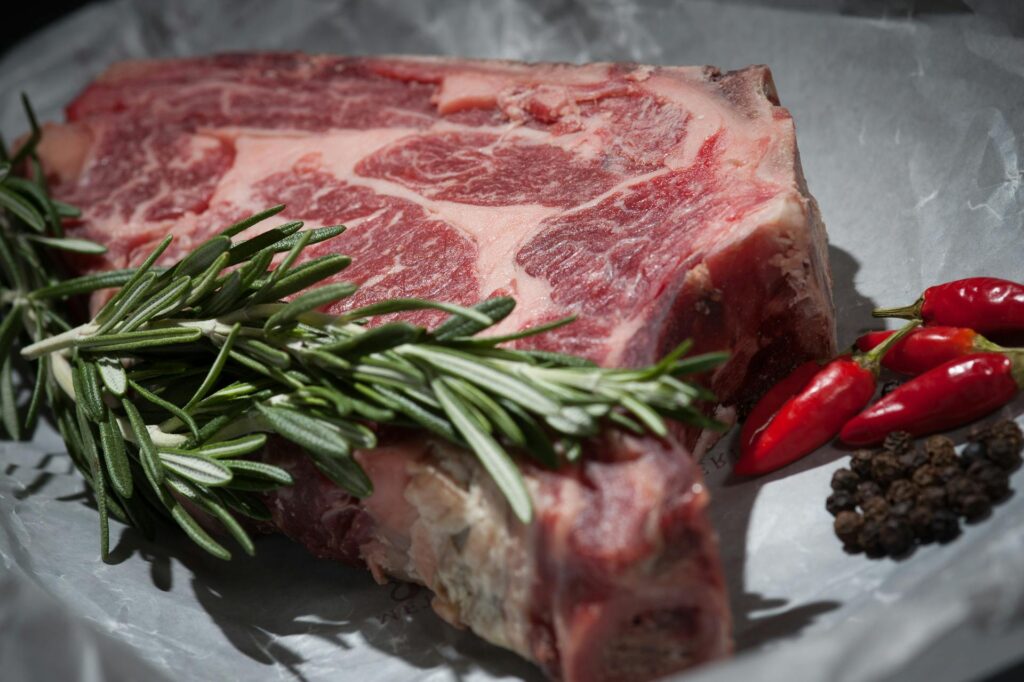
A marbled steak or thick burger patty may look irresistible on the plate, but the saturated fat content is significant. High saturated fat intake can raise LDL cholesterol, intensifying the risk of arterial plaque buildup. This effect becomes more pronounced when large portions are paired with creamy sides or buttered bread.
Switching to leaner cuts like sirloin, tenderloin, or 90% lean ground beef reduces saturated fat without sacrificing the meat you love. Alternating with fish, beans, lentils, and plant-based proteins also provides variety while supporting better cholesterol balance. Portion control and preparation method make a major difference.
Butter
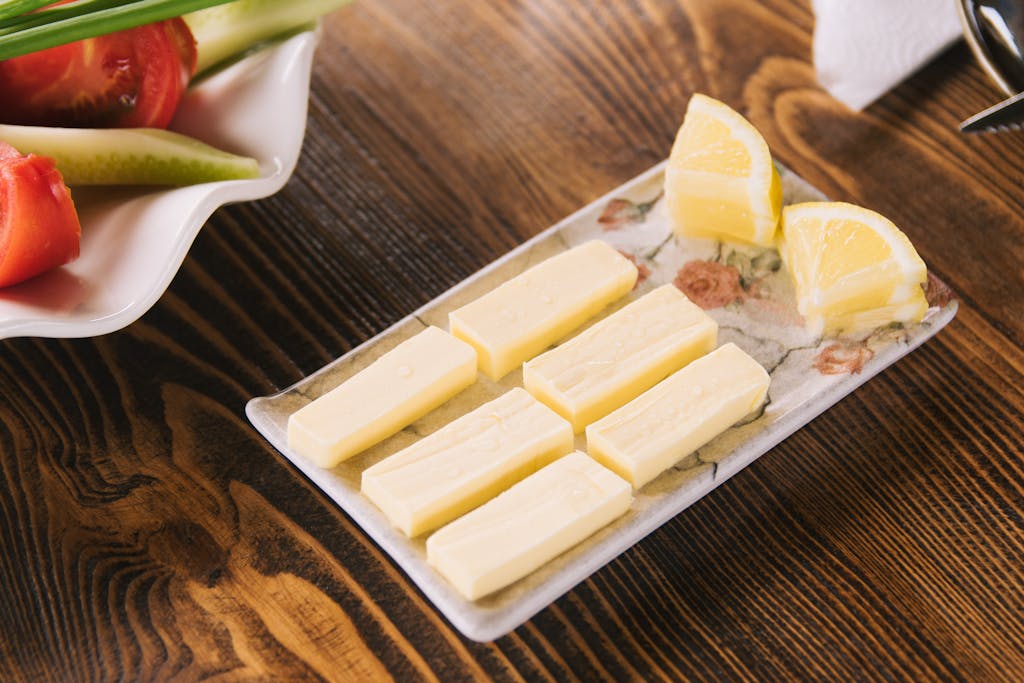
Butter has a reputation for enhancing flavor, yet it is almost pure saturated fat, which can negatively impact cholesterol levels. It is easy to spread liberally on toast, vegetables, and baked dishes without realizing the cumulative effect. Even small daily amounts can add up over time, increasing the risk of heart disease.
Replacing butter with plant-based oils, avocado, or nut butters helps maintain richness while reducing saturated fat intake. Olive oil, for instance, provides heart-healthy monounsaturated fats that support blood vessel health. Simple swaps can preserve taste while protecting your arteries.
Full-Fat Dairy
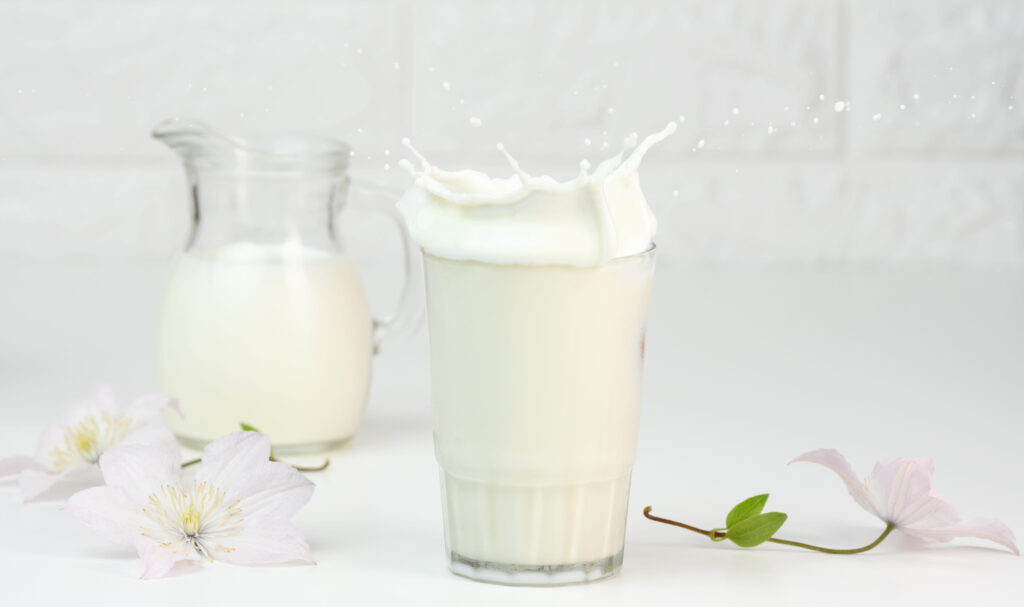
Whole milk, cream, cheese, and full-fat yogurt are comforting, creamy, and widely enjoyed, yet they are major sources of saturated fat. Consuming these daily or in large portions can elevate LDL cholesterol levels, placing additional strain on the cardiovascular system. This can be particularly impactful if paired with pastries, fatty meats, or fried foods on the same day.
Low-fat or fat-free dairy alternatives are widely available and retain the same calcium and protein benefits without overloading your diet with saturated fat. Greek yogurt, skim milk, or plant-based alternatives like soy or almond milk provide options that satisfy cravings while supporting better cholesterol numbers. Moderation and mindful selection are crucial.
Commercial Pastries and Baked Goods
Cookies, doughnuts, pies, cakes, muffins, and packaged pastries are often deceptively dangerous. They combine refined flour, sugar, and unhealthy oils to create soft, irresistible textures, but these ingredients also raise cholesterol and triglycerides. The saturated and trans fats used in baking increase LDL while reducing protective HDL cholesterol.
Portion sizes can also sneakily amplify the effect, as a single pastry rarely satisfies, prompting repeat indulgences. Choosing small servings, homemade alternatives, or swaps like whole-grain baked goods with unsaturated oils helps protect heart health while allowing occasional treats. Awareness and moderation are your allies.
Fast Food Burgers

Fast-food burgers are engineered to appeal to taste buds, but they often contain fatty patties, cheese, mayonnaise, and refined buns that, together, raise cholesterol levels. Paired with fries and sugary beverages, the combination becomes a daily heart hazard. Repeated consumption significantly increases LDL cholesterol over time.
The danger lies in convenience and habit. Even a single fast-food meal may not harm you immediately, but regular consumption adds up to a cumulative risk. Preparing burgers at home with lean meat, whole-grain buns, and plenty of vegetables provides a safer, more satisfying alternative.
Ice Cream

Ice cream is widely beloved for its creamy sweetness, yet it is often loaded with saturated fat and added sugar. High saturated fat intake can raise LDL cholesterol, while sugar can elevate triglycerides, further increasing cardiovascular risk. Portion control is essential to avoid turning a treat into a daily health concern.
Ice cream is often paired with brownies, chocolate sauce, or whipped cream, creating a calorie-dense, high-fat dessert. For a heart-friendlier option, try frozen blended fruit, small servings of low-fat yogurt with berries, or single-scoop indulgences. Savoring a controlled portion can satisfy cravings without sabotaging cholesterol.
Creamy Sauces and Dressings
Cream-based sauces and dressings, including Alfredo, ranch, blue cheese, and mayonnaise, are saturated-fat traps. They can transform otherwise healthy foods like salads, pasta, or steamed vegetables into heart-unfriendly dishes. Even small amounts, when frequently applied, can add significant daily saturated fat.
Healthier swaps like olive oil and vinegar, mustard-based dressings, or yogurt-based sauces deliver flavor without adding excessive LDL-raising fat. Choosing dressings carefully ensures that your meal enhances nutrition rather than undermining it. Flavorful alternatives make healthy eating sustainable and enjoyable.
Coconut Oil and Palm Oil
Tropical oils like coconut and palm oil are plant-based but very high in saturated fat. Popular in baking, vegan recipes, and some packaged snacks, these oils elevate LDL cholesterol similarly to animal fats. Their natural label can be misleading, giving the false impression that they are a heart-healthy choice.
Using non-tropical oils such as olive, canola, sunflower, or safflower oil provides flavor while supporting healthy cholesterol levels. Awareness of saturated fat content in plant oils is essential, especially for individuals already managing high cholesterol. Simple swaps can significantly reduce long-term heart risk.
Conclusion
High cholesterol is shaped by the foods we eat consistently, not by occasional indulgences. Regular consumption of fried foods, processed meats, fatty red meats, butter, full-fat dairy, pastries, fast-food burgers, ice cream, creamy sauces, and tropical oils quietly elevates LDL cholesterol and increases the risk of heart disease.
The solution is strategic replacement rather than complete restriction. Incorporating vegetables, fruits, beans, whole grains, nuts, seeds, lean proteins, and unsaturated oils establishes a sustainable pattern that protects your heart. Small, intentional choices every day add up to lasting cardiovascular benefits, making your diet a true ally rather than a hidden threat.