Facial skin is delicate, sensitive, and structurally distinct from the rest of your body. It reacts quickly to anything harsh, abrasive, or imbalanced. What might seem harmless, a DIY remedy, a “natural” hack, or even a quick fix from a beauty influencer, can cause long-term damage, trigger inflammation, accelerate aging, or leave persistent blemishes. Understanding what not to put on your face is just as important as knowing what to use.
Many skin problems start with seemingly small mistakes. An acidic fruit left on for too long, repeated scrubbing with a gritty substance, or alcohol-laden cosmetics can destabilize your skin’s natural defenses. By knowing exactly what to avoid, you protect your skin barrier, maintain hydration, and preserve the youthful, radiant glow everyone wants.
Hot Water

Hot water may feel soothing, but it strips the skin of its natural oils and damages the protective barrier that helps retain moisture. Over time, daily exposure to hot water can lead to redness, sensitivity, flakiness, and increased oil production as the skin compensates for the loss of its barrier.
Even when cleansing, lukewarm water is your ally. It cleans without provoking inflammation or dryness. Pair it with a gentle, pH-balanced cleanser to remove dirt and oil without compromising skin health. Think of hot water as a short-term comfort that comes with long-term costs for your facial skin.
Lemon Juice

Lemon juice is widely touted as a natural brightener or acne fighter, but its high acidity is too harsh for facial skin. Undiluted lemon juice disrupts your skin’s pH, irritates sensitive areas, and can trigger burns or permanent pigmentation spots, especially in sun-exposed areas.
Even if it seems to lighten blemishes, the long-term consequences of increased sensitivity, redness, and uneven tone outweigh any short-term “benefits.” Dermatologists consistently advise steering clear of citrus products directly on the face unless they are professionally formulated in a cosmetic product.
Apple Cider Vinegar
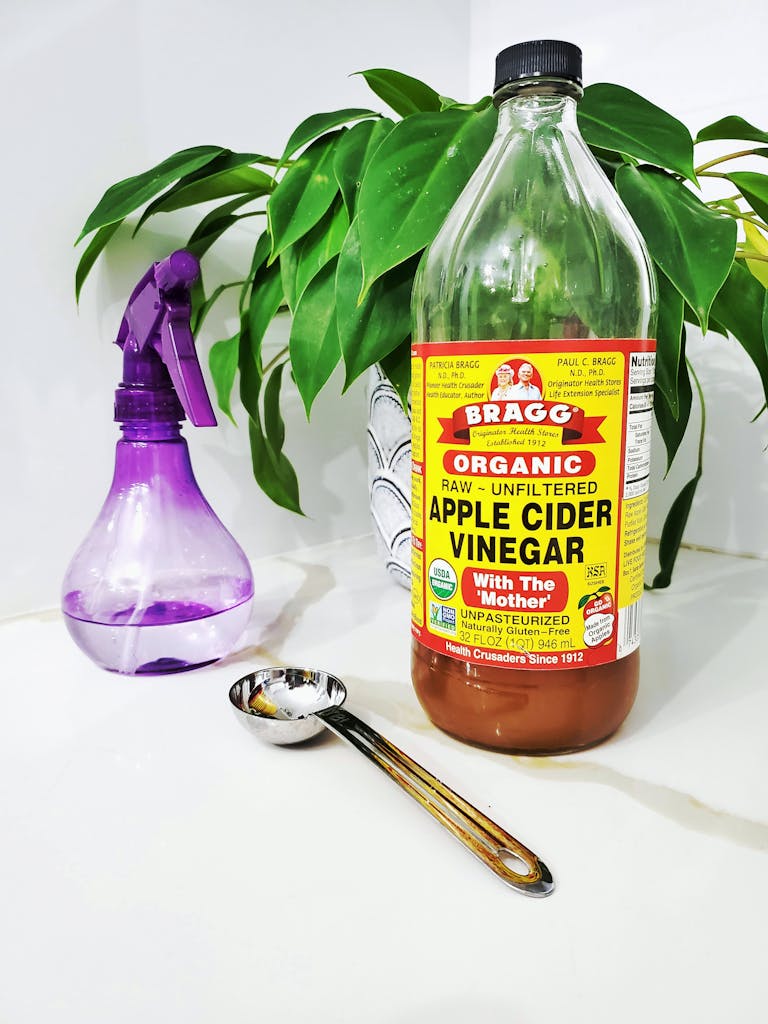
Apple cider vinegar (ACV) is often marketed as a cure-all, but its acidic composition can burn delicate facial tissues. Topical ACV can cause redness, peeling, micro-abrasions, and inflammation, leaving the skin more vulnerable to infections and environmental stressors.
ACV may work as a diluted toner in very controlled, professional formulations, but DIY application is risky. Avoid slathering it on, and never use it at full strength; the potential damage far outweighs cosmetic benefits.
Baking Soda
Baking soda is highly alkaline, while healthy skin is slightly acidic. Applying baking soda disrupts this balance, leading to a weakened skin barrier, dryness, redness, and heightened sensitivity. It can also worsen acne by disturbing the skin’s natural microbiome.
Natural remedies don’t automatically equal safety. A chemical mismatch, like this, can leave your face irritated and inflamed. Stick with products formulated to support your skin’s natural pH.
Toothpaste
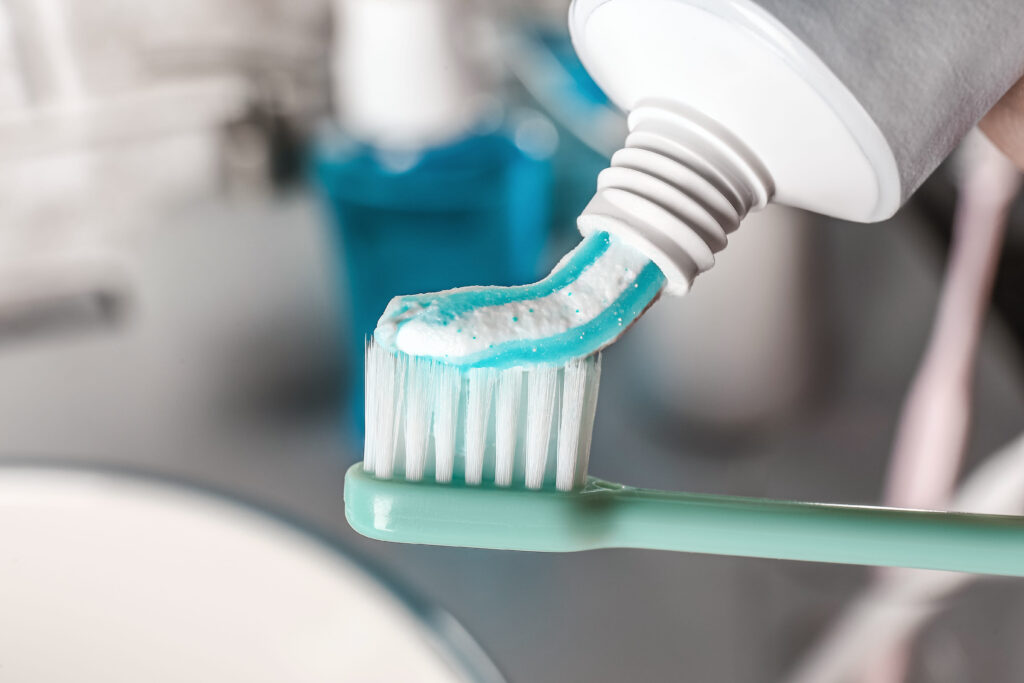
Toothpaste is often recommended as a spot treatment for pimples, but it contains detergents, abrasives, alcohols, and chemical agents intended for teeth, not skin. Applying toothpaste can dry out the area, cause chemical burns, and trigger hyperpigmentation or scarring.
Even small dab applications are risky. Instead, use dermatologist-recommended acne treatments with salicylic acid, benzoyl peroxide, or retinoids. These ingredients are formulated to reduce inflammation without damaging surrounding healthy skin.
Harsh Bar Soap
Traditional bar soaps are designed for body skin, which is thicker and less sensitive than the face. Their surfactants and fragrances strip essential oils, leaving the face dry, irritated, and more prone to breakouts or flaking.
Gentle, fragrance-free cleansers with balanced pH levels are preferable. They remove impurities while preserving the skin’s natural moisture and resilience.
Abrasive DIY Scrubs
Scrubs with sugar, salt, crushed walnut shells, or other gritty substances can create micro-tears in facial skin. These tiny injuries may seem harmless, but they can trigger inflammation and irritation and, over time, contribute to premature wrinkles and uneven texture.
Chemical exfoliants like alpha hydroxy acids (AHAs) or beta hydroxy acids (BHAs) provide a safer, controlled method of exfoliation, dissolving dead skin cells without physically tearing the tissue.
Stacking Too Many Active Ingredients
Overloading your face with retinol, vitamin C, acids, and other potent actives may sound effective, but it overwhelms the skin. The result: redness, peeling, sensitivity, and long-term barrier damage.
Introduce one active at a time, use proper spacing between applications, and always patch-test. Your skin heals faster when it is allowed to adjust gradually to powerful ingredients.
Skipping Sunscreen

UV radiation silently accelerates aging, triggers pigmentation, and increases skin cancer risk. Not applying daily SPF exposes the face to cumulative damage even indoors, from sunlight filtered through windows or reflected surfaces.
Make SPF 30+ broad-spectrum a non-negotiable step. Protective skincare is proactive, not reactive; missing this step cannot be corrected later.
Overwashing
Washing your face excessively or with harsh cleansers strips essential oils and damages the skin’s barrier. This paradoxically increases oil production and can trigger breakouts or flare-ups in sensitive skin.
Limit washing to twice daily, or once if your skin is dry or sensitive. Gentle cleansing is more effective than aggressive scrubbing.
Touching Your Face

Hands carry oils, dirt, and microbes. Frequent touching, resting your face on your hand, or picking at blemishes introduces contaminants, clogs pores, and exacerbates inflammation.
Avoid habitual face-touching and keep your hands clean. Small behavioral changes prevent acne flare-ups and irritation, protecting long-term skin health.
Fragrances, Alcohols, and Irritants
Many skincare and cosmetic products contain fragrances, alcohols, or sulfates that sound harmless but disrupt the skin’s natural barrier, trigger allergic reactions, and increase sensitivity.
Opt for fragrance-free, alcohol-free, and gentle formulations whenever possible. Protecting your skin’s integrity today prevents chronic dryness, redness, and premature aging tomorrow.
Conclusion
Healthy, radiant facial skin is preserved by knowing what not to apply as much as by selecting the right products. Harsh acids, abrasive scrubs, alcohols, DIY remedies, and even simple behaviors like touching your face can compromise skin integrity. By avoiding these 12 common mistakes, you maintain a resilient, hydrated barrier that supports natural repair, reduces breakouts, and keeps your skin looking youthful and vibrant for years to come.